

As dawn breaks over the sprawling metroplex the air already hangs heavy with moisture and anticipation. People step outside only to feel the immediate embrace of warmth that promises to intensify as the day progresses. This pattern has become all too familiar in recent years setting the stage for what experts describe as DFW extreme heat conditions that will once again test the limits of endurance across the area. Local forecasters warn that Wednesday will bring renewed challenges with the heat index climbing past 110 degrees leaving little relief even after sunset.
Expected Temperature Patterns

Meteorologists tracking conditions across North Texas emphasize that Wednesday marks the continuation of a prolonged period of elevated readings. Afternoon highs are projected to reach the upper 90s while humidity levels amplify the perceived temperature. Such patterns align with broader trends observed in recent summers where DFW extreme heat has grown more persistent. Residents are advised to limit outdoor exposure during peak hours and monitor local updates for any shifts in the outlook.
Effects on Public Health Services

Hospitals and emergency clinics in the region often see an uptick in visits related to dehydration and heat exhaustion during these episodes. Medical professionals note that vulnerable groups including the elderly and those with preexisting conditions require extra vigilance. Community outreach programs have expanded efforts to distribute water and cooling supplies in high risk neighborhoods. These measures reflect a growing recognition that DFW extreme heat demands coordinated responses from health authorities.
Impact on Transportation Networks

Road crews face added strain as asphalt softens under sustained high temperatures leading to occasional lane closures for repairs. Public transit systems adjust schedules to protect drivers and riders from prolonged exposure. Airport operations at major hubs monitor runway conditions closely since extreme warmth can affect aircraft performance. Travelers are encouraged to allow extra time for journeys amid these adjustments.
Changes in Local Energy Consumption
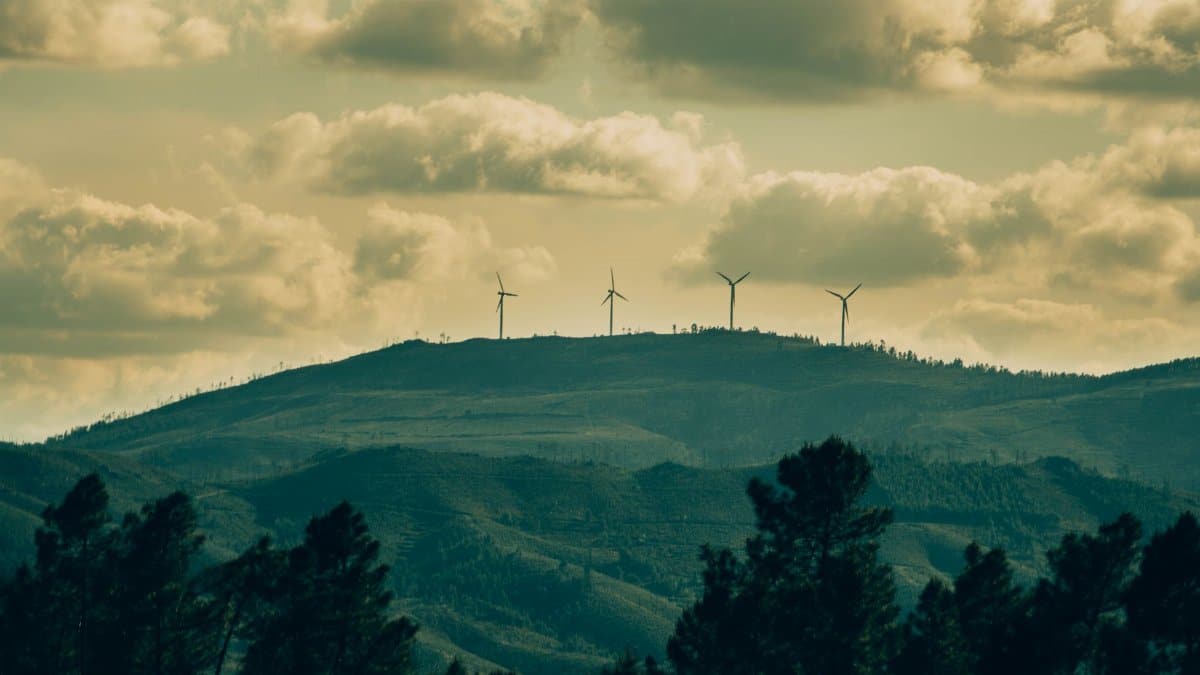
Utility providers report sharp increases in electricity demand as air conditioning units run continuously. Grid managers implement conservation alerts to prevent overloads during the hottest stretches of the day. Some households explore efficiency upgrades to manage costs while maintaining comfort. This surge underscores how DFW extreme heat influences everyday resource management across the metro area.
Adjustments in School Schedules

Educational institutions modify recess times and outdoor activities to reduce risks for students and staff. Administrators distribute reminders about hydration and sun protection as part of routine communications. In some cases early dismissals are considered if indoor cooling systems struggle to keep pace. These adaptations illustrate the ripple effects extending into family routines.
Business Responses and Adaptations

Retailers and restaurants extend hours for indoor spaces offering refuge from the outdoors. Construction firms shift work crews to early morning or evening shifts to avoid peak heat. Agricultural operations in surrounding counties adjust irrigation and livestock care accordingly. Such flexibility helps sustain economic activity despite the challenges posed by DFW extreme heat.
Community Support Initiatives

Nonprofit organizations coordinate pop up cooling centers in libraries and recreation facilities. Volunteers deliver meals and check on isolated individuals to ensure well being. Social media campaigns spread awareness about recognizing early signs of heat related distress. These grassroots efforts complement official advisories and foster a sense of collective responsibility.
Longer Term Climate Considerations
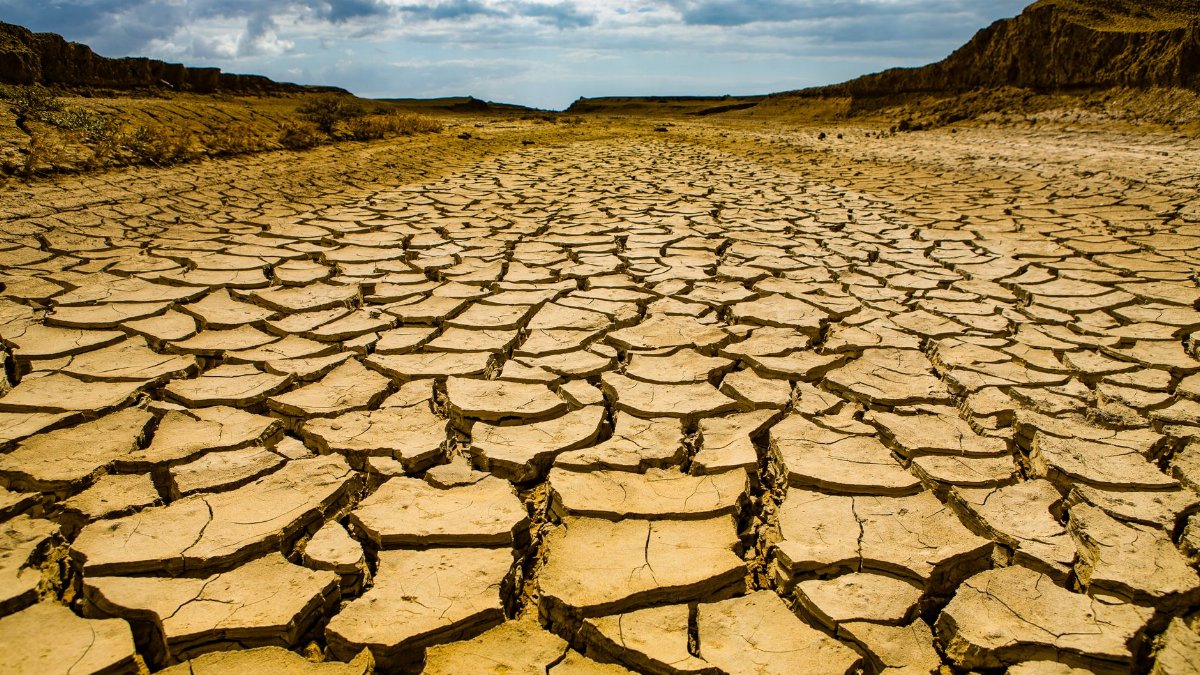
Researchers examining regional data point to an increase in the frequency of intense heat events over the past decade. Urban planners discuss strategies such as expanded green spaces and reflective building materials to mitigate future impacts. Public discussions often turn to how infrastructure investments can better prepare the area. Understanding these dynamics remains essential as DFW extreme heat continues to shape policy conversations.
Personal Preparedness Recommendations

Individuals are urged to stock supplies including extra water and portable fans for potential power interruptions. Checking on neighbors especially seniors and those without reliable cooling becomes a vital practice. Weather apps provide real time alerts allowing for timely adjustments to plans. Taking these steps can make a meaningful difference during periods of elevated risk.