
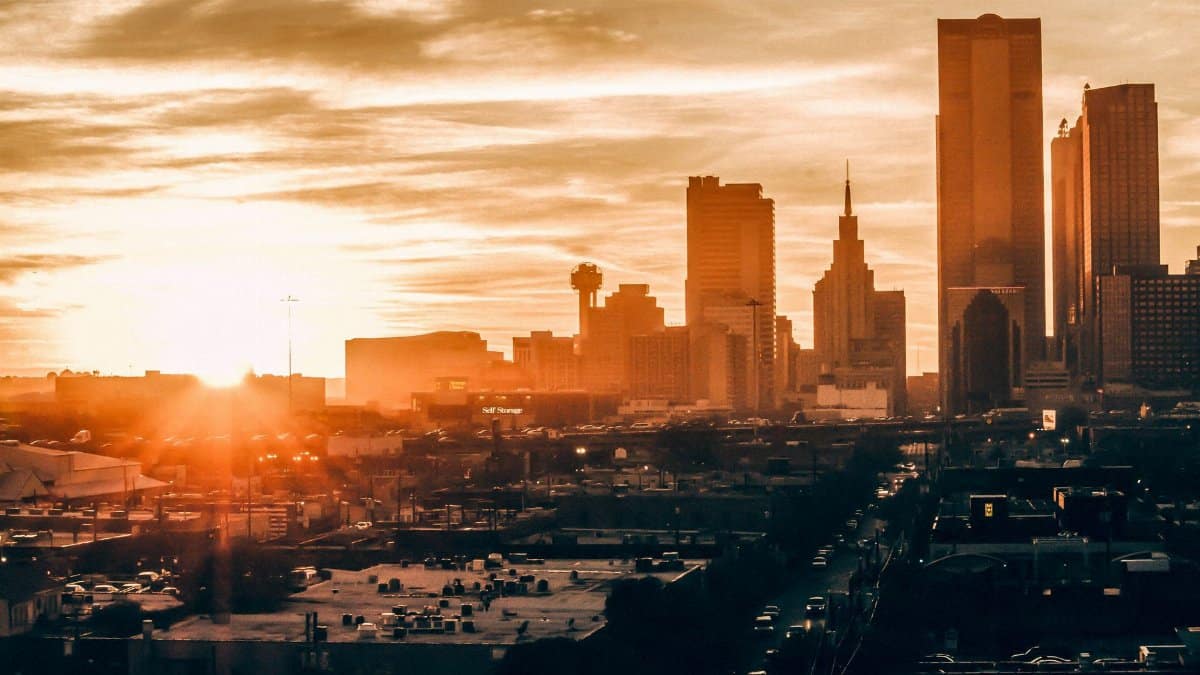
After a stretch marked by relentless heat that left many North Texas residents seeking refuge indoors, signs point to Dallas weather cooling as a modest but noticeable shift arrives with the new week. The change follows several days when thermometers climbed well past one hundred degrees under clear skies and strong sunshine. While the relief remains limited in scope, forecasters describe it as a timely pause that could ease some of the strain on daily routines, outdoor work, and household energy use. Communities across Dallas and Fort Worth have grown accustomed to such extremes in recent seasons, yet each transition still brings questions about how long the cooler air might linger and what it means for the weeks ahead.
Recent Temperature Patterns Across North Texas

Daily readings in the Dallas Fort Worth area climbed sharply during the past several days, with afternoon peaks often exceeding seasonal norms by a wide margin. Observers recorded consistent sunshine and low humidity that intensified the sensation of heat even after sunset. Such conditions prompted widespread use of air conditioning and limited outdoor activity during peak hours. The latest data indicate a gradual decline beginning Monday, with highs expected to settle several degrees lower than the prior peak.
Forecast Outlook for the Coming Days

Models from the National Weather Service suggest daytime temperatures will hover in the mid nineties through much of the week, accompanied by slightly higher humidity levels. Overnight lows are projected to dip into the seventies, providing brief windows for natural cooling in homes without constant mechanical assistance. Precipitation chances stay low, though scattered showers cannot be ruled out by midweek. Residents are advised to monitor updates as the pattern evolves.
Impact on Local Agriculture and Water Resources

Farmers and ranchers in surrounding counties welcomed the moderation, noting that crops under stress from prior heat may now have a brief recovery period. Irrigation demands could ease somewhat if the trend holds, though soil moisture remains a concern after extended dry spells. Livestock producers report reduced heat related stress on animals, which in turn affects feeding schedules and veterinary needs. Water districts continue to track reservoir levels closely during this seasonal transition.
Public Health and Outdoor Activity Adjustments
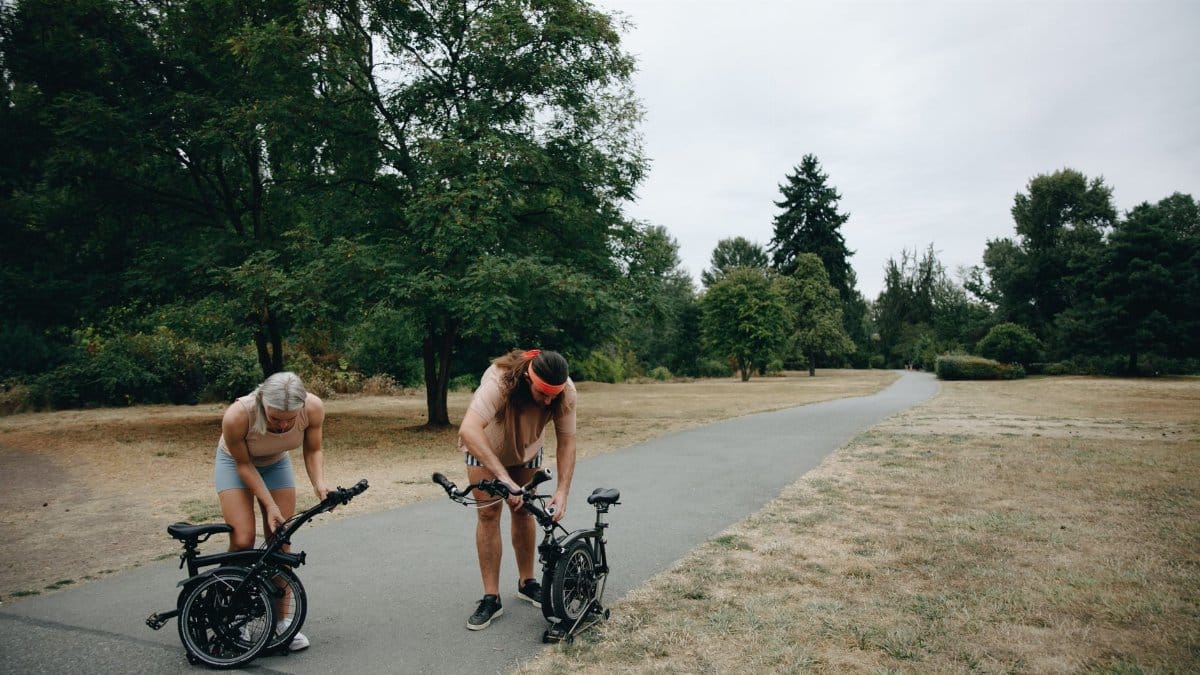
Health officials emphasize that even with lower peaks, vulnerable groups should maintain precautions against heat exposure. Parks and recreation areas may see increased foot traffic as people resume walks and exercise earlier in the day. Hospitals note a typical drop in heat related visits once temperatures fall below triple digits, freeing resources for other seasonal concerns. Schools have begun adjusting recess schedules accordingly.
Energy Use and Utility Considerations
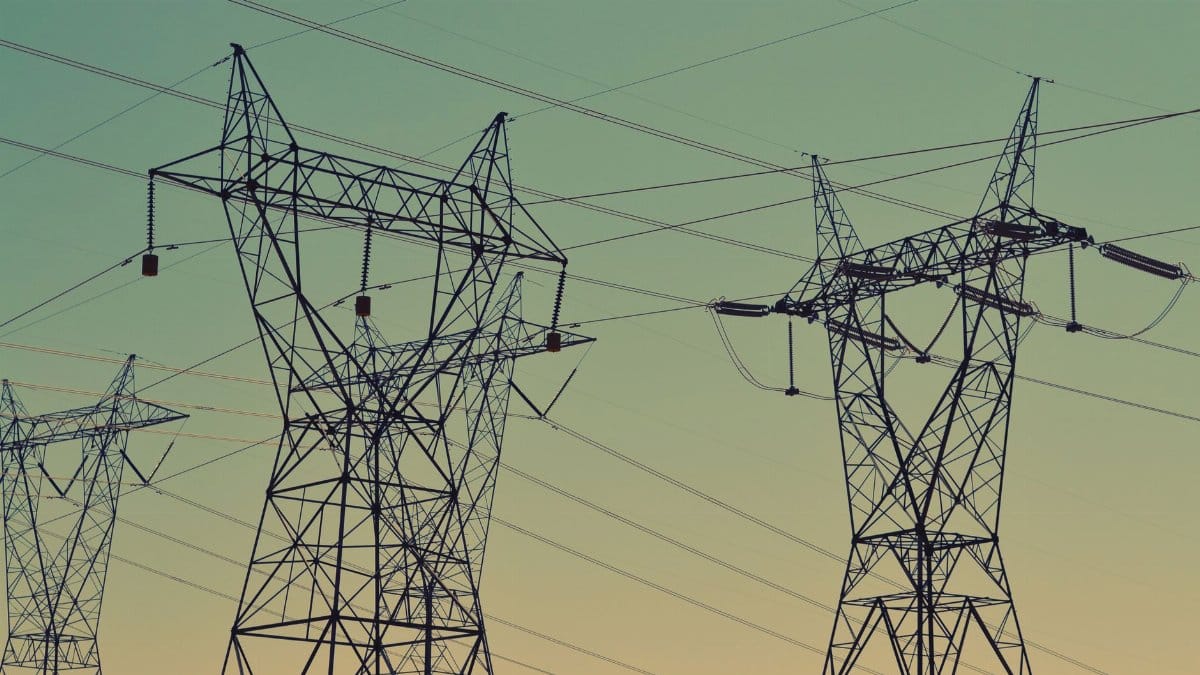
Power companies observed record demand during the hottest afternoons, driven largely by residential cooling systems. The expected Dallas weather cooling should translate into measurable reductions in load, potentially lowering costs for consumers on variable rate plans. Grid operators remain alert for any rebound if humidity rises and prompts heavier air conditioner use. Conservation messages continue to circulate through local media and utility apps.
Comparisons With Past Seasons

Historical records show that similar late summer transitions have occurred in roughly half of the past two decades, often followed by steadier autumn patterns. This year stands out for the duration of the preceding heat rather than its absolute intensity. Climatologists point to broader atmospheric influences that can either prolong or shorten such cooling phases, though precise prediction remains challenging beyond a seven to ten day window.
Community Adaptations and Daily Routines

Neighborhoods report a gradual return to earlier morning errands and evening gatherings as the immediate threat of extreme heat recedes. Construction crews and delivery drivers describe improved working conditions, while restaurants with outdoor seating prepare for renewed customer interest. Local governments have resumed some postponed maintenance projects that require extended time outdoors.
Broader Climate Context and Future Monitoring
Discussions among regional planners now turn toward how such fluctuations fit within longer term variability. Continued observation of Dallas weather cooling events helps refine models used for infrastructure and emergency preparedness. Public interest in home weatherization and efficient cooling technologies tends to rise during these periods of contrast.