
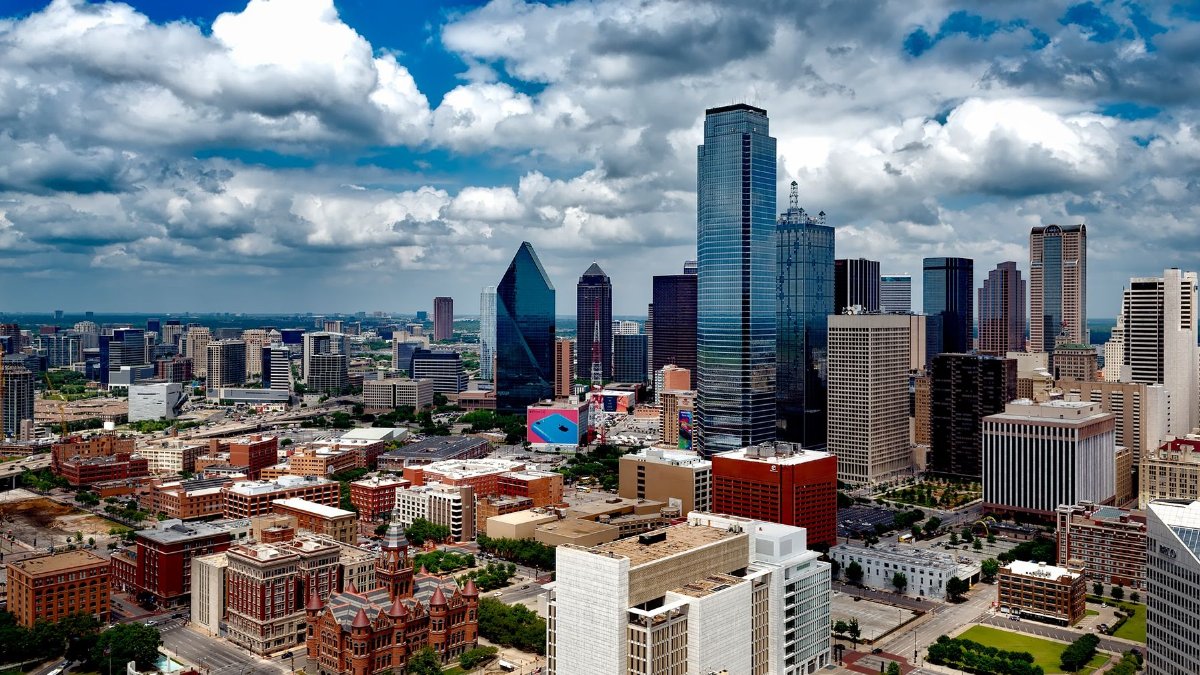
In the heart of a rapidly expanding metro area, city leaders face a pivotal choice about whether to sustain partnerships that could reshape daily commutes and urban growth. Temporary halts in testing have sparked debate, yet the broader vision for Dallas Waymo Robotaxi Autonomous Vehicles Future remains tied to goals of smoother traffic flow and modern infrastructure. Observers note that pausing now could cede ground to competitors while residents continue to deal with congestion on major corridors. Maintaining progress allows Dallas to test innovations that promise fewer accidents and better access for those without personal vehicles. This approach aligns with trends seen in other large American cities where pilot programs evolve despite early obstacles.
Examining the Pause Decision

The recent suspension of certain robotaxi routes stems from local reviews focused on operational tweaks rather than outright rejection. Officials emphasize that such pauses serve as checkpoints to refine mapping and response protocols in high traffic zones. Data from similar projects shows these intervals often lead to stronger performance upon resumption. Dallas benefits from studying these adjustments closely before full scale deployment resumes across the metroplex.
Potential Benefits for Dallas Mobility
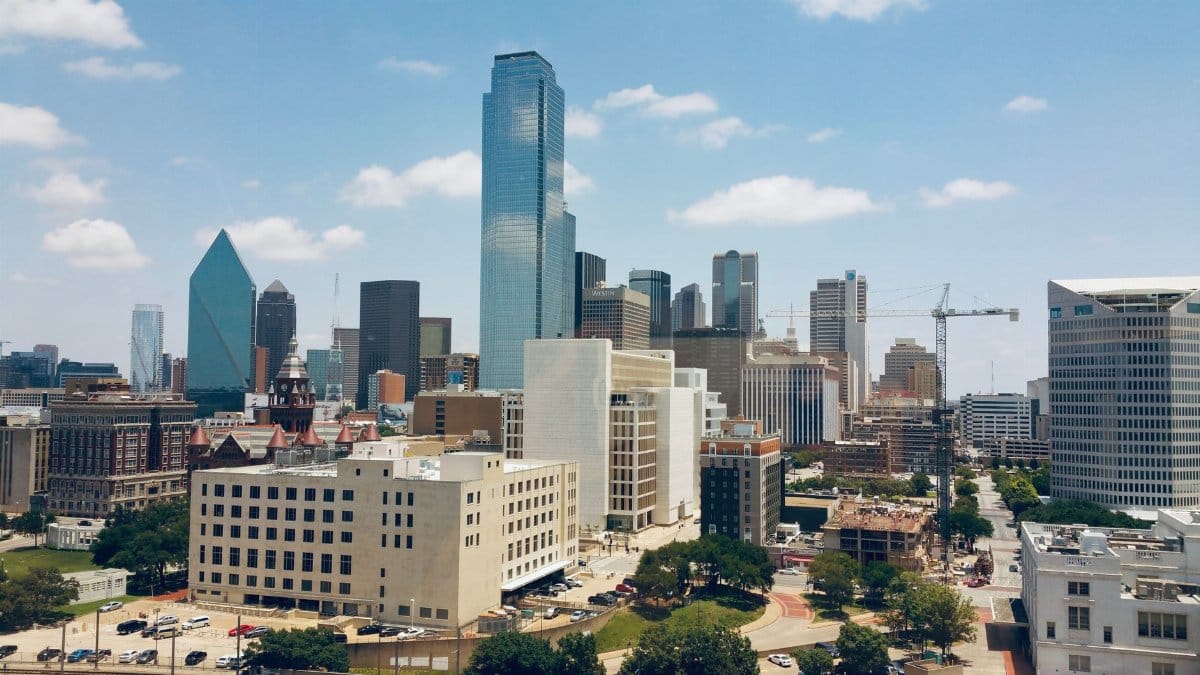
Autonomous vehicles hold promise for easing pressure on highways that connect downtown to surrounding suburbs. By optimizing routes in real time, these systems could cut commute times during peak hours and reduce the need for extensive road expansions. Middle aged professionals who drive daily might find relief as shared fleets handle more trips. Integration with existing bus and rail lines could create seamless options for longer journeys without adding vehicles to already crowded streets.
Safety Records of Autonomous Systems
Studies from established operators indicate lower collision rates compared to human drivers when proper safeguards remain in place. Waymo vehicles log millions of miles with detailed sensor feedback that identifies hazards faster than average reaction times allow. Local authorities plan to monitor these metrics through ongoing data sharing agreements. Residents express cautious interest once transparent reports confirm consistent reliability in varied weather conditions common to North Texas.
Economic Opportunities in the Region
The arrival of advanced transportation tech draws investment from firms specializing in software and vehicle maintenance. Job creation spans roles in fleet oversight, data analysis, and customer support centers. Dallas stands positioned to attract talent drawn to a forward leaning environment that blends traditional industry with emerging mobility solutions. Small businesses near designated pickup zones may see increased foot traffic as convenient travel encourages more local outings.
Lessons from Other Metropolitan Areas

Cities like Phoenix and San Francisco offer models where phased rollouts addressed initial concerns over curb management and emergency access. Adjustments there improved public confidence and expanded service areas gradually. Dallas can adapt these strategies to its unique layout of wide avenues and growing suburbs. Collaboration with state regulators helps avoid pitfalls observed elsewhere while tailoring approaches to regional needs.
Public Sentiment and Adoption Rates

Surveys reveal a split among residents, with many open to trying robotaxis for errands or airport runs once safety assurances strengthen. Younger families appreciate the option for hands free travel during busy evenings. Older adults cite reliability as a key factor in their willingness to shift from personal cars. Community forums provide platforms for feedback that shapes future service expansions.
Technological Developments on the Horizon

Advances in lidar and artificial intelligence continue to enhance vehicle awareness in complex intersections. Future iterations aim to handle construction zones and unpredictable pedestrian movements with greater precision. Partnerships with universities in the area support research into localized algorithms suited to Dallas traffic patterns. These innovations position the city as a testing ground for broader national applications.
Regulatory Frameworks and Oversight

State legislation provides a foundation for permitting while requiring regular audits of vehicle performance logs. City councils retain authority to designate operational boundaries based on infrastructure readiness. Clear guidelines protect both operators and the public by establishing liability standards and insurance requirements. Ongoing dialogue ensures rules evolve alongside technological capabilities.
Environmental Advantages of Reduced Emissions

Electric powered robotaxis contribute to lower overall carbon output when replacing gas fueled personal trips. Optimized driving behaviors minimize idling and aggressive acceleration that elevate pollution levels. Dallas air quality reports could reflect measurable improvements as fleet sizes grow. Support for charging infrastructure aligns with broader sustainability targets set by regional planners.
The Path Ahead for Smart City Integration

Sustained commitment to these vehicles supports wider smart city initiatives including connected traffic signals and real time transit apps. Data collected enhances urban planning decisions on everything from parking allocation to emergency response routing. Dallas residents stand to gain a transportation network that adapts to population growth projected over the coming decades. Persistent effort now lays groundwork for a more efficient and accessible future.