
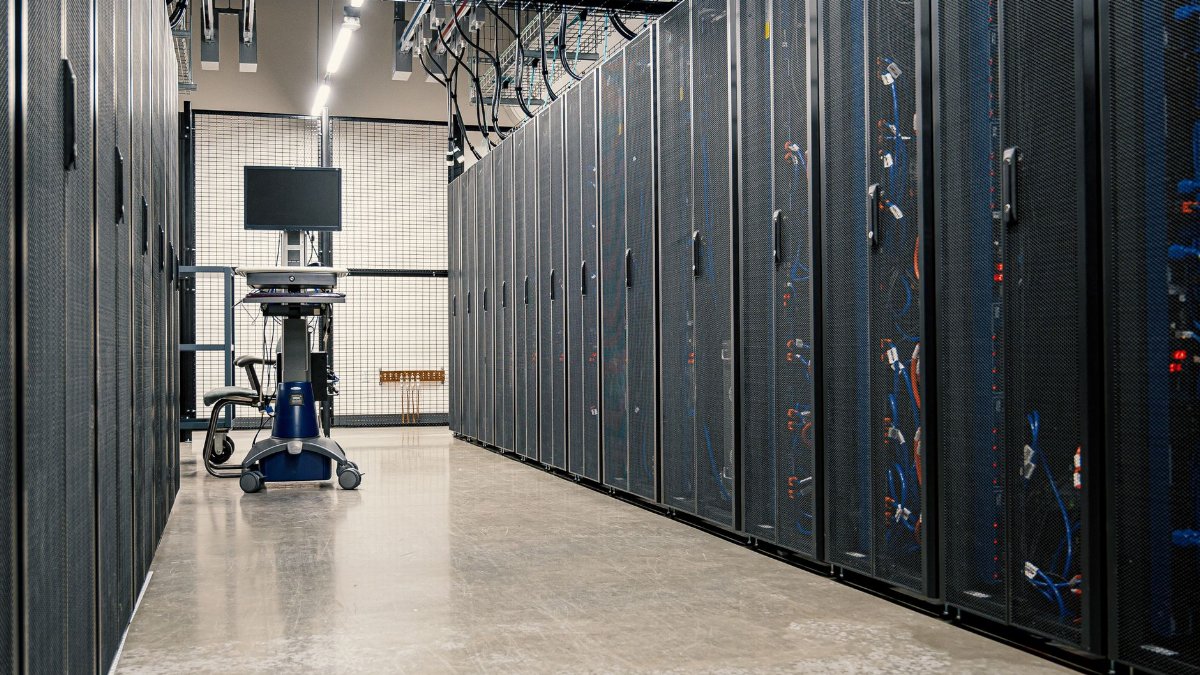
In the heart of North Texas, city leaders have started reviewing how the surge in Dallas data centers fits with existing rules on land use and utilities. Residents near planned sites have voiced unease at public meetings, pointing to possible strains on local resources that power everyday life. Officials now face the task of balancing economic gains from these facilities against questions about long term sustainability in a region already familiar with drought cycles and grid pressures. This review comes as national trends show data facilities multiplying to support cloud services and artificial intelligence tools. Dallas stands out because of its central location and available land, yet the pace of proposals has prompted a closer look at zoning gaps that were not designed for such intensive operations.
City Planning Meetings Draw Crowds
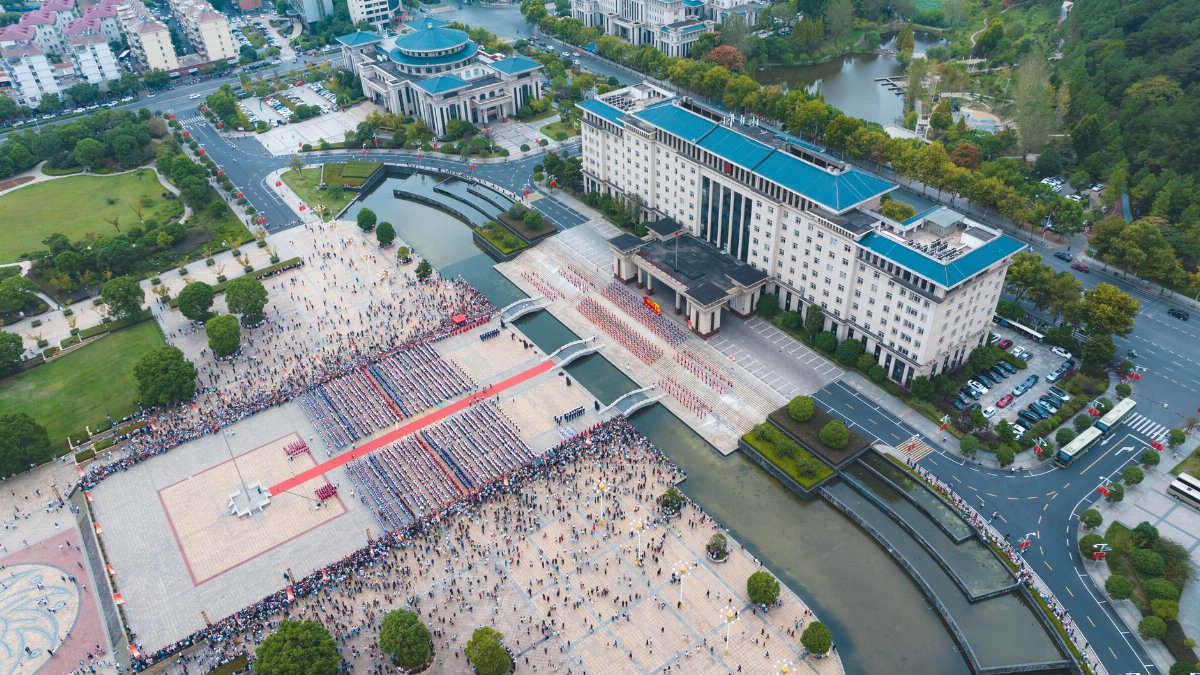
Public sessions have attracted more attendees than usual in recent months as details emerge about proposed facilities. Neighbors describe concerns over noise from cooling systems and the visual impact of large buildings on suburban landscapes. Planners have responded by gathering input on possible new standards that could limit where these projects locate.
Water Consumption Patterns Examined

Data facilities rely on substantial amounts of water for cooling their servers, a fact that resonates in a metro area where supplies come from distant reservoirs. Studies from regional water districts indicate that even modest increases in usage could affect availability during peak summer months. Officials are now requesting detailed projections from developers before approving further sites.
Power Grid Capacity Under Review

Electric utilities have noted that clusters of data centers create concentrated loads that differ from typical residential or commercial patterns. Discussions with state regulators focus on whether current transmission lines and generation sources can handle additional demand without raising costs for all customers. Backup plans include incentives for on site renewable sources where feasible.
Zoning Codes Face Updates

Current ordinances treat data facilities much like warehouses, which leaves gaps in requirements for setbacks or landscaping. City staff have drafted proposals that would classify them separately and require traffic studies for truck deliveries during construction phases. These changes aim to prevent conflicts in mixed use areas.
Economic Benefits Weighed Against Costs

Proponents highlight job creation during both building and operation phases, along with added tax revenue that supports schools and roads. Yet some analysts caution that the permanent workforce tends to be smaller than initial projections suggest, shifting the net advantage toward property taxes rather than broad employment gains.
Resident Stories Highlight Daily Impacts

One family living near a recently completed site reported changes in their well water pressure after operations began, prompting tests by local health departments. Such accounts have fueled calls for independent monitoring programs that track cumulative effects across multiple facilities rather than isolated cases.
Comparison With Other Texas Cities

Nearby communities like Fort Worth have adopted stricter height limits and noise ordinances for similar projects, offering a model that Dallas leaders are studying. These examples show how tailored rules can address unique local conditions without halting industry growth entirely.
Future Outlook for Regional Growth
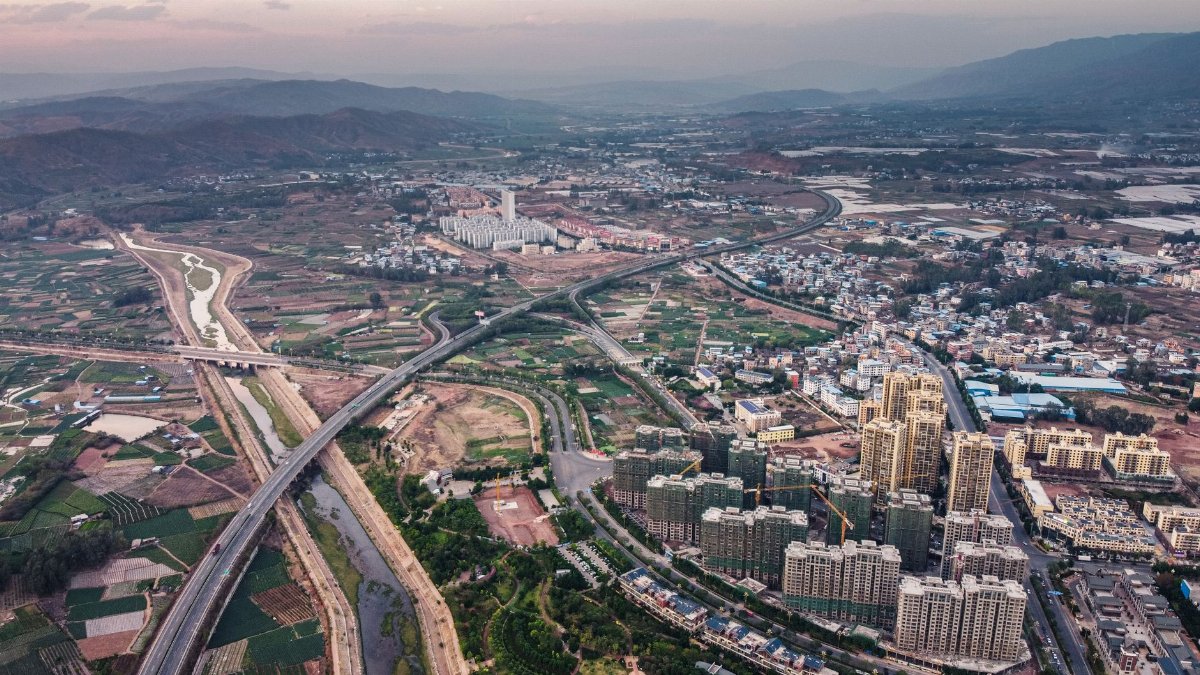
As national demand for digital storage continues upward, Dallas must decide how many facilities align with its vision for balanced development. The ongoing review process may set precedents that influence similar decisions in other Sun Belt metros facing parallel pressures on water and electricity supplies.