
Commuters who rely on street parking in the heart of the city are facing a familiar frustration as costs climb once more. City leaders approved a series of adjustments that expand paid hours and raise fees at meters, a move that touches downtown workers, shoppers and visitors alike. The changes unfold gradually through December 2026, when paid enforcement will stretch from 7 a.m. to midnight across wider zones. Dallas parking rate hikes form the core of this plan, intended to manage demand and support infrastructure without sudden shocks to daily routines.
Timeline for Implementation
The first adjustments begin this fall at select downtown blocks where occupancy stays high during business hours. Rates move upward by small increments every six months, giving drivers time to adjust budgets or seek alternatives. By mid 2025 the city will add evening enforcement in entertainment districts, followed by full midnight coverage two years later. Officials stress that the schedule allows businesses and residents to plan ahead rather than absorb one large increase.
Where Meters Will Cost More
Core areas around Main Street, the Arts District and Deep Ellum see the earliest and largest shifts. Peripheral neighborhoods receive smaller bumps tied to demand data collected over the past two years. The city publishes an interactive map showing current and future rates so drivers can check before heading out. This targeted approach avoids blanket changes that might harm lower traffic corridors.
Effect on Local Businesses

Retail owners along busy corridors worry that higher costs could discourage spontaneous stops. Some have begun offering validated parking through nearby garages or promoting transit incentives for staff. Chamber of commerce surveys indicate mixed expectations, with restaurants reporting steadier evening trade while daytime retail fears a dip in foot traffic. City staff plan quarterly check ins with merchants to track any measurable change in sales.
Commuter and Resident Reactions

Many office workers who drive from surrounding suburbs describe the increases as one more nudge toward carpooling or rail. Residents living near new paid zones express concern about spillover onto residential streets once meters expand. Neighborhood associations have requested additional permit parking programs to protect street access for homeowners. Early public meetings drew steady attendance, though turnout has varied by zip code.
Revenue Allocation Plans
Funds generated beyond basic meter operations will support sidewalk repairs, bike lane construction and transit shelters. City budget documents outline a dedicated account that cannot be diverted to general expenses. Advocates for pedestrian safety note that past meter revenue has already funded several successful crossing improvements near schools. Transparency reports will appear online each quarter.
Comparison With Peer Cities
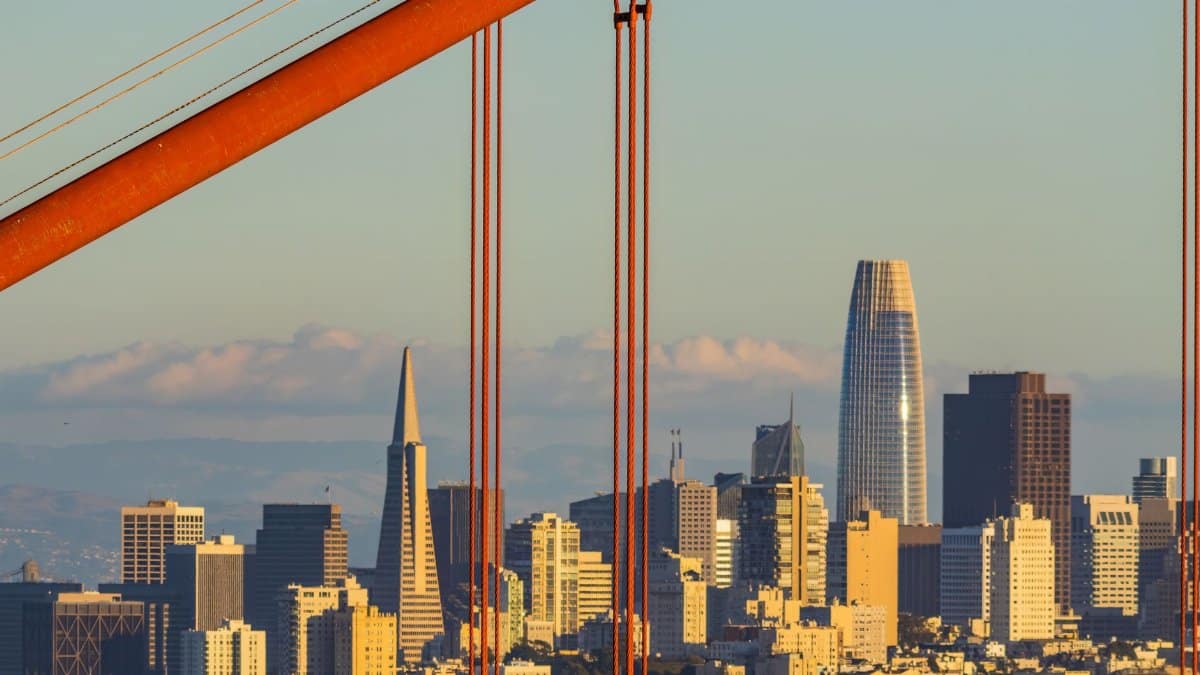
Dallas rates remain below those in Austin and Denver after the phased increases finish. Houston maintains lower base fees but enforces paid parking in fewer corridors. Planners reviewed these examples when drafting the current proposal, seeking a balance between revenue needs and regional competitiveness. The final structure reflects lessons from cities that raised rates too quickly and later scaled back.
Transit and Alternative Options
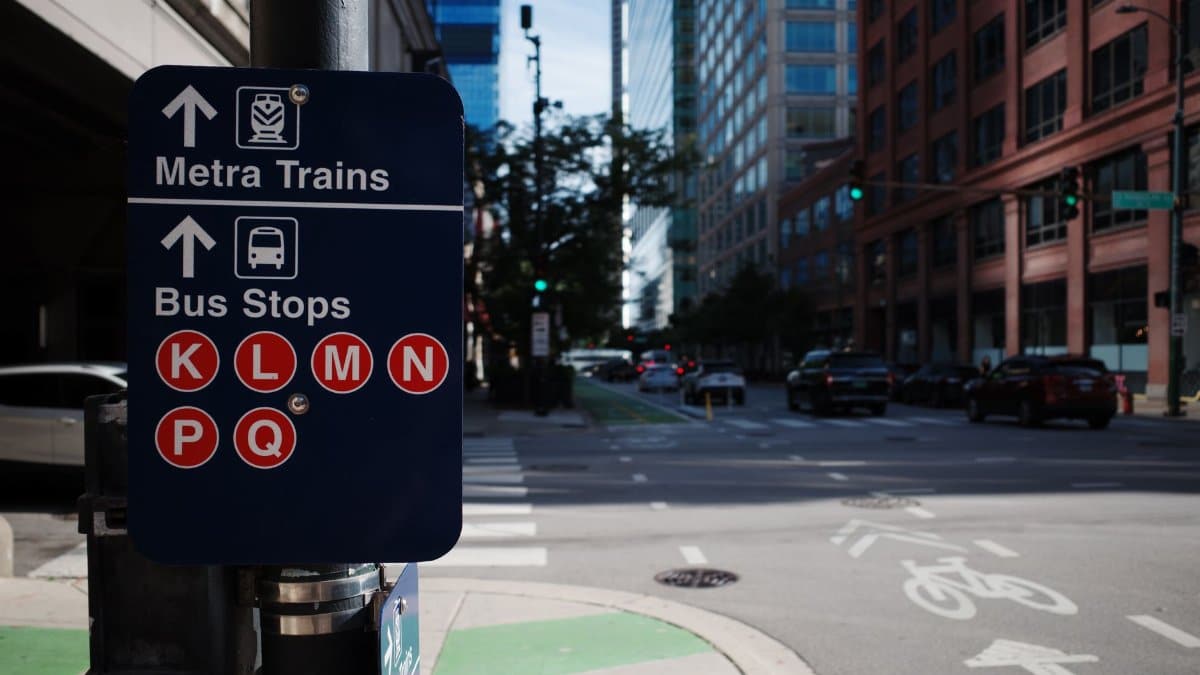
DART officials have coordinated with the parking changes by adding express bus service from key suburbs during peak hours. Bike share stations near high demand meter areas received expanded docks last month. City communications now include updated transit maps at every meter so drivers see options at a glance. Early ridership data shows modest upticks on routes serving downtown.
Long Term Outlook

Planners expect the new structure to reduce circling for spots and ease congestion during evening events. Future reviews could adjust rates further if occupancy data shows persistent shortages or surpluses. The goal remains steady management of curb space rather than aggressive growth in revenue. Regular public updates will continue as each phase rolls out.