

In the rolling hills north of the Twin Cities a small group of enthusiasts cleared land and laid out nine holes in 1893. Their effort marked the quiet start of Golf History MN a story that stretches from those first rudimentary fairways to the polished courses of today. Over the decades the game moved beyond private clubs to become part of everyday life in towns and cities across the state reflecting shifts in leisure transportation and community values.
Beginnings Among Scottish Settlers
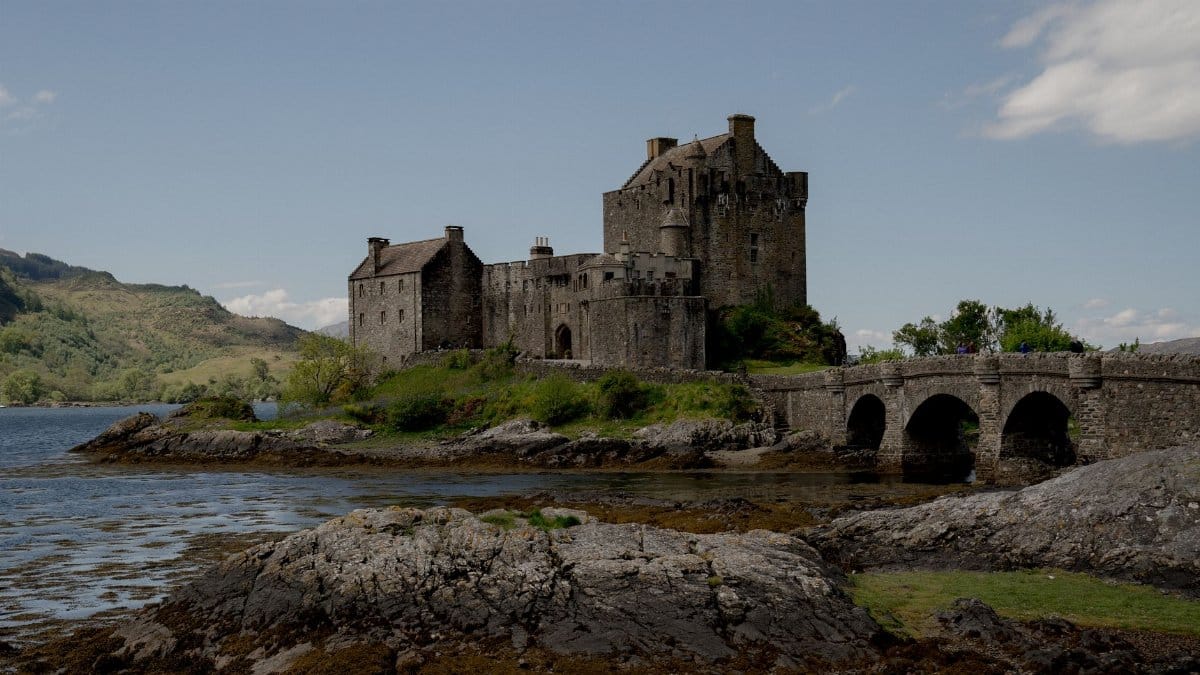
Scottish immigrants brought the sport with them in the late nineteenth century. They found the open meadows around Minneapolis and Saint Paul suitable for their favorite pastime. Early players used wooden clubs and gutta percha balls often sharing equipment because few stores carried supplies. These gatherings remained informal yet they planted the idea that golf could thrive far from its coastal origins.
Expansion Through Streetcar Lines
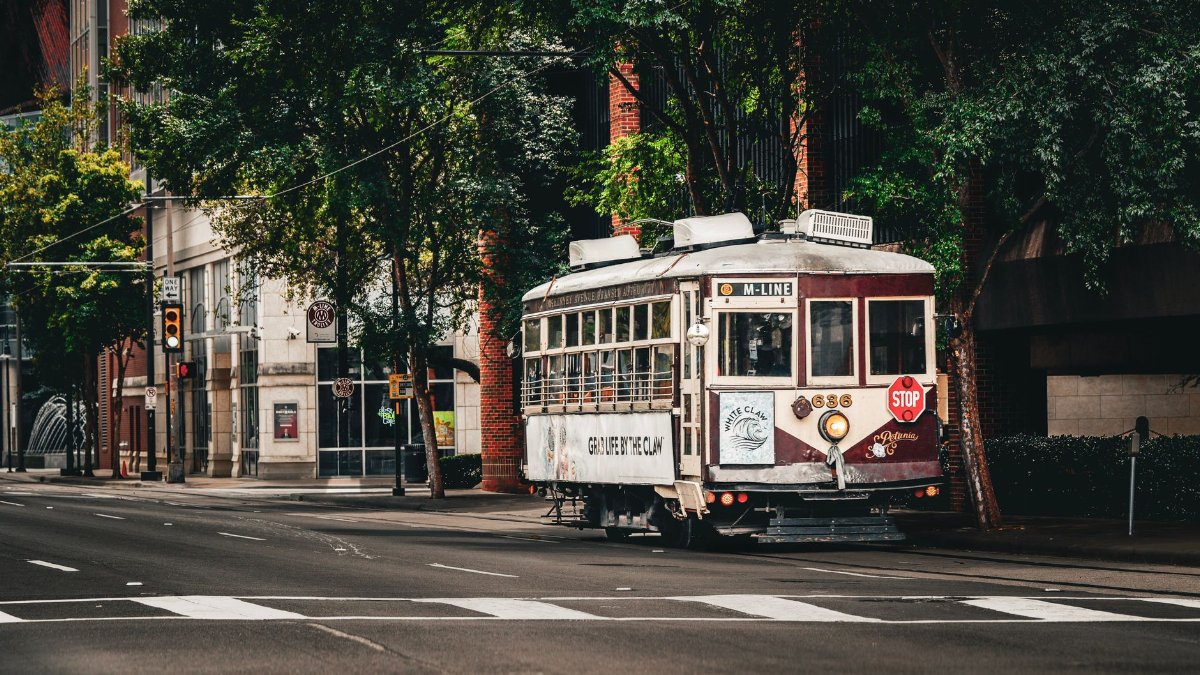
By the early twentieth century streetcar routes allowed more residents to reach new courses. Developers placed layouts near the end of lines so families could ride out for an afternoon. This pattern helped spread interest beyond wealthy neighborhoods and turned golf into a weekend ritual for clerks factory workers and teachers.
Public Courses and the New Deal Era

During the nineteen thirties federal work programs supported the building of several municipal courses. These projects gave jobs to out of work laborers while creating lasting public assets. The new layouts welcomed players who could not afford private memberships and they remain in use today.
World War Two and Rationed Play

Wartime shortages limited travel and equipment yet courses stayed open for morale. Local tournaments raised funds for bond drives and players donated rubber from old grips for the war effort. After victory returning service members helped swell membership rolls and pushed demand for more holes.
Suburban Growth and Championship Events

Postwar housing developments often included a course as an amenity. Interlachen and Minikahda hosted national championships that drew large crowds and national press coverage. These events showcased Minnesota talent and encouraged juniors to take up the game.
Women and Junior Programs

Women formed their own associations in the nineteen twenties and later pressed for equal tee times at public facilities. Junior clinics sponsored by park departments introduced thousands of schoolchildren to the sport each summer. Both movements broadened participation and changed the culture around clubhouses.
Environmental Shifts on the Fairways
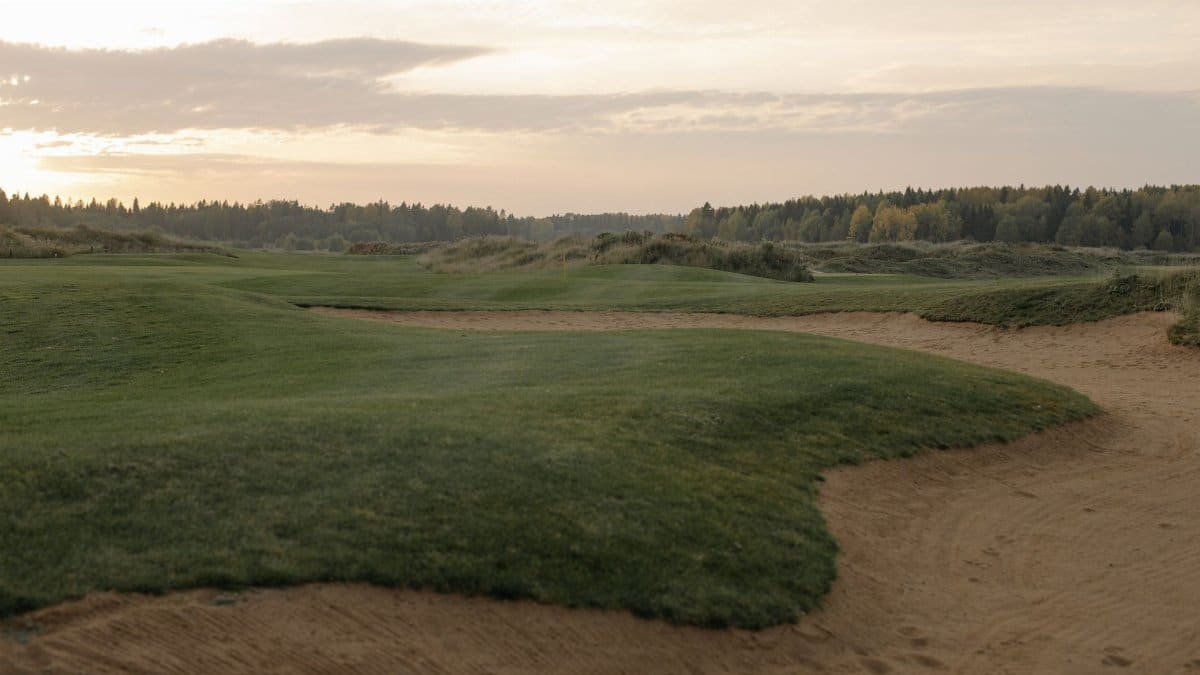
By the late twentieth century managers began to reduce chemical use and plant native grasses. Some courses restored wetlands that had been filled decades earlier. These changes responded to new regulations and growing public interest in land stewardship.
Technology and the Modern Golfer

Global positioning devices and launch monitors arrived in the last twenty years altering practice routines. Players now study swing data on phones while older members recall when yardage came from handwritten notes. The tools improved scores yet many still value the simple walk outdoors.
Preservation of Historic Layouts

Volunteers and historians work to protect early designs from aggressive remodeling. Original bunkers and greens contours tell stories about how the game was once played. Keeping those features intact connects current visitors to the people who swung clubs more than a century ago.