
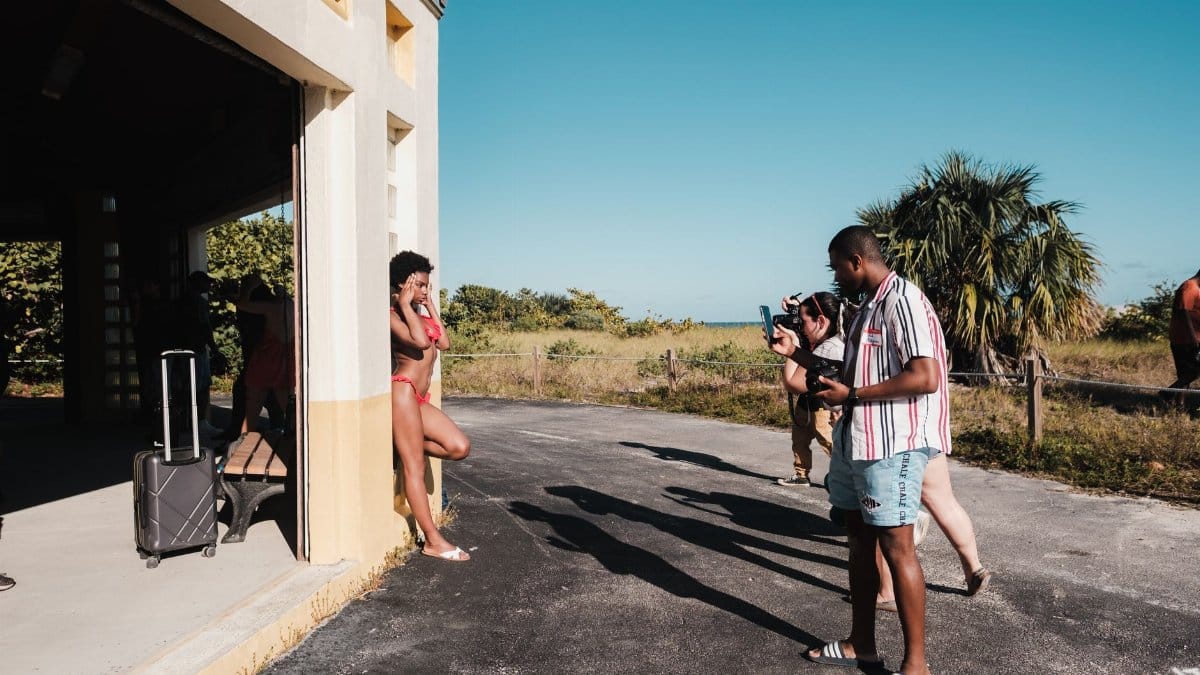
The arrival of a prominent Cuban artist in South Florida this summer offered a vivid reminder of how creative voices can bridge divides even after years of hardship. On a humid July evening crowds gathered near Little Havana to greet Luis Manuel Otero Alcantara as he stepped onto new soil following his release to exile. The moment carried special weight for many who had followed his work from afar. In this setting Otero Alcántara Miami became more than a simple location reference. It stood for a place where art and personal freedom could find fresh expression.
Community Response in Little Havana
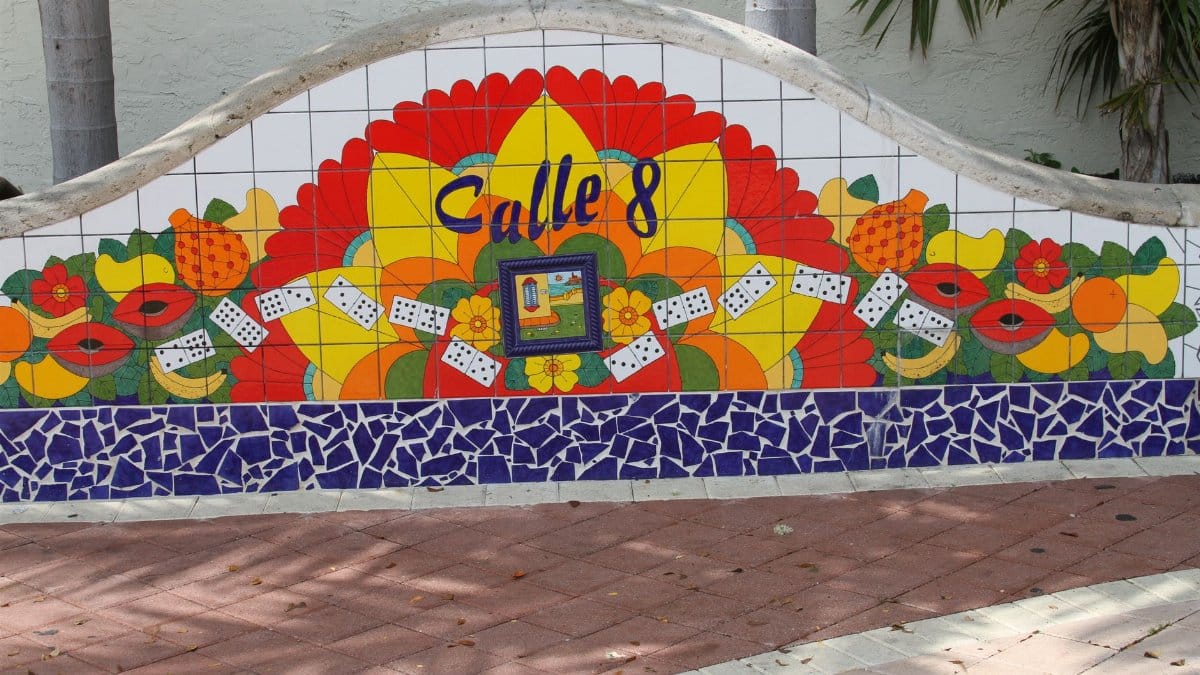
Residents who left Cuba years ago lined the streets with handmade signs and flowers. They saw the artist arrival as a chance to celebrate survival and renewed possibility. Local galleries quickly arranged small exhibits of his earlier pieces sent ahead by supporters. Conversations flowed late into the night about what his presence might mean for upcoming cultural events across the city.
Background of Artistic Resistance

Luis Manuel Otero Alcantara built a reputation through performances that questioned authority and highlighted daily struggles in Havana. His projects often drew international notice because they blended everyday objects with pointed social commentary. Supporters describe his approach as one that turns ordinary spaces into sites of dialogue. This history traveled with him and shaped how Miami audiences first encountered his story.
Arrival Date and Immediate Aftermath

The artist reached the United States on July 19 2026. Within hours friends and fellow creators organized a modest welcome at a community center. No large stage was needed. Instead people shared food and stories while a few musicians played soft melodies in the background. The gathering remained intimate yet it signaled broader networks ready to assist with housing and professional connections.
Role of Cuban Exiles in Cultural Life
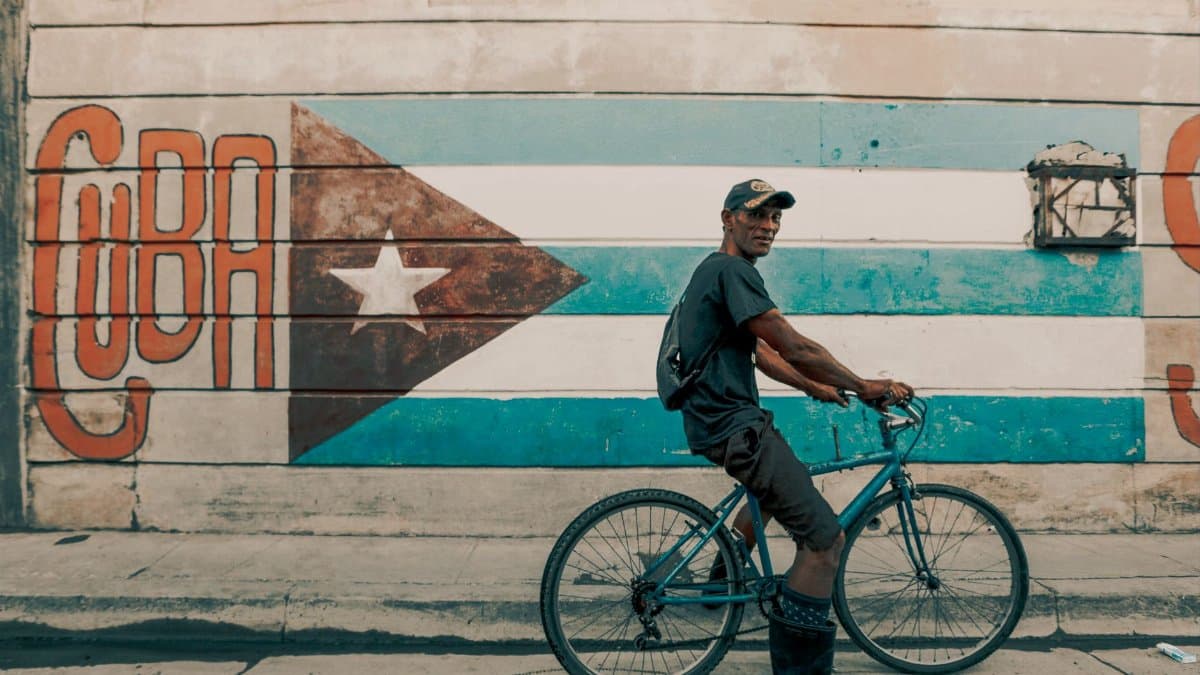
Many who arrived in earlier waves now run businesses and teach at local universities. They view support for new arrivals as part of a longer tradition of preserving heritage while adapting to change. Volunteers offered translation help and introductions to potential patrons. Their efforts created a practical foundation for the artist to resume work without immediate financial pressure.
Spiritual Dimensions of Creative Freedom

Observers noted that the artists work often touches on themes of endurance and inner strength. In conversations after his arrival he spoke about how time in confinement deepened his appreciation for simple acts of creation. Those reflections resonated with audiences seeking meaning beyond political headlines. Several local faith based groups invited him to discuss art as a form of quiet testimony.
Future Projects and Local Collaborations
Plans are already forming for joint installations that pair Otero Alcantara Miami experiences with works by younger creators born in Florida. One proposed site involves a public park where community members can add their own contributions over time. Organizers hope the project will encourage ongoing exchange rather than a single event. Early sketches suggest an emphasis on movable elements that invite participation.
Challenges of Adjusting to a New City
Even with warm welcomes practical hurdles remain. Language differences and unfamiliar systems can slow progress on studio space. The artist has expressed gratitude for assistance yet he also values periods of solitude to process recent events. Supporters are mindful of these needs and have arranged quiet workspaces away from constant attention.
Broader Impact on Artistic Discourse

The presence of such a figure invites renewed discussion about how exile shapes creative output. Universities in the area have scheduled panel talks that place his career alongside other international cases. These events aim to reach students and longtime residents alike. By focusing on shared human questions rather than narrow politics the conversations stay open to wider participation.