

As the new school year unfolds in Chicago classrooms filled with returning students and anxious families the financial outlook for public education continues to spark debate across the city. Officials have yet to finalize key allocations leaving many to wonder how resources will stretch through the months ahead. The CPS budget sits at the center of these discussions with its implications reaching far beyond administrative offices into everyday learning environments.
Financial Pressures Facing Urban School Systems

Chicago Public Schools must navigate rising costs for teacher salaries transportation and building maintenance all while enrollment patterns shift in unexpected ways. City leaders point to stagnant state contributions as a primary concern that limits flexibility when unexpected expenses arise. Families notice the effects through larger class sizes and fewer enrichment programs that once enriched student experiences.
Impact on Classroom Resources and Daily Operations

Teachers report delays in receiving basic supplies such as textbooks and art materials that support creative lessons throughout the term. Support staff including librarians and counselors face uncertainty about contract renewals which affects morale and continuity for children who rely on stable relationships. These operational hurdles compound when funding formulas fail to account for inflation in essential services.
Perspectives from Parents and Community Advocates
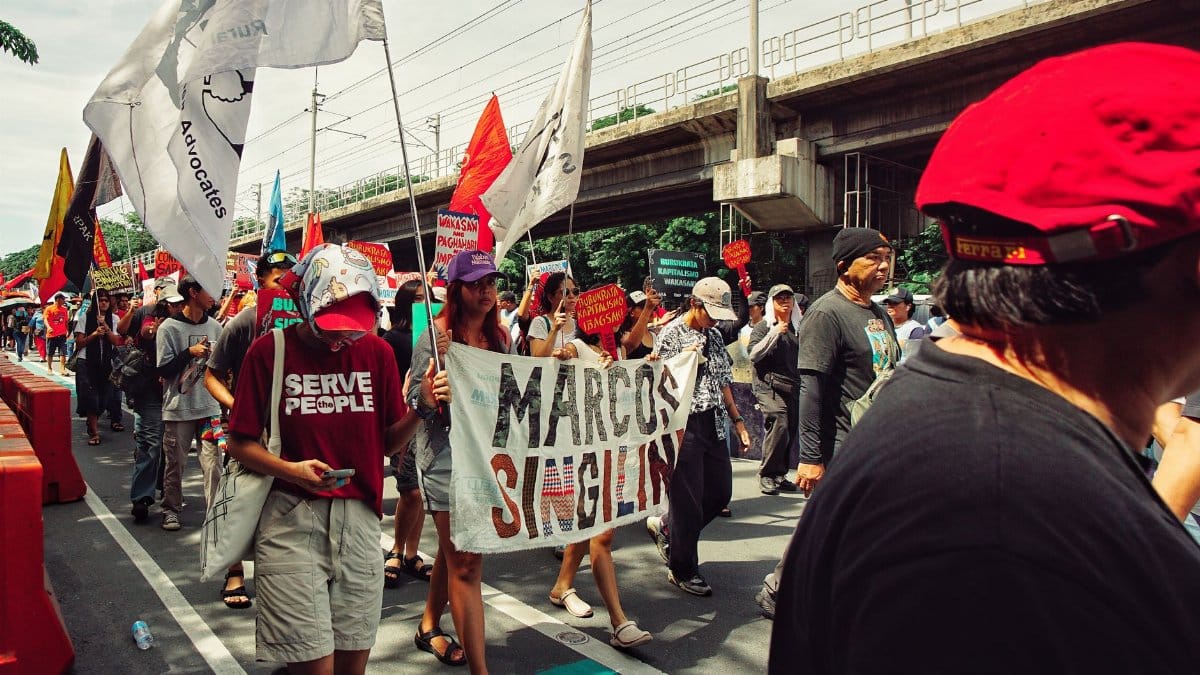
Local parent groups have organized meetings to voice worries about potential reductions in after school activities that keep students engaged beyond regular hours. Advocates emphasize the need for transparent communication from district administrators so communities can plan accordingly. Many households juggle work schedules around school calendars and any disruption creates ripple effects at home.
State Level Influences on Local Education Funding

Illinois lawmakers continue to debate formulas that determine how resources flow to districts like Chicago Public Schools. Historical underfunding in certain areas has left lasting gaps that current proposals aim to address over several years. Observers note that political priorities often shift with election cycles complicating long term planning efforts.
Teacher Retention Challenges Amid Fiscal Uncertainty

Educators with years of experience consider positions in neighboring districts where pay scales appear more predictable and benefits more secure. Newer teachers encounter hurdles when seeking mentorship programs that require dedicated funding streams. Retention issues ultimately influence classroom quality as experienced instructors bring valuable insights into student development.
Potential Adjustments During the Academic Year

District officials have signaled they may revisit spending plans midstream if revenue projections fall short of expectations. Such revisions could affect extracurricular offerings and professional development opportunities for staff members. Careful monitoring of enrollment and attendance data helps inform these choices while aiming to minimize disruptions.
Comparisons with Neighboring Districts

Other urban areas in the Midwest manage similar enrollment declines yet maintain steadier support through diversified revenue sources. Chicago Public Schools leaders study these models for adaptable strategies that fit local conditions. Differences in property tax bases and state aid packages highlight why uniform solutions remain elusive across regions.
Long Term Planning for Sustainable Education Support

Stakeholders advocate for multi year budgeting approaches that build reserves against economic downturns and unexpected events. Community input sessions gather ideas on prioritizing investments in technology and facility upgrades. These forward looking efforts seek to balance immediate needs with goals that strengthen the overall system over time.
Role of Advocacy Groups in Shaping Outcomes

Organizations focused on equity push for allocations that address disparities among schools in different neighborhoods. They track proposals closely and mobilize residents to attend public hearings where decisions take shape. Their involvement ensures that voices from underserved areas remain part of the conversation.