
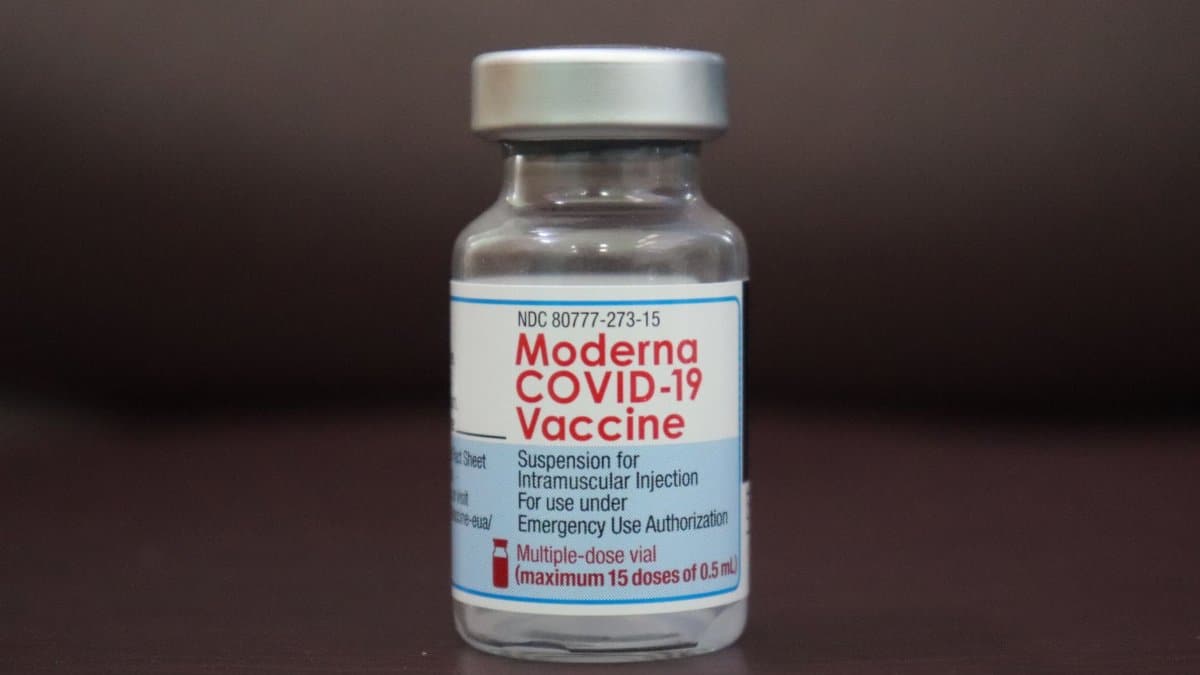
In pediatric offices from Seattle to Savannah, the fall immunization season has arrived with an unusual quiet. Nurses check freezers that should already hold new vials. Schedulers keep appointment slots open and then cancel them. In staff meetings a plain phrase keeps returning: COVID vaccines children. Parents who expected a short conversation and a shot are instead told that doses for many publicly insured patients have not arrived. The holdup is not a single clinic’s mistake. It traces to federal indecision over how the Vaccines for Children program will supply this season’s product, a bottleneck that reaches a very large share of American kids.
A public program that covers an enormous share of childhood care
The Vaccines for Children program, run through the Centers for Disease Control and Prevention, has for decades bought routine immunizations for children who are Medicaid eligible, uninsured, underinsured, or American Indian or Alaska Native. Agency materials describe it as the channel through which about half of children in the United States receive vaccines. That scale is why a purchasing pause is not a niche administrative story. When the federal supply line stalls, neighborhood clinics, rural health departments, and large pediatric groups all feel it at once.
Private stock can still sit in some offices for families with commercial coverage. The children who depend on the public channel wait. For COVID vaccines children in that public channel, the wait has stretched past the point when many practices hoped to pair a COVID dose with flu vaccine and a school physical.
What the exam room sounds like this month
Clinicians describe a familiar script that no longer fits. A parent asks whether the updated shot is recommended. The clinician says yes for many children, especially those with asthma, diabetes, or other conditions that raise the risk of severe illness. Then comes the harder sentence: the office cannot yet order the publicly funded product. Some families are offered a private pay option they cannot afford. Others are told to call back. A few leave believing the vaccine has been withdrawn, which is not what the delay means.
That gap between medical advice and available product is where frustration grows. Pediatricians are trained to explain risk in plain language. They are less practiced at explaining federal contracting calendars. Parents hear hesitation and fill it with their own theories.
How doses actually move from factory to arm

Childhood vaccines do not appear in a clinic because a doctor wishes them there. After regulators authorize or approve a product, expert advisers weigh who should receive it. Federal purchasers then negotiate price, packaging, and distribution for the public program. State immunization programs allocate doses. Only then can a clinic place an order and schedule a nurse visit.
Any pause in that chain shows up as empty shelves. This season the pause has centered on whether, when, and under what terms COVID shots will be included in the public pediatric supply. Private market distribution can move on a different clock. The result is a split system: some children can be vaccinated this week, and others who live on the same block cannot.
Why timing matters more than a slogan

Respiratory virus season does not wait for paperwork. COVID continues to send some children to emergency departments, particularly infants and those with underlying illness, even though most pediatric infections are mild. Flu and RSV compete for the same hospital beds. Public health officials have long argued that offering COVID vaccine alongside other fall shots raises the chance a child is protected before household transmission picks up.
A delayed start does not erase benefit for a child who is vaccinated later. It does shrink the window in which clinics can reach families who visit only once or twice a year. School based events, weekend clinics, and reminder calls all depend on having product in hand. Without vials, outreach is just a flyer.
The children most exposed to the gap
Medicaid covers a large portion of births and early childhood care in this country. Children in that program are also more likely to live in households with less paid leave, less reliable transportation, and fewer options if the first appointment fails. A delay that looks like a few weeks on a federal calendar can become a missed season for a family that cannot return easily.
Rural counties add distance. A parent who drove ninety minutes for a well child visit will not always make a second trip when the shipment finally clears. Urban clinics face a different squeeze: high volume, thin staffing, and refrigerators that must be reserved for vaccines already on the schedule. In both settings, COVID vaccines children who rely on public supply are the ones asked to wait while better insured peers move ahead.
What clinicians can say without overpromising

Professional groups, including the American Academy of Pediatrics, have continued to publish guidance on COVID vaccination in childhood even as product access shifts. That guidance is not the same thing as a vial in the refrigerator. Honest clinicians are drawing a bright line between recommendation and availability. They tell families the medical view, the insurance view, and the ordering view as three separate facts.
They are also documenting missed opportunities. When a child leaves unvaccinated because stock never arrived, that is not parental refusal. Coding it as refusal would distort the record and blame the wrong person. State programs have asked clinics to track deferred visits so that, when supply opens, recall lists are ready.
Insurance paperwork is not a substitute for public supply

Some parents assume a commercial plan will simply pay if the public channel is slow. Often it will, for children covered by that plan. Many others sit in a middle ground: a high deductible policy that does not treat the shot as fully covered in every setting, a clinic that is not in network for vaccine administration, or a pharmacy that will not vaccinate younger children at all. Pharmacies have expanded their role for adolescents, yet age rules, standing orders, and parental consent still vary by state.
The public program exists precisely because the private market does not reliably reach every child. Treating a federal delay as a problem families can shop around is a misunderstanding of why the program was built. The CDC description of Vaccines for Children remains the clearest public account of who qualifies and how providers enroll: https://www.cdc.gov/vaccines-for-children/about/index.html.
Trust is thinner than it was five years ago

Any stumble in COVID vaccine delivery now lands on ground already worn by changing recommendations, politicized headlines, and genuine scientific updates that were hard to follow in real time. Parents who were eager in 2021 and skeptical by 2023 are not a single type. Some want the newest shot for a child with a complex medical history. Some want a clinician to say the risk is low enough to skip it. Some want the government to stop changing its mind in public.
A supply delay feeds all three reactions. Eagerness cools when the appointment is postponed twice. Skepticism hardens when officials sound uncertain. Fatigue sets in when every season seems to require a new decoding of federal language. Repairing that trust is not a messaging campaign. It is keeping the product, the advice, and the appointment on the same week.
What state health departments are watching

Immunization managers in state health agencies sit between federal purchasers and local clinics. They cannot invent doses. They can warn providers, stage ordering portals, and prepare allocation formulas so that the first shipment does not vanish into the largest health systems. Several have told clinics to expect a compressed season: a burst of demand once product is released, followed by the usual drop after the holidays.
They are also watching equity reports. If early doses flow only to practices that already hold private stock, the public program’s promise fails in practice even after it resumes on paper. Fair allocation means reserving initial shipments for sites that serve Medicaid heavy panels, not only for sites with the fastest online ordering habits.
Questions families can ask without needing a policy degree

Parents do not need to master procurement law to protect a child. A few direct questions cut through the fog. Does this office expect publicly funded COVID vaccine, and is there a realistic week rather than a vague soon? If the child has private insurance, can the shot be given here or only at another site? If the child has a high risk condition, is there a bridge option while the public order is pending? Should flu vaccine proceed now so that one protection is not lost while another waits?
Those questions also help clinicians. A parent who asks about timing is easier to call back than a parent who leaves angry and unreachable. For COVID vaccines children in mixed insurance households, writing down which sibling qualifies for which stock prevents a second wasted visit.
The cost of treating process as invisible
Americans often meet the health system only at the moment of care. The purchasing machinery stays invisible until it breaks. This delay makes that machinery visible, and the view is not flattering. A country that asks pediatricians to carry the burden of vaccine confidence cannot leave them without the doses that confidence is supposed to deliver.
There is no drama in a late contract or an unresolved coverage decision. There is consequence. Children who would have been vaccinated in October may not be vaccinated in January. Some will pass through infection without trouble. Some will not. A system that already knows how to buy measles and polio vaccine for half the nation’s children should not treat COVID supply as an annual surprise.
What a narrower path forward would require

The immediate need is a clear federal decision on public program supply, communicated in dates clinics can plan around. After that, states need enough lead time to train staff on storage, coding, and consent for whatever age groups are included. Clinics need a recall plan for families turned away. Insurers need benefit language that does not contradict the public recommendation. None of that is glamorous. All of it is how a vaccine becomes a vaccination.
Longer term, Congress and health agencies will have to decide whether COVID shots for children belong in the same predictable purchasing rhythm as other pediatric vaccines, or whether each season will reopen the same argument. Predictability is itself a public health tool. Families plan around school calendars and work shifts. They cannot plan around indecision.
Until that rhythm is settled, the fairest local response is honesty. Say what is recommended. Say what is in the freezer. Say who is waiting, and why. The phrase COVID vaccines children should describe a completed visit, not a meeting agenda that never quite ends.