
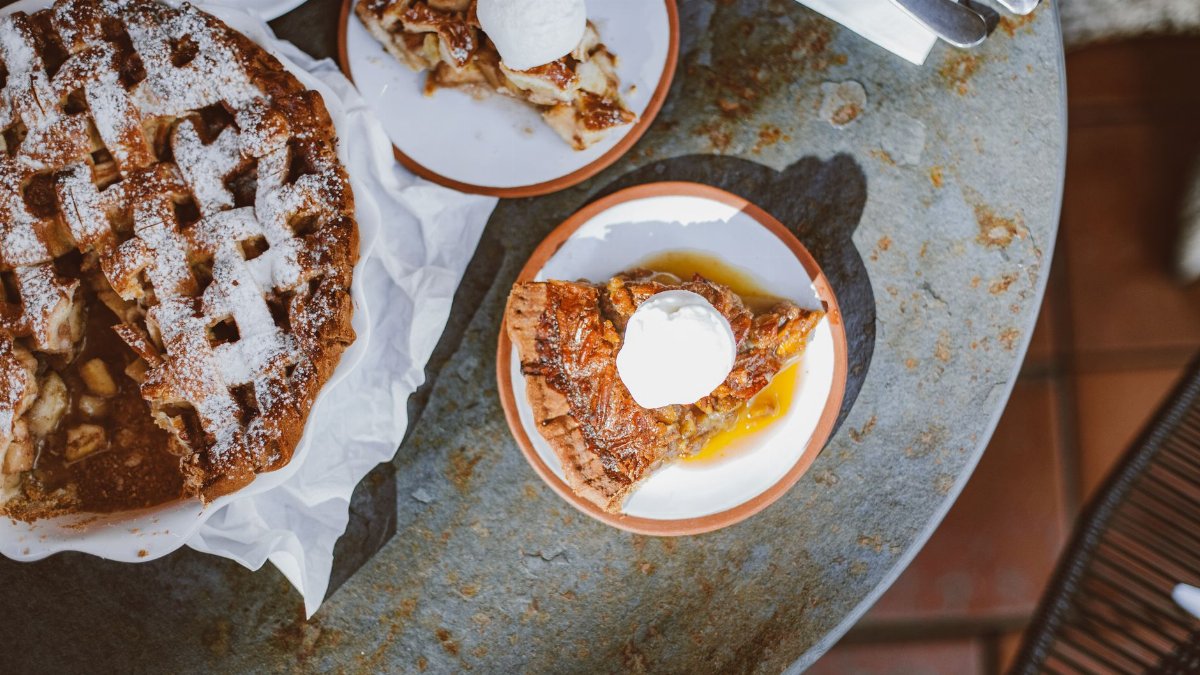
The line at a warehouse food court has its own weather. People shift their trays, glance at the pizza window, and calculate whether a small dessert is worth the extra minute. This season that calculation has a new answer. Costco apple pie sundae fall arrives as a vanilla soft serve cup finished with pieces of apple pie, listed at two dollars and ninety nine cents, while the churro makes a limited return beside it. The pairing is modest, sweet, and timed for the months when grocery carts already smell faintly of cinnamon.
A sundae built from what the warehouse already knows
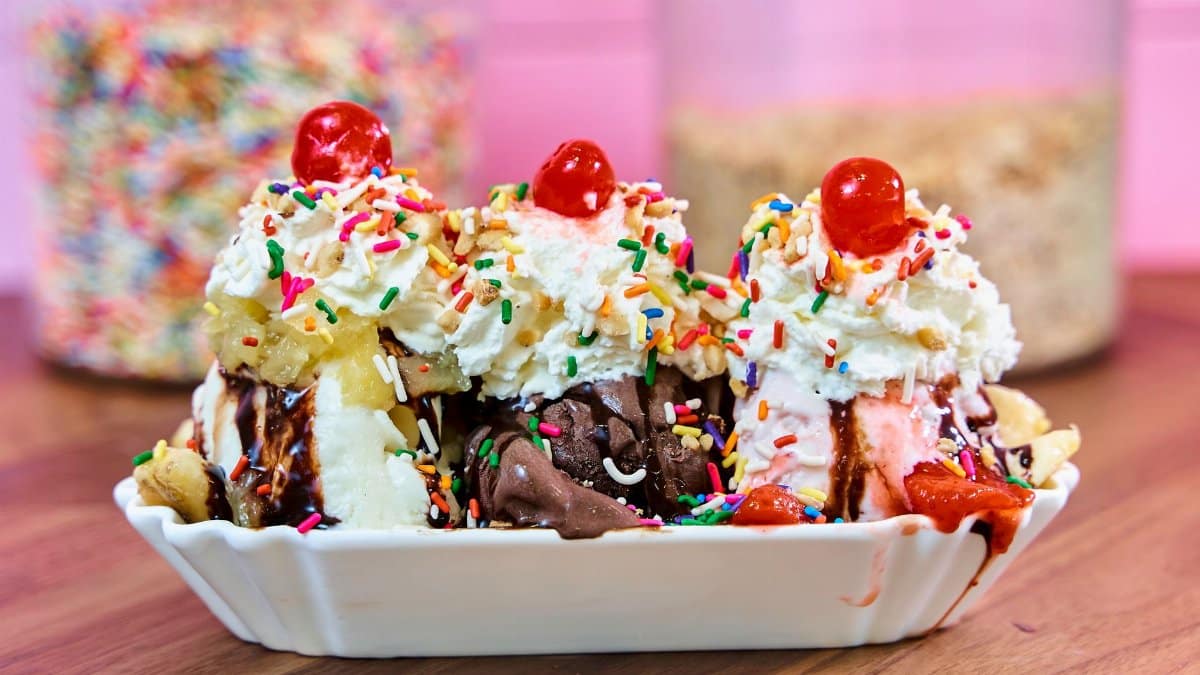
Costco did not invent apple pie, and it did not invent soft serve. What it did was place two familiar pleasures in a paper cup and put a price on them that feels almost antique. Members who have watched the food court menu shrink and swell over the years recognize the pattern. A seasonal item appears, word travels through group chats and parking lot conversations, and suddenly a dessert that would be unremarkable at a diner becomes a reason to linger after the receipt is printed.
The sundae is vanilla soft serve with apple pie mixed through or scattered on top, depending on the location and the hand of the person working the machine. That small variation is part of the charm. One cup may taste mostly of cold vanilla with a few warm spice notes. Another may carry larger bites of crust and filling. Neither version pretends to be a bakery dessert. It is a food court dessert, which is a different and honest category.
Why two dollars and ninety nine cents still stops people
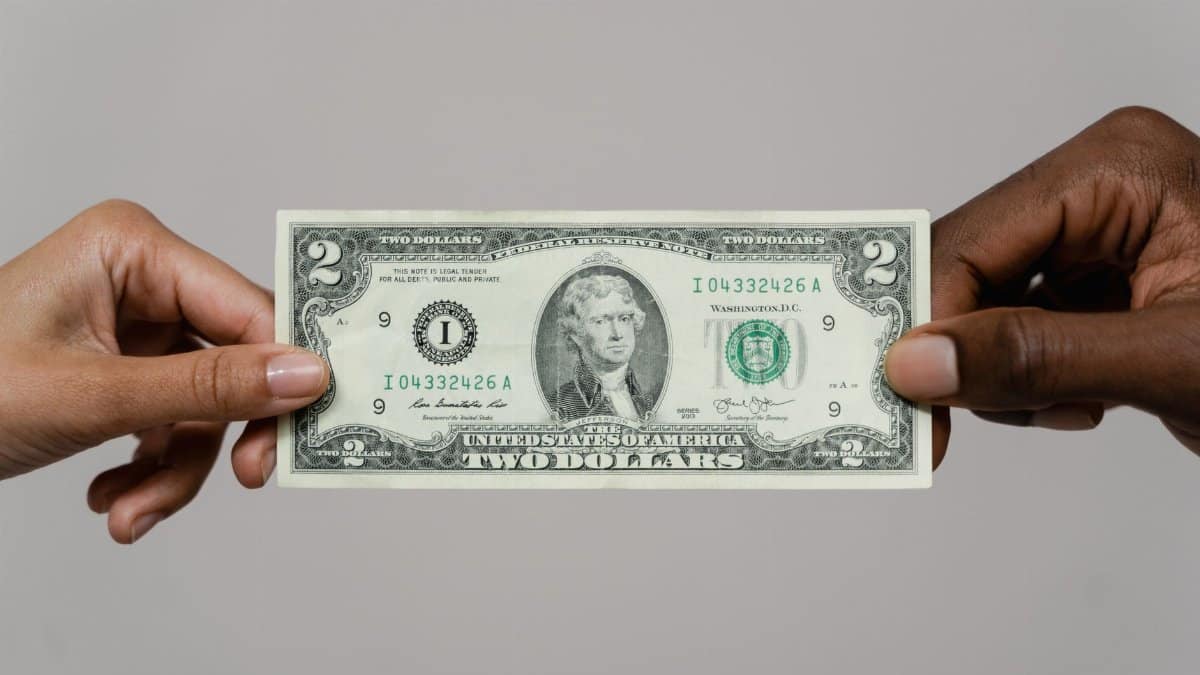
Price is the quiet protagonist of almost every Costco story. A hot dog and a soda have lived for years at a figure that members treat as civic infrastructure. A sundae at two dollars and ninety nine cents sits in that same moral universe. It is not free, and it is not a luxury. It is cheap enough to feel like a reward and expensive enough to register as a choice.
In a year when restaurant checks keep climbing, a dessert under three dollars reads as a small act of resistance, even if the company never frames it that way. Shoppers do the math without a spreadsheet. They have already paid a membership fee. They have already filled a cart with olive oil, paper towels, and a rotisserie chicken. The sundae is the last line item that does not require justification at home.
The churro comes back for a short visit
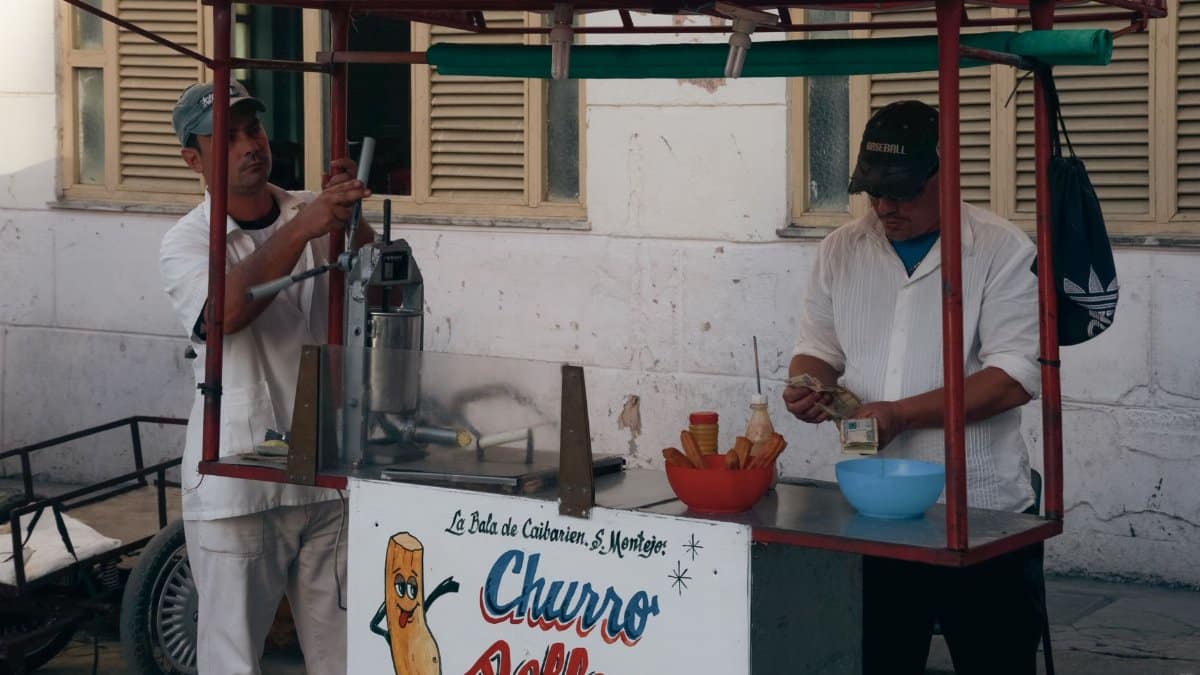
Alongside the sundae, the churro has returned for a limited run. Members who remember its earlier appearances treat the news like a reunion. A churro is fried dough, sugar, and cinnamon, which is to say it is a universal language. At a warehouse it also functions as proof that the food court still knows how to surprise people who thought they had memorized the menu.
Limited items do a particular kind of work. They create urgency without a billboard. If the churro might vanish again, the rational move is to try it on this visit rather than the next one. Retailers have used that logic for generations. Costco applies it with unusual restraint, which is why the restraint works. When nearly everything in the building is designed to feel permanent, a temporary pastry feels like an event.
Fall as a flavor and a feeling
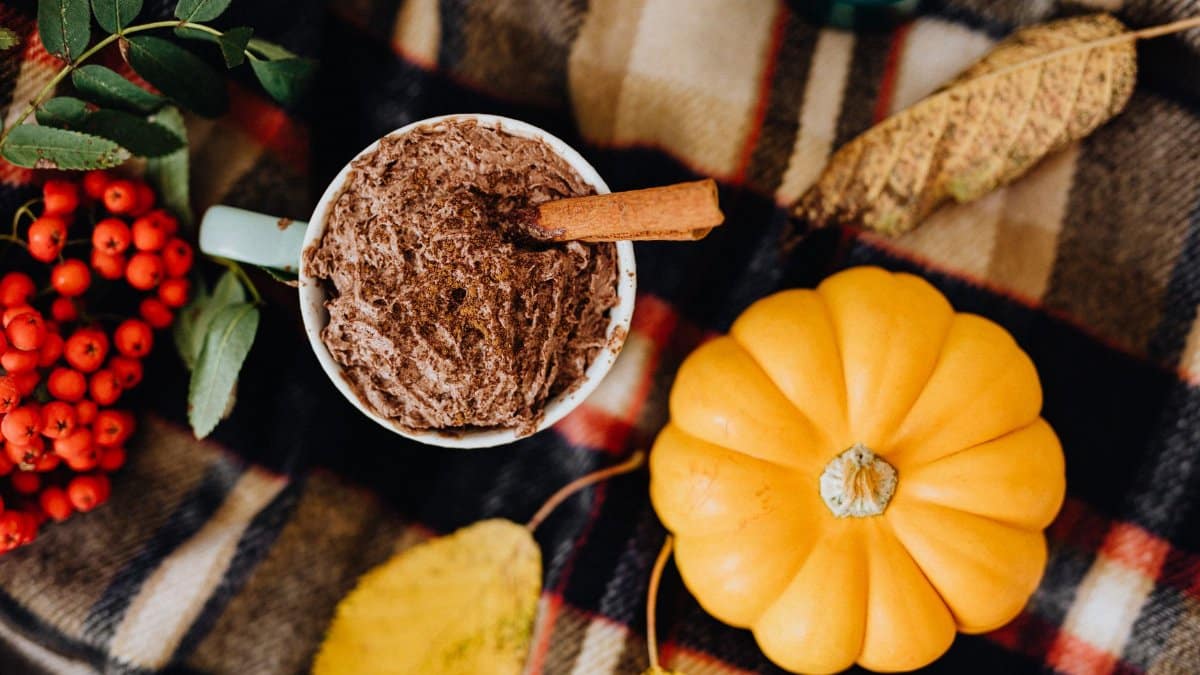
Apple pie is the season written in sugar. It shows up at school fundraisers, at Thanksgiving tables, and in the memory of kitchens that may no longer exist. Putting that flavor into a sundae does not require a manifesto. It asks only that people recognize the cue. Cinnamon, cooked apple, a little crust: those notes say autumn even under fluorescent lights, even in a city where the trees have not yet turned.
There is a spiritual thread here, if one is willing to use the word lightly. Seasonal food is one of the last shared calendars that does not arrive through a screen. People still mark time by what they eat. Pumpkin appears, then peppermint, then the long stretch of ordinary flavors. A warehouse sundae will not replace a family pie. It can still participate in the same ritual of noticing that the year has moved.
How word of the treat actually spreads
Costco apple pie sundae fall did not need a national advertising campaign to become a topic. Members photograph the menu board. Local reporters taste the cup and describe the ratio of pie to ice cream. Social feeds fill with close ups that are either appetizing or slightly chaotic, which is the correct range for food court photography. The company benefits from a kind of publicity it does not fully control and does not fully need.
That informal network is unusually powerful because the audience is already inside the building. A person reading about a sundae at home may or may not drive across town. A person standing ten feet from the soft serve machine is a much easier convert. The article, the post, and the rumor mostly serve to name a desire that the freezer case has already placed within reach.
The food court as a membership argument
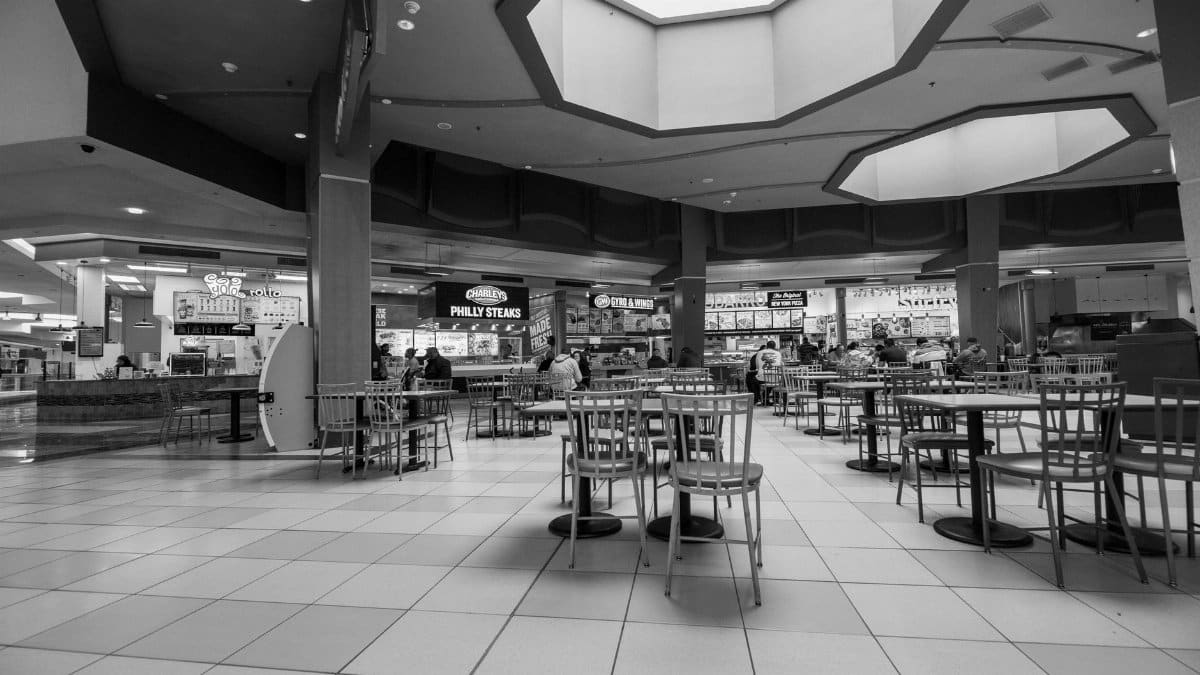
Analysts like to discuss renewal rates, private label loyalty, and the psychology of the treasure hunt. Members talk about the hot dog. The food court is not the reason most people join, but it is often the reason a Saturday feels complete. It turns a bulk shopping trip into something closer to an outing. Children negotiate for pizza. Adults pretend they are only there for the samples and then order a sundae anyway.
A seasonal item strengthens that argument without changing the business model. The membership still buys access to low prices on ordinary goods. The sundae is a flourish. Flourishes matter because they are what people retell. Nobody describes the unit price of laundry detergent at dinner. They do describe the cup of vanilla and apple pie they ate in the car before the ice cream softened.
What the cup tastes like when you slow down

Taken seriously for a moment, the sundae is a study in temperature and texture. Soft serve is cold and smooth. Apple pie pieces are softer, sometimes slightly warm if they came from a fresh batch, and occasionally firm at the edges where the crust held together. The sweetness is direct. There is no bitter note, no salt forward crust, no restaurant ambition. It tastes like the idea of pie translated into the grammar of a concession stand.
That translation will disappoint anyone seeking a slice from a celebrated bakery. It will satisfy anyone who wanted a cold, spiced, inexpensive end to an errand. Judging it by the wrong standard is how food writing sometimes misses the point. The correct question is not whether this could win a county fair. The correct question is whether it makes the next ten minutes better. For a great many members, the answer is yes.
Nutrition, portion, and the small indulgence

A sundae is not a health food, and pretending otherwise would insult the reader. Soft serve carries sugar and fat. Pie adds more of both, plus the pleasure of fruit that has been cooked with spice. The portion, served in a modest cup, is smaller than many restaurant desserts and larger than a single spoonful of guilt. People who track what they eat can fit it into a day or skip it. People who do not track can simply enjoy it and move on.
The more interesting nutritional fact is cultural. Americans have spent years hearing that indulgence should be either virtuous or extreme. A two dollar cup refuses both sermons. It is not a protein bowl dressed up as dessert. It is not a towering shareable meant for a photograph. It is a personal sweet, finished before the shopping cart is unloaded. That scale has its own wisdom.
Regional menus and the myth of one Costco
Not every warehouse tastes the same. Food court offerings have varied by region for years, with some items beloved in one state and unknown in another. The sundae and the returning churro are being reported as seasonal additions, but members still compare notes across cities, because availability is never quite as uniform as a headline implies. A treat that sells out by midafternoon in one building may sit quietly in another.
That unevenness feeds the lore. People plan routes around warehouses the way earlier generations planned routes around bakeries. They ask whether the new cup has reached their location yet. Costco apple pie sundae fall becomes, in those conversations, less a product name than a seasonal coordinate: have you seen it, is it any good, should I go this week. Commerce and pilgrimage are not the same thing, but they sometimes share a parking lot.
What seasonal menus reveal about a giant retailer
A company of this scale is often described as relentless, efficient, and slightly impersonal. Seasonal desserts complicate that portrait. They show a merchandising team willing to tinker at the margins, to borrow from bakery cases and fairgrounds, to trust that members will notice. The tinkering is low risk. If the sundae delights people, it can return next autumn. If it does not, it can disappear without a press release. The experiment is cheap. The attention is not.
There is also a lesson about restraint. Costco apple pie sundae fall is not accompanied by a dozen new entrees, a redesigned cup, and a loyalty challenge. It is one addition, plus a familiar fried pastry on a short leash. In an industry addicted to launches, a narrow menu change can feel almost elegant. Elegance is a strange word for a warehouse, yet the editing is real.
The longer memory of cheap sweets
Every generation has a cheap sweet that later becomes a landmark. Soda fountain floats, mall cinnamon rolls, drive through cones, warehouse hot dogs. The memory is rarely about culinary perfection. It is about who was there, what the afternoon cost, and how ordinary the pleasure felt at the time. Years from now, some parent will mention a vanilla cup with pie in it and a child will not quite believe the price.
That future nostalgia is not a marketing plan. It is a side effect of repetition. If the sundae returns each fall, it will join the short list of flavors that mean the warehouse in autumn. If it remains a one season guest, it will join the longer list of things people swear they remember and cannot quite date. Either fate is respectable for a paper cup.
Standing in line with the season in a spoon
None of this requires reverence. A food court is a food court. The floors are practical, the napkins are thin, and someone nearby is always debating whether a whole pizza is a reasonable lunch for two. Within that ordinary frame, a seasonal sundae still does a small job well. It marks the months. It rewards the trip. It gives strangers a shared topic that is lighter than the news and sweeter than small talk about gas prices.
Costco apple pie sundae fall will not redefine American dessert. It does not need to. For a few dollars and a few minutes, it offers vanilla, apple, and the particular satisfaction of finding something new in a building designed for the familiar. The churro, back for a while, keeps it company. Outside, the carts rattle toward the parking lot. Inside, the line moves, and someone orders the cup before the season, and the menu, move on.