

By late Friday the breeze along Biscayne Bay had already lost some of its summer weight, and people waiting for buses near the stadium district noticed it before the apps did. Shirts dried faster. The evening did not cling. For a city that spends half the year negotiating with humidity, that small change is news. The Miami fall weekend forecast points to cooler, drier air settling in for Saturday and Sunday, with overnight lows in the low 70s and only limited rain, just as the Hurricanes and the Dolphins host home games.
A shift you feel before you check a screen

Miami does not get a New England autumn. Leaves do not turn on a schedule, and sweaters stay in closets for weeks after the calendar says fall. What residents get instead is a revision of the air. Summer here is a physical fact: afternoons that feel heavier than the temperature, nights that never quite reset the body, rain that arrives in sudden walls and then leaves the streets shining. When a drier air mass edges in from the north, the city registers it in ordinary places. A patio stays usable after dark. A walk from the parking garage to the gate does not feel like a punishment. Windows can stay open a little longer.
That is the practical meaning of the weekend ahead. Cooler does not mean cold. Drier does not mean desert. It means the oppressive edge comes off, and outdoor plans stop requiring a backup strategy for every hour. For two home football crowds, that difference is not a footnote. It is the difference between enduring a Saturday and actually inhabiting it.
Saturday with the Hurricanes
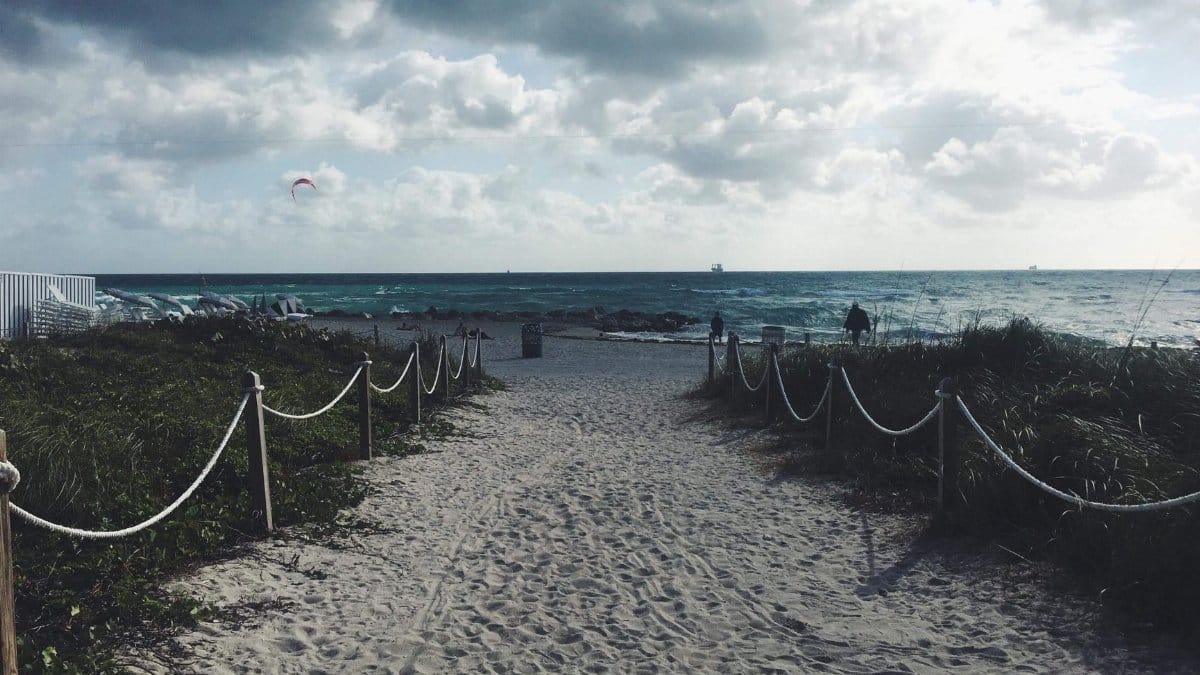
College game day in Coral Gables and around Hard Rock Stadium has its own weather logic. Students and alumni arrive early, tailgates sprawl across asphalt, and the day is long before the first whistle. Humidity is the hidden opponent. It slows the walk from the lot, wilts paper plates, and turns a festive afternoon into a test of patience. A drier pattern does not cancel the sun. It does make standing around more humane.
Limited rain matters just as much. A brief shower can be absorbed by a crowd that came prepared. A stalled line of storms can empty a lot, delay a kickoff, and send thousands of people into the same few covered spaces. The setup described for this weekend favors the first outcome over the second. Fans should still carry a light layer for the ride home, because the low 70s after dark can feel brisk once the sweat of the day is gone. They should not, on present indications, plan the whole day around a washout.
I walked a similar Saturday last fall and remember the odd relief of not calculating cloud bases between bites of food. That is a small civic pleasure, and Miami does not get enough of them in September and October to treat them as trivial.
Sunday with the Dolphins

Professional football Sundays run on a different clock. The crowd is larger, the arrival window is tighter, and many people are coming from church, from brunch, or from a morning on the water. A forecast with limited rain and milder nights supports that stacked day. It lets a family keep an outdoor table without watching the sky like a second scoreboard. It lets season ticket holders leave a rain jacket in the car rather than wearing it as armor from the highway exit.
None of this guarantees comfort in the stands once the sun is high. Concrete radiates. Upper decks catch wind that lower bowls do not. What changes is the baseline. When the air is less saturated, shade actually works. When overnight temperatures settle in the low 70s, the city starts Sunday less depleted than it does after a night stuck near 80 with no breeze. Players notice surface conditions. Spectators notice whether they can stay for the last series without bargaining with their own bodies.
What cooler and drier air is doing

The mechanism is familiar to anyone who has lived through a Florida September. A front or a push of high pressure from the continent shoves the deep tropical moisture aside, at least for a spell. Dew points fall. The gap between the afternoon high and the morning low widens a little. Rain, which in summer can form almost anywhere the sea breeze collides with itself, becomes more dependent on a trigger. Without that trigger, the day stays mostly dry even if a stray shower pops up inland or along the coast.
This is not a permanent season change. Fronts in early fall often stall, wash out, or get overrun by the next surge of Gulf and Atlantic moisture. A pleasant weekend can be followed by a steamy week. The honest way to read the Miami fall weekend forecast is as a window, not a new climate. Windows are still worth planning around. They are how this city does autumn: in episodes, not in months.
Limited rain, stated plainly
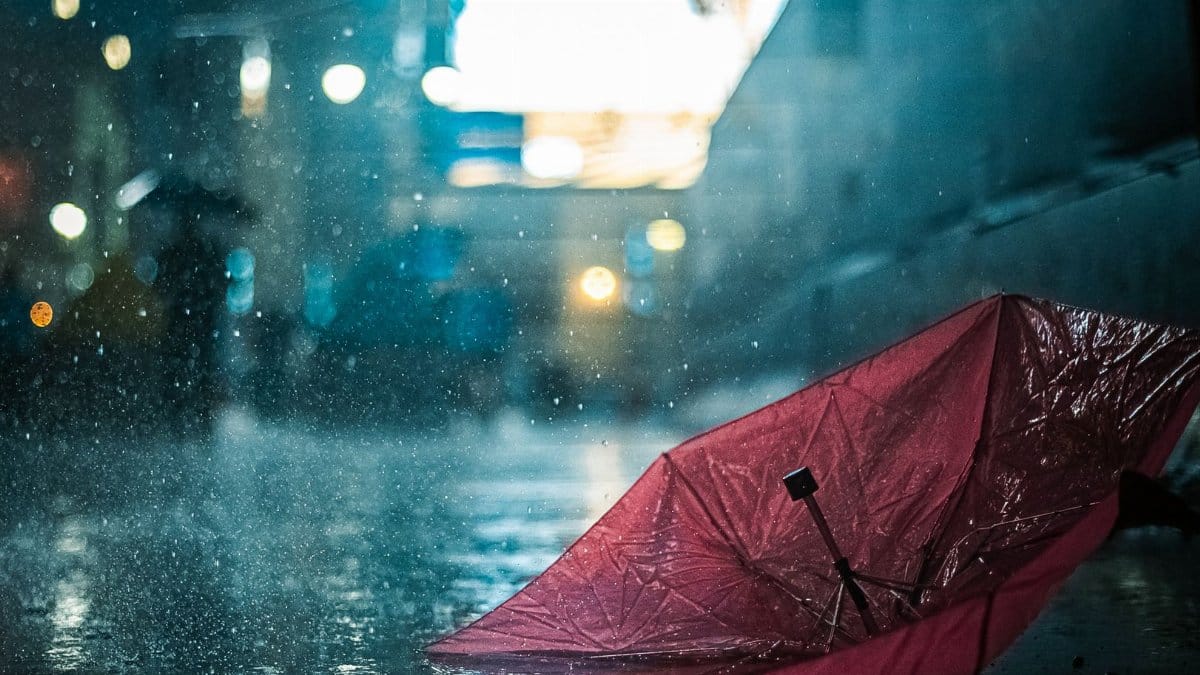
Limited is a careful word, and it should stay careful. It does not mean zero. A sea breeze can still spark a brief storm, especially inland in the afternoon, and a storm that misses downtown can still soak a practice field or a neighborhood a few miles away. What limited rules out, on the picture painted for Saturday and Sunday, is a day organized around widespread, repeating rain.
For game operations that distinction is everything. Grounds crews can prep fields without racing a line of cells. Vendors can set grills without a tarp strategy as the main plan. Transit riders can assume that most of the trip will be dry, with the usual Miami caveat that one cell can rewrite a single hour. Visitors who do not know the city should still respect lightning. A storm that looks distant can throw strikes across open lots. If thunder arrives, the old rule holds: get to a building or a closed vehicle and wait it out. The forecast lowers the odds. It does not repeal physics.
Nights in the low 70s
Daytime headlines get the attention. Nighttime temperatures do the quieter work. Lows in the low 70s are not sweater weather for people raised farther north, but they are a reset for bodies that have been sleeping in rooms that never quite cool. Air conditioners cycle instead of drone. Outdoor dinners last past the point where everyone agrees to move inside. Early risers heading to the beach or to a Sunday service meet air that feels rinsed rather than reheated.
There is a social effect worth noting. When nights become bearable, the city uses its public edges again. Baywalks fill after the game. Apartment courtyards hold conversations that in August migrated to living rooms. Congregations that hold evening services or community meals find the weather cooperating instead of competing. In a place where climate is the daily liturgy, a milder night is a kind of permission.
Water, wind, and the edges of town
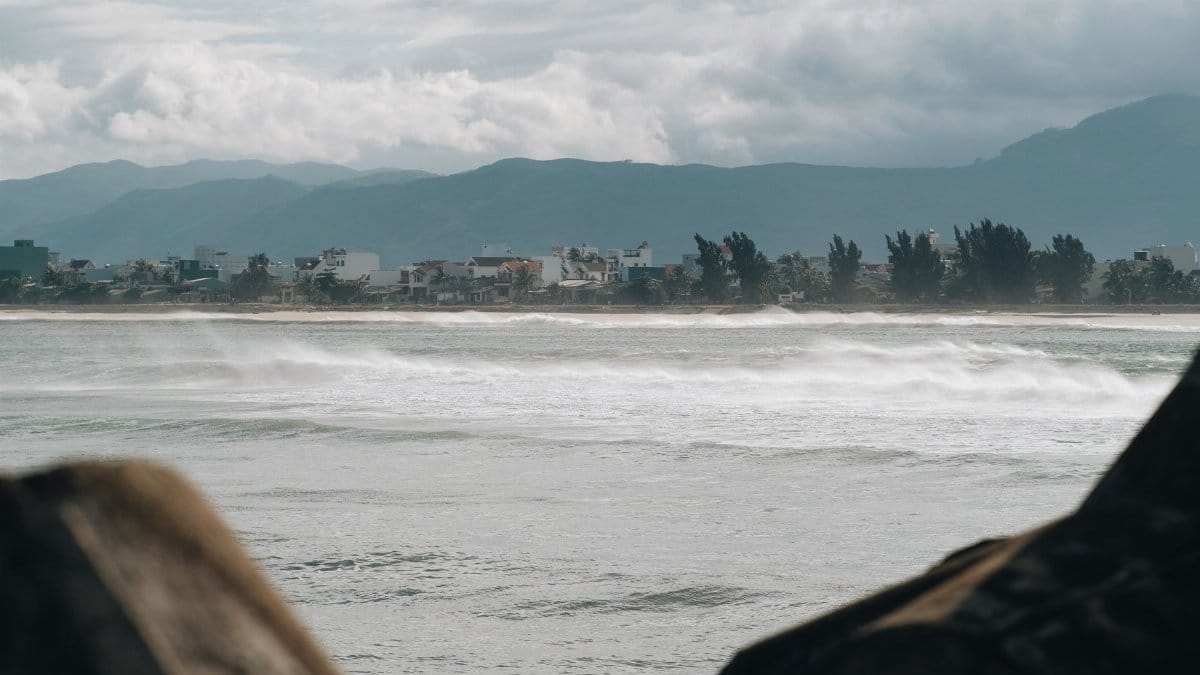
Football is the headline draw, but Miami weekends are also decided on the water. A drier pattern often arrives with a wind shift, and wind on the bay and the Atlantic is its own forecast. Boaters should still check marine conditions before they leave the dock, because a pleasant stadium afternoon can coexist with a choppy inlet. Beachgoers should expect sun that feels strong even when the air feels kinder. The ultraviolet load does not depart with the humidity. Hats, shade, and water remain the unglamorous tools of a good day.
Inland neighborhoods and the barrier islands do not always share the same hour of weather. A shower that brushes the western suburbs can leave South Beach bright, or the reverse. That patchwork is normal here. It is why a single number on a phone app frustrates people who have lived in the county for decades. The useful question is not whether rain exists somewhere in the region. It is whether rain is likely to organize over the places people are actually going.
How households spend the first easy weekend

Ask around and the plans sound modest, which is the point. People reschedule the walk they postponed in August. They open a window during dinner. They say yes to a backyard gathering they would have declined when the heat index was a dare. Parents with young children get a Saturday that does not require a midday retreat to the car air conditioning. Older residents, for whom heat is not an inconvenience but a health limit, get hours they can use.
Faith communities and neighborhood groups often treat this kind of weekend as an unofficial opening of the social season. Picnics return. Outdoor vigils and memorial walks become physically kinder. Volunteer crews that paint, plant, or clean a shoreline can work a longer morning. None of that is meteorology. All of it depends on meteorology. The Miami fall weekend forecast is, in that sense, a schedule for ordinary life, not only a graphic beside a sports promo.
Reading the outlook without theater

Weather talk in this region swings between dismissal and alarm. Summer trains people to ignore routine thunder, and hurricane season trains them to take certain maps very seriously. A mild football weekend sits in neither category. It does not require bottled water stockpiles. It also does not deserve a shrug if you are moving thousands of people through open lots where lightning, heat, and sudden rain still have a vote.
The disciplined habit is boring and effective. Check the update on Saturday morning, not only the outlook from midweek. Watch whether showers are isolated or lining up. Notice the wind on the water if you are leaving a dock. Carry less rain gear than you would in a tropical wave, and more patience than you would in January up north. Stadiums publish their own delay policies. Those policies, not a group chat rumor, decide whether a game waits.
Public agencies and local forecasts remain the right sources for hour by hour changes. A feature story can describe the shape of a weekend. It cannot replace the update issued the morning of the game, when a shower that was unlikely can still become timely.
What the stands will remember
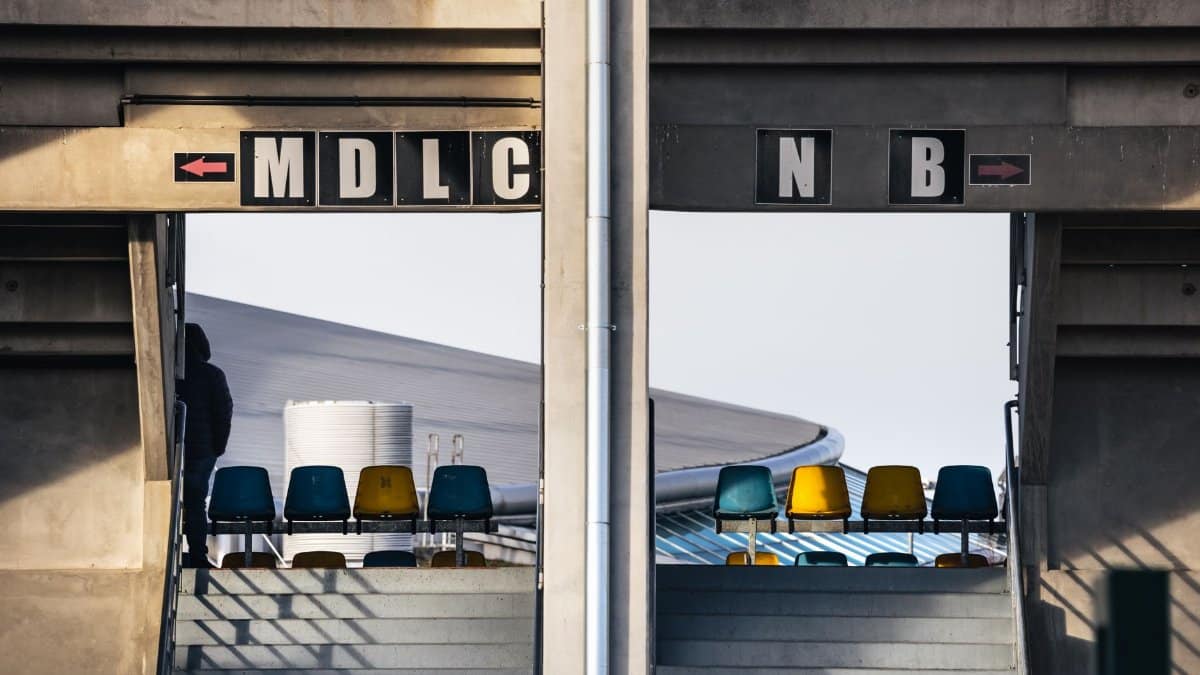
Crowds remember weather the way they remember a controversial call: selectively, and for years. A sweltering loss becomes hotter in the retelling. A crisp win becomes proof that the city can feel like somewhere else for three hours. Players talk about footing and ball feel. Fans talk about whether they stayed for the handshake line. If this weekend delivers what the setup suggests, the memory will be of air that let people stay.
That is a modest gift, and modesty suits it. Miami is not being promised a cold snap. It is being offered a pause in the steam, timed to two home games and to all the smaller gatherings that happen because those games pull people outdoors. The Dolphins and the Hurricanes will supply the noise. The air mass will supply the terms.
After the final whistle

Monday has a habit of returning the moisture. A front that made Sunday pleasant can lift out, and the sea can send humidity back over the same streets by the time offices reopen. Residents who treat this weekend as the start of a long cool season will be disappointed. Residents who treat it as a usable interval will get what the pattern is actually offering.
There is a discipline in that, close to the way people here already live with water and sun. You take the good window. You do not pretend it rewrites the month. You let the low 70s do their small repair overnight, and you let limited rain mean limited, not impossible. Then you go to the game, or to the bay, or to a table outside, and you notice that the evening does not cling.
If the Miami fall weekend forecast holds, that noticing will be widely shared: in the lots, on the walks home, and in kitchens where someone finally turns the air down and leaves a window cracked. Cooler, drier air will not make Miami into another city. For Saturday and Sunday, it does not have to. It only has to make this one easier to be in, while the Canes and the Dolphins play at home and the rest of the county remembers what a night in the low 70s is for.