
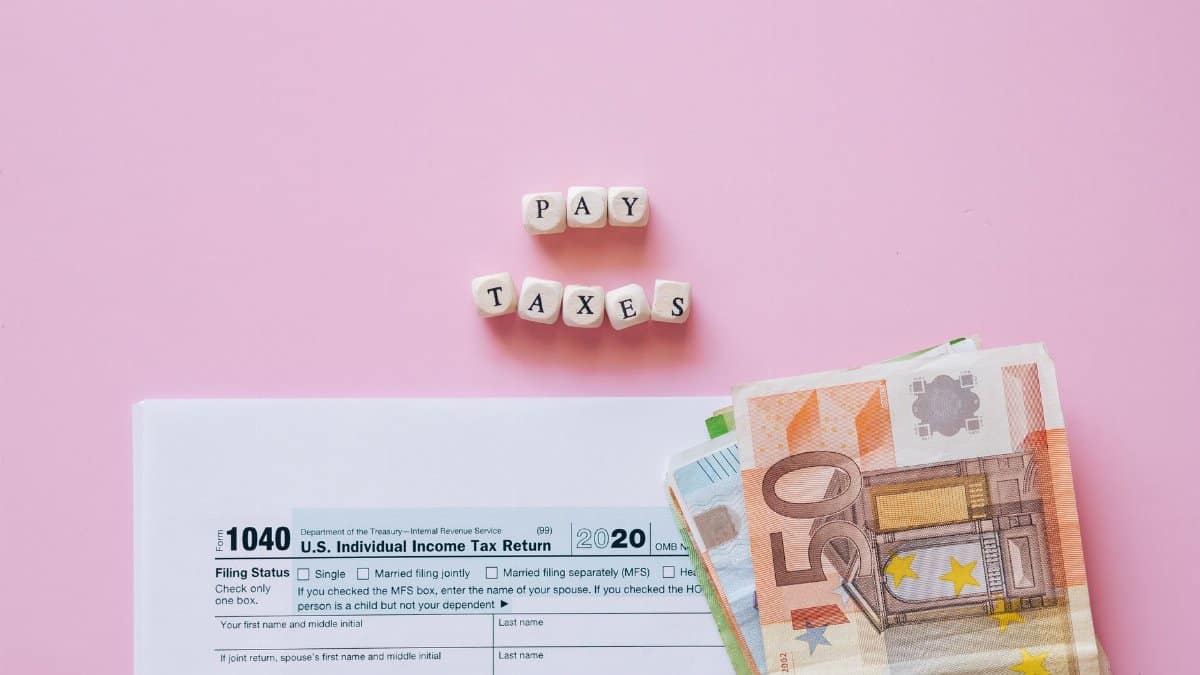
On a Tuesday morning in a south suburban library, the director did not open with a story hour. She opened with a payroll calendar, counting the days until property tax money that should already have arrived. That private arithmetic, repeated in village halls and school business offices, is the backdrop for Cook County tax bridge loans, a $191 million stopgap approved after another stretch of delayed collections left local governments waiting on revenue they had already budgeted.
A delay that moved from annoyance to operating risk

Cook County property tax bills do not land in a single clean moment. Homeowners and businesses pay in installments, and the second wave of collections is what many local governments treat as the cash that carries them through the later part of the year. When that wave slips, the budget on paper can look intact while the bank account tells a harsher story. Salaries still come due. Bond payments do not pause because a bill was mailed late. Fuel, insurance, and vendor contracts keep their own clocks.
County officials framed the latest intervention as a response to that mismatch. The office of Board President Toni Preckwinkle advanced stopgap money to 32 villages, libraries, and school districts, a combined $191 million meant to bridge the gap between expected tax revenue and money actually in hand. For readers outside government, the sum can sound abstract. Inside a district office, it is the difference between drawing on reserves, borrowing from a bank at a moment of stress, or telling staff that a paycheck might slip.
What the county says it sent
The program is not a gift in the ordinary sense of the word, and it is not a rewriting of anyone’s tax bill. Bridge financing, in this setting, is an advance against revenue that taxing bodies are already owed once collections catch up. The county described the package as temporary support tied to the delay, not as a new spending program with a permanent claim on the budget.
That distinction matters. A village that receives an advance is not suddenly richer. It is less exposed to the calendar. When the delayed installments arrive, the expectation is that the advance is reconciled, the books catch up, and the emergency posture ends. Residents still owe what the law says they owe. Local governments still have to live within the levies they set. The county stepped into the timing problem, which is a narrower job than fixing the deeper fights over assessments, appeals, and how long it takes to get accurate bills out the door.
Thirty two governments, three kinds of pressure
The recipients were not a single class of agency. Villages, libraries, and school districts share a dependence on the property tax, but they do not fail in the same way when cash is late. A village may feel the strain in police overtime, snow removal contracts, or a water fund that was already thin. A library may feel it in hours, part time staff, and the quiet decision to delay a roof repair that everyone knows cannot wait forever. A school district feels it in payroll, transportation, and the simple fact that children do not stop arriving because a tax file is incomplete.
Grouping those 32 bodies together can hide that variety. It can also reveal a common fact. In Cook County, the property tax is not a side revenue. For many of these governments it is the spine. When the spine is late, even well run offices start to look fragile. The county’s choice to spread help across villages, libraries, and schools suggests officials saw the delay as a system problem, not as the misfortune of one reckless board.
Why villages often feel the first pinch

Municipal government is a daily service business wearing a civic costume. Trash still needs collection. A water main break does not wait for a treasurer’s comfort. Many villages keep modest reserves because residents notice tax levies more readily than they notice a rainy day fund. When the second installment drifts, a village manager can find that the reserve built for a true emergency is being used as a float for ordinary operations.
That is an expensive habit even when it is legal and prudent in the short run. Reserves spent on timing cannot also cover a flood, a lawsuit, or a sudden drop in another revenue stream. Some villages can turn to the private credit market. Others, smaller or already carrying debt, face worse terms or skeptical lenders. County bridge money, in that light, functions as a public alternative to a scramble. It does not erase the need for reserves. It acknowledges that a delay created by the collection system should not automatically become a penalty imposed on the smallest budgets.
Libraries and the costs people do not see

Libraries rarely make the loudest case in a fiscal crisis, which is part of why their inclusion is telling. A late tax distribution does not produce a dramatic shutdown on day one. It produces smaller decisions. A branch trims evening hours. A hiring freeze stays in place after a retirement. A summer program runs with fewer aides. None of those choices appears on a tax bill, yet each one is a tax on time, especially for families who treat the library as childcare, internet access, and a quiet room.
Board members in those institutions often have little political theater available to them. They cannot print money, and they cannot easily shift the levy midstream. What they can do is ask the county whether the delay will be treated as their problem alone. The answer, this time, was that some of them would be carried until collections moved. That is a modest form of solidarity, and it is also a reminder that cultural institutions sit on the same revenue pipe as police departments and road crews.
School districts and the payroll calendar
School finance has its own severity. A district can postpone a curriculum purchase. It cannot postpone September. Transportation contracts, special education placements, and food service run on schedules set months earlier. Business managers in Cook County have lived through delayed bills before, and many have built contingencies. Those contingencies are not infinite. Each repeated delay trains boards to hold more cash idle, which is another way of saying that classrooms wait so that treasurers can sleep.
The county advance does not settle arguments about whether districts levy too much or spend unwisely. Those arguments belong in budget hearings, and they should stay there. What the advance does is separate a process failure from a classroom failure. If bills are late because assessments, appeals, or mailings slipped, punishing a district’s ability to meet payroll is a blunt instrument. Parents may still disagree with a levy. They are unlikely to want that disagreement settled by accident, through a missed pay date.
Bridge loans are not the same thing as a bailout

Language will do a lot of work in the weeks after a figure like $191 million hits the news. Critics will hear bailout. Supporters will hear plumbing. Both words can be made to fit a headline, and neither is precise enough. A bailout usually forgives a loss or covers a deficit created by spending beyond recurring revenue. Cook County tax bridge loans, as county leaders have described this round, are closer to an advance on money already expected from taxpayers.
That does not make the tool costless or beyond scrutiny. Someone has to decide who qualifies, how much is enough, and what happens if collections disappoint again. Advances can dull the urgency to fix the underlying delay. They can also favor governments with the staff to apply quickly over governments that are equally strained but slower to ask. A serious public conversation should ask those questions without pretending that a timing advance is the same as erasing a structural deficit.
The politics that gather around a president’s office
Any large check that leaves the county building carries a political signature, and this one carries Preckwinkle’s. Allies can argue that a county executive who controls the tempo of help has a duty to use it when local services are at risk. Opponents can argue that emergency lending concentrates discretion, rewards allies, or papers over a tax system the county has failed to modernize. Both claims are predictable. Neither can be settled by tone alone.
What residents can reasonably demand is a public list, a clear rule, and a repayment path that does not depend on rumor. Thirty two recipients is a manageable number. It is small enough that each village, library, and school district can be named, and large enough that patterns should be visible. If the money tracked need, the pattern should look like cash stress. If it tracked clout, the pattern will look like a map of friends. Publishing the basis for each advance is the simplest way to keep the program from becoming another chapter in Cook County’s long argument about who gets help first.
What homeowners are actually being asked to accept

For the person writing a property tax check, the moral of the story can feel upside down. The bill is late, then the governments that spend the bill get an advance, and the homeowner is still expected to pay in full when the envelope finally arrives. That sequence breeds cynicism, especially in neighborhoods where assessments already feel detached from what a house could sell for.
The fairer reading is more limited. The homeowner is not funding a new program through this bridge. The homeowner is still funding the police shift, the library hour, and the school bus that the levy was meant to fund. The county is rearranging when those governments receive cash, not inventing a second claim on the same house. Cynicism becomes justified if the delay keeps recurring while officials treat each bridge as a fresh surprise. A one time advance can be responsible. A habit of advances is a confession that the billing system is not finished.
The risk if collections slip again
Every bridge assumes a far shore. If tax collections arrive roughly as expected, the $191 million is a story about cash management. If appeals surge, if bills are challenged, or if another processing failure stretches the calendar, the advance becomes a larger exposure. Local governments that spent the money on payroll cannot unspend it. The county would then face a choice between extending terms, tightening future aid, or absorbing a problem it had hoped was temporary.
That is why the size of the package should focus attention on the machinery, not only on the recipients. Cook County has spent years in public arguments about how property is valued, how appeals are handled, and how long homeowners wait for a bill they can understand. Bridge financing can keep services upright during that argument. It cannot substitute for bills that go out on a schedule people can plan around. A government that needs repeated rescues from its own calendar is asking residents to trust a process that has not earned a full measure of trust.
Questions local boards should answer in public
The county’s decision does not end the work at the local level. Each recipient board owes its own residents a plain accounting. How close was the district or village to a cash shortfall without the advance? What reserves remain? What spending, if any, was deferred rather than covered? Will the advance be treated as untouchable until reconciliation, or will it quietly migrate into projects that were never part of the emergency?
Those questions are not hostile. They are the ordinary discipline of public money. A library that used the funds solely to meet payroll until tax revenue arrived has a simple story. A village that treated the advance as room for a new initiative has a harder one. School boards, in particular, should say whether the money changed hiring, construction timing, or only the treasurer’s worry. Silence will be filled by suspicion, and suspicion is already abundant wherever property taxes dominate the mail.
A narrower kind of competence

There is a style of county government that announces transformation and a style that keeps paychecks from bouncing while the larger repair continues. The second style is less stirring and, in this moment, more honest. Cook County tax bridge loans will not settle assessment fights, and they will not make a high levy feel smaller. They can keep 32 local governments from turning a delayed bill into a service cut that residents experience as random.
Competence here looks unglamorous. Name the recipients. State the rule. Reconcile the advances when the money comes in. Publish whether anyone needed a second round. If officials can do those things without drama, the $191 million will read as maintenance. If they cannot, the same figure will read as another temporary patch on a system that asks people to pay first and understand later.
What to watch as the bills finally move

The next chapter is not a speech. It is a sequence. Tax bills go out. Payments come in. Distributions reach the governments that were waiting. Advances are settled. Any of those steps can slip, and each slip will test whether the bridge was sized correctly. Residents should watch not only the total, but the aftermath. A clean repayment, paired with a credible timetable for future installments, would suggest the county used its scale to protect smaller governments from a delay they did not cause.
Until that sequence is complete, the prudent stance is attentive rather than triumphant. Preckwinkle’s office has put a large number on a familiar problem. Villages, libraries, and school districts have been told they do not have to face the wait entirely alone. The rest depends on whether Cook County can make the ordinary act of collecting a tax feel ordinary again. That is a lower ambition than a slogan, and it is the one that would matter most to the person still waiting for a bill, and to the payroll clerk still counting days.