
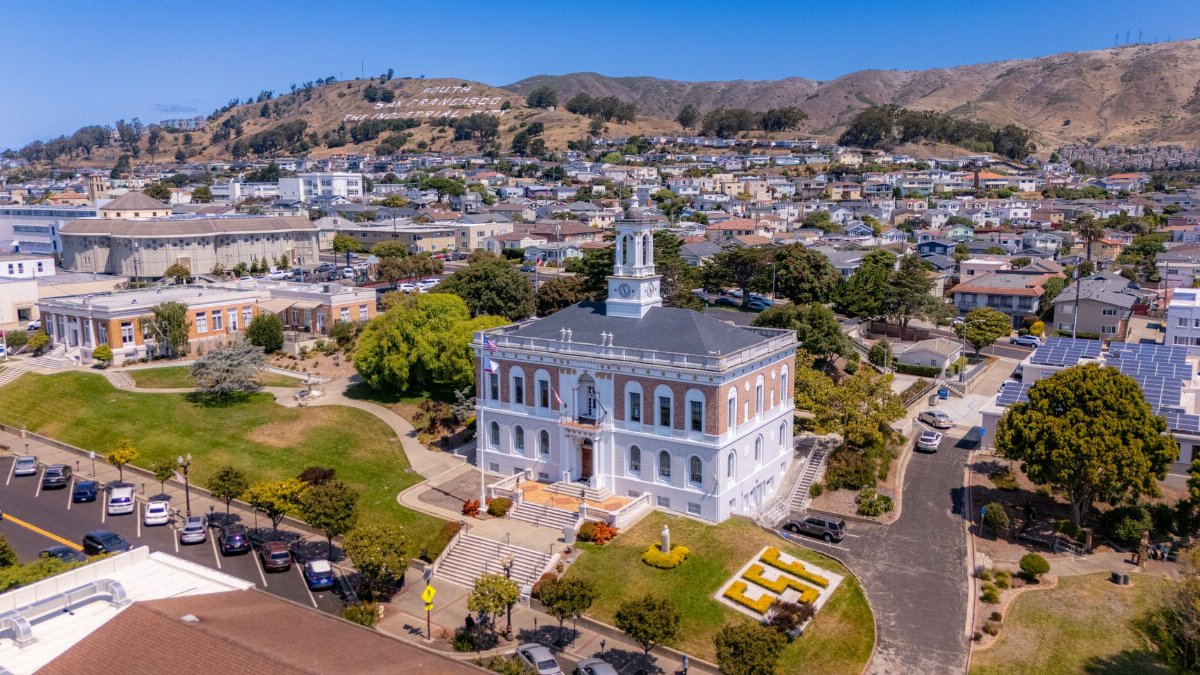
On a quiet afternoon inside City Hall, a proposal that might have changed how San Francisco guards its older buildings slipped off the legislative calendar. Supervisor Rafael Mandelman had sought a quicker route to create SF historic landmarks, saying familiar corners of the city were vanishing before neighbors could even ask for protection. Housing advocates answered with a blunt warning: easier landmark status could lock up land that might otherwise become homes. Within days the plan was dead, yet the argument over memory, scarcity, and who gets to decide what the city keeps was not.
What the supervisor hoped to change

Mandelman framed the idea as a practical fix rather than a grand rewrite of preservation law. Under the current system, landmark designation can take months of research, hearings, and political patience. Supporters of a faster path said that delay favors demolition by default. A building can be altered or cleared while a nomination sits in a queue, and once the structure is gone the argument is over.
The proposal, as described by people following the fight, would have lowered some procedural hurdles and made it simpler for the city to move a property onto the protected list. Preservation advocates have long complained that San Francisco celebrates its past in speeches and then loses ordinary buildings that give neighborhoods their texture: corner stores with old tile, flats with original facades, small commercial blocks that never make a postcard but anchor a street.
City Hall has never lacked tools to protect famous sites. What Mandelman’s allies wanted was speed for the less famous ones. Speed, in a city short on housing, is also what made the plan politically dangerous.
Why housing groups called it a threat
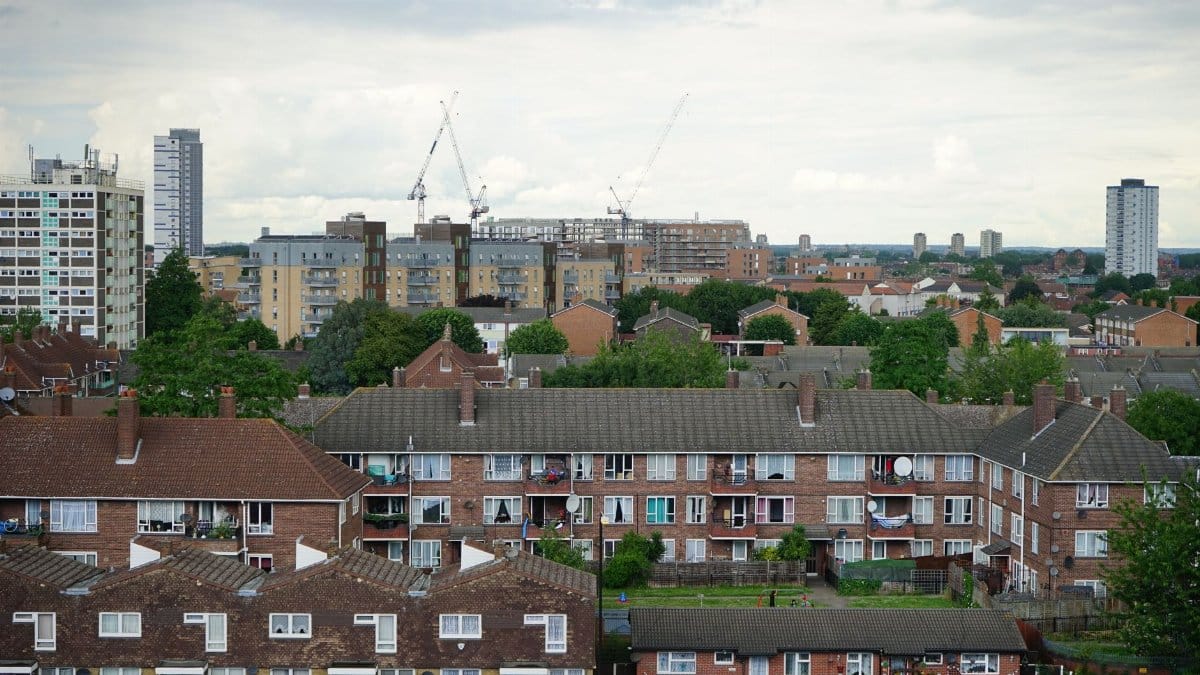
Housing organizations did not treat the bill as a modest paperwork reform. They treated it as a potential brake on construction. Their argument was straightforward. Once a property becomes a landmark, or even once a nomination is pending, owners and developers face extra review, higher costs, and a real chance that a project dies. In a market where every lot is contested, that friction can mean fewer apartments.
Advocates for more homes have spent years arguing that San Francisco uses process as a substitute for policy. Environmental review, discretionary permits, neighborhood appeals, and historic status can stack until a project that meets zoning still cannot get built. Adding an easier on ramp to landmark status, they said, would hand opponents of new housing another lever.
They also worried about selective use. A sincere desire to save a mural or a storefront can sit beside a less sincere desire to stop a building next door. Housing groups have seen both. In their view, a city that already produces too little housing cannot afford a system that makes “no” cheaper than “yes.”
The retreat that ended the bill
Mandelman dropped the plan after those warnings landed. The retreat was not a dramatic floor speech so much as a recognition that the votes and the coalition were not there. Supervisors who want both preservation and more housing found themselves asked to pick a side in public, and many preferred not to.
Dropping a bill is a common San Francisco ending. It lets a sponsor avoid a losing vote, keeps relationships intact, and signals that the idea may return in narrower form. It also leaves the underlying conflict untouched. The supervisor did not abandon the claim that the city loses worthy buildings. Housing advocates did not abandon the claim that landmarking can be weaponized. Both sides simply stopped fighting this particular vehicle.
For residents watching from outside the chamber, the outcome can look like stalemate dressed up as prudence. A plan dies. The buildings and the housing shortage remain.
How protection works without the new shortcut

San Francisco already maintains lists of landmarks and historic districts, along with review by bodies charged with architectural and cultural significance. Property owners can nominate sites. So can neighborhood groups and city officials. The process asks for evidence: age, design, association with important events or people, and integrity of the remaining fabric.
That standard is meant to separate nostalgia from history. Not every old building is historic, and not every historic building is old in the popular sense. A modest structure tied to a community’s story can matter more than a grand one that has been stripped of its original character. The existing rules try to make that distinction in public, with findings and hearings rather than a snap designation.
Critics of the status quo say the bar is high enough, and the clock slow enough, that worthy sites still fall. Defenders say the bar is the point. A city that landmarks too easily creates a patchwork of vetoes. A city that landmarks too slowly watches its physical memory thin out. The dead proposal sat exactly on that fault line, which is why a technical change drew such a political response.
Streets where the argument is not abstract

Walk through the Mission, the Richmond, or parts of SoMa and the debate has an address. A low building with a dated sign sits beside a lot already framed for something taller. Tenants in older flats fear displacement if redevelopment arrives without strong rules. Would be neighbors of a new project fear that “historic” will be invoked to keep a parking lot or a vacant storefront in place for another decade.
Preservation, at its best, keeps a public record in brick and wood. At its worst, it freezes land values and blocks homes without saving anything a later generation will thank the city for. Housing production, at its best, gives people a place to live near work and family. At its worst, it replaces a street’s particular face with generic volume and calls the loss progress.
San Francisco has lived inside that tension for years. The fight over SF historic landmarks is one more chapter, not a new plot. What changed this time was the explicit attempt to speed designation, and the explicit claim from housing advocates that speed would slow home building.
The case preservationists refuse to drop

Even with the bill gone, preservationists have a case that does not depend on Mandelman’s text. Cities that wait for perfect consensus often save only the buildings rich enough or famous enough to hire advocates. Everyday landmarks, the ones that matter to a block rather than a guidebook, disappear in the gap.
They also argue that housing and history are not natural enemies. A landmark can be adapted. Upper floors can become homes. Ground floors can stay commercial. Seismic work and accessibility upgrades are expensive, but they are not impossible. The alternative, wholesale clearance, has its own costs: lost small businesses, lost cultural memory, and neighborhoods that feel interchangeable.
Those points persuade some residents and leave others cold. In a city where teachers, nurses, and service workers commute from far outside the county, a beautiful facade can look like a luxury the housing market cannot afford. Persuasion, in that setting, requires more than affection for old brick. It requires a credible story about where new homes will go if certain sites are set aside.
Housing math that drove the opposition

The opposition did not need a single dramatic project to make its point. San Francisco’s production numbers have lagged its stated goals for years, through boom and slowdown alike. State pressure to plan for more homes has grown. Local politics still rewards supervisors who can show they listened to immediate neighbors.
In that environment, any new discretion reads as risk. Housing advocates looked at a faster landmark path and saw delay compounded: more nominations, more hearings, more chances for a project to miss a financing window. They also saw a fairness problem. If landmark status is easier to win in neighborhoods with organized groups and spare time, protection will cluster where political capacity already exists, not necessarily where architectural or cultural value is highest.
None of that proves that every landmark stops a housing project. Many landmarks sit on sites no one is trying to redevelop. The fear was about the margin, the next hundred borderline cases, and the signal City Hall would send if it made “protect” easier than “build.”
What City Hall is likely to try instead
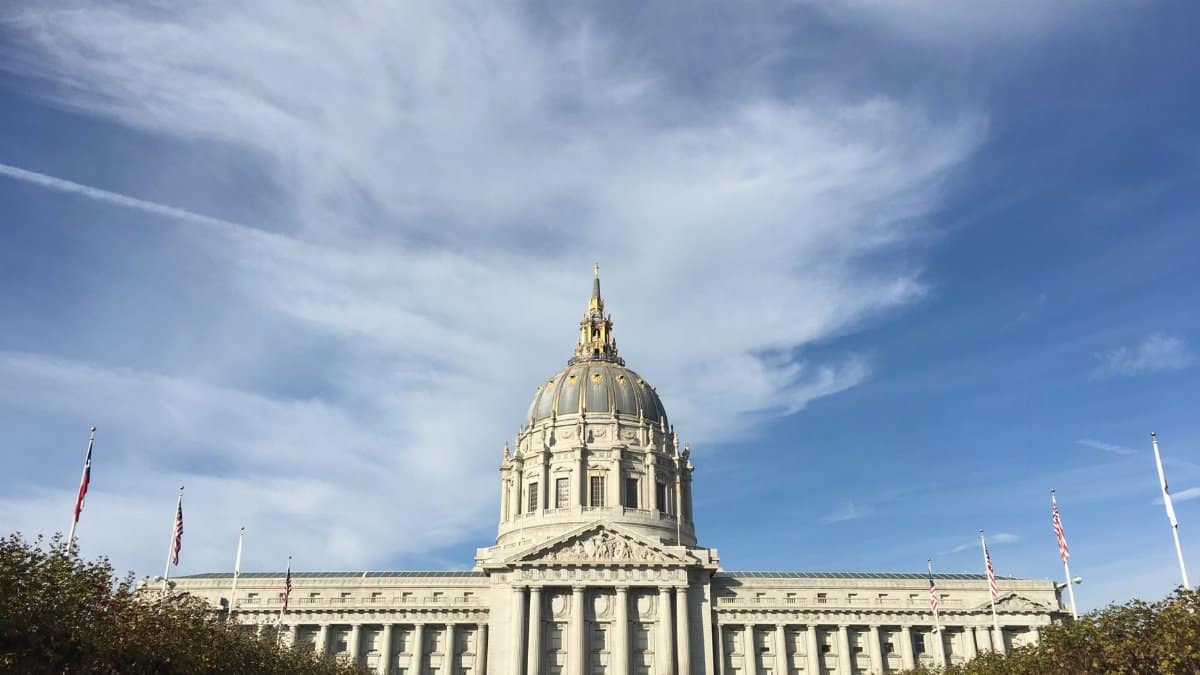
A dead bill is rarely the last word. Expect narrower ideas: clearer standards for when a nomination can pause a project, faster review for sites already identified in surveys, and incentives to rehabilitate rather than demolish. Some officials will push housing overlays that make landmark fights less decisive because height and density are settled in the plan, not in each appeal.
Others will return to surveys of neighborhoods, hoping that identifying important buildings in advance reduces surprise designations used late in a project’s life. Advance lists are imperfect. They miss sites, and they can stigmatize owners. They are still more predictable than case by case panic.
Mandelman, or another supervisor, could also revive a version limited to properties with clear cultural significance and paired with a commitment not to stall code compliant housing on ordinary lots. Whether that pairing can be written in a way both sides trust is the real legislative question. Trust is scarce at City Hall on this subject.
Residents stuck between affection and rent
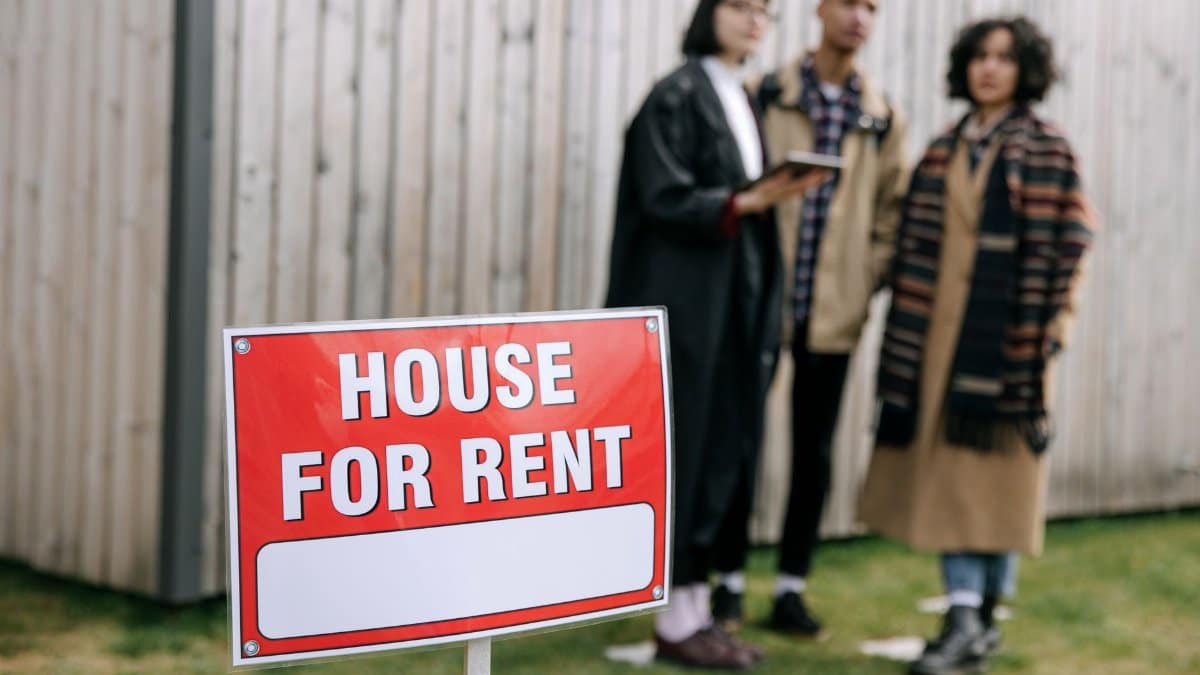
For people who live here, the debate is less ideological than it sounds in hearings. Many want the corner they recognize and a rent they can pay. They do not experience those wants as a theory of urbanism. They experience them as a walk to the store and a lease renewal.
That is why the death of one plan will not settle the mood. If a cherished building comes down next month, preservationists will say the city blinked. If a housing project dies after a late historic challenge, builders will say the city flinched the other way. Both stories will be locally true and citywide incomplete.
Journalists and officials sometimes talk as if San Francisco must choose a single identity, museum or metropolis. Residents already live in both, often on the same block. The useful work is drawing lines that ordinary people can understand: which buildings are genuinely irreplaceable, which projects genuinely serve people who need homes, and which fights are really about keeping change at a distance.
A fight that outlives one ordinance

The controversial plan to multiply SF historic landmarks is dead because its sponsor judged the political cost too high. That is a fact about this week at City Hall, not a verdict on history or housing. The city still lacks a shared rule for when memory should prevail over new construction, and when new construction should prevail over memory.
Until that rule is clearer, every shortcut will look like a trap to someone. Preservationists will keep nominating. Housing advocates will keep counting delays. Supervisors will keep retiring bills that force the choice into the open. The buildings, and the people waiting for keys, will keep absorbing the result.
San Francisco can protect a meaningful set of SF historic landmarks and still build homes. It has not yet shown it can do both at the pace either camp demands. The dropped plan made that failure visible again, which may be the only progress this round produced.