
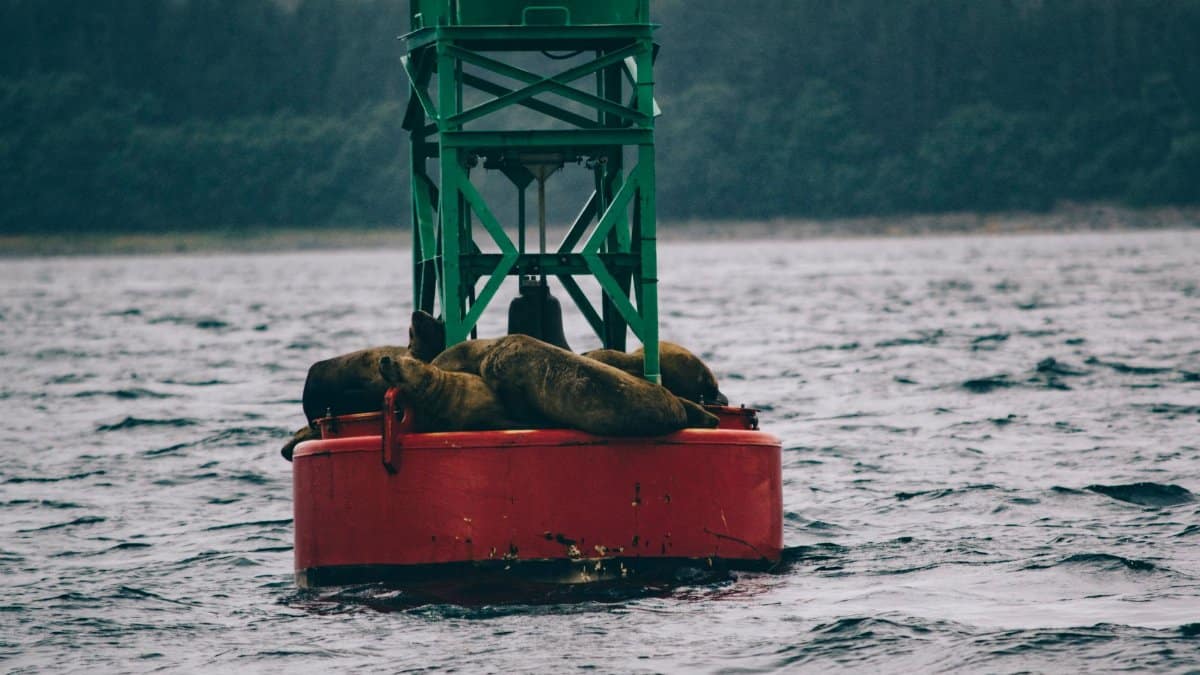
In recent sessions on Capitol Hill lawmakers have grappled with an intricate challenge involving the interplay of ocean predators and river fish. A bill under review would broaden permissions for wildlife officials to remove more harbor seals and California sea lions from Pacific Northwest waters where they prey on migrating salmon. This measure touches on longstanding tensions in seals sea lions salmon protection as declining fish runs affect ecosystems fisheries and cultural traditions alike.
The Proposed Legislation Details

The measure seeks to amend the Marine Mammal Protection Act to allow increased lethal removals in specific river systems. Proponents argue that current limits hinder effective action against growing seal and sea lion numbers that target salmon at key bottlenecks. Hearings have featured testimony from state agencies and fishing groups calling for streamlined permits that bypass lengthy reviews for each case.
Ecological Role of Seals and Sea Lions
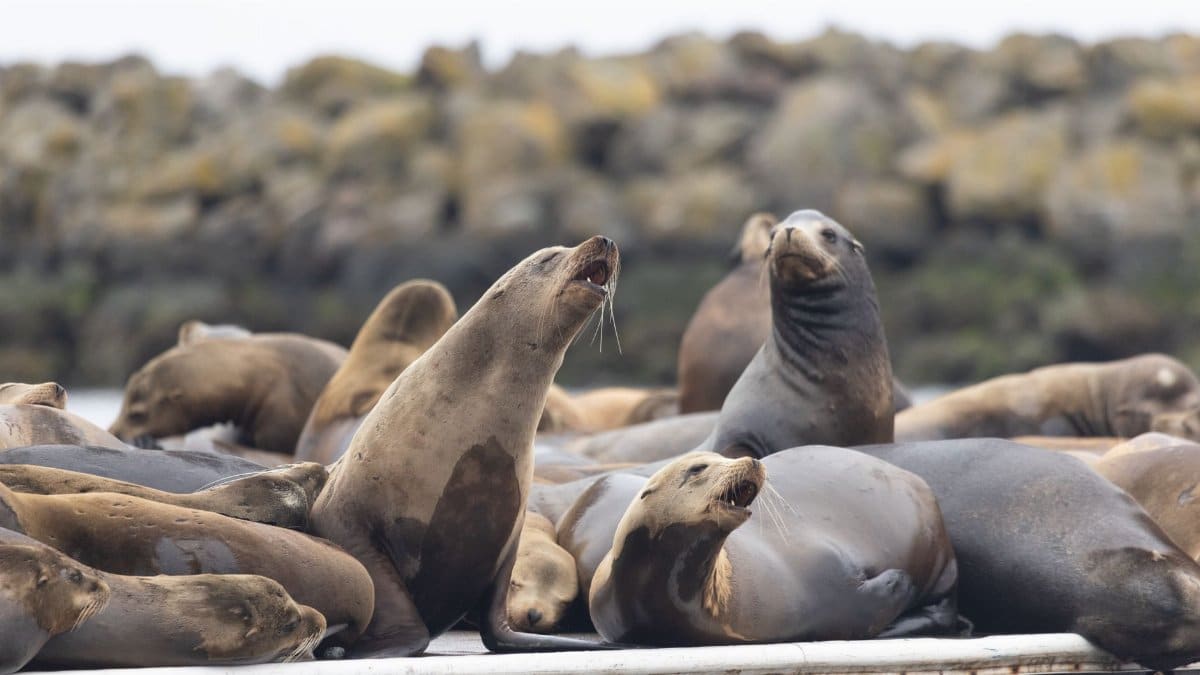
These marine mammals serve as both predators and indicators of ocean health. Their diets include various fish species yet salmon often feature prominently during seasonal migrations. Expanding control efforts could shift local food webs though experts note that broader factors like ocean conditions also influence predator abundance.
Tribal Views on Fish Conservation

Native American communities in the region hold salmon as central to their heritage and sustenance. Leaders from several tribes have voiced support for predator management when it aligns with treaty rights and habitat restoration. Others emphasize holistic approaches that respect all species within the watershed.
Scientific Data on Population Trends

Recent surveys show seal and sea lion numbers have risen along the coast since protections began decades ago. Salmon returns meanwhile remain below historic levels in many rivers due to dams pollution and climate shifts. Models suggest targeted removals might boost fish survival rates in certain stretches but results vary by location and timing.
History of Wildlife Management Efforts

Past programs have authorized limited removals at sites like Bonneville Dam with mixed outcomes. Those actions reduced immediate predation yet drew lawsuits from conservation organizations. The current proposal builds on those precedents while aiming to address legal hurdles that slowed prior initiatives.
Nonlethal Options Explored

Techniques such as hazing devices and relocation have been tested with limited success. Barriers and acoustic deterrents sometimes displace animals temporarily but often fail to provide lasting relief for salmon runs. Advocates for these methods stress the need for continued investment in research and monitoring.
Economic Stakes for Coastal Areas

Commercial and recreational fishing support jobs and local economies throughout the Pacific Northwest. Reduced salmon availability has already strained these sectors prompting calls for decisive policy responses. Balanced management could sustain both marine life and human livelihoods over time.
Broader Environmental Influences

Habitat loss from development and warming waters compound the pressures on salmon. Addressing seals sea lions salmon protection forms one part of a larger strategy that includes dam modifications and pollution controls. Integrated plans tend to yield better results than isolated interventions.
Public Engagement and Debate

Advocacy groups on both sides have mobilized around the legislation. Some highlight ethical concerns over expanded culling while others point to the urgency of fish recovery. Town halls and online forums reveal a spectrum of opinions shaped by personal connections to the outdoors and regional traditions.
Future Implications for Policy

If enacted the changes could set precedents for similar conflicts elsewhere in the country. Success would depend on careful implementation oversight and adaptation based on field results. Ongoing collaboration among scientists tribes and agencies remains essential to navigate these waters responsibly.