
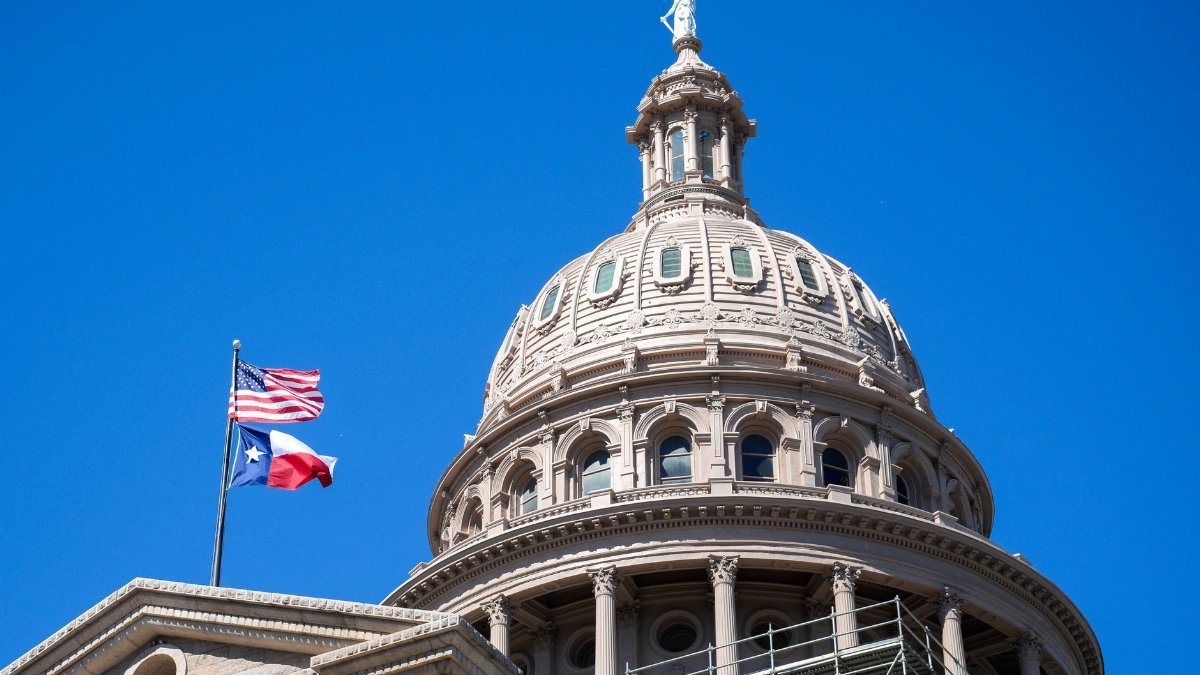
On a Tuesday night in November, the maps that campaign consultants keep above their desks stopped behaving the way they have for a generation. Texas, treated for years as a Republican fortress with a few noisy cities, handed Democrats a sweep of statewide offices. In war rooms from Austin to Washington, the phrase blue Texas 2028 stopped sounding like a tavern dare and started sounding like a planning problem. Forty electoral votes do not drift. They yank the whole board. Candidates who expected to polish a Sun Belt speech in Arizona are suddenly asking what a presidential race looks like if the second largest state is no longer a safe harbor for one party.
A night that redrew the planning board
The November results did not repeal Texas history. They did something more immediate. They ended the casual assumption that statewide office there was a Republican inheritance, interrupted only by the occasional judicial surprise. Winning the top of the ticket, and not merely a stray down ballot seat, forces both parties to rebuild their models. Consultants who priced Texas as a place to raise money and leave are now pricing it as a place to compete. That is a different budget, a different staff chart, and a different kind of fear.
Mark Z. Barabak has argued that the shift is already large enough to reshape the next presidential map. The argument is less about prophecy than about arithmetic. A party that must defend forty electoral votes cannot spend the cycle as if the old fortress still stands. A party that just won statewide cannot pretend the victory was a fluke and then ignore the machinery required to repeat it under a presidential spotlight.
Forty electoral votes and a smaller map
Presidential strategy is a story people tell about values, but it is also a story about addition. For more than two decades, Republican nominees have treated Texas as money, media, and a guaranteed bloc. Remove that guarantee, even partially, and the rest of the map gets louder. Arizona, Georgia, Nevada, North Carolina, and the industrial Midwest stop being side doors. They become the only doors.
Democrats face the mirror image. A competitive Texas does not gift them the White House. It offers a path that runs through enormous counties, long drives, and a electorate that still includes vast rural regions where the party remains a rumor. The romance of a flipped Texas can hide the dull work of registration, candidate recruitment, and message discipline. Without that work, one good November becomes a souvenir.
Why Republicans cannot treat the state as background
The first Republican response will be denial dressed up as calm. Party leaders will say the sweep reflected a weak ticket, a sour national mood, or a turnout pattern that will not recur when the presidency is on the line. Some of that may be true. None of it is a strategy. If donors believe the state is shaky, money moves. If candidates believe it is shaky, they spend weekends in Houston and Dallas instead of in states they once considered the real fight.
Defense has a cost measured in attention. A nominee who must reassure Texas voters on immigration, energy, schools, and the price of housing has less time to define an opponent elsewhere. That is the quiet way blue Texas 2028 changes the race even if the final map still leans red. The threat does not have to become a flip to reorder a calendar.
Cities, suburbs, and the counties in between
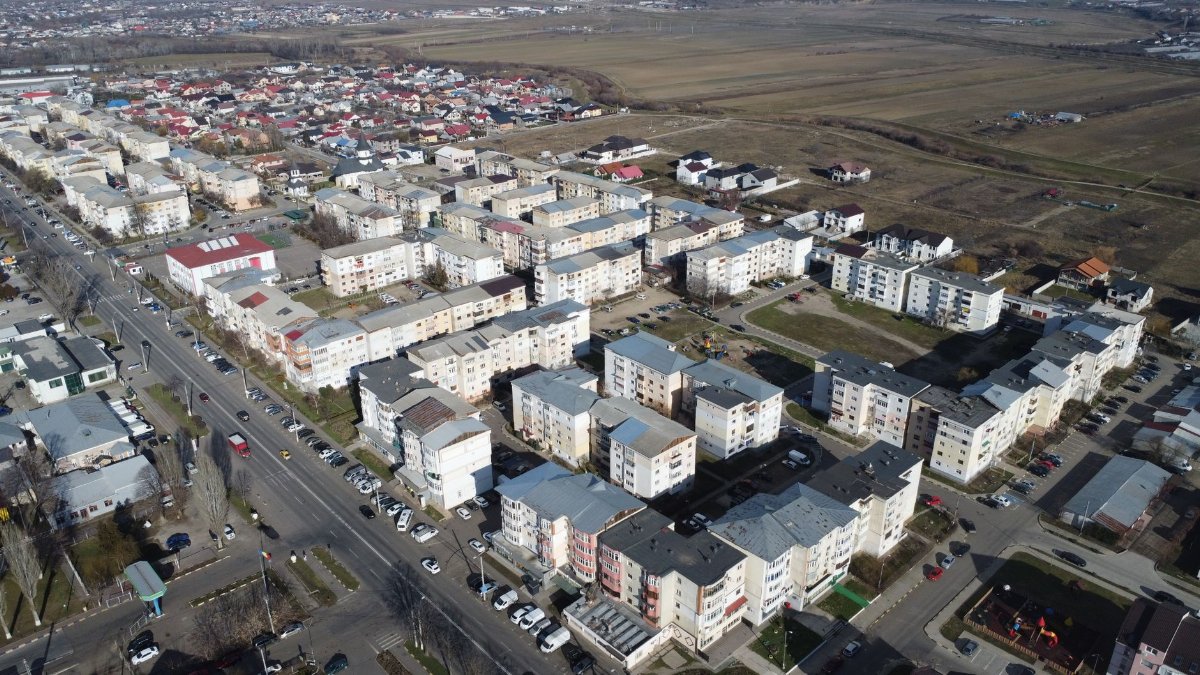
Texas is not one political story. It is a set of overlapping ones. The big metros have been drifting for years, pulled by younger voters, by Black and Latino communities, and by college educated professionals who no longer treat party loyalty as a family heirloom. The suburbs around those cities are where statewide races are often decided, in school board arguments that become congressional arguments and then become presidential ones.
Beyond the metro ring, the picture is sterner for Democrats. Small towns and energy corridors still set a cultural tone that a coastal message can miss by a mile. Any honest reading of November has to hold both facts at once. The cities are not the whole state. The rural vote is not a veto on change. Campaigns that flatten Texas into a cartoon will lose it, whichever party draws the cartoon.
The danger of believing your own maps

Democrats have a matching temptation. A sweep feels like permission to declare a realignment and then to campaign as if the future has already voted. Voters notice that tone. They have heard it before, in other states, from other confident strangers. Texas voters in particular have a long practice of punishing candidates who arrive with a lecture and a donor list.
The useful lesson from November is narrower. A majority is available when the message touches daily life, when candidates look like they intend to govern rather than to trend, and when the party shows up in places it used to skip. That is not a vibe. It is a schedule. If the next nominee treats the state as a symbolic trophy instead of a workplace, Republicans will get their fortress back at a discount.
Money, media, and the early calendar
Watch the dull signals. Where do the first field offices open. Which donors get the second call. Does a prospective nominee build a Texas finance operation that is more than a Houston hotel ballroom. Television in the state is expensive enough to discipline fantasy. A campaign that talks about forty electoral votes and then buys a week of ads in one media market is performing, not competing.
The early primary calendar will feel the strain as well. Candidates who need Texas delegates, Texas money, or Texas validation will adjust what they say in Iowa church basements and New Hampshire diners. Energy policy, border policy, and the fate of public schools will not stay regional. They will travel, because the state that holds them now sits closer to the center of the nomination story.
What voters are actually weighing

Strip away the consultant language and the questions are ordinary. Can I afford the house. Is the school decent. Is the grid going to fail in the heat. Who is serious about the border without turning neighbors into props. Those questions do not belong to one party. They belong to people who will sit through a long election and then decide whether the last statewide result was a turn or a tantrum.
Journalists should be careful here. A single election night is evidence, not scripture. County patterns matter more than victory speeches. If the Democratic gains were concentrated in places that already lean their way, the statewide headline will age badly. If the gains reached outer suburbs and slices of the Latino electorate that Republicans had come to treat as secured, the headline will age into strategy.
Belonging, belief, and the tone of the pitch
There is a civic hunger underneath the numbers that politics often mishandles. Many Texans still talk about place with something close to devotion. Churches, mosques, and family tables do as much political education as any ad. A campaign that sneers at faith, or that treats belief as a costume, will not be forgiven just because the spreadsheet looks friendly.
The better pitch is plainer. People want a politics that can hold disagreement without contempt. They want candidates who can walk into a sanctuary or a union hall or a chamber luncheon and sound like they came to listen. That is not softness. In a state this large, respect is a form of competence. Voters can tell when a party wants their votes and when it wants their conversion.
How 2028 candidates will have to talk
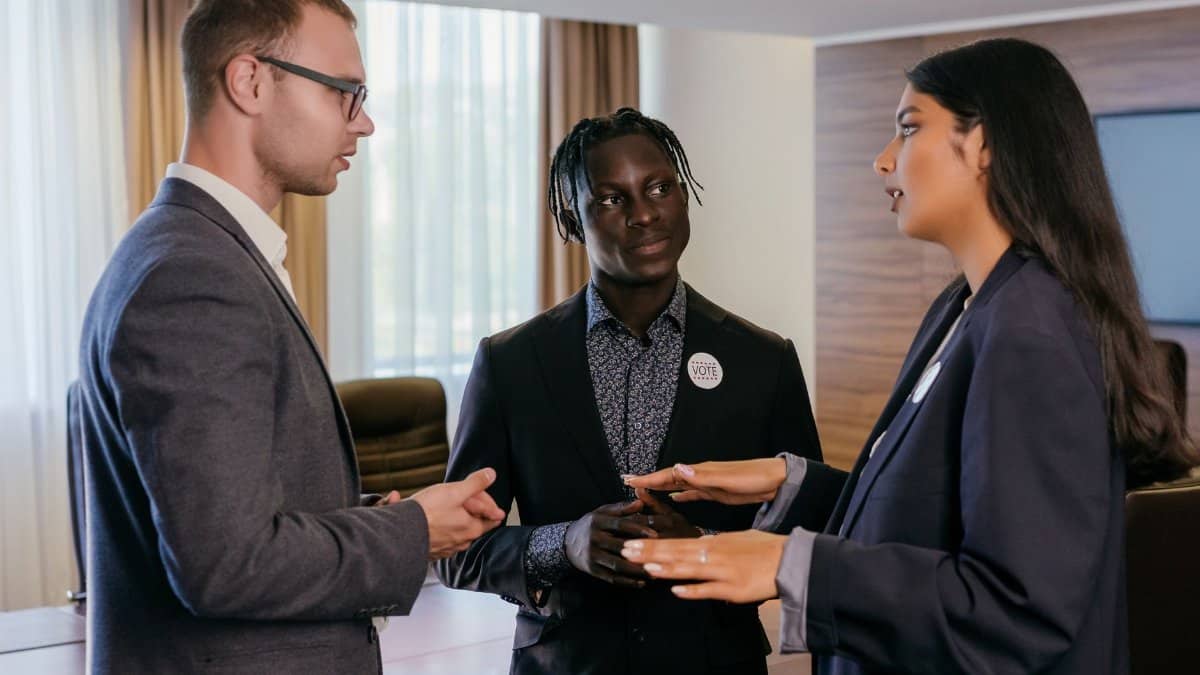
The next nominees, whoever they are, will be tempted by national slogans that tested well in a lab. Texas punishes that habit. A line about the border that ignores people who live with it will fall flat. A line about oil and gas that treats the industry as a morality play will fall flat in the other direction. Voters who work those jobs, or who left them, want a future described in paychecks and reliability, not in applause lines.
This is where blue Texas 2028 becomes a test of seriousness rather than a slogan. Can a Democrat talk about climate and electricity without sounding like the grid is a metaphor. Can a Republican talk about order without sounding like the cities are foreign. The candidate who can do both in the same week will have earned the right to spend money there. The candidate who cannot should stop pretending the state is in play.
The Republican rebuild
Republicans still hold structural advantages. They have a deep bench, a donor class tied to energy and real estate, and a rural vote that shows up. Rebuilding means more than outrage at a bad night. It means candidates who can speak to suburban parents without recycling a cable segment, and a border argument that sounds like governance. If the party answers November only with purity tests, it will spend the presidential cycle explaining losses it could have narrowed.
There is also a risk of overcorrection. Chasing every Democratic gain into the urban core can hollow out the message that still wins wide swaths of the state. The rebuild that works will be boring on purpose. Recruit everywhere. Stop ceding school boards. Treat Latino voters as a varied public, not a single bloc that can be won with one ad in Spanish.
What one night cannot prove
It is worth saying plainly. A statewide sweep on a November ballot is not a deed to the presidency. Turnout swells when the White House is the prize, and it swells unevenly. National conditions in the next cycle, from inflation to war to the simple fatigue voters feel toward whoever holds power, can swamp a state trend. Analysts who draw a straight line from this month to Election Day are selling confidence, not insight.
Still, parties do not get to unsee a result. Organizations form around it. Ambitions rearrange. The phrase blue Texas 2028 will be misused by boosters and dismissed by rivals, and both errors will cost money. The grown version of the argument is modest. Texas is no longer a footnote on the presidential map. It is a question every serious campaign must answer with staff, with time, and with a theory of the voter that survives contact with the state itself.
A map that now includes doubt
Doubt is the real earthquake. For years, one party planned as if Texas were settled land and the other planned as if it were a dream. Neither plan fits the morning after a sweep. The presidential race will feel that mismatch in budgets long before it feels it in returns. Candidates will fly into Dallas and leave with sunburn and a new paragraph in the stump speech. Some of those paragraphs will be honest. Some will be costume.
Readers should watch for the honest ones. They will mention schools, power, housing, and the border in the same breath, without asking Texans to become someone else. They will treat forty electoral votes as a responsibility, not a mascot. If that standard holds, the fight over blue Texas 2028 will have done something rarer than a flip. It will have made a vast state visible again, not as a color on a screen, but as a public that intends to be persuaded.