

In recent years a quiet unease has settled over businesses across the Rocky Mountain region as leaders watch opportunities slip away to neighboring states. A local manufacturer described watching contracts move elsewhere while his workforce stayed skilled yet underutilized. Such stories reflect broader shifts that prompted Governor Polis to create a new council aimed at examining Colorado economy competitiveness after payroll employment fell by more than six thousand positions across eighteen months. The effort includes multiple convenings where executives share firsthand accounts of taxes regulations and infrastructure that shape daily decisions.
Business leaders share firsthand accounts of recent setbacks

Executives from technology manufacturing and tourism gathered in Denver and other cities to describe obstacles that slow expansion. Many noted rising costs for energy and housing that make it harder to attract talent from outside the state. These sessions revealed patterns of hesitation among firms considering new investments.
Policy choices affect long term growth prospects

State regulations on energy use and land development have tightened over time creating uncertainty for companies planning major projects. Some owners said they now compare Colorado with states offering clearer rules and faster approvals. The competitiveness council will review these policies in coming months.
Workforce strengths remain a core advantage
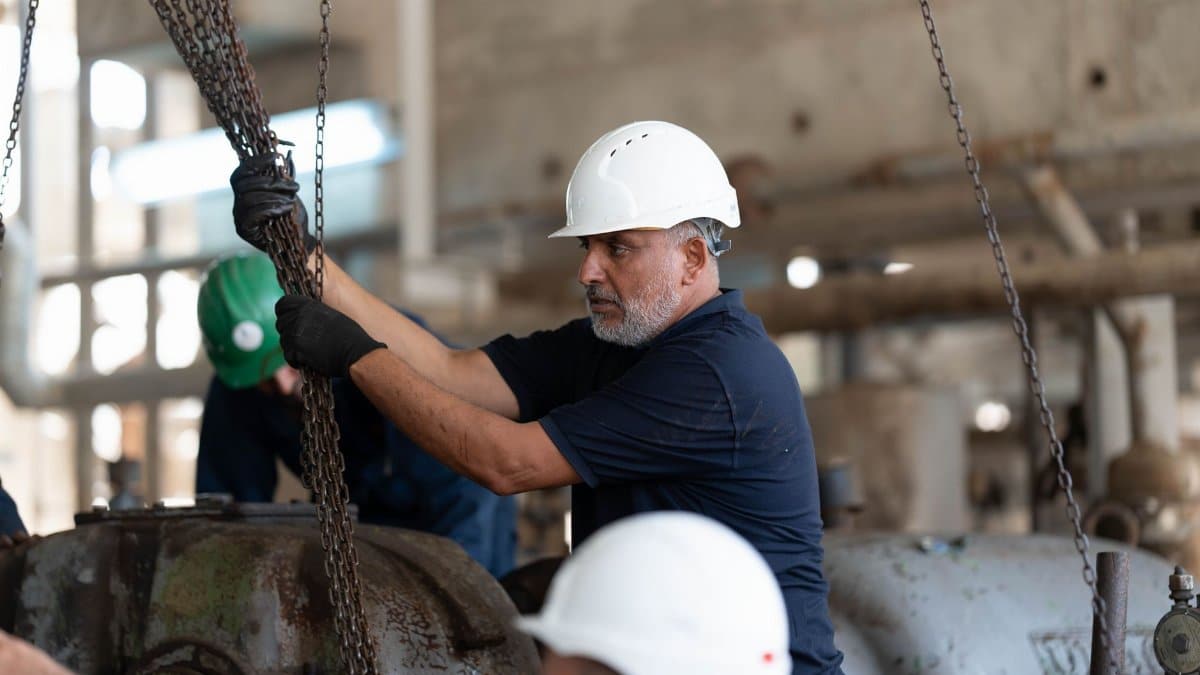
Colorado still benefits from a well educated population and strong universities that produce graduates in engineering and sciences. Yet retention has become harder as younger workers weigh housing prices against salaries. Officials hope targeted programs can keep this talent in place.
Infrastructure gaps slow movement of goods and people

Highways airports and broadband networks show strain in growing areas where population increases have outpaced upgrades. Business groups point to delayed shipments and spotty connectivity as daily frustrations that add costs. Improvements here could restore some lost momentum.
Tax structure draws comparisons with other states

Corporate and income tax rates in Colorado sit near national averages yet the overall burden feels heavier when combined with local fees and compliance demands. Several firms mentioned neighboring states with simpler systems that appear more inviting for headquarters or factories. The council plans to study these differences closely.
Quality of life still draws new residents and firms

Outdoor recreation cultural offerings and climate continue to rank high in surveys of why people choose to live and work here. This appeal helps offset some economic weaknesses though it alone cannot guarantee future job creation. Leaders want to pair lifestyle strengths with better business conditions.
Regional differences shape economic realities
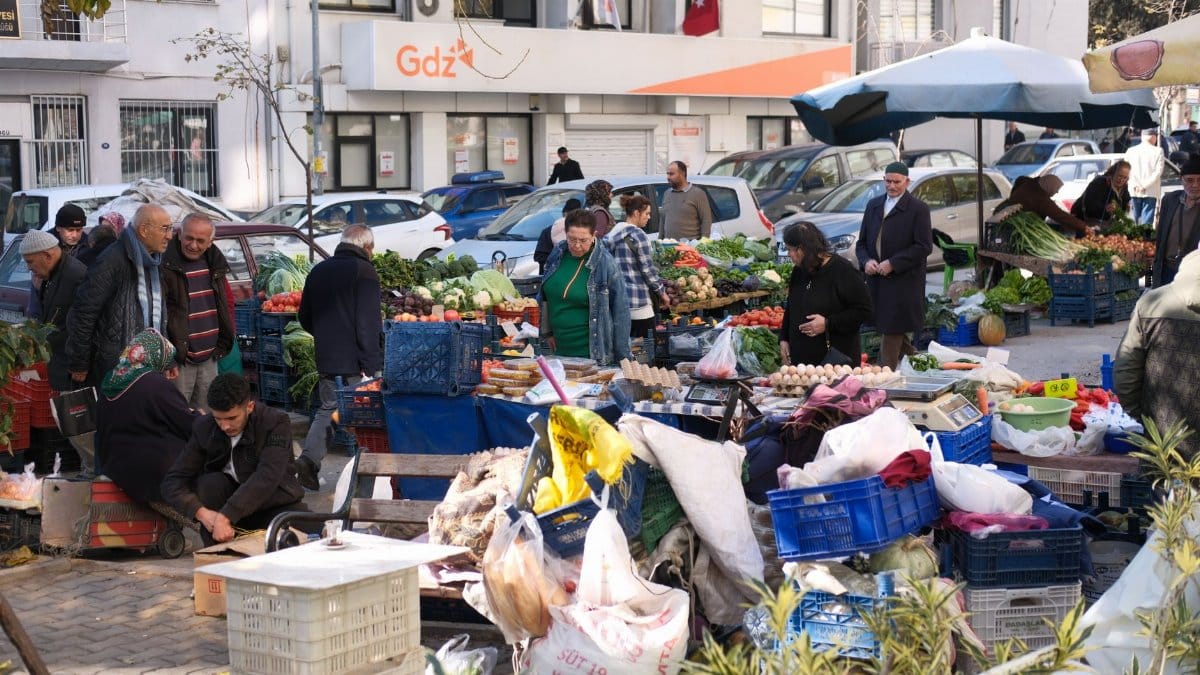
Front Range cities face distinct pressures compared with mountain towns or eastern plains communities where industries range from agriculture to energy extraction. One size policies often overlook these variations according to participants in the recent meetings. Tailored approaches may prove necessary.
Future outlook depends on swift coordinated action

The competitiveness council will issue recommendations after collecting more input from across the state. Success will require follow through from lawmakers and agencies working together with private sector voices. Without meaningful changes the recent job losses could mark the start of a longer decline rather than an isolated dip.