
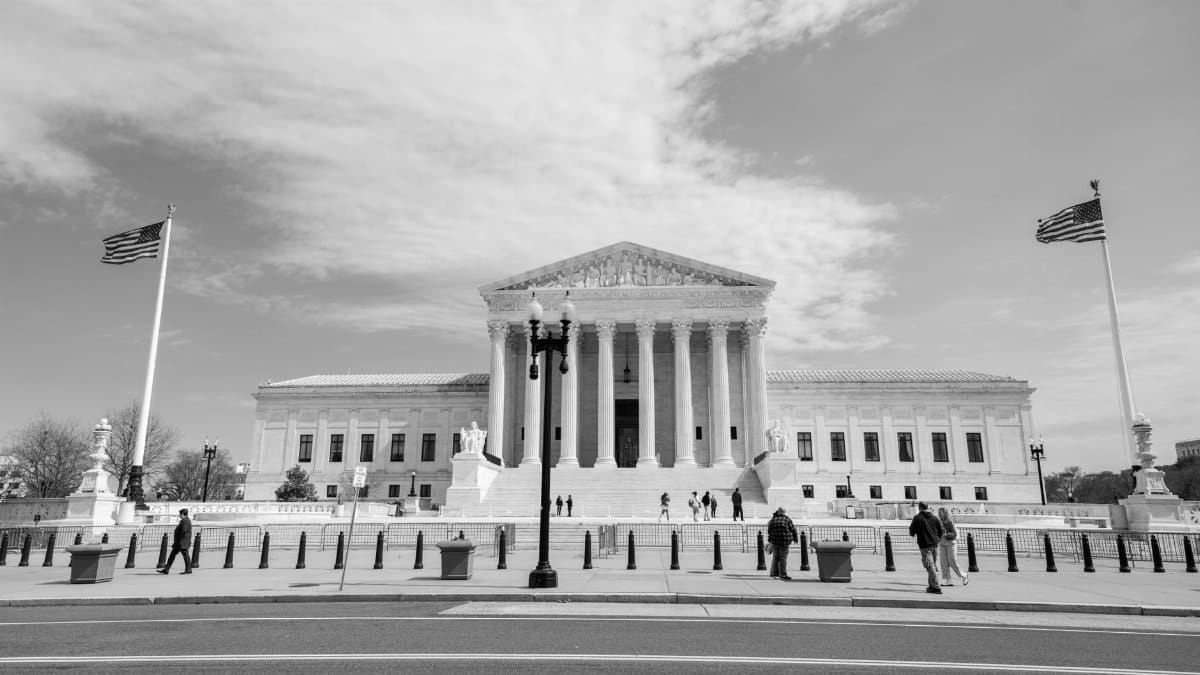
In the quiet suburbs north of Denver voters prepared for another round of boundary changes that would shape who represents them in Congress and the statehouse. Amid growing national debates over how lines get drawn the Colorado Redistricting Court stepped forward with a clear order that halted an approach many feared would tilt power unfairly. The move preserved a process meant to serve residents rather than political interests and set an example other states might study closely.
Roots of the Current Dispute

Redistricting in Colorado follows rules established by voters through past ballot measures. Those rules created an independent commission tasked with drawing maps after each census. Lawmakers from both parties challenged parts of the latest proposal claiming it failed to meet standards for equal population and community cohesion. The Colorado Redistricting Court reviewed the claims and found enough merit to pause further action until corrections occur.
Role of the Independent Commission

The commission includes citizens selected through a lottery system designed to limit partisan influence. Members studied population data public comments and geographic features when creating proposed districts. Critics argued some lines split neighborhoods or favored one party over another. Judges examined transcripts and expert testimony before issuing their directive to revise the maps.
Legal Standards at Issue

State law requires districts to keep counties and cities intact where possible and to respect minority voting strength. The Colorado Redistricting Court emphasized these points when it rejected portions of the submitted plan. The order directed the commission to reconvene and produce new versions that better balance those factors with overall population equality.
Comparison With Other States

Neighboring states have faced lawsuits after lawmakers retained control over map drawing. In several cases courts later overturned boundaries for violating fairness rules. Colorado avoided similar outcomes because its system places final authority with the independent group subject to judicial review. Observers note this structure reduces opportunities for self dealing by elected officials.
Impact on Upcoming Elections

New boundaries affect campaigns for state senate and house seats as well as congressional districts. Candidates must now adjust outreach plans to match revised neighborhoods. Residents may see different polling locations or find themselves in districts shared with new communities. The Colorado Redistricting Court decision aims to give everyone clearer notice well before filing deadlines arrive.
Public Reaction and Testimony

During hearings dozens of residents described how proposed lines would affect local schools and businesses. Some praised the commission for listening while others expressed frustration over specific splits. Judges weighed those accounts alongside demographic statistics. The resulting order reflects an attempt to honor both sets of concerns without favoring either major party.
Technical Adjustments Required

Staff for the commission must now recalculate population totals for several proposed districts. They will use updated census blocks to ensure no area deviates more than allowed from the ideal size. The Colorado Redistricting Court set a firm schedule for the revisions and subsequent public review period. Failure to meet that schedule could trigger further court involvement.
Broader Questions of Representation

Fair maps help ensure each vote carries roughly equal weight. When lines stray too far from neutral standards some groups gain extra influence while others lose it. The recent intervention by the Colorado Redistricting Court underscores ongoing efforts to protect that balance in a state experiencing steady population growth.
Next Steps for the Commission

Members will hold additional meetings to consider alternative configurations. They must post new drafts for comment and explain any changes from earlier versions. Once approved the maps return to the Colorado Redistricting Court for final certification. Only then can election officials begin preparing ballots and training workers.
Lessons for National Debate

Colorado experience shows how independent bodies plus active court oversight can limit extreme outcomes. Other states considering similar reforms may look at the timeline and legal tests applied here. The Colorado Redistricting Court order provides a recent illustration of how such systems function under pressure.
Historical Context in Colorado

Before voter approved changes maps were drawn by the legislature itself. That method produced repeated court challenges and accusations of favoritism. The shift to an independent process reduced some conflicts yet still left room for disputes over technical details. Judges continue to serve as referees when disagreements persist.