
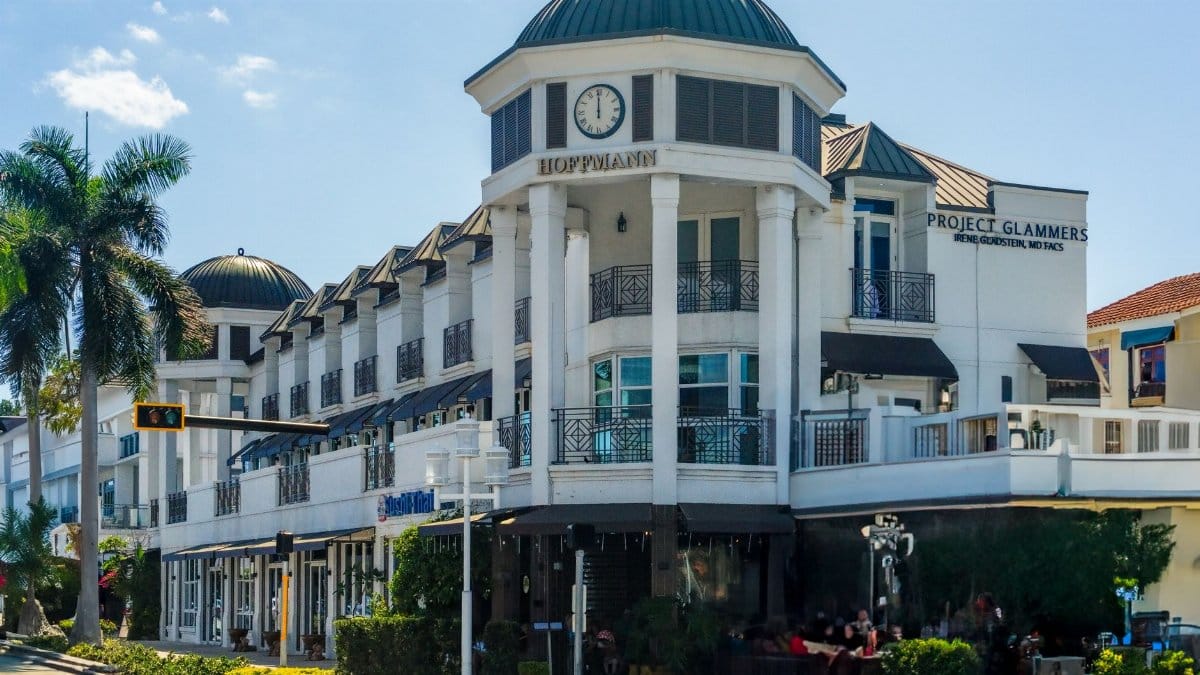
On the last Saturday of October, the light over Biscayne Bay still holds past six. A week later it will not. For households that measure the day by the color of the water rather than by a wall clock, the Miami daylight saving end arrives as a small but unmistakable change in the city’s evening character. Standard time returns at 2 a.m. on Nov. 1, and with it the sun drops earlier, traffic home happens on dimmer streets, and the outdoor hour that so many residents treat as necessary shrinks before dinner. The shift is national. In South Florida it feels personal, because so much of ordinary life is staged in the open air.
What actually happens in the small hours
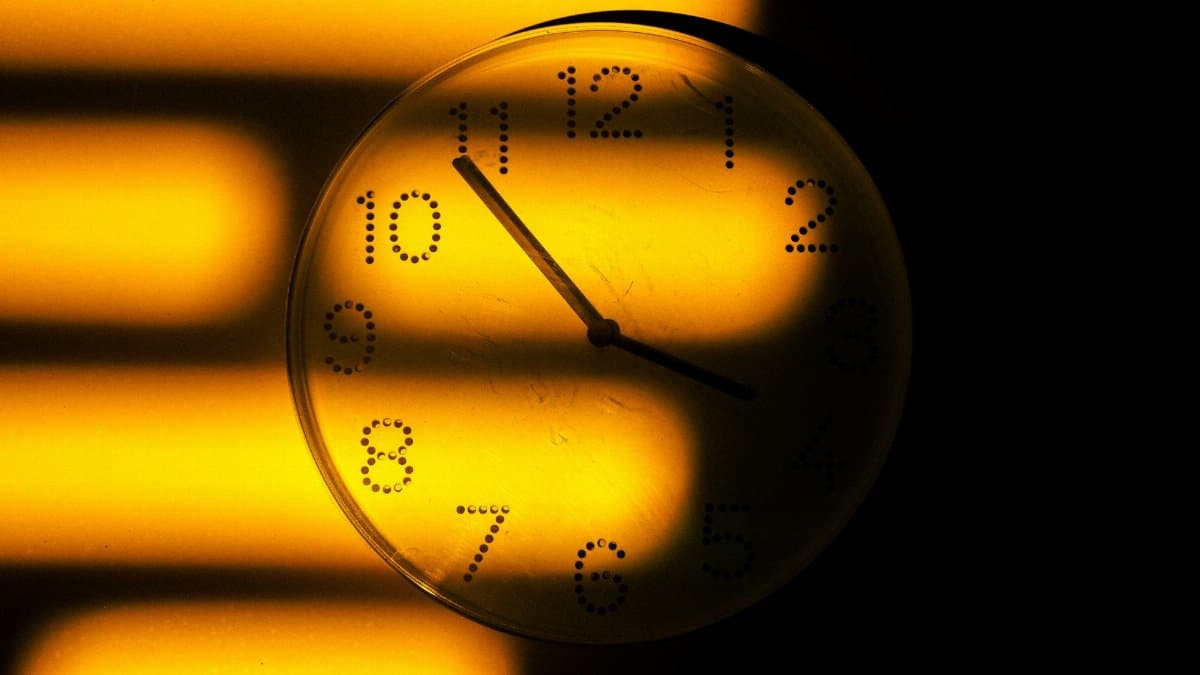
At 2 a.m. local time on Sunday, Nov. 1, clocks move back one hour to 1 a.m. The night is longer by design. Phones, computers, and most cable boxes adjust on their own. Kitchen clocks, car dashboards, and the occasional oven do not. People who work overnight shifts live the hour twice, which sounds like a gift and often feels like a muddle. Morning religious services, early flights out of Miami International, and hospital rounds all land on the new schedule whether anyone feels ready or not. The change is simple on paper and oddly intimate in practice, because it rearranges the private map of when a day begins.
How dark the first evening will feel
Published sun tables put sunset in Miami near 5:39 p.m. on Nov. 1, a sharp step back from the late light of early October. By the following weeks the sun continues its slide toward the earliest sunsets of the year, which in this latitude arrive in late November and early December, before the solstice itself. Sunrise, by contrast, comes earlier after the fallback, which is the part of the bargain that parents of small children and people who train before work tend to welcome. The trade is not abstract. A walk that last month ended in peach colored sky may now end under streetlights. According to the sun data compiled by Time and Date, Miami’s seasonal swing is milder than in northern cities, yet the psychological drop still registers because evenings here are when the city goes outside. The tables are easy to check at timeanddate.com.
Why bodies notice a one hour nudge

Sleep researchers have long argued that the clock on the wall and the clock in the body are not the same instrument. Light is the main signal that sets circadian rhythm. When sunset jumps earlier, melatonin rises sooner for many people, even if the social calendar still expects dinner at seven and a meeting at eight. The fallback in autumn is generally easier than the spring leap forward, which steals an hour of sleep and has been linked in broad population studies to short term bumps in heart events and traffic mishaps. Autumn is gentler, but it is not nothing. Grogginess, early hunger, and a strange sense that the evening has been edited are common for several days. Children often bounce back faster than adults who already sleep poorly.
A city that lives after work, suddenly indoors
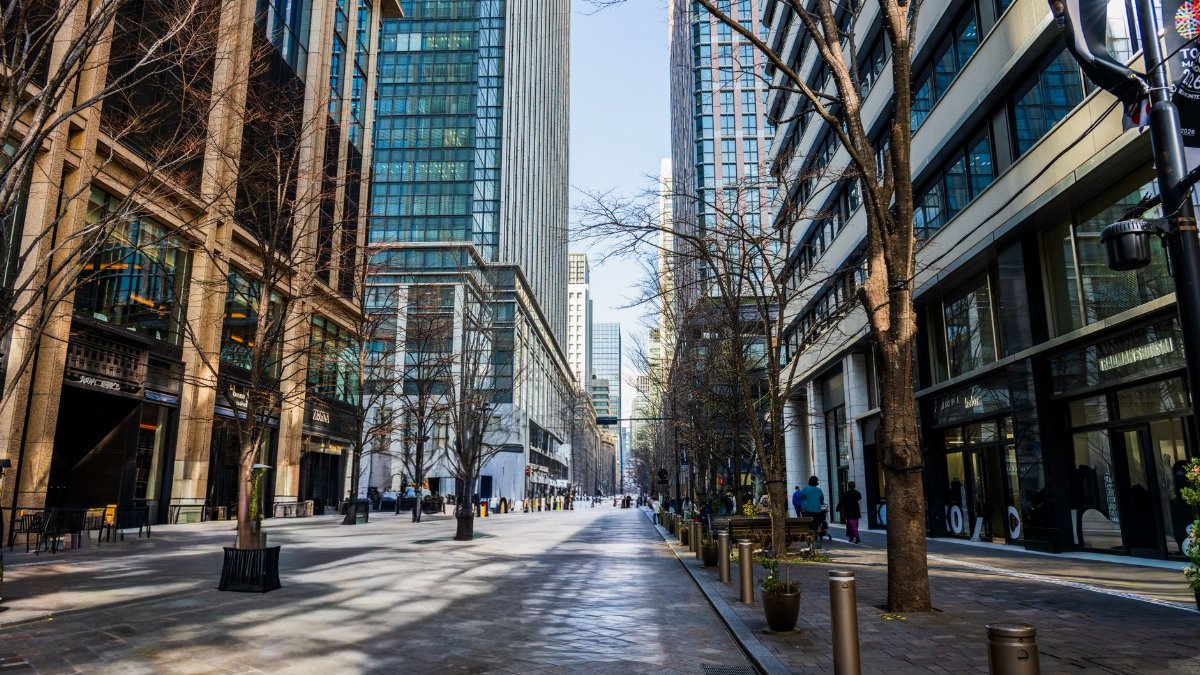
Miami’s civic personality is tied to patios, seawalls, youth soccer under floodlights, and the slow drift from office to ocean. When standard time returns, that personality compresses. Restaurants along Calle Ocho and in Brickell fill earlier. Beach parking lots empty while the air is still warm, which can feel like a contradiction: the temperature says stay, the sky says go home. Dog walkers, who know every crack in a given block, become the unofficial recorders of the change. They notice which porches turn lamps on, which neighbors vanish indoors, and which blocks feel less watched after dusk. Public safety advocates often use this week to remind drivers that pedestrians are harder to see, and that a warm evening is not the same thing as a bright one.
Faith, ritual, and the earlier dark
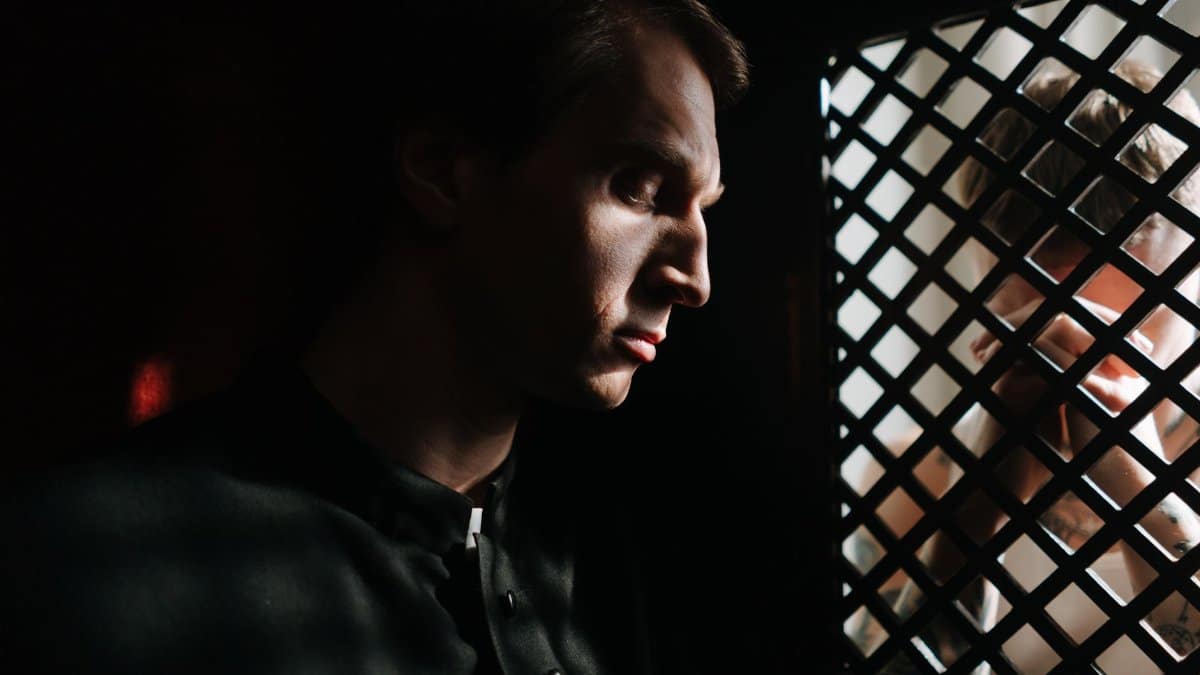
For a surprising number of South Florida congregations, the Miami daylight saving end is also a liturgical event, even if no one prints it in the bulletin. Jewish households calculate candle lighting from sunset, so the Friday window moves earlier and Shabbat arrives while many people are still in traffic. Muslim communities watching prayer times see Maghrib slide toward the late afternoon commute. Christian parishes that hold evening Mass, vespers, or midweek Bible study find the parking lot dark when it was recently glowing. Some pastors and rabbis treat the week as a prompt to talk about rest, not as a metaphor but as a schedule. The extra morning hour can become a quiet practice: a walk before email, a psalm before the news, a stretch of silence that the brighter season kept postponing. None of this requires a particular creed. It does require noticing that light has always organized worship more than clocks have.
What Florida has already asked Congress to do
Florida is not a passive spectator in the daylight saving debate. In 2018 state lawmakers passed, and then Gov. Rick Scott signed, a measure that would keep the state on daylight saving time all year, but only if Congress allows it. Federal law still permits a state to stay on standard time permanently, as Hawaii and most of Arizona do, but it does not allow year round daylight saving without a change in Washington. Bills with sunny names have come and gone on Capitol Hill. None has settled the question. Until that happens, Miami will keep performing the same twice yearly ritual as Atlanta, New York, and Chicago. The local frustration is real, and so is the lack of consensus among sleep scientists, retailers, and parents about which clock should win.
The argument for standard time, stated plainly
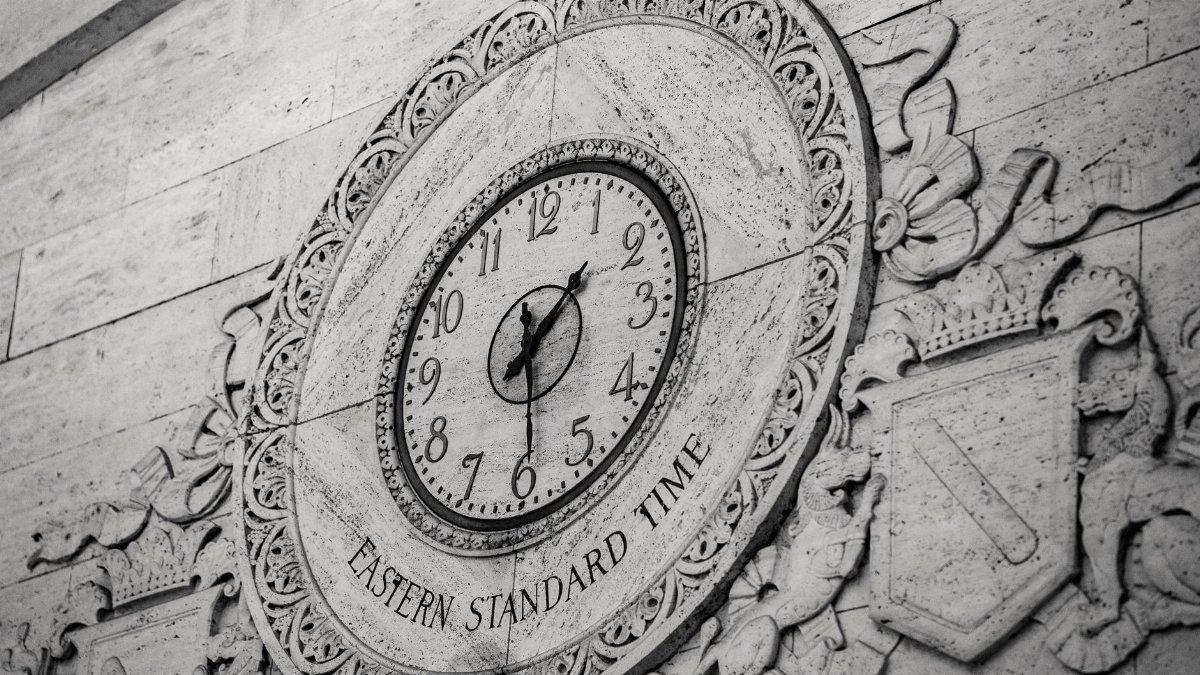
Groups such as the American Academy of Sleep Medicine have urged lawmakers to abolish the seasonal switch and adopt permanent standard time, on the view that morning light is more protective of sleep and health than an extra hour of evening sun. Permanent daylight saving, the option many sun seekers prefer, would push winter sunrises later, which in northern states can mean children waiting for the bus in full dark. Miami would feel that less severely than Minneapolis, which is one reason South Florida opinion often splits from national medical advice. A resident who surfs at dawn and a resident who coaches soccer at 6 p.m. are not describing the same good. Honest coverage has to hold both desires without pretending a single clock satisfies a whole coast.
Schools, shifts, and the ride home
The first Monday after the change is when institutions discover what families already know. School dismissal that felt reasonably lit in October can feel abrupt in November. After school programs, church youth groups, and club sports either move indoors or accept headlamps as standard gear. Health care workers coming off a twelve hour shift meet a different quality of fatigue, because the drive home no longer offers a visual cue that the day is closing in a gradual way. Transit riders standing on platforms notice it too. None of this is a crisis. It is a coordination problem, and cities that treat it as one tend to do small useful things: brighter crosswalks, earlier practice times, reminders that the clock in the car may still be wrong on Monday morning.
Mood, money, and the indoor hour

Retailers have mixed feelings about the early dark. Some see people head home and skip the extra errand. Others see earlier dinner reservations and a bump in delivery orders. Gyms often report a brief rise in evening membership use, as people trade the beach for a treadmill when the sky no longer cooperates. Seasonal mood shifts are less discussed in Miami than in cloudier climates, and for good reason: winter here is still bright, still warm enough for a long lunch outside, still a season that northern visitors fly toward. Even so, clinicians who treat depression say a subset of patients feel the shorter photoperiod, especially those who work in windowless offices and then commute in the dark both ways. The remedy they tend to recommend is ordinary and unromantic: morning light, a consistent wake time, and less heroic expectations for the first week.
How households can use the gained hour

The folklore says people should sleep through the extra hour. Many will spend it refreshing a phone at 1:40 a.m. instead. A more realistic plan is modest. Move bedtime earlier by fifteen minutes for a few nights before the change, so Sunday morning does not feel like a prize that vanishes by noon. Reset the devices that will not reset themselves on Saturday evening, not Sunday when everyone is rushing. If the household includes an older relative who keeps a manual clock, that call is an act of care as much as a technical fix. Parents can tell children the truth in plain language: the sun is not broken, the schedule is. Pets, famously unimpressed by policy, will demand breakfast at the old hour for several days. Feeding them on a slow slide toward the new time saves everyone a week of indignant barking.
Weather still sets the mood more than the clock

Standard time in Miami is not the same experience as standard time in a city already bracing for ice. Afternoon temperatures in early November often remain in the low eighties, humidity eases, and the first genuine cool fronts are treated as civic holidays. The darker evening therefore arrives inside a season that many locals rank as the best of the year. That mismatch is the story’s quiet tension. The sky says November. The air says stay outside. People solve it the way they solve most Miami problems, by adapting the plan rather than abandoning it: earlier tee times, sunset picnics that start at four, porch visits that no longer wait for the workday to fully end. The Miami daylight saving end does not cancel the season. It edits the lighting.
A practical week, not a cultural emergency

It is tempting to treat the clock change as either a scandal or a nothing. It is neither. It is a nationwide administrative habit with local consequences for sleep, safety, prayer times, and the simple pleasure of seeing a neighbor’s face on the sidewalk. Residents who want a different system have a real avenue, which is political, slow, and currently stalled. Residents who simply want a tolerable week have a shorter list: morning light, honest bedtimes, checked smoke alarm batteries during the extra hour, and a little patience with anyone who seems slightly out of step. I have watched this week from a balcony more than once, and the striking thing is not confusion. It is how quickly the city accepts a new edge to the day and keeps its appointments anyway.
What to watch as winter light settles in

After Nov. 1 the adjustments keep coming, only more slowly. Sunsets creep earlier into December, then begin their return. Sunrise, made earlier by the fallback, starts to drift later again as the calendar approaches the solstice. Anyone planning an outdoor wedding, a shoreline vigil, a school concert, or an evening game would do well to look up the sun table rather than trust last year’s memory. The same link that shows the Nov. 1 sunset will show the weeks beyond it. In a place where weather is a daily character and light is a kind of public utility, that small act of looking is its own form of attention. The Miami daylight saving end is one Sunday on the calendar. The darker evenings it begins will shape commutes, congregations, and quiet mornings well past Thanksgiving, until the light, as it always does here, starts to give the day back.