
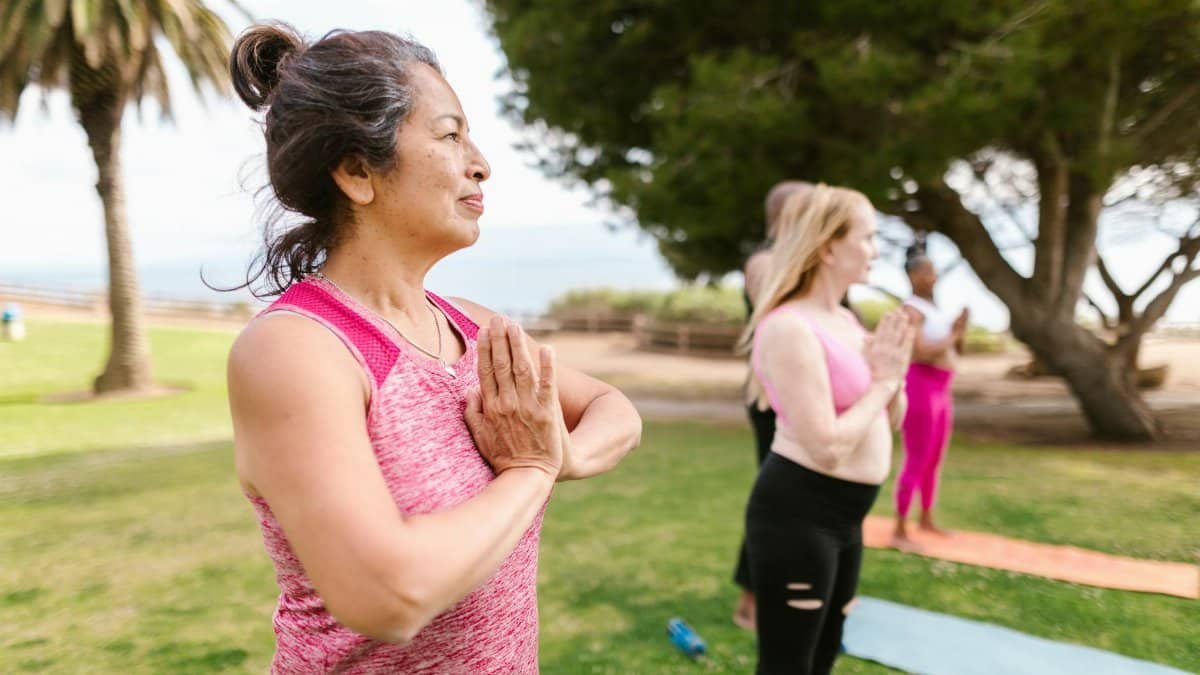
A recent study from the American Psychological Association revealed that nearly 40% of Americans report heightened stress levels compared to five years ago, a figure that’s surged amid ongoing economic pressures and social changes. This statistic underscores a growing need for accessible wellness options, especially in urban areas like Cleveland, where community initiatives are stepping up. Enter the city’s latest effort: yoga classes in local parks, designed to blend cleveland wellness with stress relief. These sessions, launching in 2025, aim to make mindfulness practices available to everyone, from busy professionals to families seeking a breather. By hosting free or low-cost events in green spaces, Cleveland hopes to foster mental resilience, turning public parks into hubs for collective calm. It’s a timely move, reflecting broader U.S. trends toward integrating physical activity with emotional health support.
The Roots of Cleveland’s Yoga Initiative
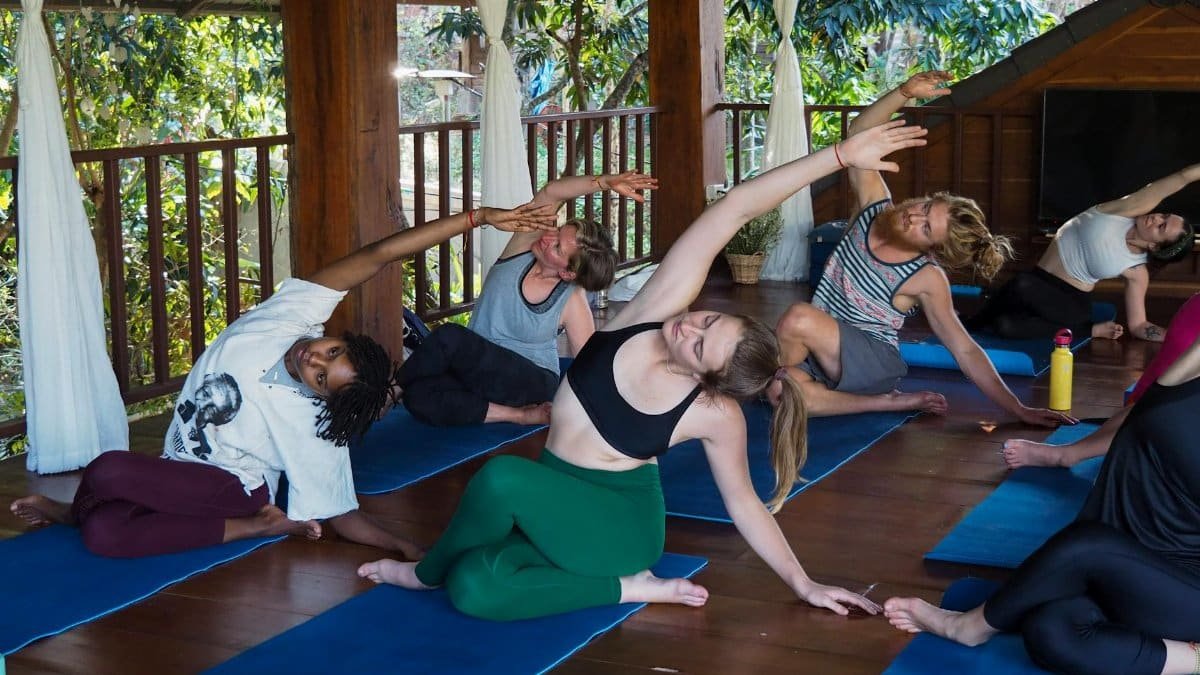
Cleveland’s push for yoga in the parks didn’t emerge overnight. It stems from a recognition that mental health challenges have been mounting in the city, much like elsewhere in the Midwest. Local health officials noticed a spike in stress-related complaints during routine community surveys, prompting a deeper look into preventive measures. Drawing inspiration from successful programs in places like Chicago and Minneapolis, Cleveland Parks and Recreation decided to adapt yoga as a tool for public wellness. The idea is simple yet profound: bring people together in nature to practice poses and breathing exercises that ease tension.
One resident, a middle-aged accountant named Sarah, shared how the announcement resonated with her. “I’ve been juggling work and family for years, and the idea of unwinding in a park instead of a stuffy studio feels liberating,” she said. This sentiment echoes many in the community, where access to affordable stress relief has been limited. The initiative ties into broader cleveland wellness efforts, emphasizing that yoga classes aren’t just about flexibility—they’re about building emotional strength amid daily grind.
Experts point to data supporting this approach. For instance, research from the National Center for Biotechnology Information highlights how outdoor yoga can reduce cortisol levels, the hormone linked to stress. In Cleveland, this means transforming spaces like Edgewater Park into sanctuaries for mind-body connection.
Designing Sessions for All Ages and Abilities
What makes these yoga classes stand out is their inclusivity. Planners have crafted sessions that cater to beginners, seniors, and even families with children. Imagine a gentle morning flow where participants of varying fitness levels gather on mats under shady trees, guided by certified instructors. The focus isn’t on perfect poses but on personal progress and stress relief.
Take a typical class outline: It starts with simple breathing techniques to center the mind, moves into accessible stretches, and ends with a short meditation. This structure draws from evidence-based practices, as noted in a report by the Centers for Disease Control and Prevention, which advocates for adaptable physical activities to promote mental health. In Cleveland, adaptations include chair yoga for those with mobility issues, ensuring no one feels left out.
Online discussions often reveal a common thread—people craving options that fit their lives. One anonymous account described feeling overwhelmed by high-pressure gym environments but excited about park-based alternatives: “It’s like the city is finally acknowledging that wellness should be easy and free.” Such stories highlight how these classes address real barriers, making cleveland wellness more equitable.
Linking Yoga to Broader Stress Relief Strategies
Yoga alone isn’t a cure-all, but in Cleveland’s program, it’s part of a larger toolkit for stress management. Sessions often incorporate elements like mindfulness talks or group sharing circles, encouraging participants to discuss daily pressures. This holistic angle aligns with findings from the American Psychological Association, which stresses the value of combined physical and psychological interventions.
Picture a late-afternoon class winding down as the sun sets over Lake Erie. Attendees linger, chatting about how a few deep breaths helped them release the week’s worries. It’s these moments that build community bonds, turning individual stress relief into a shared experience. For many middle-aged participants, who’ve weathered career shifts and family demands, this offers a rare chance to pause and reflect.
Yet, there’s nuance here. Not everyone responds the same way; some find the group setting invigorating, while others prefer solitude. Cleveland’s initiative acknowledges this by offering varied class times and themes, from energetic vinyasa to restorative yin, ensuring yoga classes serve diverse needs in the realm of cleveland wellness and stress relief.
Community Impact and Early Feedback
Even before the full rollout in 2025, pilot sessions have generated buzz. Feedback from initial participants paints a picture of tangible benefits: reduced anxiety, better sleep, and a sense of belonging. One group, meeting in a downtown park, reported feeling more connected to their neighbors, a subtle but powerful outcome in a city grappling with isolation post-pandemic.
This mirrors national trends, where community wellness programs are gaining traction. According to Pew Research, about 25% of U.S. adults now engage in some form of mindfulness practice, up from a decade ago. In Cleveland, the parks department is tracking these metrics through voluntary surveys, aiming to refine the program based on real input.
A brief anecdote from a recent trial class illustrates the ripple effects. A father attending with his teenage daughter described how the session sparked a conversation about school stress they hadn’t had before. “It opened doors,” he said. Such stories underscore how yoga classes can extend beyond the mat, fostering deeper stress relief within families and communities.
Challenges in Implementation

No initiative is without hurdles. Weather in Cleveland can be unpredictable, potentially disrupting outdoor classes. Planners are countering this with indoor alternatives at community centers during inclement days. Funding, too, poses a question—relying on grants and donations to keep sessions affordable.
Another layer: ensuring cultural sensitivity. Yoga’s roots in Indian traditions mean instructors are trained to honor its origins while making it accessible. This approach avoids appropriation, as discussed in resources from the Yoga Alliance, which provides guidelines for ethical teaching.
Despite these challenges, the program’s flexibility shines. When a sudden rainstorm hit one pilot, the group simply moved under a pavilion, turning it into an impromptu lesson on adaptability—a metaphor for stress relief itself. It’s this resilience that could make Cleveland’s effort a model for other cities.
Sustaining Momentum Beyond 2025

Looking ahead, the goal is longevity. Cleveland officials plan to expand the program, perhaps partnering with local businesses for sponsored classes or integrating it into school curricula. This forward-thinking strategy builds on the idea that consistent access to yoga classes can lead to lasting cleveland wellness habits.
Participants are already brainstorming ways to keep the energy alive, like forming buddy groups for off-season practices. One woman, reflecting on her experience, noted, “It’s not just about the classes; it’s about carrying that calm into everyday life.” As 2025 unfolds, these yoga events could redefine how Clevelanders approach stress relief, proving that small, communal steps can yield big shifts in mental health.
Why This Matters for Urban Wellness
In a broader sense, Cleveland’s yoga initiative speaks to a national conversation about urban living and mental well-being. Cities across the U.S. are rethinking public spaces, turning them into venues for health rather than mere recreation. Here, yoga classes embody that shift, offering stress relief amid the hustle.
Consider the sensory appeal: the rustle of leaves, the distant hum of traffic fading as breaths synchronize. It’s a reminder that wellness doesn’t require fancy equipment—just intention and community. For middle-aged readers navigating midlife transitions, this accessible path to cleveland wellness could be a game-changer, blending physical movement with emotional release in ways that feel both practical and profound.