
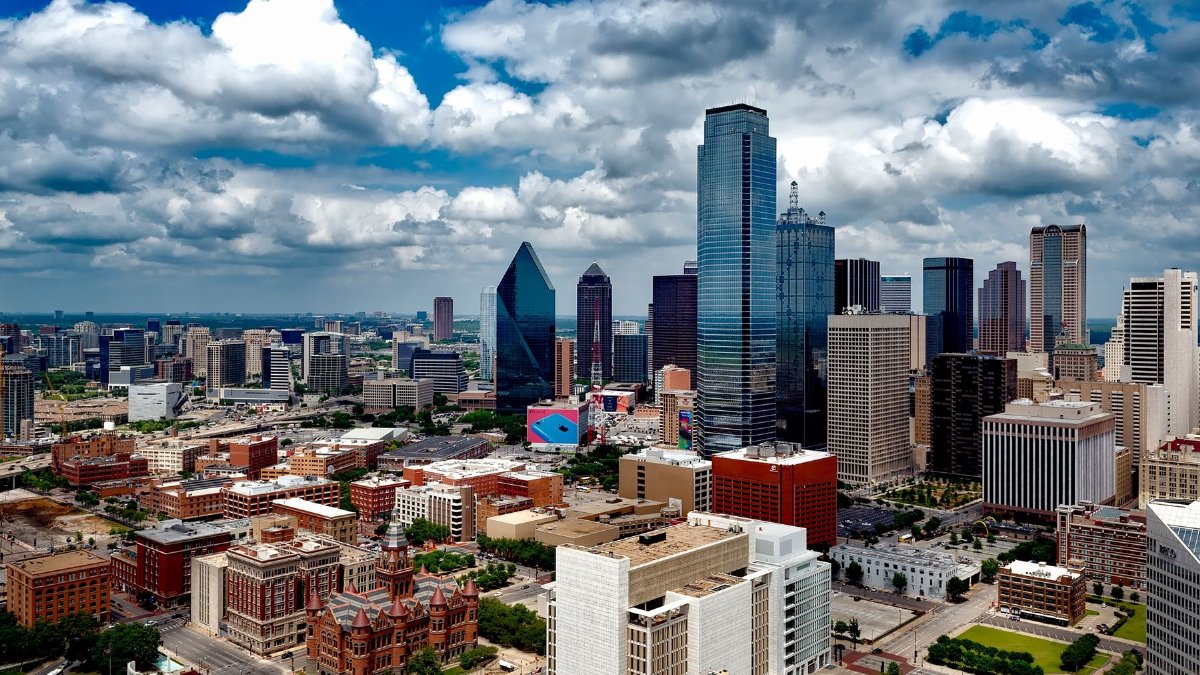
The light hits the glass on Commerce Street before most meetings begin, and the reflection is full of scaffolding. That is the Dallas a visitor notices first: cranes, detours, and a downtown that refuses to sit still. City Manager Kimberly Bizor Tolbert has been making a more specific claim, that Dallas transformation is not a future brochure but a present condition, visible in capital projects, corporate arrivals, and a renewed argument about southern neighborhoods that spent decades waiting for the same attention. For a city this large, the question is less whether change is coming than whether the people who live with the dust will recognize themselves in the result.
A manager asked to hold the whole map

A city manager does not set the grand vision alone. The council does that, in public, often loudly. The manager has to turn votes into schedules, contracts, and payroll. Tolbert sits in that narrow space, responsible for a workforce that picks up trash, staffs libraries, answers 911 calls, and also tries to land the kind of projects that change a skyline. Residents rarely see the memos. They see whether a street is repaved and whether a promise about a park survives the next budget.
Dallas is not a small town discovering growth. It is a mature city arguing with its own success. Population and job gains in North Texas have been real for years, even as some central neighborhoods have felt bypassed. The managerial task is to keep basic services credible while the civic conversation tilts toward transformation. If the trash is late, the cranes do not persuade anyone.
Downtown as more than a postcard
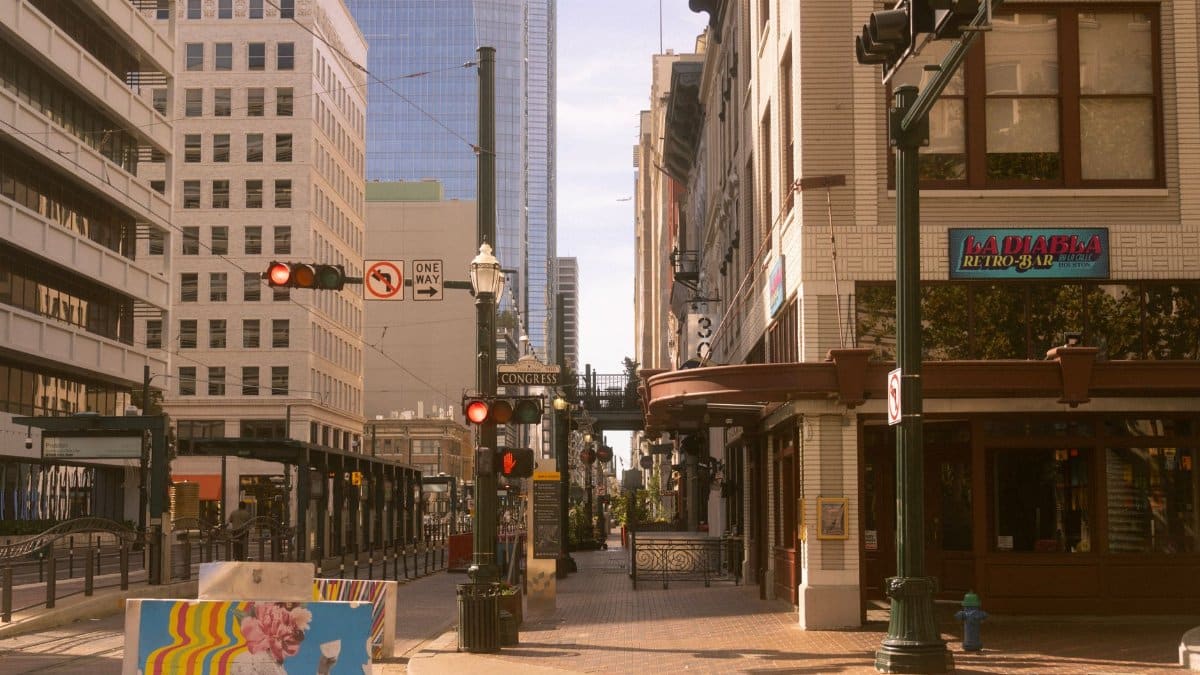
Downtown Dallas has spent a generation trying to become a place people live, not only a place they leave at dusk. Converted office towers, new parks, and a convention district under reconstruction are part of that bet. The logic is familiar to other American cities: a center that is active at night supports restaurants, transit, and a sense that the city has a shared room.
The risk is also familiar. A polished core can become a stage set if housing nearby is too expensive and if the streets feel managed for visitors rather than for residents. Tolbert’s case, as it has been presented publicly, treats downtown investment as one piece of a wider civic project, not a substitute for neighborhoods farther from the towers. That distinction matters. A skyline is easy to photograph. A weekday grocery run is harder, and more revealing.
Where the financial map is moving

Corporate geography is not abstract in Dallas. When a bank, an asset manager, or a professional services firm adds floors or a campus, the effects show up in apartments, school enrollment, and the price of a lunch counter. North Texas has drawn a notable share of financial and corporate expansion away from coastal centers, helped by airport access, a deep labor pool, and a political climate many executives describe as predictable.
None of that guarantees broad prosperity. A new trading floor can raise commercial rents nearby without raising wages for the people who clean the building. The honest civic question is whether Dallas can capture tax base from these arrivals and spend it in ways residents can see: streets, libraries, public safety staffing, and small business corridors that are not already flush. Transformation that only rearranges wealth inside a few ZIP codes will eventually look like displacement with better branding.
Southern Dallas and the long wait
Southern Dallas is the moral center of this argument, whether or not every briefing says so. For decades, investment maps have favored northern corridors, while southern neighborhoods carried the reputation and the infrastructure deficits. Residents there do not need another listening session that ends in a slide deck. They need grocery options, safe crossings, reliable drainage, and employers who stay.
City leaders, including Tolbert, have tied the current moment to projects meant to rebalance that history: commercial sites, housing efforts, and public facilities pitched as proof that southern Dallas is not an afterthought. Skepticism is rational. Plans have been announced before. The test is sequence. Does land get prepared, does a tenant arrive, does a bus still run after dark, and does a family see a difference before the next election cycle resets the rhetoric?
Equity is not a mood. It is a pattern of contracts, zoning choices, and maintenance. A powerful Dallas transformation, if the phrase is to mean anything south of the river, has to survive an audit by people who have heard it before.
Housing, buses, and the week people actually live
Housing is where civic poetry meets a lease. Dallas, like much of the country, has not built enough homes for the households competing for them. Rents and purchase prices have pressed outward, pushing workers farther from jobs and lengthening commutes that already test patience on freeways. Adding supply is not a favor to developers. It is how a growing region avoids sorting itself only by income.
Transit sits in the same frame. Dallas Area Rapid Transit remains essential for people who do not drive, and contested among people who do. Frequency, safety on platforms, and last mile connections decide whether rail is a real option or a symbol. A city manager cannot redraw every route by decree, but operations, policing partnerships, and land use near stations are within the civic toolkit. If new offices rise and the bus does not come, the transformation is a private event with public costs.
Parks, culture, and rooms that belong to everyone
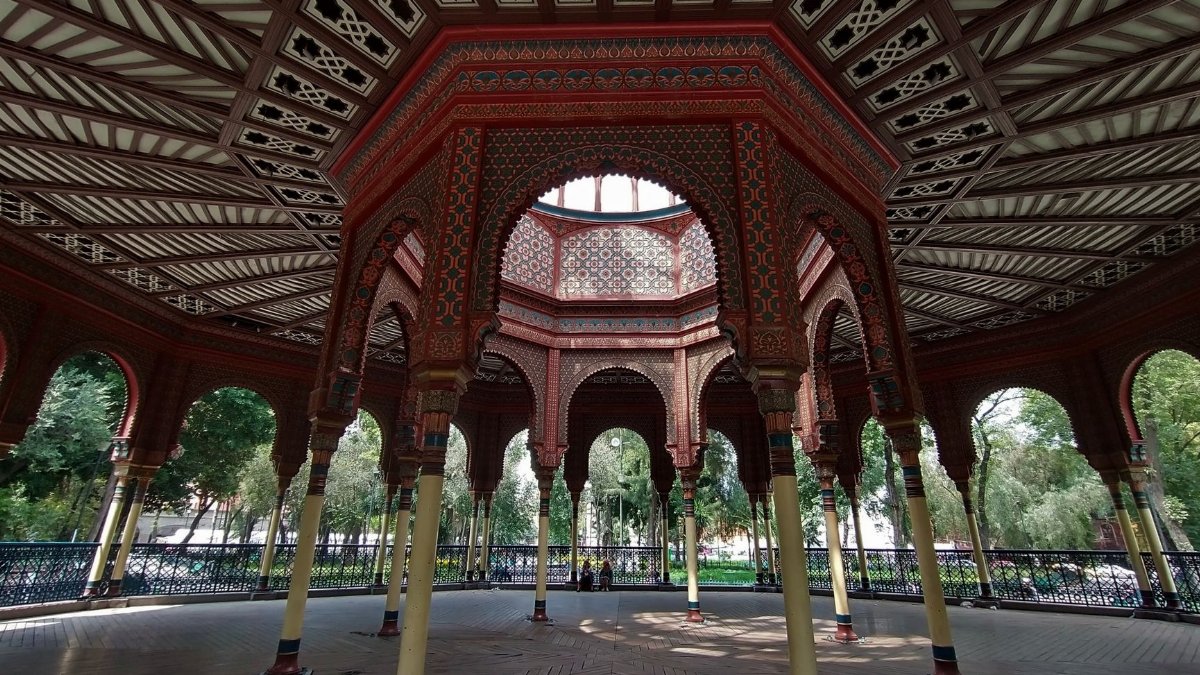
Cities reveal their values in places that do not charge admission. Fair Park, the Trinity corridor, neighborhood rec centers, and smaller green spaces are not amenities in the decorative sense. They are how strangers share a Saturday without a transaction. Dallas has invested political energy in these public rooms, sometimes unevenly, and the arguments over design and access are as fierce as any budget fight.
Culture works the same way. Museums, music, and food corridors give a city a memory. They also become economic engines, which is useful and dangerous. A lively street employs people. Success can also price out the culture that made the street worth visiting. Stewardship means protecting rehearsal space and storefronts, not only cutting ribbons at flagship buildings.
The budget is the real speech
Every transformation story eventually meets a spreadsheet. Dallas must fund police and fire, pensions, streets, and debt service while chasing projects that promise a larger tax base later. Residents hear the aspiration in speeches and feel the constraint in fees, response times, and potholes. Tolbert’s credibility will rest less on vision language than on whether the books stay intelligible and the tradeoffs are named in plain English.
Transparency is not a press release. It is a resident being able to see why one corridor moved ahead of another, which contractor won, and what happens if a revenue forecast slips. North Texas growth has papered over weak choices before. It should not be treated as a permanent pardon. A city can be ambitious and still tell the truth about what it cannot finish this year.
Leadership under a loud public

Dallas politics is not quiet. Council districts pull in different directions. Business groups, neighborhood associations, and activists all claim the center. A city manager who tries to please each of them in the same week will satisfy none. The useful posture is steadier: explain the constraint, publish the timeline, and accept that some disappointment is evidence of governing rather than of failure.
Tolbert’s tenure will be read through that lens. Supporters will point to momentum, corporate confidence, and a southern Dallas agenda that is at least on the table. Critics will ask who is displaced, which promises slip, and whether downtown sparkle is being asked to stand in for harder work. Both readings can be partly right at once.
What would count as success

Success should be boring enough to measure. More homes that ordinary wages can reach. A downtown that is occupied on a Tuesday night without feeling sealed off. Southern commercial corridors with tenants, not just renderings. Buses that arrive often enough to plan a shift around. Parks that are clean because maintenance is funded, not because a festival is coming.
Dallas transformation, repeated as a slogan, will wear out. Dallas transformation, tested against those ordinary measures, could still be a fair description of this period. Tolbert does not own every lever. Councils change, markets turn, and a single storm can reorder a capital plan. What she can own is the managerial honesty that keeps big projects from floating free of daily life.
I have walked enough American downtowns to distrust a crane as proof of wisdom. The proof is quieter: a parent who can get to work, a block that feels claimed by its neighbors, a budget that does not hide the cost. If Dallas can show that, it will already be the city people are living in.