
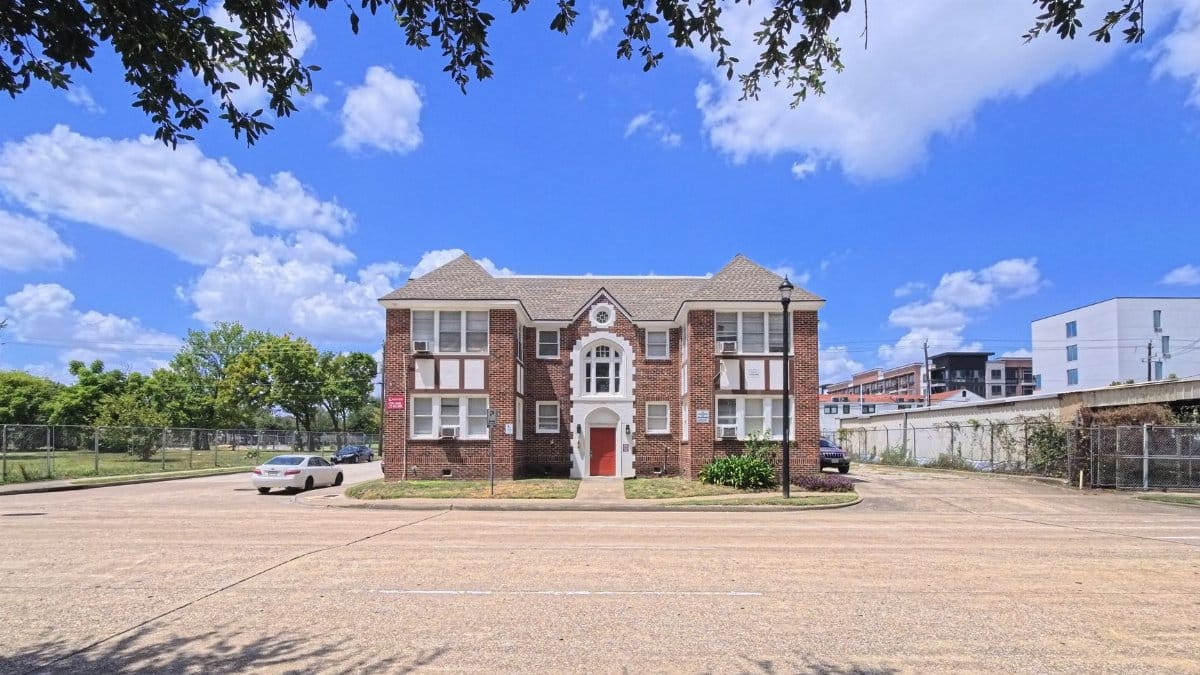
In neighborhoods across the city of Houston a local church has begun addressing pressing shelter shortages through dedicated programs. This development in Houston church housing comes at a time when many families face rising costs and limited options for stable living spaces. Observers note that such initiatives reflect broader trends where religious groups fill gaps left by traditional systems. The approach combines spiritual values with tangible support creating opportunities for those struggling to find homes. Recent coverage in a major local publication has brought fresh attention to these efforts highlighting both successes and ongoing challenges in the region.
Background on the Church Project
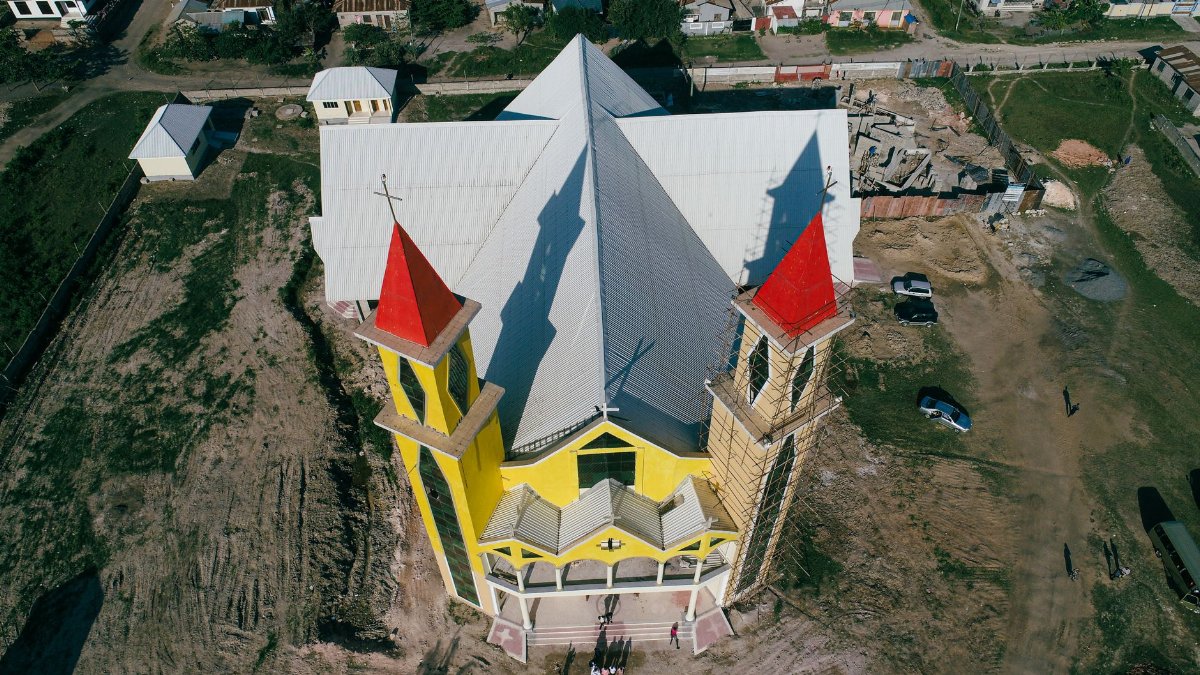
The effort traces its roots to conversations among congregants who saw daily struggles in their own community. Leaders decided to convert underused land into living quarters after consulting with city officials and housing experts. Early plans emphasized affordability and integration with existing neighborhood features.
Role of Faith in Community Support
Religious motivation plays a central part as members view the work as an extension of their beliefs about caring for others. Volunteers contribute time and resources without expectation of payment. This outlook has helped sustain momentum even when funding proved difficult to secure.
Partnerships With Local Authorities
City agencies have provided permits and guidance to ensure compliance with regulations. Officials praise the collaboration as a model for public and private cooperation. Such ties reduce delays and allow construction to proceed more smoothly than in similar past attempts.
Challenges in Securing Funds

Raising the necessary capital required creative approaches including donations from members and grants from foundations focused on social welfare. Economic shifts in recent years added pressure but persistent outreach yielded results over time. The process taught organizers valuable lessons about budgeting and resource management.
Impact on Residents Served

Families who moved into the new units report greater stability and improved daily routines. Children attend schools more consistently while adults pursue job opportunities with less worry about relocation. Stories from participants illustrate the human side of the broader Houston church housing initiative.
Design Features of the Housing Units

Architects incorporated elements like shared green spaces and energy efficient layouts to promote long term livability. Materials were chosen for durability in the local climate. These choices aim to keep maintenance costs low for both the church and future occupants.
Future Expansion Possibilities

Planners are exploring additional sites that could double capacity within the next few years. Discussions with neighboring congregations suggest potential for joint ventures. Growth would depend on continued community backing and favorable economic conditions.
Broader Implications for Urban Areas

Success here could inspire similar actions in other cities facing comparable shortages. Analysts point to the blend of spiritual drive and practical execution as a replicable formula. Houston church housing stands as one example of how institutions adapt to meet evolving social needs. Further details appear in coverage from the Houston Chronicle dated July 27 at the provided source link.