

On a gray November afternoon in Harvard Square, the kind of light that makes brick look older than it is, people slowed in front of a darkened doorway they had walked past for decades. Menus were gone. The familiar clatter was gone. A handwritten note, already softening in the damp, told passersby what many regulars had feared since water rose through the lower rooms. Charlie’s Kitchen closes, the owner said, and this time the closing is permanent. For more than seventy years the room had been a place where students, cab drivers, professors, and people who simply wanted a burger and a beer could sit without performing Cambridge. Flood damage ended that run. What remains is the quieter question of what a neighborhood loses when a room like that goes dark, and whether anyone will bother to build another one that asks so little of the people who enter.
A doorway that outlasted the fashions
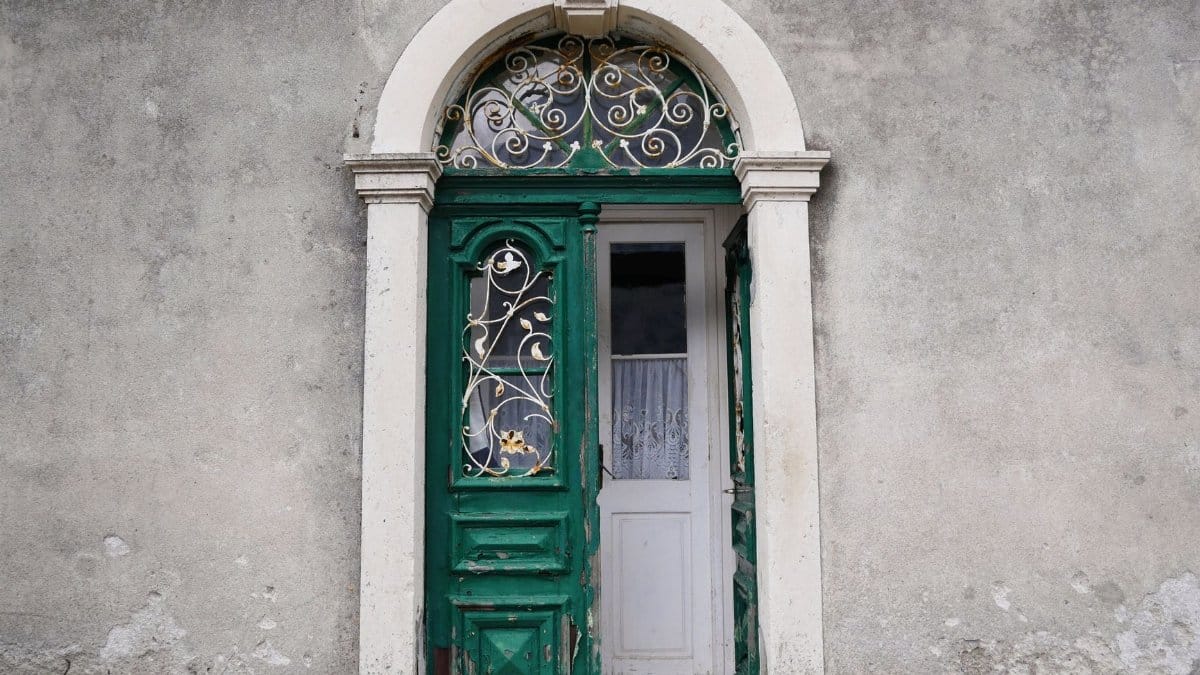
Charlie’s Kitchen was never the restaurant people photographed for its plating. It was the other kind of success, the kind measured in how little a person had to explain themselves at the bar. Harvard Square has cycled through bookstores, record shops, chain cafes, and glossy newcomers that arrive with a concept and leave with a lease dispute. This place stayed put. It fed late shifts and early lectures. It tolerated noise. It tolerated quiet. In a district that often sells proximity to prestige, it sold something plainer: a seat, a meal, and the assumption that you belonged for as long as you were there.
That plainness is easy to underrate until it disappears. A city can keep its landmarks and still lose the rooms where ordinary life actually happens. The square will still have famous names on its corners. What it will not have, if the owner’s account holds, is this particular continuity, a business old enough that grandparents and grandchildren could claim the same table without irony.
What the water took

The immediate cause, as described by the owner and reported by the Boston Globe, was flood damage severe enough to end the operation rather than pause it. Water in a restaurant is not a metaphor. It ruins equipment, wiring, stored food, and the invisible systems that let a kitchen open on time. Insurance arguments can stretch for months. Repairs can cost more than a thin margin business can borrow. For a room that has already survived recessions, changing tastes, and the long disruption of the pandemic years, a flood can be the injury that makes every other cost suddenly decisive.
Readers outside Cambridge may hear this as a local misfortune. It is also a pattern. Older restaurants often occupy older buildings, with basements, aging pipes, and landlords who did not design the space for a wetter century. When Charlie’s Kitchen closes after damage of that kind, the story is about one address and about how fragile a long tenure can be once water gets in.
The owner’s choice to end it
Permanence is a word owners use carefully. Temporary closures invite hope, fundraisers, and rumors of a reopening. A permanent closing asks the public to stop waiting. According to the owner, that is the decision here: not a seasonal pause, not a renovation with a return date, but an ending. The phrasing matters because communities often refuse to accept a last night until someone states it without qualification.
I have watched people bargain with a darkened storefront, reading a sign twice as if the second reading might soften it. That bargaining is a form of loyalty. It is also a burden. An owner who has carried payroll, repairs, and the emotional labor of being everyone’s familiar place may not have another recovery in them. Respecting the decision does not require pretending the loss is small.
Who kept the stools warm

A restaurant of this age collects people the way a river collects stones. There were students who came for cheap calories and stayed, years later, because the room still recognized them. There were workers from nearby shops who needed a meal between shifts. There were visitors who stumbled in and regulars who never bothered with the menu. None of that is romantic if you have worked a Saturday night. It is labor, repetition, and the small courtesies that make repetition bearable.
When Charlie’s Kitchen closes, those courtesies do not transfer automatically to the next tenant. Staff scatter. Some will find other kitchens. Some will leave the industry, which has asked a great deal of them for modest pay. Regulars will try other rooms and discover that familiarity cannot be ordered off a list. The social knowledge of a place, who sits where, which joke is old, which silence is welcome, dies faster than the building.
Harvard Square and the cost of memory
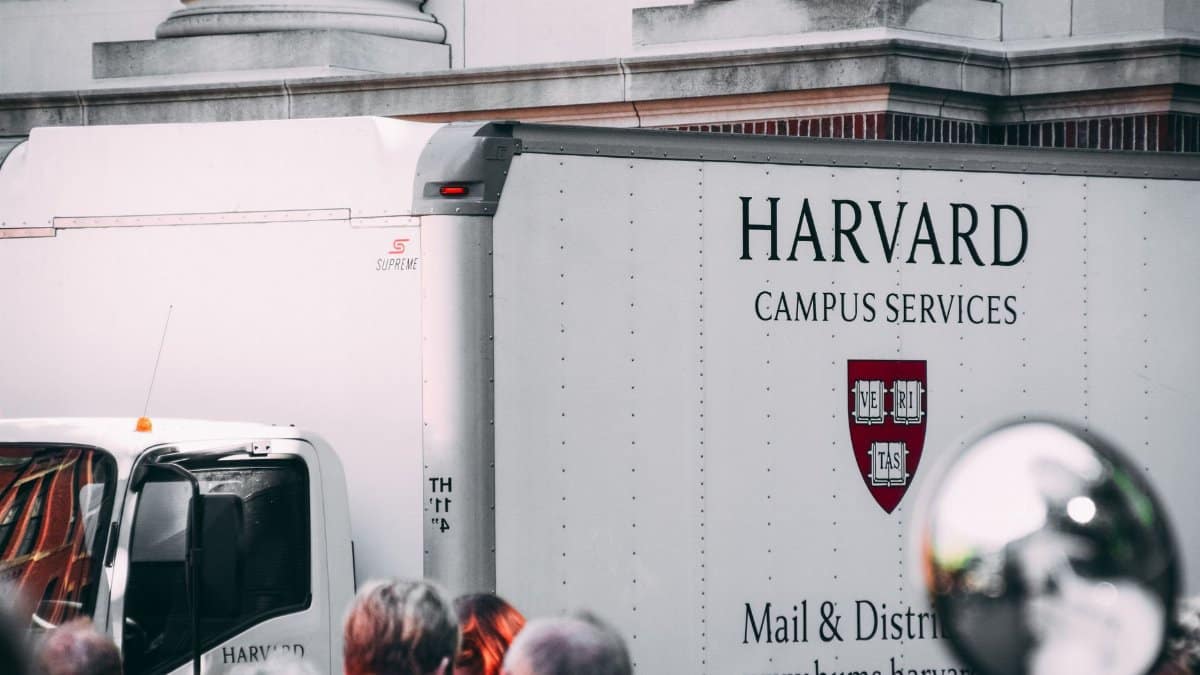
Cambridge has spent years arguing about what Harvard Square is for. Is it a campus annex, a tourist stage, a shopping district, a neighborhood? Each answer leaves someone out. The businesses that survive tend to be those that can pay rising rents with high turnover or a strong brand. The businesses that linger in memory are often the ones that cannot. That tension is not new, and it is not solved by mourning a single closing. Still, a closing makes the tension visible.
People will say the square has changed, as if change were a weather system no one voted for. Rents, ownership, tourism, and the habits of students are choices stacked over decades. A flood is not a choice. The inability of an old restaurant to absorb that flood and reopen is where weather meets policy, insurance, and the economics of a famous block. Treating the loss as mere nostalgia lets the harder causes off the hook.
Meals as a quiet ritual
There is a spiritual dimension to ordinary tables that does not require a creed. People return to the same room because repetition steadies them. A week has edges. A semester has edges. A meal taken in a known place puts a small order on the day. In that sense a neighborhood restaurant functions like a chapel without doctrine: you come as you are, you are fed, you leave slightly more accompanied than you arrived.
This is not a claim that burgers are sacraments. It is a claim that shared habits matter, especially in a city where many residents are temporary by design. Students cycle through. Fellows arrive and depart. The institutions endure; the people often do not. A restaurant that lasts seventy years gives those passing lives a fixed point. When that point fails, the grief people feel is not only about food. It is about the loss of a ritual they did not know they were keeping.
What leaves with the staff
Public mourning tends to focus on the sign and the menu. The more immediate loss sits with the people who worked the floor and the line. Recipes can be written down. Timing cannot. A cook knows how the grill behaves on a humid night. A server knows which regular wants to be left alone and which one is waiting to be asked about a grandchild. That knowledge is a craft, and it is also a relationship. Neither is listed among the assets when a lease ends.
Cities rarely count this when they tally economic impact. A permanent closing looks, on a spreadsheet, like one fewer employer. On the sidewalk it looks like people figuring out rent without a shift schedule. Any honest account of the closing has to hold both pictures. Sentiment that ignores payroll is thin. Analysis that ignores grief is incomplete.
Neighbors and the next ordinary room

Other businesses on the block will feel the absence in practical ways. A busy restaurant sends people onto the sidewalk before and after dinner. It keeps a stretch of street from going quiet too early. It gives nearby shops a reason for someone to linger. When a long occupied space goes dark, the dark is contagious in small degrees. Foot traffic thins. The block reads as less inhabited. Landlords may seek a higher paying tenant. Residents may get a concept they did not ask for, or a vacancy that lasts longer than anyone admits at the outset.
None of this predicts the next use of the address. Prediction is a cheap comfort. What can be said is that replacing a seventy year room is not the same as replacing its function. A new restaurant can be excellent and still fail to be a commons. Excellence and welcome are different achievements. Harvard Square has no shortage of the first. It is chronically short of the second.
A record, not a resurrection

There will be calls to save the place, as there often are once a closing becomes public. Sometimes those calls work. Often they arrive after the structural decision has been made, when water, money, and exhaustion have already voted. Hope is not a repair plan. If the owner has said the end is final, the respectful response is to hear it, not to draft a fantasy in which strangers reverse a flood with affection.
What strangers can do is remember accurately. Charlie’s Kitchen closes not because Cambridge suddenly stopped liking burgers, and not because a neighborhood is required to shed its past on schedule. It closes, on the account we have, because flood damage made continuation impossible for the people responsible for it. That sentence should be kept intact. Softening it into a vague tale of change insults both the owner’s judgment and the workers’ labor.
What a city owes its everyday rooms

The larger obligation is unglamorous. Cities that want old restaurants to survive wetter winters and harder insurance markets have to treat small hospitality as infrastructure, not as charm. That can mean faster claims, clearer building standards, and leases that do not assume every tenant is a national brand. It can mean customers who show up on Tuesdays, not only on the weekend when a place is already famous. None of those measures will reopen this kitchen. They might keep the next one from reaching the same wall.
Spiritual language belongs here only if it stays honest. Hospitality is a practice of attention. A city practices it, or it does not, in the rooms it allows to remain ordinary. Attention, in this case, looks like taking a permanent closing seriously without turning it into a slogan.
After the note on the door

By evening the square will look much as it did. Lights in other windows. Students cutting across the brick. The particular doorway will stay dark, and for a while people will still glance in, the way one glances at a house where a friend used to live. That glance is the last stage of a public habit. Then the habit fades, which is how cities make room, and also how they forget.
The record should be simple enough to repeat without embroidery. After more than seventy years, and after flood damage the business could not absorb, Charlie’s Kitchen closes for good. The owner has said so. The square will continue. The people who were fed there will carry a smaller map of where they are known. That smaller map is the real vacancy, and it will not show up on a listing.