

In the heart of Seattle a fresh wave of political tension has emerged with formal charges now filed against the sitting mayor marking the initial phase of what could become a Mayor Wilson recall under Washington state procedures. Residents who have followed city hall affairs for years find themselves asking how such a process unfolds and what it might mean for local governance in the months ahead. The filing has drawn attention from community groups and elected officials alike prompting discussions about accountability and the thresholds required to remove a leader from office before the next election cycle.
Understanding the Recall Process Basics

State law outlines a structured sequence beginning with the submission of charges to a designated court. This step serves as a formal notice rather than an automatic removal. Judges review the allegations to determine if they meet legal standards before allowing signature collection to proceed. Observers note that many such efforts stall at this early gate due to insufficient evidence or procedural errors.
Key Legal Thresholds in Washington
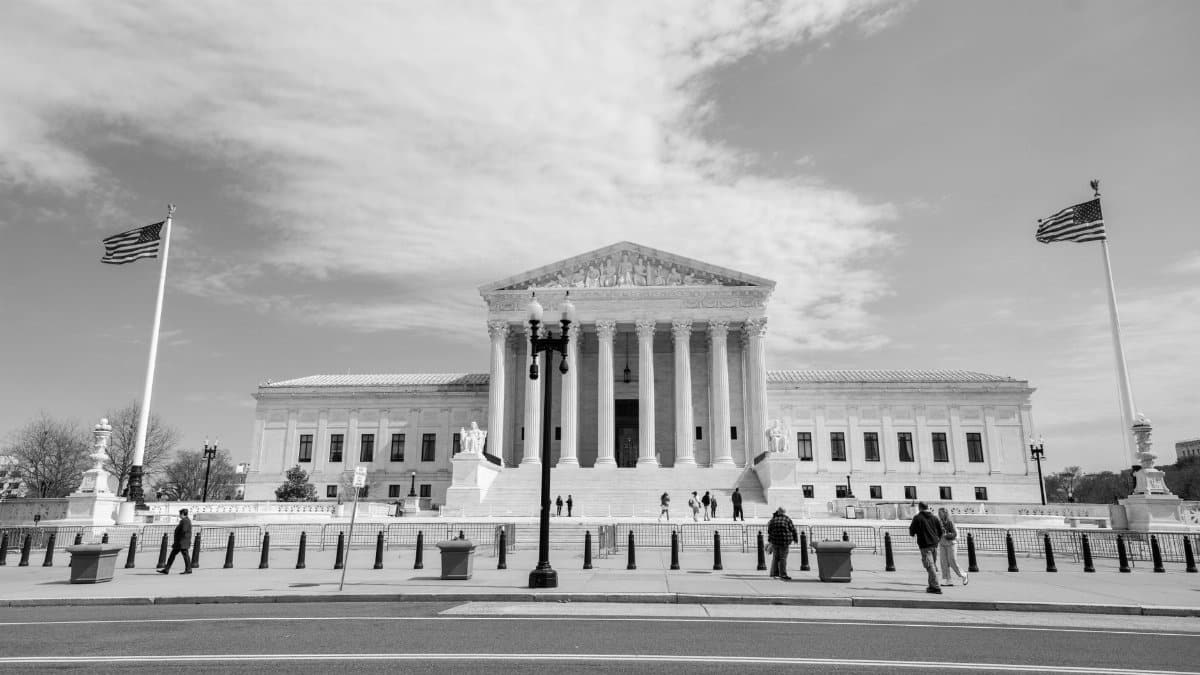
Petitioners must gather signatures from a substantial portion of voters who participated in the prior election. The exact percentage varies by jurisdiction yet typically exceeds twenty percent. Once verified the matter advances to a special election where the public decides the outcome. Legal experts emphasize that this mechanism exists to address serious misconduct rather than routine policy disagreements.
Historical Precedents in Local Politics
Similar efforts have appeared in other Washington cities over the past decade. Some succeeded in forcing elections while others collapsed under court scrutiny or failed to reach signature goals. These cases illustrate both the power of citizen action and the safeguards designed to prevent frivolous challenges against elected leaders.
Community Reactions Across Seattle Neighborhoods

Public meetings have seen spirited exchanges with supporters of the mayor defending her record on housing and transit initiatives. Critics meanwhile highlight specific decisions they claim warrant removal. Turnout at these gatherings suggests broad interest though opinions remain divided along familiar lines.
Role of the Courts in Early Stages

Judicial review focuses on whether the charges allege facts that if proven could constitute grounds for recall. This does not involve a full trial at the outset. Instead the court acts as a filter ensuring only viable claims move forward. Attorneys involved in past efforts describe this phase as critical for shaping the narrative that follows.
Potential Timeline and Next Steps

If the charges advance organizers have a defined window to collect and submit signatures. Verification by election officials can take additional weeks. Should the petition qualify a vote could occur within several months though delays from legal appeals often extend the schedule.
Implications for City Governance

A successful recall would trigger an interim appointment process until the next regular election. This shift could affect ongoing projects related to public safety and infrastructure. City staff continue daily operations yet uncertainty lingers about leadership stability during the interim period.
Broader Lessons for Civic Engagement
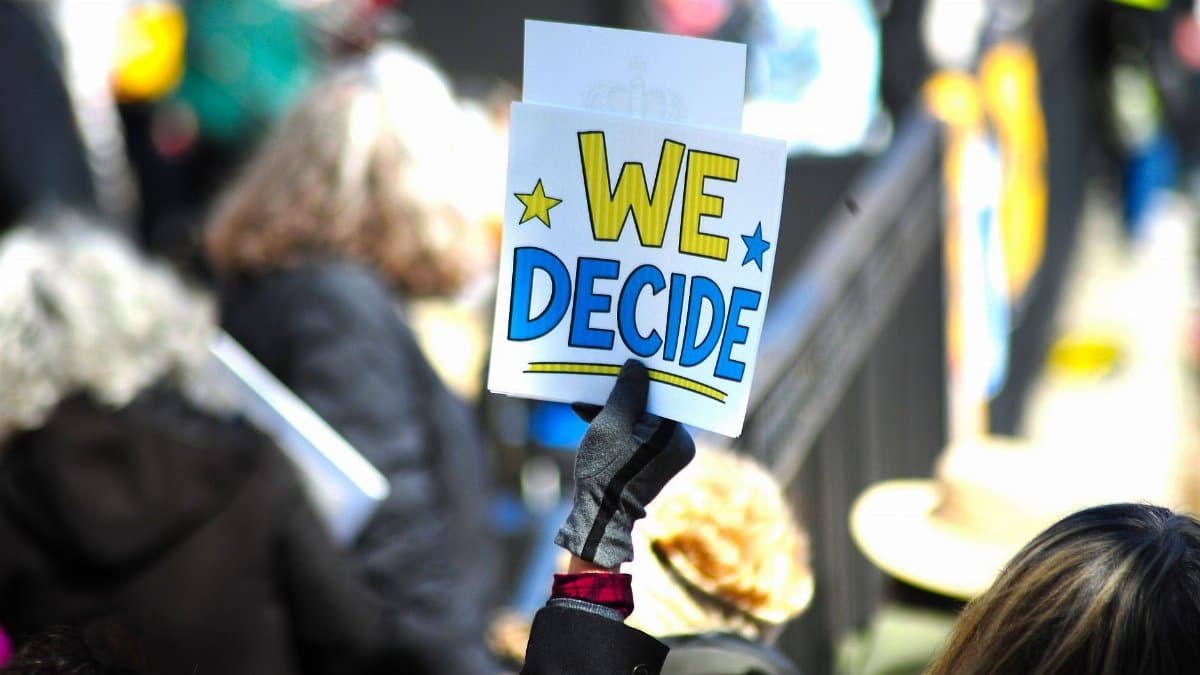
Such proceedings remind citizens of the tools available to influence local leadership. They also underscore the importance of clear communication between officials and constituents. Participation in the process whether through signatures or voting reflects active involvement in democratic mechanisms.