

On a cold morning above Big Bear Lake, the nest that once drew a national crowd sits quiet. For years people checked in the way they check the weather, hoping for a glimpse of wings, a fish carried home, a chick testing the rim. Now the cameras show branches and sky. eagle Jackie, the bald eagle whose ordinary days became a shared ritual, is dead, and officials say bird flu killed her. The loss is personal for viewers who never met her, and it is also a warning. A virus that many Americans still file under farm news has been moving through wild birds for years, and a famous eagle has made that fact impossible to ignore.
A nest the country learned by heart

Jackie was not famous in the way actors are famous. She did not perform. She hunted, incubated eggs, and defended a territory with her mate, Shadow, while a live camera run by local volunteers turned those tasks into public life. School classes watched. Night shift nurses watched. People grieving something else found a reason to look at a screen that was not asking them for anything except attention.
That attention created a strange intimacy. Viewers learned the angle of her head when wind rose, the way she settled over eggs, the patience of a bird that can sit for hours without drama. Fame, in this case, was a record of repetition. When the record stopped, the absence felt larger than a single death in the mountains.
What officials say ended her life

Wildlife agencies have spent recent years testing dead birds for highly pathogenic avian influenza, the strain widely known as bird flu. In Jackie’s case, officials have attributed her death to that virus. The finding matters because bald eagles sit near the top of a food web. They eat fish, waterfowl, and carrion. A pathogen that kills ducks on a marsh can reach an eagle that scavenges what the marsh leaves behind.
For the public, the diagnosis collapses a distance. Bird flu had seemed like a problem of barns, trade routes, and biosecurity checklists. An eagle with a name makes the same pathogen feel close. It also reminds agencies that surveillance built for poultry does not automatically protect the birds people love to watch.
Symptoms that did not match the textbook

What unsettled specialists was not only the death but the way illness appeared. Classic descriptions of bird flu in wild raptors often stress sudden collapse, neurological signs, or birds found already dead. Observers who knew Jackie’s habits reported changes that were harder to sort: altered posture, a dullness in movement, periods that looked like exhaustion rather than a clean neurological event. Experts caution that a webcam is not a clinic. Angles lie. Light lies. Still, several people who have followed eagle deaths through this epidemic said the course did not line up neatly with the cases they carry in memory.
That mismatch is scientifically useful. If eagle Jackie sickened in a way field guides do not emphasize, other eagles may be missed until it is too late to test them. Carcasses disappear to scavengers. Remote nests go unvisited. A surprising symptom list is a reminder that the virus is being described in real time, not from a finished chapter.
Why bald eagles meet this virus so often
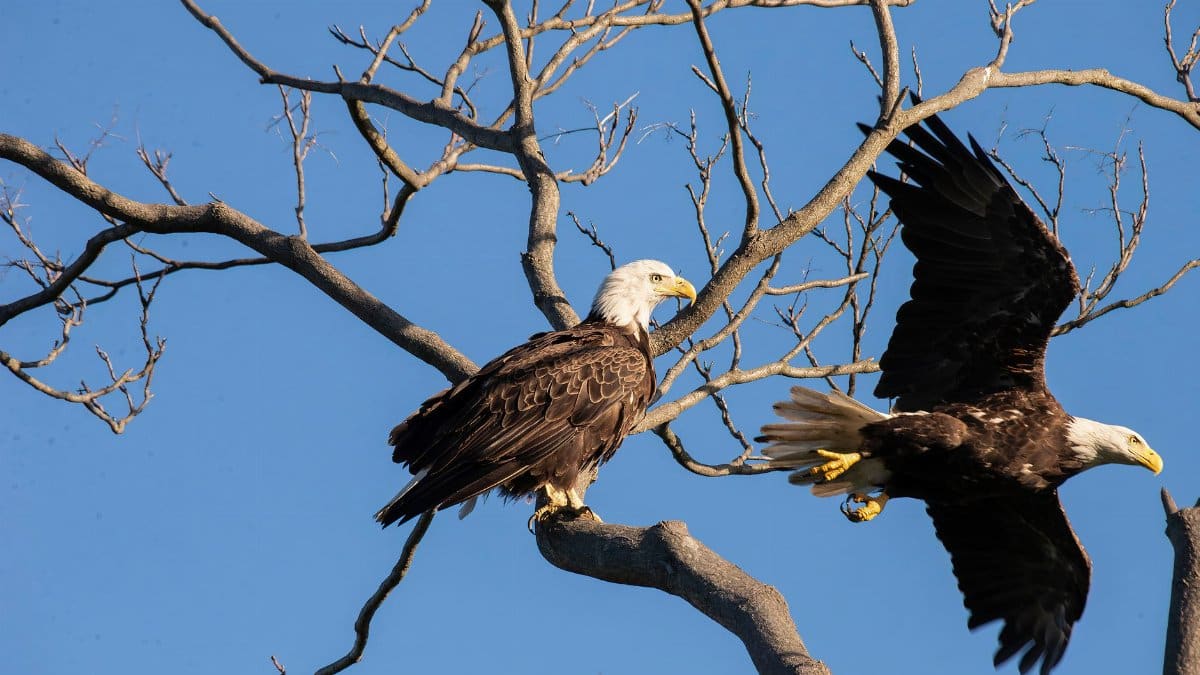
Bald eagles recovered from the pesticide years because law, habitat, and public will aligned. That recovery put more eagles along rivers, reservoirs, and coasts where waterfowl gather. Those same places are now mixing zones for a flu virus that water birds carry, sometimes without looking sick, sometimes in waves that leave shorelines littered with bodies.
An eagle does not need to drink from a contaminated puddle to be exposed. A dead duck is enough. A fish that fed where infected birds congregated may be enough. Breeding season raises the stakes, because adults share food and because chicks depend on parents who may already be infected. The species is no longer rare in much of the country. Abundance, in this epidemic, is also exposure.
A pathogen that refused to stay in barns

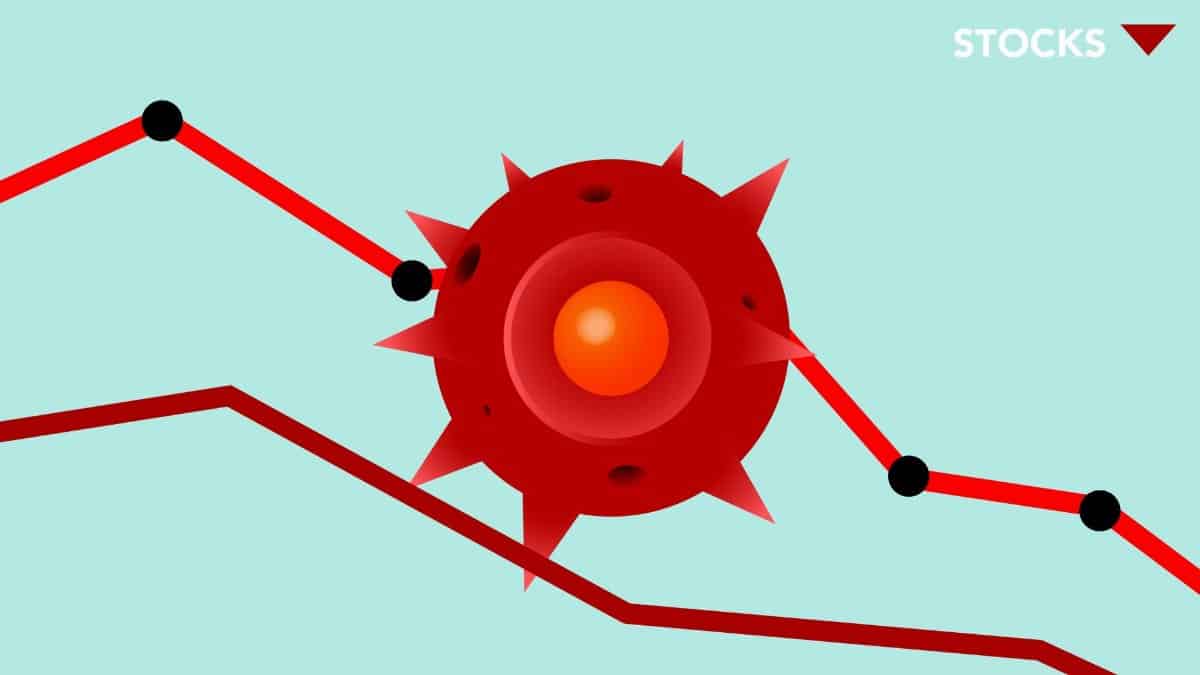
Since the current global wave took hold, bird flu has killed poultry by the millions and forced farms into lockdowns that ripple into grocery prices. That economic story is real. It is also incomplete. The same virus has torn through wild geese, shorebirds, seabird colonies, and mammals that eat sick birds. Seals have died. Foxes have died. Each new host is a chance for the virus to meet a different immune system.
Public health agencies still judge the risk to most people as low, especially for anyone who does not handle sick or dead birds. Low is not the same as finished. The reason scientists keep saying the outbreak is ongoing is that wild reservoirs do not close for the season the way a barn can be emptied and cleaned. Migration resets the map every spring and fall.
The years the camera made ordinary

The Big Bear nest cam did something rare in wildlife media. It refused highlights. Hours passed with little more than a shift of feathers. That slowness trained an audience. People learned that a nest is not a highlight reel. It is weather, hunger, and the small negotiations of a pair that returns because the site still works.
When eagle Jackie failed to appear as she always had, viewers noticed before any press release. That is the double edge of a camera. It can document a life with unusual fidelity, and it can turn a death into a public waiting room. Volunteers who maintain such projects often end up as grief counselors by accident. They translate biology to people who are, quite simply, heartbroken.
Shadow and the perch left open
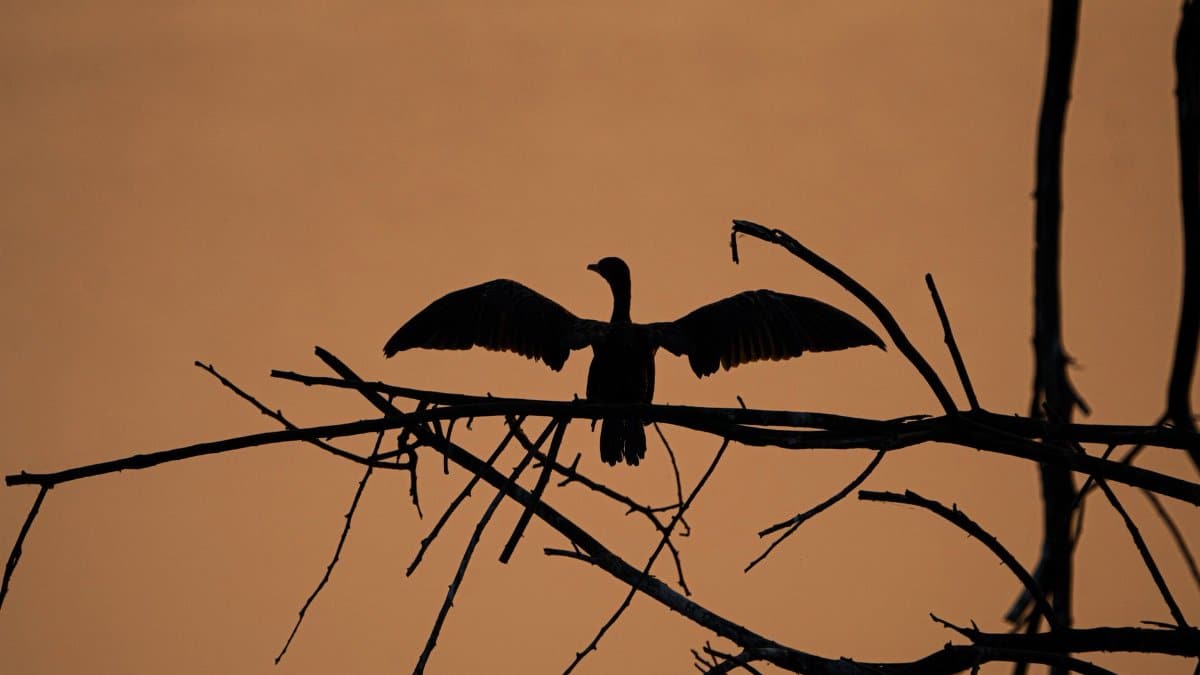
A mate does not vanish from the story because one bird has died. Shadow remains part of the territory, and viewers have watched the nest for signs of him with a mix of hope and dread. Eagles can form new pairs. They can also spend a season failing at a nest that no longer has two adults to defend it. None of that is sentimental invention. It is breeding biology, observed at a distance that feels intimate anyway.
Local groups have asked people not to approach the area. Grief is not a permit to hike closer. A surviving eagle still needs space, and so do the crews who may need to recover a carcass for testing without turning a ridge into a gathering place.
What viewers are carrying

It is easy to sneer at mourning for an animal known through a screen. That sneer misses what the screen actually did. It let strangers practice attention. In a category of news often crowded with wellness trends and spiritual branding, this story is plainer. A wild life was visible, and then it was not. People who watched are asking what they owe that visibility.
Some answers are small and practical. Do not handle dead birds. Report clusters of mortality to state wildlife agencies. Keep pets away from carcasses. Other answers are harder. They involve accepting that recovery of a species is not a permanent victory if the landscape keeps changing underneath it. Reverence, if the word fits, looks like restraint more than ritual.
How the spread is tracked
Testing depends on people finding dead birds and on labs having capacity. That system is patchy. A famous eagle is tested because she is known. A solitary eagle in a remote canyon may never be. Scientists therefore treat confirmed cases as signals, not as a full census. When those signals cluster along a flyway, agencies warn rehabilitators, falconers, and poultry keepers to tighten protocols.
Rehabilitation centers have been on the front line of this epidemic, sometimes forced to pause intakes because a single infected raptor can threaten every other patient in a building. That is not an abstract policy choice. It is a room of cages and a staff trying not to become a link in the chain.
What protection can and cannot do

There is no realistic plan to vaccinate wild eagles across a continent. Poultry vaccination, where it is used, is a farm tool with trade consequences, not a wilderness strategy. Protection for wild birds is blunter. It means reducing other stresses where possible, keeping nesting areas from being crowded by people, and removing carcasses in places where that can be done safely so scavengers are not invited to a contaminated meal.
Individuals can help without heroics. Binoculars beat a closer approach. A report to a wildlife hotline beats a social media pilgrimage to a nest. Hunters and anglers who find groups of dead waterfowl can call rather than assume a bad season. None of this resurrects a single eagle. It does narrow the paths the virus uses.
The cost beyond one famous bird
Jackie’s death will be remembered because she had an audience. Most birds in this epidemic do not. Colony nesting seabirds have lost huge fractions of some populations in parts of the world. Waterfowl die in numbers that register as statistics until a hunter walks a marsh and stops counting. Eagles, as scavengers, convert those die offs into secondary infections. The epidemic is not a single event with a closing date. It is a pressure that keeps arriving with the flocks.
That pressure sits beside older threats: lead fragments in gut piles, collisions, habitat loss, rodenticides working their way up food chains. Bird flu does not replace those harms. It stacks on them. A species can look numerous in a parking lot picnic area and still be absorbing losses that will show up later in nest success.
A public grief with a scientific edge

There is a temptation to turn eagle Jackie into a symbol and stop there. Symbols are tidy. Epidemics are not. The more honest tribute is to keep the particulars: a nest above a California lake, a mate still in the territory, a virus confirmed by people whose job is to look closely at dead wildlife, and symptoms that did not reassure the experts who have seen too many of these cases.
Viewers who feel the loss are not foolish. They are evidence that attention can be trained on a wild animal without owning it. The next useful step is to let that attention travel past one name. Other eagles are exposed this season. Other nests will go quiet without a camera. The epidemic that killed a celebrity bird is still moving through ordinary ones, and ordinary ones are the population.