
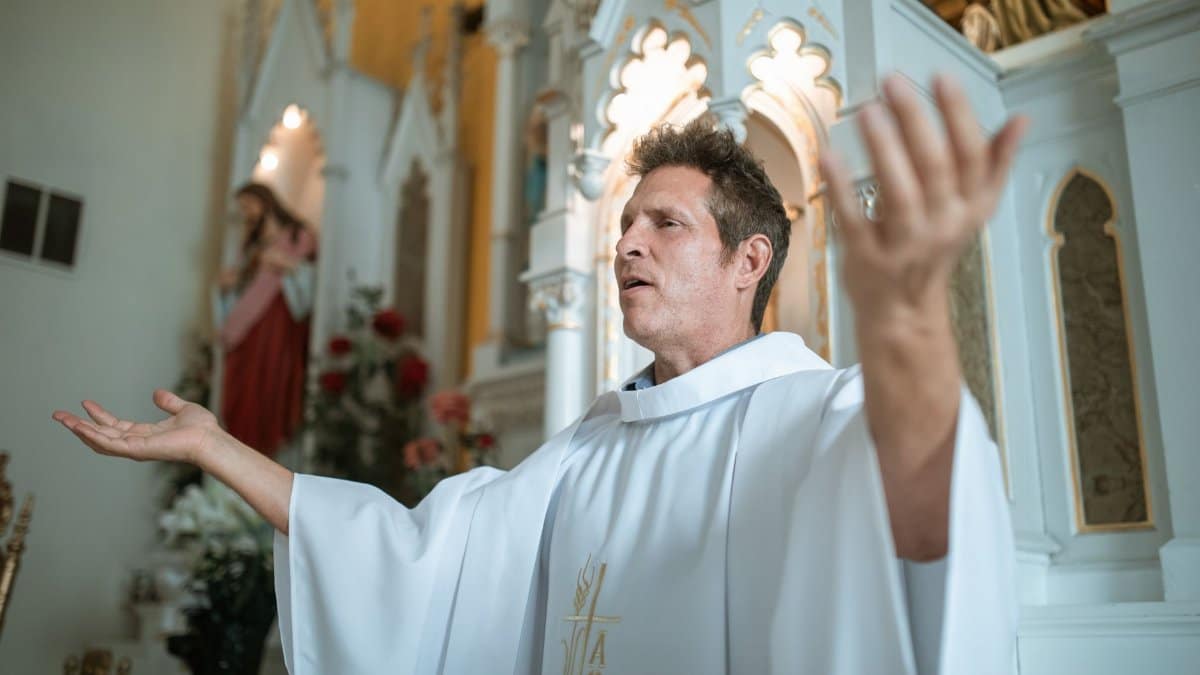
In a state where the machinery of justice moves with relentless efficiency, religious figures have stepped forward with urgent appeals to pause an impending execution that would mark a grim milestone. Their arguments draw on moral teachings that question the finality of state sanctioned death, particularly as Florida Execution Catholic Leaders highlight concerns over due process and human dignity in capital cases. The governor faces mounting pressure from these voices, who argue that such actions contradict values of compassion and restraint. Recent developments have intensified the debate, bringing together clergy members from various dioceses to address the implications for society at large. This convergence reflects broader tensions between legal authority and ethical considerations that have long shaped public discourse on punishment.
Historical Context of Capital Punishment in the State

Florida has carried out executions at varying rates over decades, with policies evolving alongside shifts in public opinion and court rulings. Leaders within religious communities often reference past instances where clemency was granted, underscoring how decisions by governors can alter trajectories for those on death row. The current push comes amid a series of scheduled proceedings that have drawn scrutiny from multiple quarters.
Role of Religious Institutions in Policy Debates
Catholic organizations maintain a consistent stance against the death penalty, rooted in doctrines that emphasize redemption and the sanctity of life. In this instance, bishops and priests have issued statements calling for reflection before irreversible measures proceed. Their involvement adds a layer of moral authority to discussions typically dominated by legal and political actors.
Direct Appeals to Governor DeSantis

Correspondence from faith leaders outlines specific reasons for halting the process, including questions about evidence review and mental health evaluations. These communications stress the need for thorough examination rather than adherence to timelines. The governor’s office has acknowledged receipt but offered limited commentary on potential responses.
Public Response and Community Reactions
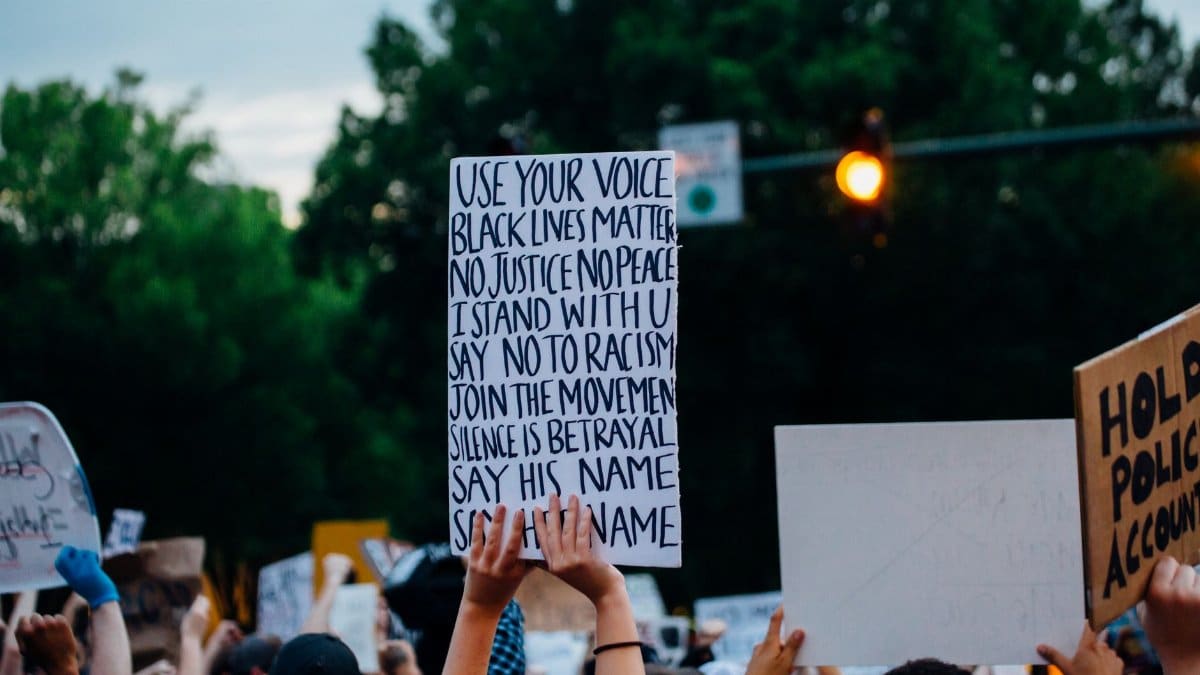
Residents across the state have expressed divided views, with some supporting swift justice and others favoring extended deliberation. Gatherings outside government buildings have featured prayers and testimonials from affected families. Such events illustrate how the issue resonates beyond courtrooms into everyday conversations about fairness.
Legal Challenges Accompanying the Case
Attorneys for the individual facing execution have filed motions citing procedural aspects that warrant further attention. Courts continue to review these elements even as dates approach. Florida Execution Catholic Leaders have noted that such reviews align with principles of caution in matters of life and death.
Comparisons with Other States Approaches

Neighboring jurisdictions have adopted different stances on similar cases, sometimes opting for pauses to assess systemic issues. Observers point to these variations as evidence that alternatives exist within the framework of American federalism. Discussions often turn to how Florida might align or diverge from these examples.
Impact on Broader Criminal Justice Reforms
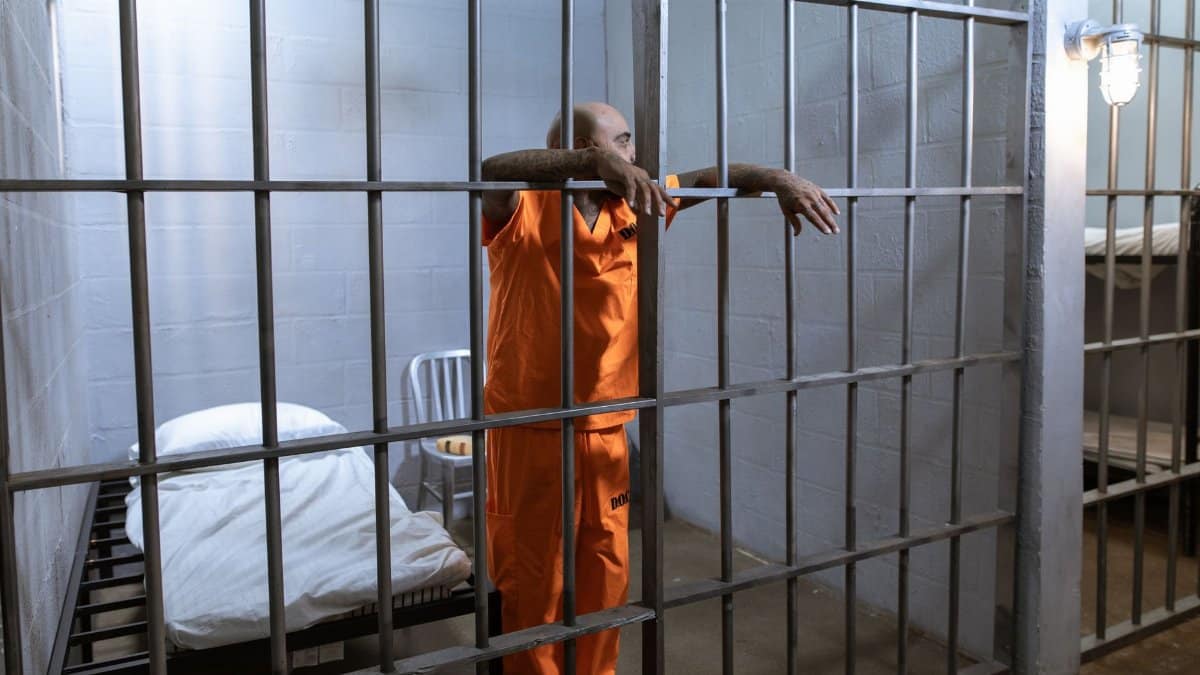
The attention generated by this situation could influence ongoing efforts to refine sentencing guidelines and support services for victims. Advocates suggest that engagement from spiritual groups brings fresh perspectives to entrenched problems. Outcomes here may set precedents for future policy adjustments.
Statements from Key Catholic Figures
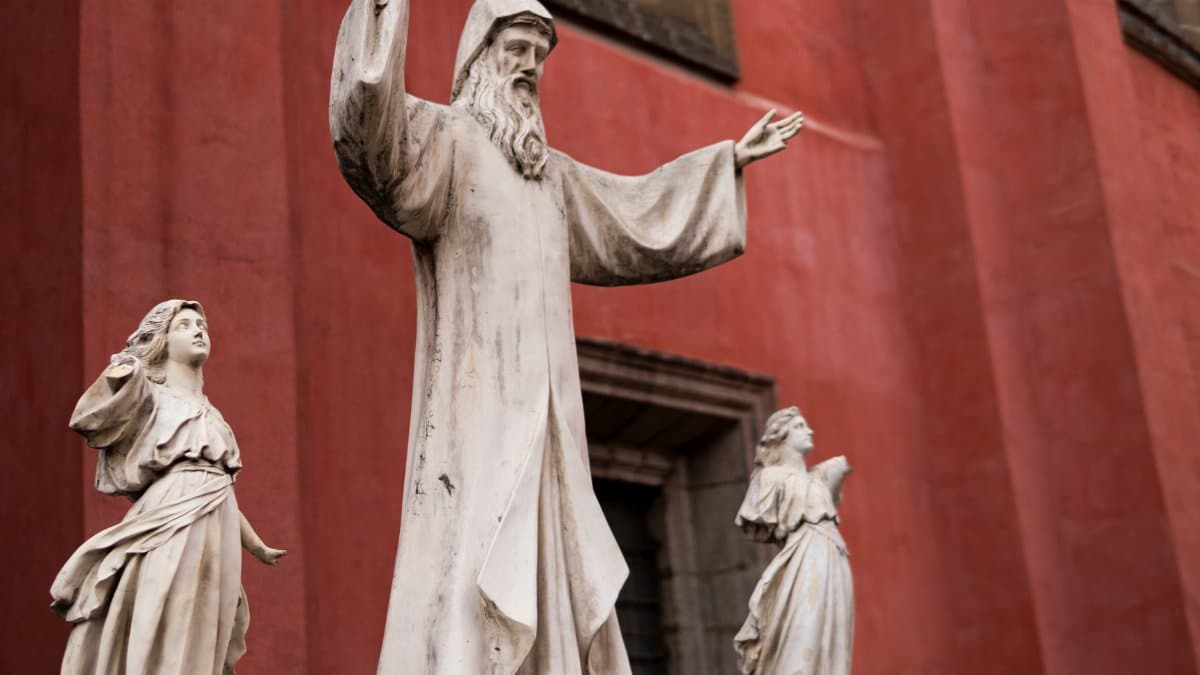
Several prominent members of the clergy have shared personal reflections on their motivations, drawing from pastoral experiences with incarcerated individuals. These accounts emphasize themes of forgiveness without excusing wrongdoing. Their words contribute to a narrative that seeks balance in a polarized environment.
Potential Outcomes and Future Implications

Decisions in the coming weeks could either proceed with the record setting execution or introduce a period of reevaluation. Florida Execution Catholic Leaders continue to monitor developments closely, prepared to engage further if needed. The episode underscores enduring questions about authority, ethics, and the role of faith in governance.