
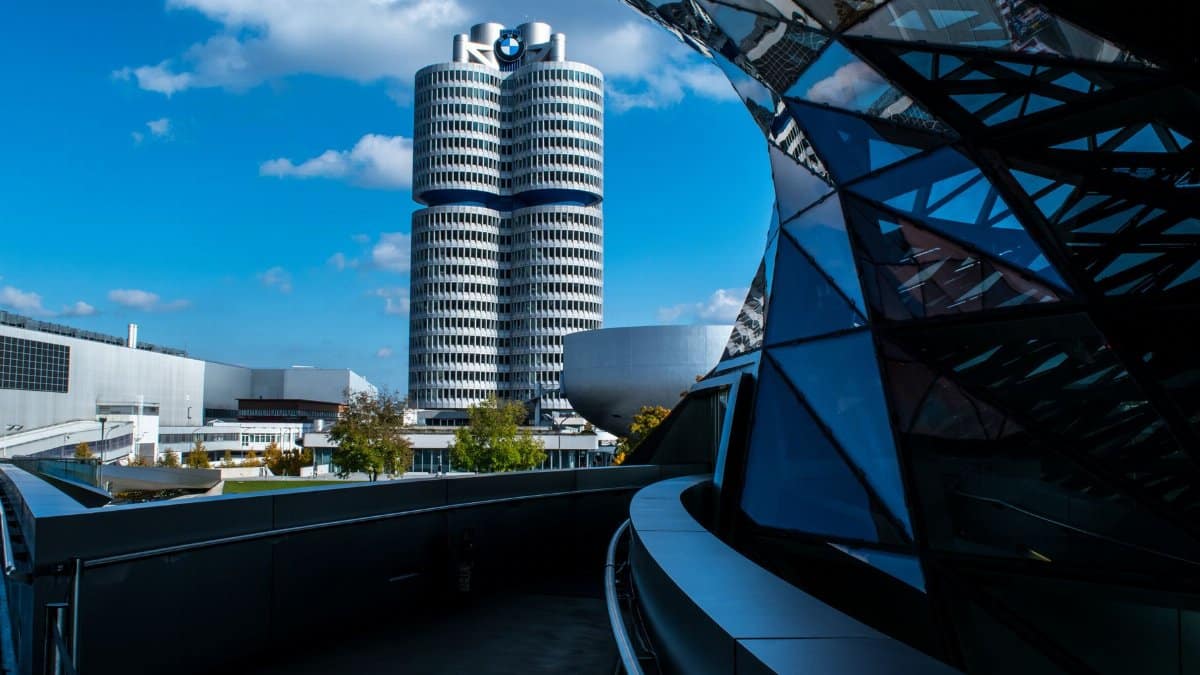
The bustling streets of Dallas have long attracted corporations seeking room to grow. Now attention turns to how a major manufacturer might reshape its presence there through the Caterpillar Dallas expansion. Executives have been exploring ways to enhance their facilities amid shifting economic landscapes across the nation. This move could signal broader trends in where companies choose to base their leadership teams. Dallas offers a blend of urban amenities and suburban spaces that appeal to firms with large workforces. Analysts note that such an initiative would likely create hundreds of positions while boosting local suppliers. The decision reflects careful consideration of tax structures and talent pools available in Texas compared to other states.
The Role of Local Incentives in Attracting Business

Local officials have offered packages designed to lure investment from large employers. These include grants for infrastructure improvements and workforce training programs. Such measures have proven effective in the past for similar projects. City leaders emphasize that a welcoming regulatory climate plays a key part in drawing firms that value stability and access to international markets.
Workforce Development Challenges and Opportunities

Building a skilled labor force remains central to any large scale corporate project. Training initiatives focused on engineering and logistics could prepare residents for new roles tied to advanced manufacturing. Partnerships between industry and community colleges often help bridge gaps in technical expertise. This approach supports long term growth while addressing immediate hiring needs.
Impact on Regional Real Estate Markets

An influx of corporate activity tends to influence property values and development patterns nearby. Demand for office space and housing may rise as employees relocate for positions. Developers monitor these shifts closely to align projects with emerging requirements. Steady demand helps sustain construction activity across surrounding neighborhoods.
Supply Chain Adjustments for Expanded Operations
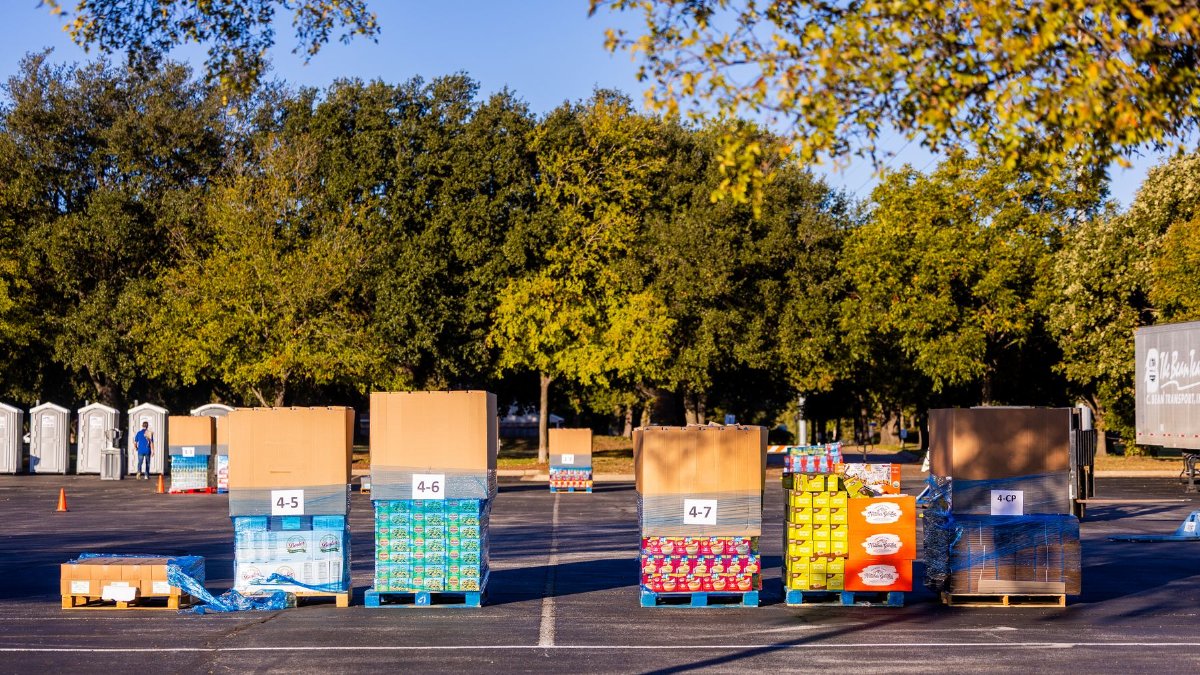
Global manufacturers frequently review their networks of vendors when scaling facilities. Proximity to ports and rail lines gives Dallas an edge for moving components efficiently. Adjustments in sourcing strategies can reduce delays and costs over time. Reliable logistics form the backbone of competitive production schedules.
Environmental Considerations in Site Planning
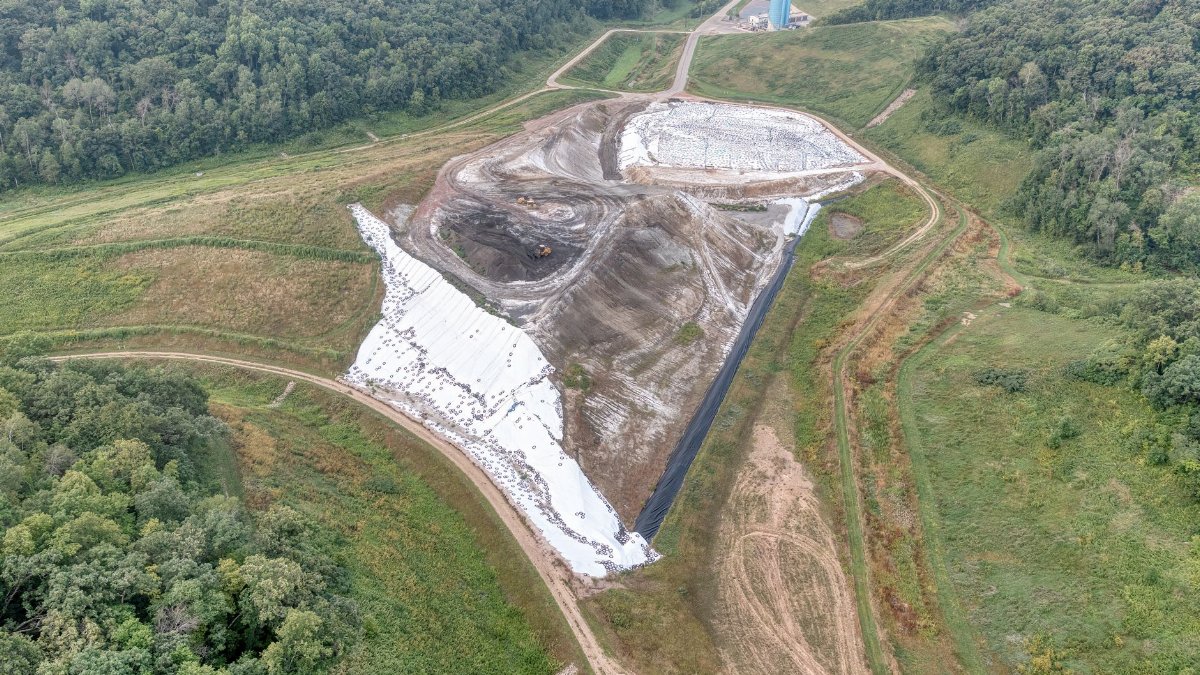
Modern expansions incorporate standards for energy use and waste reduction from the outset. Assessments evaluate water resources and green space preservation alongside operational goals. Compliance with federal guidelines shapes design choices at every stage. Thoughtful planning supports both productivity and community acceptance.
Comparisons with Other Potential Locations
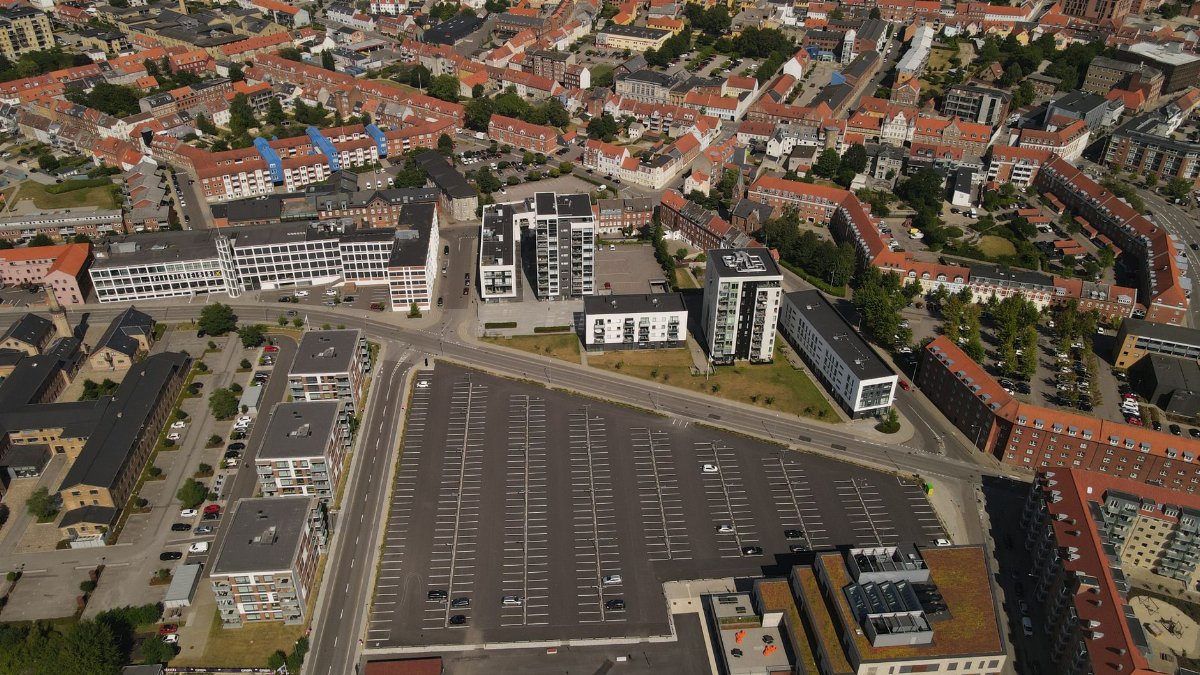
Several metropolitan areas compete for major corporate investments each year. Factors such as climate, cost of living and cultural offerings factor into final selections. Dallas distinguishes itself through consistent population gains and diverse economic base. These elements combine to create a compelling case for sustained presence.
Future Outlook for Corporate Headquarters Trends

Shifts in remote work policies continue to influence where firms locate their core teams. Hybrid models allow flexibility while maintaining central hubs for collaboration. Observers expect ongoing evolution in how companies balance efficiency with employee preferences. The Caterpillar Dallas expansion fits within this changing environment as leaders adapt to new realities.