
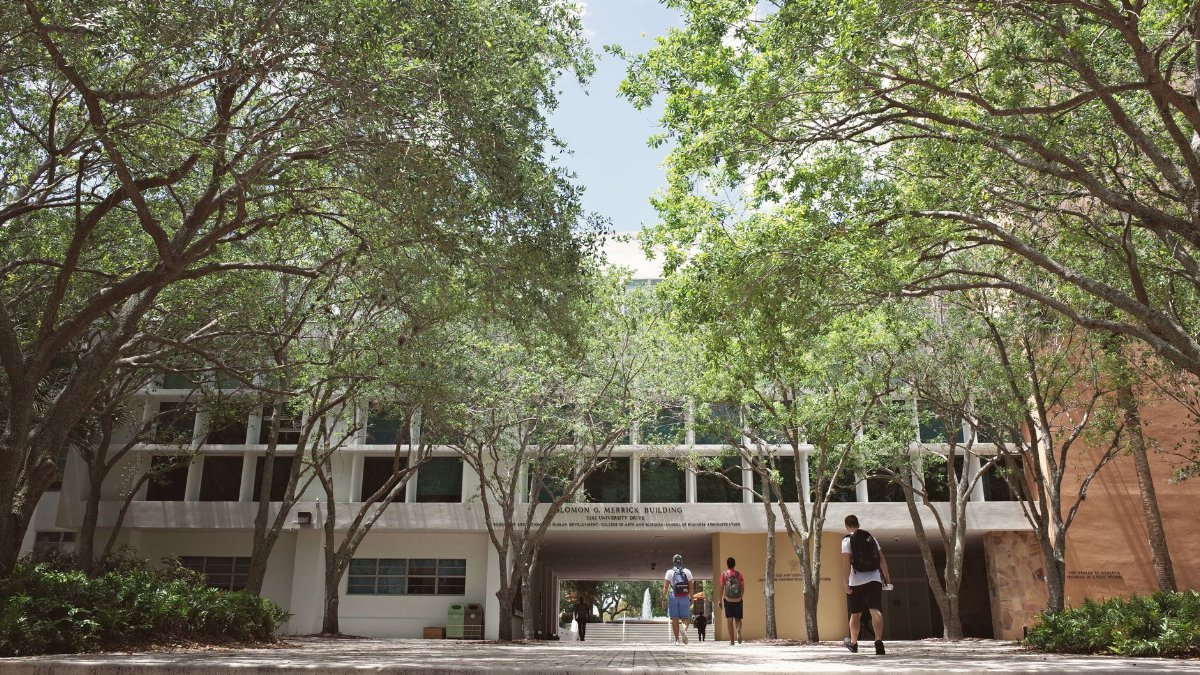
On a warm evening in Wynwood, the painted walls still pull crowds, but the talk among builders and university officials has moved from murals to masonry. Carnegie Mellon University, long identified with Pittsburgh, is preparing a major presence in Miami, backed by a gift from Ken Griffin that observers describe as among the largest ever directed to an American college. The Carnegie Mellon Miami campus is planned for the former Mana Wynwood site, a run of warehouses and event halls already planted in the middle of the neighborhood tourist economy. The plan joins a wider shift of finance, technology, and talent toward South Florida, and it poses a plain question. What does a research university change when it arrives with extraordinary money and a famous name?
A gift that resets the scale
The figure attached to the Griffin commitment, $3 billion, is large enough to reorder how people talk about campus philanthropy. Gifts of this size do not merely endow a chair or name a hall. They can underwrite land, laboratories, faculty salaries, and student aid for a generation. Carnegie Mellon has built its reputation on computing, engineering, robotics, design, and the performing arts, fields that cost real money to teach well. A sum this large gives trustees room to think beyond a satellite office and toward a true second home.
Scale also creates pressure. Donors, neighbors, and future students will expect visible results, not a slow drip of announcements. University leaders will have to show how the money is governed, who decides which programs move south, and how Pittsburgh remains more than a historical footnote. Big philanthropy invites big skepticism, and that skepticism is part of the public record the school will now live inside.
Why this corner of Miami
Wynwood is not a blank parcel on the edge of town. It is a neighborhood that remade itself from industrial blocks into a destination, then spent years arguing about what that success cost artists and longtime residents. The former Mana site already knows crowds. Concerts, fairs, and corporate gatherings have used those buildings as a stage. Turning that stage into classrooms and labs is a different kind of performance, one measured in semesters rather than ticket sales.
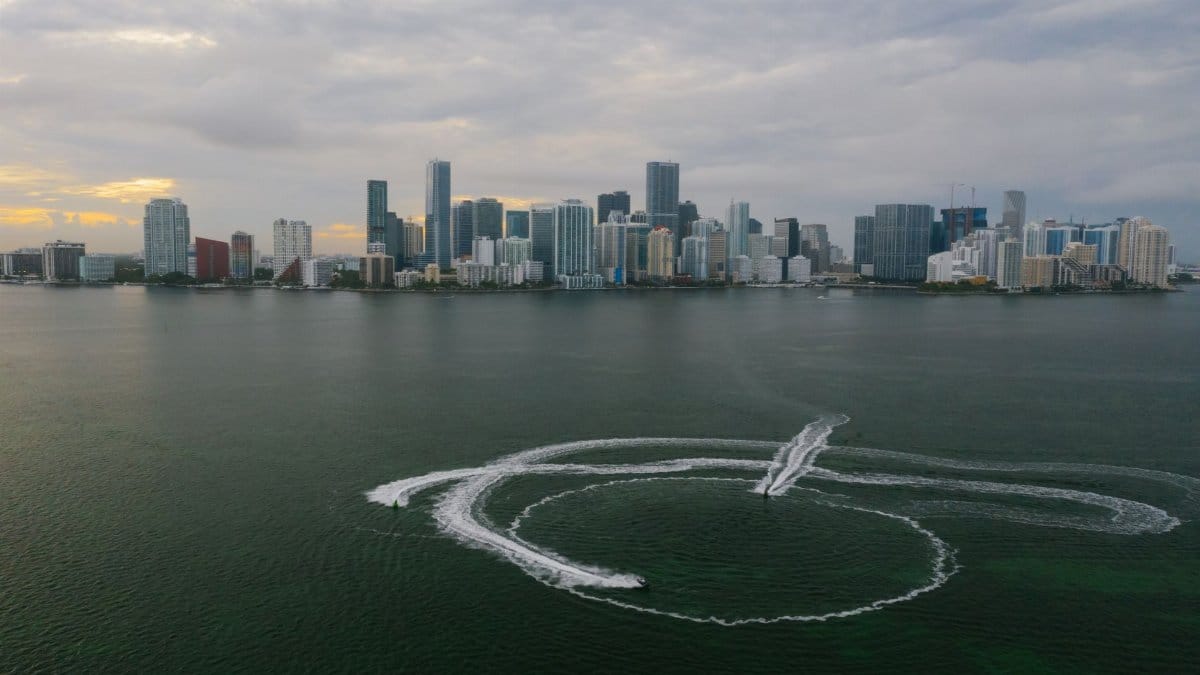
Location still matters. The district sits near downtown, the Design District, and the corridors where finance firms have leased towers. For a university that wants proximity to employers without disappearing into a suburban office park, the geography is legible. Whether it is livable for students on a budget is a separate problem, and one the renderings rarely solve.
What Carnegie Mellon would carry south

People outside Pennsylvania often meet the school through computer science rankings and robotics headlines. That shorthand is incomplete. The institution also trains designers, dramatists, policy analysts, and engineers who expect to work beside one another rather than in sealed departments. If the Carnegie Mellon Miami campus is more than a brand extension, that habit of mixing fields is the asset worth importing.
South Florida already has strong universities. University of Miami and Florida International University anchor research, medicine, and a huge undergraduate population. A new private campus does not replace them. It adds a different admissions pool, a different alumni network, and a different bet on which industries will hire in ten years. The useful question is not which logo wins. It is whether the region gains labs and teachers it did not have, or merely a prettier brochure for companies already here.
Griffin, Citadel, and the Miami pull

Ken Griffin is not a distant alumnus writing a check from another coast. As founder of Citadel and Citadel Securities, he has been central to the story of high finance relocating pieces of its daily life to Miami. That story is about taxes, talent, weather, and a bet that the city can hold serious markets work, not only tourism. A university gift of this magnitude ties his personal philanthropy to that civic bet.
The tie is also a risk for the school. A campus too closely read as an annex of one donor’s firms will struggle to recruit faculty who want independence. Research universities live on the promise that inquiry is not a client service. Griffin’s money can build the Carnegie Mellon Miami campus. It cannot, by itself, supply the culture that keeps a laboratory honest when a sponsor would prefer a softer finding.
Students who never planned on Pittsburgh
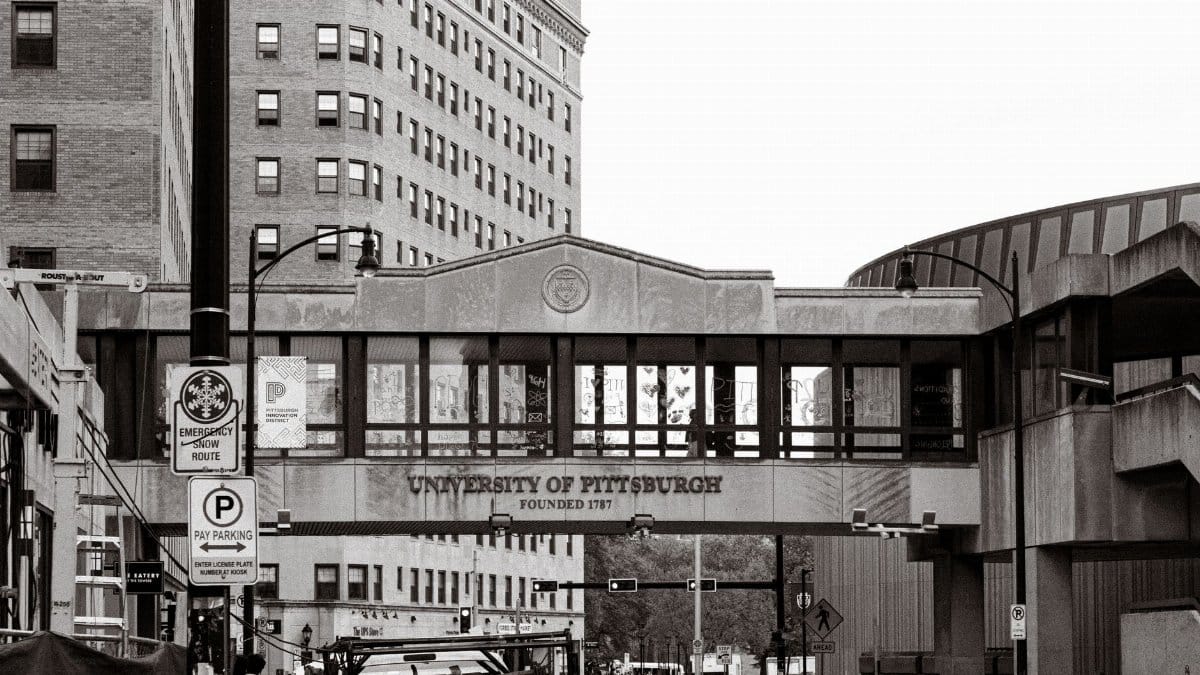
A Miami campus changes the map for applicants who want Carnegie Mellon’s training without a northern winter. Some of those students already live in Florida. Others are international recruits who see Miami as a more obvious gateway than western Pennsylvania. Admissions officers know that place is part of the product. Palm trees do not teach algorithms, but they do shape who applies.
Aid will decide whether that applicant pool is wide or narrow. A multibillion dollar gift can, in principle, buy down tuition for students who could not otherwise enroll. It can also subsidize amenities that mostly comfort families who were coming anyway. Readers should watch the share of the commitment that reaches scholarships, not only the share that reaches architecture. A beautiful campus that prices out the city around it will reproduce a pattern Miami already knows too well.
Faculty, labs, and the slow work of reputation
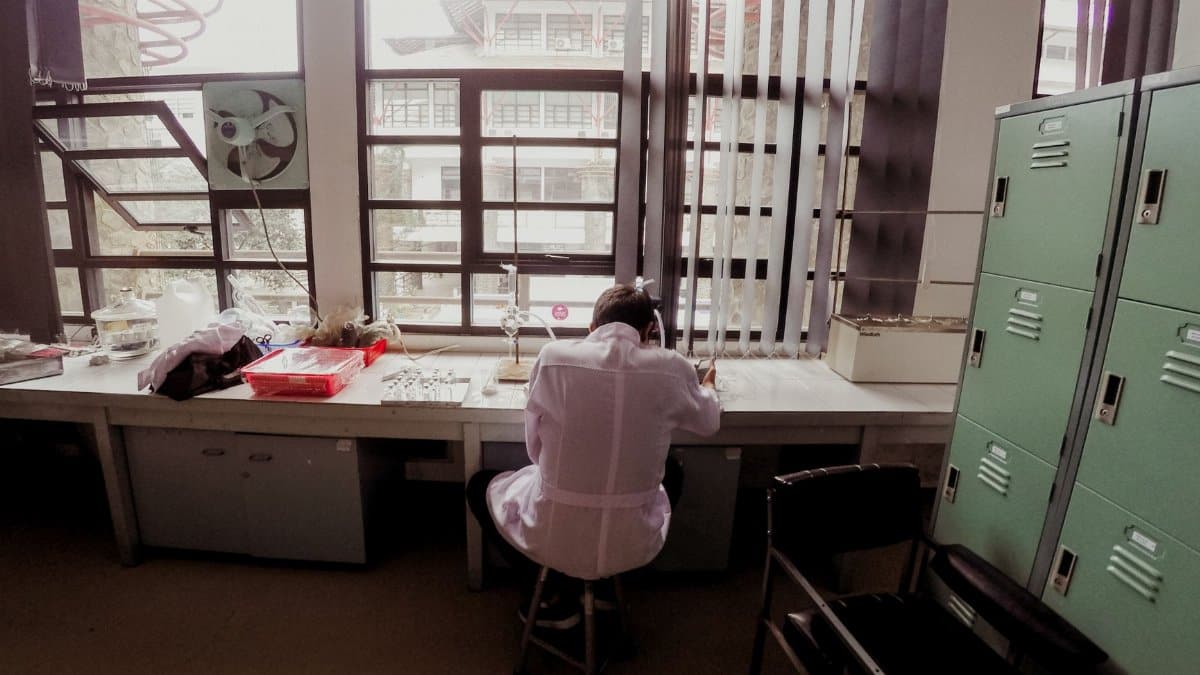
Buildings rise faster than faculties. A respected department is a collection of people who chose to stay, argue, and train the next cohort. Moving that kind of community, or growing a new one, takes searches, spousal hires, graduate stipends, and patience. Robotics bays and design studios are useless without the researchers who fill them.
There is a temptation, in a city hungry for status, to announce flagship institutes before the benches are staffed. Carnegie Mellon has enough history to resist that temptation if its leaders choose to. The measure of success in year five will not be a ribbon cutting. It will be whether doctoral students and junior professors describe the Miami outpost as a place where serious work happens, or as a commute they tolerate for the name on the door.
The neighborhood bargain

Wynwood’s mural economy depends on a fragile mix of visitors, small businesses, and landlords who have already learned the value of scarcity. A university tenancy can steady foot traffic on weekdays, when tourists thin out. It can also accelerate rents for the cafes and studios that gave the district its story. Both outcomes can be true at once.
City officials like to describe projects of this kind as partnerships. The word is easy. The harder work is zoning, public access to open space, and commitments that survive the next real estate cycle. If the former Mana grounds become a walled quad, the neighborhood will feel the loss of a civic room it currently uses, however imperfectly. If the grounds stay porous, the campus can function as a civic room of a new kind.
Housing, traffic, and ordinary friction

Miami does not have a surplus of cheap apartments near Wynwood. Students and staff will compete with service workers, young professionals, and investors for the same scarce units. Universities elsewhere have learned that ignoring housing turns a ribbon cutting into a political problem within a few leasing seasons. Shuttle plans and remote class options are not a housing policy.
Traffic is the other daily tax. The streets around the district already jam when a festival lands. A campus calendar, with its peaks at class changes and evening events, adds a rhythm the grid was not built to absorb. None of this is an argument against the project. It is an argument for treating buses, bikes, and beds as academic infrastructure, not as afterthoughts for a later press release.
What city leaders hope to collect
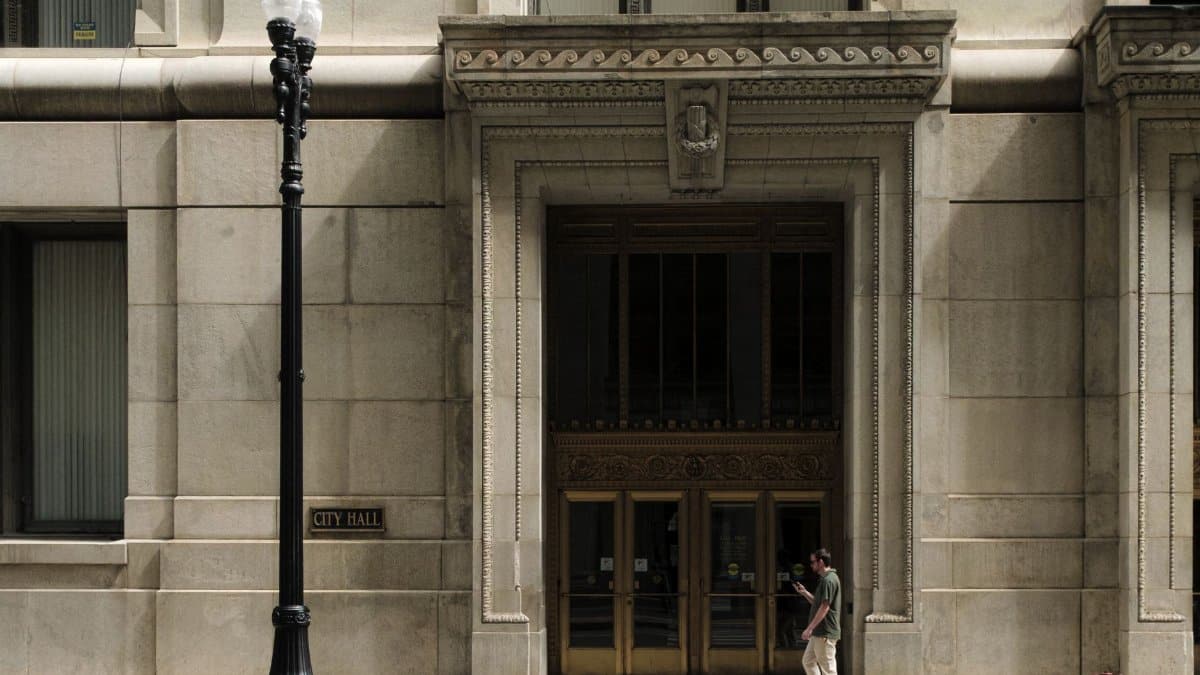
Mayors and commissioners hear a research campus as a signal to employers who still ask whether Miami can staff complex work. Graduates in computing, engineering, and design are a talent pipeline that does not depend on poaching from New York every hiring season. The tax base, the conference business, and the simple pride of landing a famous school all sit in the same folder.
Hope is not a forecast. Other cities have welcomed branch campuses that remained small, or that closed when the donor relationship cooled. Miami’s advantage is that the gift, as described, is large enough to survive a ordinary recession in enrollment marketing. Its disadvantage is a civic habit of celebrating announcements more loudly than operating budgets. The folder will look thinner if the first classes are delayed and the renderings stay glossier than the classrooms.
Skeptics and the campus as brand
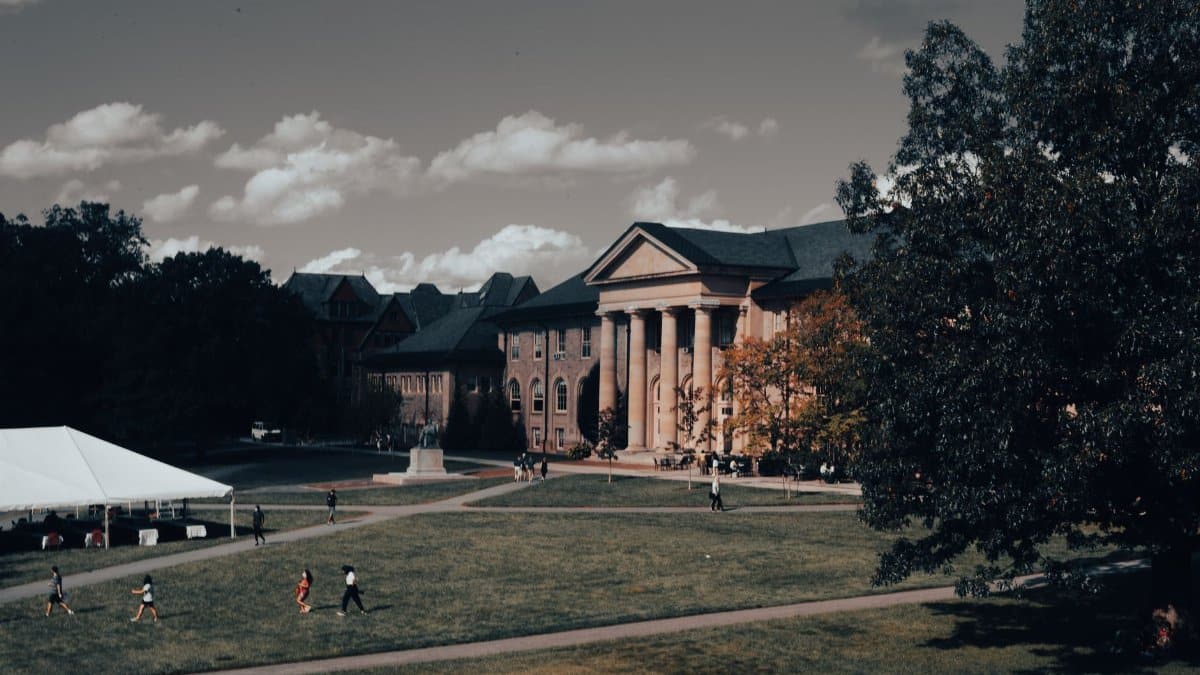
Not everyone in higher education will cheer. Critics of mega gifts argue that fortunes of this size tilt priorities toward fields a donor understands, usually technology and finance, and away from disciplines that do not photograph well. Humanities faculty, already wary of being treated as decoration, will ask what share of the Miami project belongs to them. Local artists will ask whether Wynwood is being curated into a safer, wealthier version of itself.
Those questions deserve answers in public, not only in trustee sessions. A private university is not a city agency, but it is about to occupy a conspicuous piece of city ground. Transparency about governance, community benefits, and academic freedom will matter as much as the architectural drawings. Silence will be read as a choice.
How the money might actually be used

Until budgets are published, any spending story is inference. A responsible reading starts with land and construction, then faculty startup packages, then financial aid, then the unglamorous costs of security, maintenance, and libraries. Research universities also need unrestricted funds. Restricted naming gifts can freeze a campus into the donor’s favorite subjects and leave the provost unable to fix a leaky program that nobody wanted to put on a plaque.
Pittsburgh stakeholders will watch the split. A second campus can enrich the whole university if students and faculty move in both directions and if revenue supports the original colleges. It can hollow the original campus if the glamour and the unrestricted dollars flow only one way. The health of the older city is part of the moral math, even when the headlines are written in Miami.
What readers should watch next

The next documents matter more than the next rendering. Watch for a timetable that names when students enroll, not merely when ground is blessed. Watch for aid policies, faculty search plans, and a clear statement of who controls academic decisions if the donor and the faculty disagree. Watch for transportation and housing commitments written with numbers, not adjectives.
The Carnegie Mellon Miami campus will be judged, in the end, by ordinary academic life. Can a student get a rigorous degree here? Can a professor run a lab without treating the city as a backdrop? Can Wynwood absorb the institution without being reduced to its lobby? Griffin’s gift makes those questions urgent. It does not answer them. The answering will take years, and it will happen in classrooms, leases, and city hearings long after the first applause fades.