

In the rolling Texas Hill Country where generations of families have sent their children for summer adventures the sudden devastation of a July 4 flood brought profound loss and lasting change. Twenty seven lives ended in hours as waters rose without warning around cabins and gathering places that had stood for decades. Out of this sorrow has come Camp Mystic Bankruptcy a filing that now draws attention to questions of safety preparedness and the future of institutions built on trust and tradition.
Tracing the Path to Financial Strain

The decision to seek bankruptcy protection stems from mounting costs tied to the disaster including legal claims insurance shortfalls and operational shutdowns. Camp leaders described an inability to sustain programs amid the scale of losses and public scrutiny that followed. Community members note that such filings often reflect deeper vulnerabilities exposed by crisis rather than sudden mismanagement.
Remembering Those Lost in the Flood

Families continue to share stories of the young campers and staff whose lives ended that night. Memorial gatherings have drawn hundreds seeking both solace and answers about why warnings arrived too late. These personal accounts underscore the human dimension behind the corporate proceedings now underway.
Examining Safety Measures at Summer Camps

Questions have surfaced about flood preparedness at remote sites across the region. Experts point to outdated evacuation plans and limited weather monitoring as factors that amplified the tragedy. Broader reviews of camp regulations may follow as officials assess whether similar facilities require updated standards.
Community Response and Support Networks

Local churches schools and civic groups mobilized quickly to aid survivors and grieving relatives. Donations of time and resources helped cover immediate needs while counselors offered emotional support to those returning home. Such efforts reveal the strength of regional ties during periods of collective mourning.
Legal Implications of the Bankruptcy Filing

Courts will now oversee asset distribution and creditor claims as the camp seeks to resolve its obligations. Attorneys representing families emphasize the priority of accountability alongside financial resolutions. This process could set precedents for how recreational organizations handle disaster related liabilities.
Historical Role of Camp Mystic in Texas Life

Founded decades ago the site served as a cultural touchstone for many families who valued its emphasis on outdoor skills and personal growth. Annual sessions created lasting friendships and memories that spanned generations. The current situation marks an abrupt shift for an institution long viewed as a summer rite of passage.
Financial Realities Facing Nonprofit Camps

Many similar organizations operate on thin margins with reliance on tuition and charitable gifts. Unexpected events like floods can quickly overwhelm reserves and force difficult choices. Observers suggest that insurance reforms and emergency funds might help prevent future closures of this nature.
Looking Ahead for Families and Staff

Parents whose children attended in past years express uncertainty about where to turn for comparable experiences. Former counselors and administrators face their own transitions as employment ends. Discussions have begun about possible new models that blend tradition with enhanced safeguards.
Broader Lessons on Disaster Preparedness
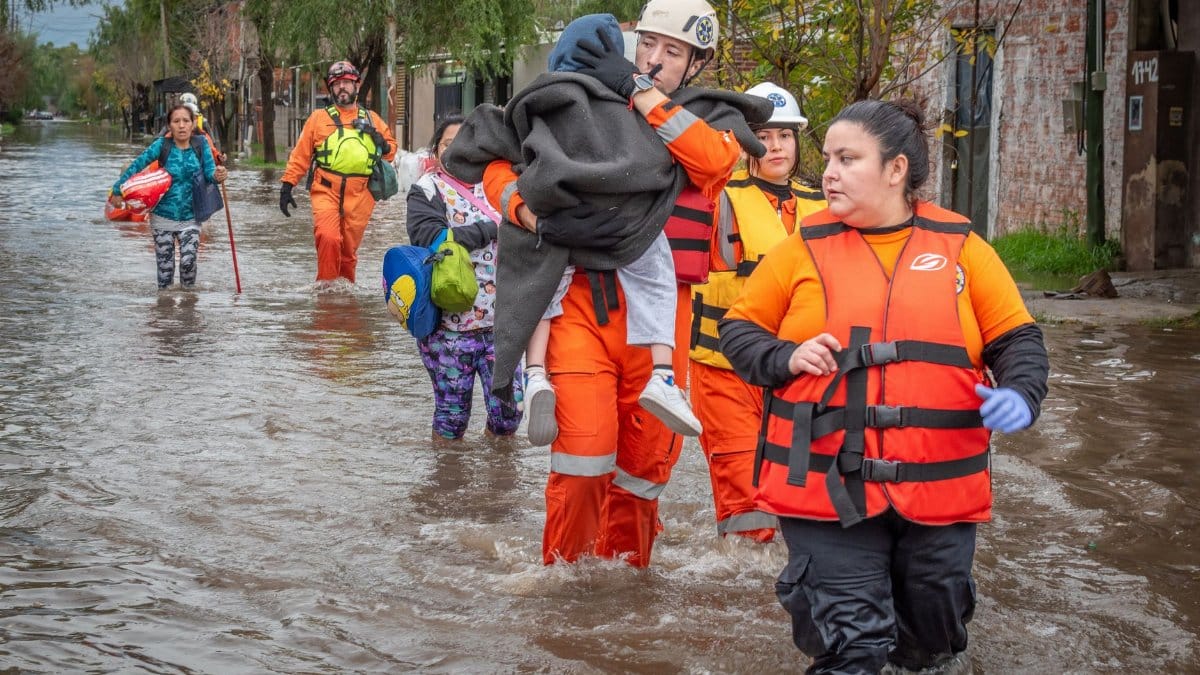
The events at the camp highlight gaps in regional forecasting and rapid response systems. Meteorologists and emergency managers advocate for improved communication tools that reach isolated locations more effectively. These conversations extend beyond one site to affect planning statewide.