
In a county warehouse outside Sacramento, trays of ballots still sit under fluorescent lights while workers feed them into scanners that have been running since Election Day. The question drawing the most anxious calls is not a race for governor or for Congress. It is Proposition 40, the statewide measure that would place a single 5 percent tax on the wealth of California billionaires and direct the money toward healthcare. Days after the 2026 midterms, millions of votes remain outstanding, and neither camp is prepared to declare the night finished.
A tax written for a narrow class of fortunes

The proposal is unusual even in a state that has spent decades arguing about how to fund public services. It would not touch wages, sales, or the property tax that still shapes local budgets. It would apply once, to people whose net worth crosses the billion dollar line, and it would take 5 percent of that wealth. Supporters describe the base as small enough to name and large enough to matter. Opponents describe it as a raid on capital that can leave the state as easily as it arrived.
California has taxed high incomes for generations. A levy on wealth itself is a different instrument. Income is a flow. Wealth is a stock: company shares, private businesses, real estate, art, and cash. Valuing that stock is straightforward for a founder whose company trades on a public exchange. It is harder for someone whose fortune sits in a closely held firm, a venture fund, or land whose price is a matter of appraisal rather than a ticker. That gap between a simple ballot sentence and a complicated balance sheet is where much of the fight has lived.
Why the result is still open

California counts every lawful ballot, including mail ballots that arrive after Election Day if they were postmarked on time, and including ballots that need a signature cured. In a close statewide measure, that patience becomes the story. Urban counties with huge mail volumes and smaller counties with thin staffing can finish on different clocks. A lead that looks sturdy on Wednesday can narrow by the following Tuesday, or the reverse can happen if the remaining ballots lean the other way.
Campaigns on both sides have lawyers watching the canvass. They are not alleging a stolen election so much as preparing for a finish measured in tenths of a point. Until county registrars certify, any percentage flashed on a television screen is a progress report, not a verdict. Voters who dropped a ballot in a box on the way to work are still, in a real sense, in the count.
Who would actually write the check
The number of people who would owe the tax is tiny next to a state of nearly 40 million. Tech founders, entertainment fortunes, real estate dynasties, and heirs of older industrial wealth make up most of the likely list. Some live full time in California. Others keep a house here and a residence somewhere else, a fact that will matter if the measure passes and the tax agency has to decide who is a resident for this purpose.
A 5 percent hit on a billion dollar fortune is 50 million dollars. On a fortune of 20 billion, it is a billion dollars. Those figures explain both the appeal and the alarm. For a public hospital system, tens of millions can reopen a clinic or keep an emergency room staffed through the night. For a founder whose wealth is mostly unsold stock, the same bill can force a sale, a loan, or a move. The measure does not pretend those choices are painless. It argues that the pain is bearable and the public need is not.
Healthcare as the stated destination

The ballot framed the revenue as support for healthcare, a word broad enough to cover county hospitals, community clinics, mental health programs, and the long backlog of people who delay care because the bill arrives before the relief. California already spends enormous sums on Medi Cal and on public hospitals. Supporters say the new money would be additive, a cushion against federal cuts and against the quiet erosion that happens when a clinic loses a grant and simply shortens its hours.
Skeptics ask a fair question: once the money enters the general machinery of the state, how tightly can a one year windfall be tied to a bedside? Budget writers have a habit of substituting new dollars for old ones. If that happens, the tax could swell the treasury without adding a single nurse. The measure tries to limit that substitution with language about healthcare uses. Whether those words survive contact with a future deficit will be a political fight of its own, and it will not be settled by this canvass.
The moral argument underneath the rates

Strip away the statutory detail and the campaign is a quarrel about obligation. One side says extreme private wealth in a state with crowded emergency rooms is a moral fact, not only an economic one. People wait for insulin, for a psychiatric bed, for a surgery that keeps getting pushed. A fortune large enough to endow a university, this view holds, can spare a single slice without ceasing to be a fortune. The other side says the state has no special claim on property that was already taxed when it was earned, and that confiscation dressed as compassion still drives capital, jobs, and philanthropy somewhere more welcoming.
That quarrel does not map cleanly onto party lines, though party lines are visible. Some Democrats flinched at the precedent. Some voters who rarely support tax increases nodded at a levy that would never touch their own paycheck. Churches, clinics, and neighborhood groups entered the debate less as tax technicians than as witnesses to what untreated illness does to a family. Their testimony did not settle the economics. It did remind audiences that the line item has a face.
How the campaigns tried to frame a single choice
Television spots for the yes side lingered on emergency rooms and on the gap between a billionaire’s net worth and a patient’s copay. Spots for the no side lingered on moving vans, on founders who might incorporate elsewhere, and on the claim that a wealth tax is a gateway to broader levies. Both messages simplified a hard valuation problem into a feeling. That is how ballot campaigns work. Voters were asked to accept or reject a tool, not to design the regulations that would follow.
Outside spending was heavy, as it usually is when the payers are few and the stakes are large. The people who would owe the tax had every incentive to fund the opposition. Unions, healthcare advocates, and some philanthropists funded the support. Ordinary voters, who would not write a check either way, were left to decide whether the promised clinics were worth the risk of a thinner tax base in the years after the one time collection.
Valuation, flight, and the practical objections
Even voters sympathetic to the goal stumbled on administration. How do you price a private company that has never been sold? How do you treat debt, charitable pledges, and assets held in trust? How quickly must the tax be paid if the asset cannot be sold without wrecking its price? These are not abstract quibbles. They are the difference between a statute that collects what it promises and a statute that spends a decade in court.
Flight is the other practical objection, and it is easy to overstate and easy to dismiss. Some billionaires will not leave a life, a company, and a climate over one assessment. Some already keep a foot outside the state and will take the rest of the step. The honest answer is that California would learn the scale of departure only after the bills went out. A measure still in the count cannot yet produce that evidence. It can only force the question into the open.
What late ballots have meant in other close fights
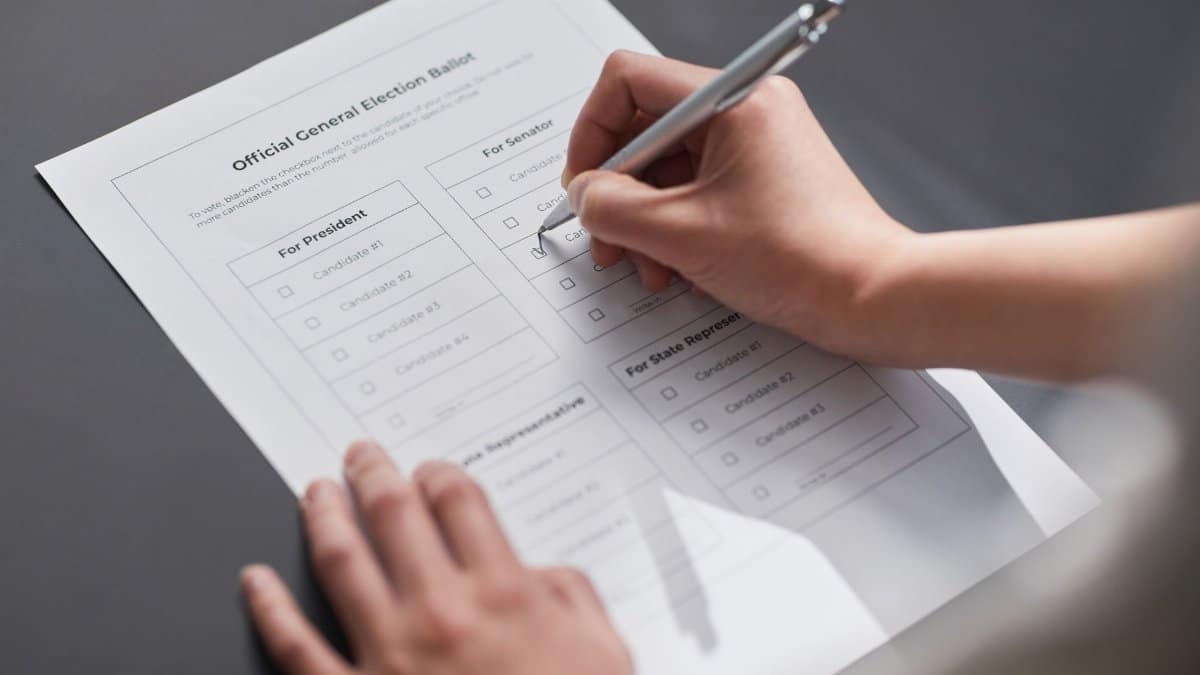
Recent California elections have trained reporters to wait. Mail ballots often skew differently from votes cast in person, and the skew is not a conspiracy. It is a habit. Older voters, younger voters, renters, and homeowners do not return ballots at the same speed. A measure that pits concentrated wealth against public healthcare may split along those same lines, or it may not. Geography matters too. Coastal counties and inland counties have argued about taxes for as long as the state has had both.
The responsible posture, days after the midterms, is restraint. A running tally is information. It is not destiny. Counties still processing signature challenges can move thousands of ballots in an afternoon. Anyone claiming a final percentage before that work ends is selling certainty the documents do not yet support.
Hospitals and clinics in a holding pattern

Administrators are not writing next year’s clinic schedule around a result that does not exist. They are, however, watching. A dedicated stream of this size would let some public systems replace aging equipment, expand behavioral health beds, or keep primary care sites open in neighborhoods where private practices have closed. The absence of that stream would not be a sudden collapse. It would be the continuation of triage: longer waits, fewer evening hours, more patients sent to emergency rooms for problems that a clinic could have handled.
Workers in those systems have heard promises before. Bond measures, tobacco taxes, and federal relief have each arrived with a story about transformation. Some of the money stuck. Some of it vanished into the larger budget. Their caution is earned. If the tax passes, the next fight will be about whether the dollars reach the floor of the hospital or stop at the ceiling of the finance office.
The legal road that may follow a yes

A victory at the polls would not be the last word. Wealth taxes raise questions under the state constitution and under federal limits on how states treat property and interstate holdings. Opponents have signaled that they would sue. Supporters say the measure was drafted to survive that scrutiny. Courts move slowly. Collection, if it happens, might wait on injunctions. Voters who thought they were deciding a healthcare budget may discover they also decided to fund several years of litigation.
That prospect cuts both ways. A loss at the polls ends the immediate proposal and leaves the legal theories untested. A win begins a second campaign, this one in briefing papers rather than advertisements. Either outcome will be cited in other states where lawmakers are eyeing extreme fortunes as a revenue source. California, as so often, is being asked to run the experiment in public.
What certification will and will not settle
When the last county reports and the secretary of state certifies, Californians will know whether the measure crossed the line. They will not know whether billionaires leave, whether clinics hire, or whether the valuation rules prove workable. Those answers take budgets, tax returns, and time. Certification closes the ballot. It opens the administration.
Until then, the warehouses keep their lights on. Workers compare signatures. Campaigns refresh spreadsheets. Patients keep their appointments in systems that cannot pause for a canvass. The choice embedded in Proposition 40 is simple on the page and unfinished in the trays: whether a state will take one slice of its largest private fortunes and spend it on care, and whether the voters, once fully counted, are willing to live with what follows.