
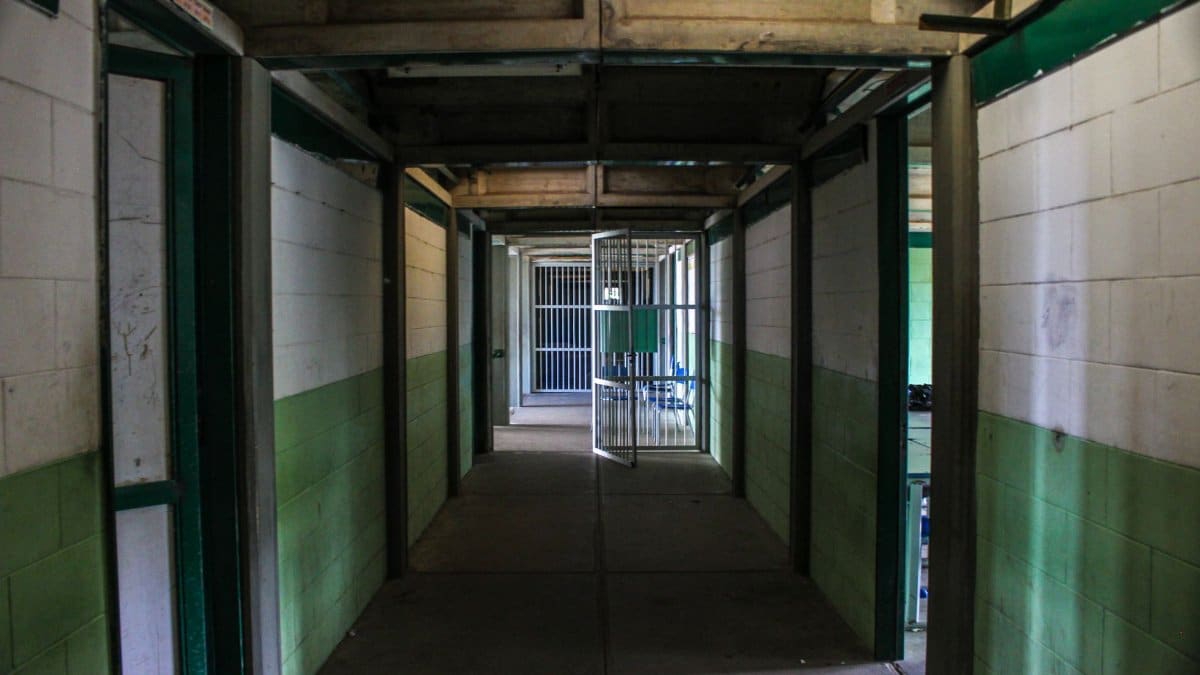
In recent months administrators at several state facilities have quietly scaled back educational offerings and vocational training as part of broader efforts to address rising labor expenses. The approach reflects a calculated response to mounting budget pressures that reached a peak before the close of the fiscal year. Observers note that these adjustments coincide with the rollout of California Prisons Program Cuts Overtime which seeks to rein in extra shifts for correctional officers while reshaping daily operations inside the walls.
Budget Realities Shape Daily Operations

State corrections spending has climbed steadily amid inflation and staffing shortages. Officials decided that limiting program hours would reduce the need for additional personnel during evenings and weekends. This choice affects thousands of participants who rely on structured activities to prepare for eventual release. Data from internal memos show overtime hours dropped noticeably once class schedules were trimmed.
Effects on Education and Training Access

College level courses and trade certifications now meet less frequently at multiple sites. Instructors report that some groups lost two sessions per week while others were suspended until new funding cycles begin. Participants describe a sense of stalled progress at a time when many hoped to build skills for stable employment after incarceration. The changes arrive just as enrollment in such initiatives had begun to rebound following pandemic disruptions.
Staff Perspectives on Workload Adjustments

Correctional officers express mixed feelings about the new limits. Some welcome fewer mandatory extra shifts that once disrupted family life while others worry that reduced programming leaves people idle and heightens tension on housing units. Union representatives have called for clearer communication from headquarters so that line staff can anticipate schedule changes rather than react to them.
Experiences of Those Behind the Walls

Individuals serving sentences say the loss of classroom time removes a vital anchor from their routines. One participant at a northern facility explained that the canceled workshops once provided structure and hope for a different future. Without them days feel longer and opportunities for personal growth narrower even as release dates approach.
Broader Goals of Rehabilitation Under Review

California has long promoted education and job training as tools to lower repeat offenses. The current reductions raise questions about whether short term savings might lead to higher long term costs if fewer people leave prison prepared for steady work. Researchers who track recidivism rates caution that any sustained cut in program availability could slow progress achieved over the past decade.
Advocacy Groups Respond to Policy Shifts

Organizations focused on criminal justice reform have urged lawmakers to restore funding before the next budget cycle. They argue that program cuts undermine the very reforms voters supported in recent ballot measures. Letters sent to the governor emphasize that rehabilitation remains central to public safety even when overtime expenses must be contained.
Looking Ahead to Next Fiscal Cycle

Department leaders say they will monitor outcomes from the current restrictions and adjust as needed once fresh appropriations arrive. Some facilities plan to expand volunteer led sessions that do not require paid staff overtime. Whether these substitutes can match the scope of earlier offerings remains uncertain but they represent one attempt to balance fiscal demands with continued opportunities for growth. California Prisons Program Cuts Overtime continues to influence decisions across the system as managers weigh competing priorities.