
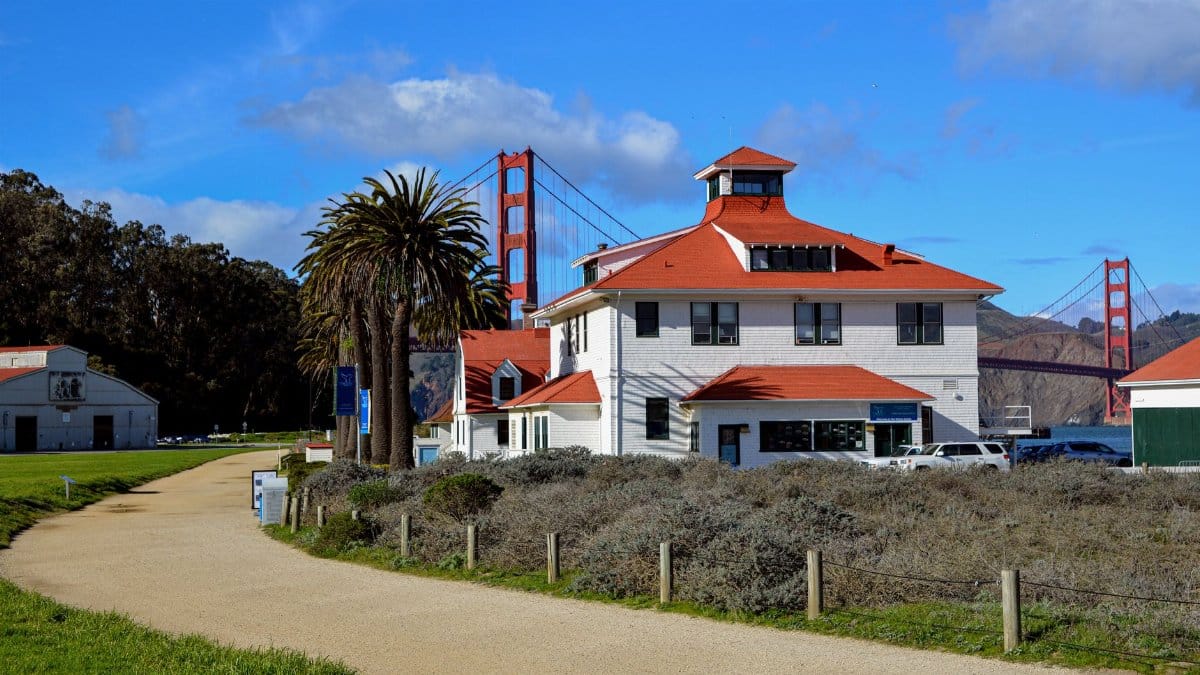
The morning light on the Golden Gate usually belongs to joggers, school groups, and people walking dogs along cracked asphalt that once carried Army trucks. This year California tried to give that landscape a different future. State leaders proposed San Francisco’s Presidio as the flagship campus of the U.S. Space Academy, arguing that a national school for space careers belongs beside a working research corridor rather than on a remote range. The plan, described in reporting by the San Francisco Chronicle, pairs the park site with support from NASA Ames Research Center and campuses across the University of California, and it points toward a first class in fall 2028.
A fort that learned to be a park
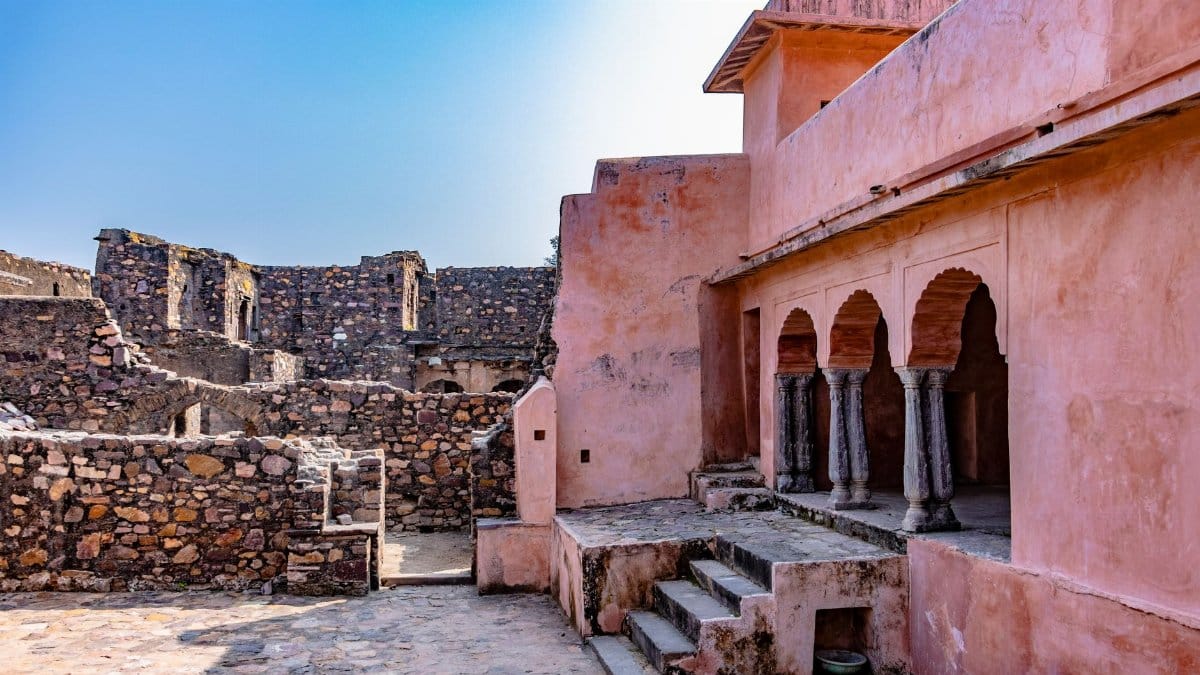
For more than two centuries the Presidio has been a place where the country stored power and then tried to soften it. Spanish soldiers, then American ones, watched the entrance to the bay. After the post closed, the land became an unusual civic experiment: a national park area inside a dense city, managed with an eye toward both preservation and new uses. Offices, museums, trails, and housing sit among eucalyptus and old barracks. That mix is why the site tempts planners. It already knows how to host institutions without pretending to be empty land. It also knows how to disappoint them. Every new tenant must answer to neighbors who treat the views, the quiet, and the public paths as a kind of civic property.
The ground itself argues against casual promises. Historic buildings need care. Seismic risk is not a footnote in this city. Fog, wind, and a shoreline that visitors treat as common ground all limit what a campus can look like. A school planted here would inherit those constraints on the first day, not after a ribbon cutting. That may be a virtue. Institutions that must share a park tend to learn humility faster than institutions handed a blank tract beyond the last subdivision.
What California is putting on the table

The state’s argument is less a slogan than a map. Put the main campus in the Presidio. Tie instruction and research to NASA Ames in Mountain View, a short drive south on a good day and a long one in traffic. Draw faculty, labs, and students from the University of California system, which already runs programs in engineering, planetary science, climate, and public policy. Aim for an entering class in fall 2028, a date close enough to force decisions and far enough to allow hiring, construction, and a fight over curriculum.
Officials are selling proximity: to industry in the South Bay, to a major airport, to a city that already recruits scientists from around the world. They are also selling symbolism. A campus at the mouth of the bay would photograph well and speak, without a speech, about a state that wants the future of orbit to pass through its universities. Whether Washington wants that message is a separate question, and the more important one.
A campus in a city, not a desert
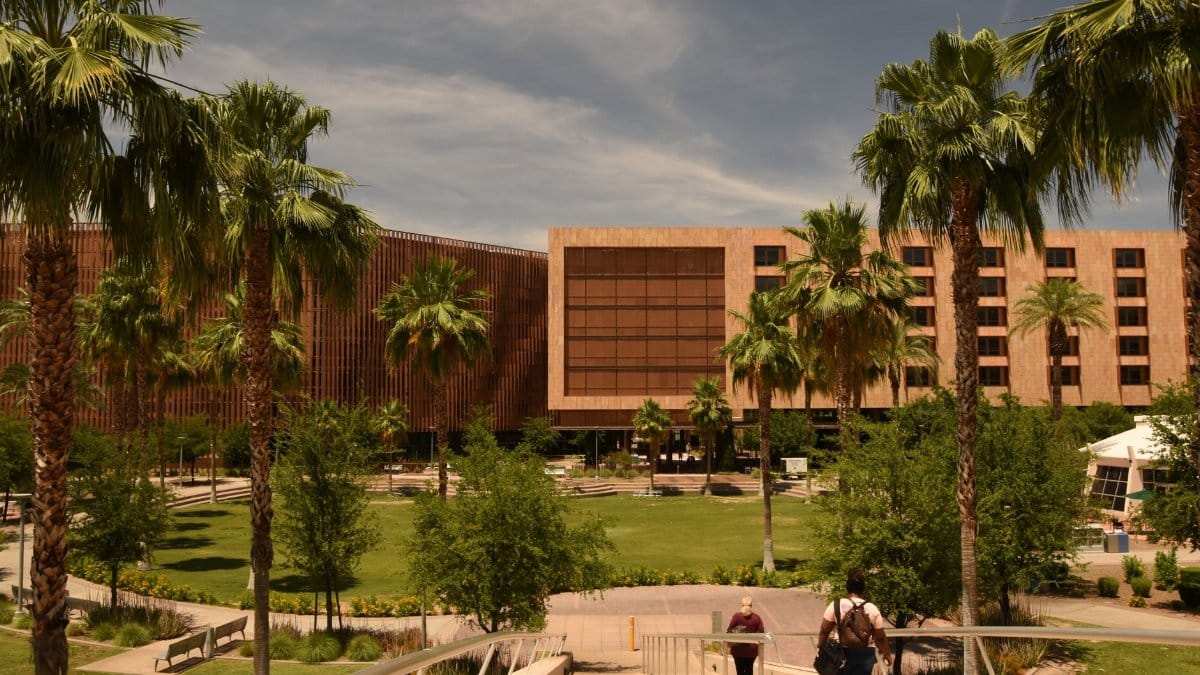
Space training in the American imagination often looks like scrubland, hangars, and a sky with no neighbors. The California pitch rejects that picture. A city campus, backers say, would keep students near the companies that build satellites, rockets, and the software that runs them. It would also keep them near the civic arguments that follow the industry: housing, noise, environmental review, and the question of who benefits when public money chases private launch firms.
Critics of a coastal site will say the opposite. Students need room, security, and runways, not fog and park rules. Both claims can be true at once. The Presidio is not a launch pad. It could be a school, a lab, and a public stage. Whether that is enough depends on what the academy is meant to be. If the goal is ceremony and technical education, a city can serve. If the goal is flight test and restricted ranges, the Golden Gate is the wrong postcard.
NASA Ames and a statewide bench

NASA Ames is not a symbol plucked from a brochure. The center has long worked on aeronautics, supercomputing, and missions that live as much in code as in hardware. A partnership could give students access to people who already do the unglamorous work of testing, modeling, and mission support. Backers of the U.S. Space Academy argue that Ames already practices the patience a school would need: long projects, shared instruments, and results that arrive years after the press conference.
The university system offers a second bench. Astronomy at one campus, materials at another, law and ethics at a third. The risk is diffusion. A flagship that borrows talent from ten places can become a logo rather than a school. The opportunity is the same fact read kindly. Few regions can assemble, within a day’s travel, federal researchers, public universities, and private space firms at this density. California wants that density to count as a national asset, not a local boast. Density only helps if someone is in charge of the calendar, the credits, and the standard a graduate must meet.
The politics sitting in the room
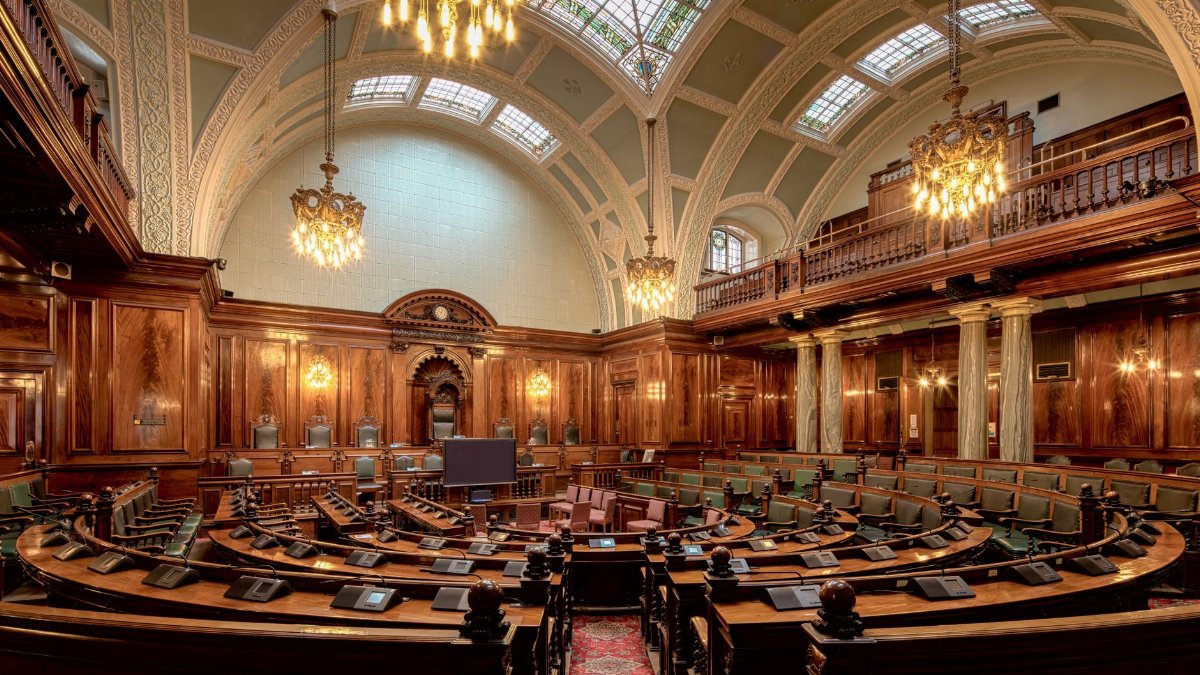
Any academy with a national name will be read through national politics, and this one more than most. The proposal is framed as a home for an institution associated with President Donald Trump’s interest in a space academy. That means Democrats in a strongly Democratic state are asking a Republican administration to plant a prized project on their ground. It is either shrewd or naive, depending on the listener. Shrewd, because California has the labs and the companies. Naive, because symbolism may matter more to Washington than commuting distance to Mountain View.
Governors pitch. Presidents and Congress decide. Land in the Presidio is not a blank check. Federal landlords, park rules, and local boards all have vetoes that do not care about campaign speeches. If the U.S. Space Academy is built to project national will, its address will be part of the message. A San Francisco address tells one story about who owns the future of spaceflight. A campus in another state would tell another. California is betting that capability can outvote geography. History is full of bets like that, and also full of maps redrawn in committee.
Who the school would be for

An academy is a promise about people, not just buildings. Would students be uniformed cadets, civilian undergraduates, or a mix of officers, engineers, and mid career specialists sent by agencies? Would admission favor military service, science prizes, or geographic balance so that the school does not become another California institution for California students? Those choices shape everything else: housing, discipline, speech rules, and the daily feel of the grounds.
A park campus that looks like a quiet college will anger people who wanted a service academy. A campus that looks like a base will anger people who thought the Army had already left. The public sketch of the plan has not settled that identity. Until it does, the Presidio proposal is a location in search of a culture. Parents, faculty, and members of Congress will not agree on the culture. They will agree that pretending the question can wait is how schools drift into slogans.
Money, leases, and the unglamorous work

Glamour is cheap in a press release. Leases are not. The Presidio’s reuse has always turned on who pays for old buildings, seismic work, and the slow business of keeping historic structures useful. A space academy would need classrooms, secure computing, housing, and a way to move students to Ames without pretending the freeway is a seminar room. Federal funds, state funds, and private gifts will all be invited to the table, and each will arrive with conditions.
Philanthropy from space companies could speed a building and compromise a curriculum. State money could anchor the project and trigger a fight in Sacramento over priorities closer to home: housing, schools, wildfire, water. None of that is an argument against the idea. It is the argument the idea must survive. Readers should ask, early, which budget line is real and which is a hope pinned to a future appropriation. Hope is not a facilities plan.
Neighbors who already live with big ideas
People who live beside the Presidio have heard grand proposals before. Some improved the park. Some treated it as spare real estate with a view. A national academy would bring jobs and visitors, and also security perimeters, event traffic, and a new claim on public space. Trust will depend on ordinary promises kept: trails that stay open, housing that does not shove workers farther out, construction that respects nests and neighborhoods, and a campus that does not become a closed compound with a pretty fence.
San Francisco knows how to romanticize its institutions and how to resent them. The academy’s local future may be decided less by speeches about orbit than by whether a parent can still walk a child to the waterfront without feeling like a guest on federal grounds. That test sounds small. It is the kind of test that decides whether a national project is tolerated or fought, block by block, for a decade.
Fall 2028 is a date with teeth

A first class in fall 2028 sounds distant until one lists the steps in between. Curriculum. Accreditation, or an equivalent federal warrant. Faculty offers. Student housing. A governance board that can say no. Environmental review. A political calendar that includes elections and budget fights. Missing the date would not kill the idea, but naming it creates a test. Institutions that slip their first deadline often slip their purpose next.
If California wants Washington to take the Presidio seriously, it will have to show work. Sites inside the park that can actually be used. Letters from university leaders with numbers attached. A clear account of what Ames would do on day one rather than in some later phase. A date is a discipline. Without the documents behind it, it is only a season on a poster.
A school, a symbol, or both

The hardest question is the simplest. What problem is this academy meant to solve? A shortage of engineers? A desire for national ceremony in a field dominated by private firms? A bet that spaceflight needs a shared school the way the sea once needed a naval academy? California’s answer, implied by the site, is that the country already has the pieces and lacks the room where they meet.
A Presidio campus would say that space is no longer only a story of desert test ranges and Florida launch days. It is also a story of cities, universities, and public land asked to do new work. That story can be honest. It can also be branding. Whether the U.S. Space Academy ever opens its doors above the bay will depend on negotiations that have barely started. For now the U.S. Space Academy is a proposal with a view: a name, a park, a research center down the peninsula, and a calendar that runs toward fall 2028. The view is real. The school is not, until someone pays for it and someone else agrees to be taught there.