
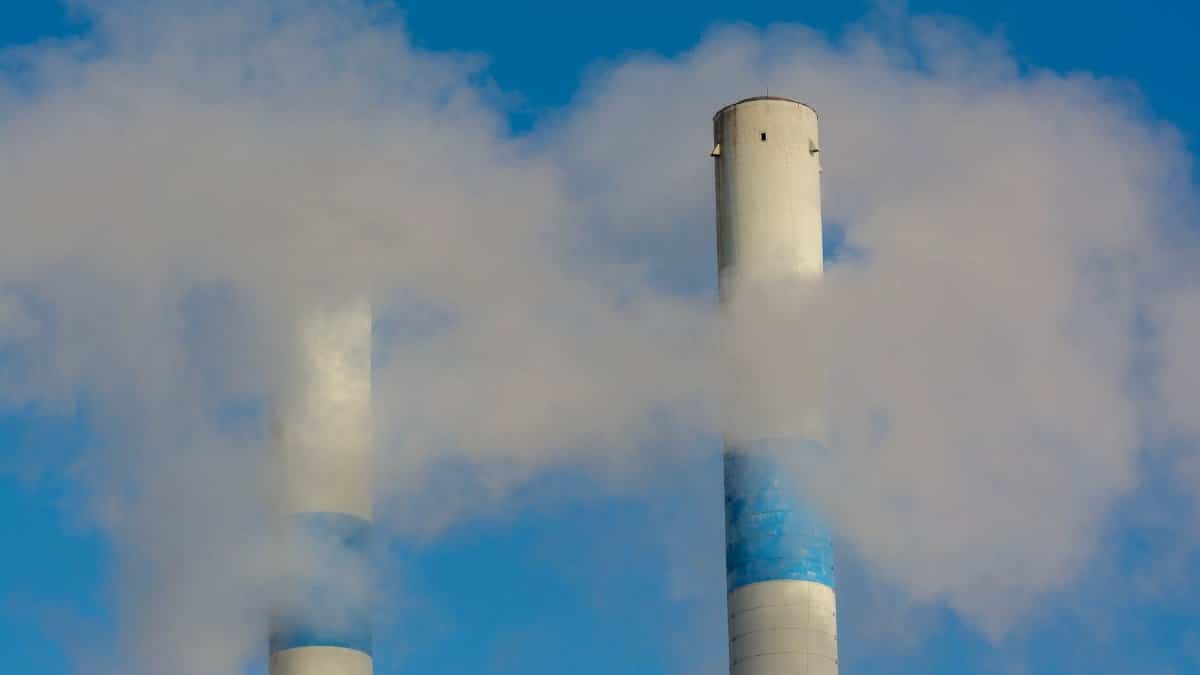
In the early hours of a recent morning residents across Los Angeles awoke to urgent alerts about a massive warehouse blaze in Boyle Heights that unleashed toxic ammonia into the surrounding air. The Boyle Heights Fire quickly drew attention from officials who issued shelter in place orders for nearby blocks as smoke drifted through streets and into homes. What began as a routine industrial incident soon revealed deeper worries about air quality in one of the city densest neighborhoods where families wondered how long the effects would linger.
Initial Reports from the Scene
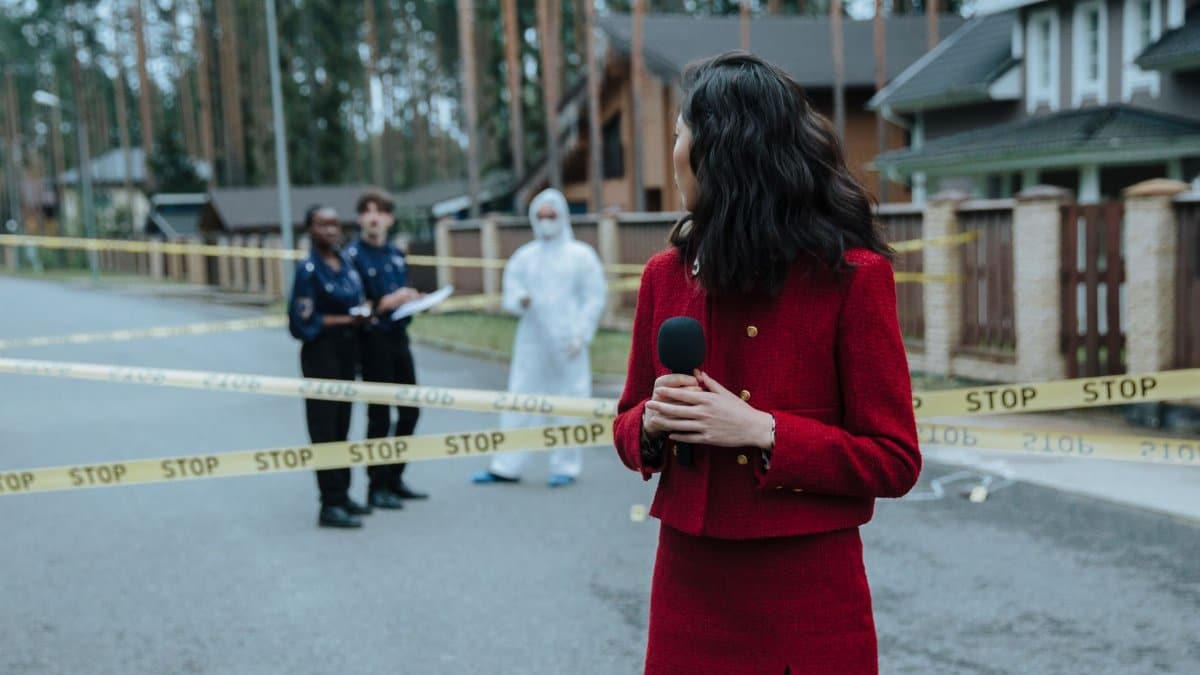
Emergency crews arrived to find intense flames consuming pallets and storage materials inside the facility. Witnesses described a rapid spread that forced quick decisions on containment. Officials later confirmed the presence of hazardous materials which added layers of complexity to the response.
Evacuation Measures and Public Alerts
Authorities moved swiftly to notify communities through phone messages and broadcasts. Thousands received instructions to remain indoors with windows sealed while tests were conducted on outdoor air samples. These steps aimed to limit exposure during the peak of the incident.
Understanding the Ammonia Leak Risks

Ammonia presents particular challenges when released in large quantities because it irritates lungs and eyes even at moderate levels. Experts noted that wind patterns played a role in how far the fumes traveled from the source. Monitoring stations provided real time data that guided further precautions.
Effects on Neighborhood Air Quality
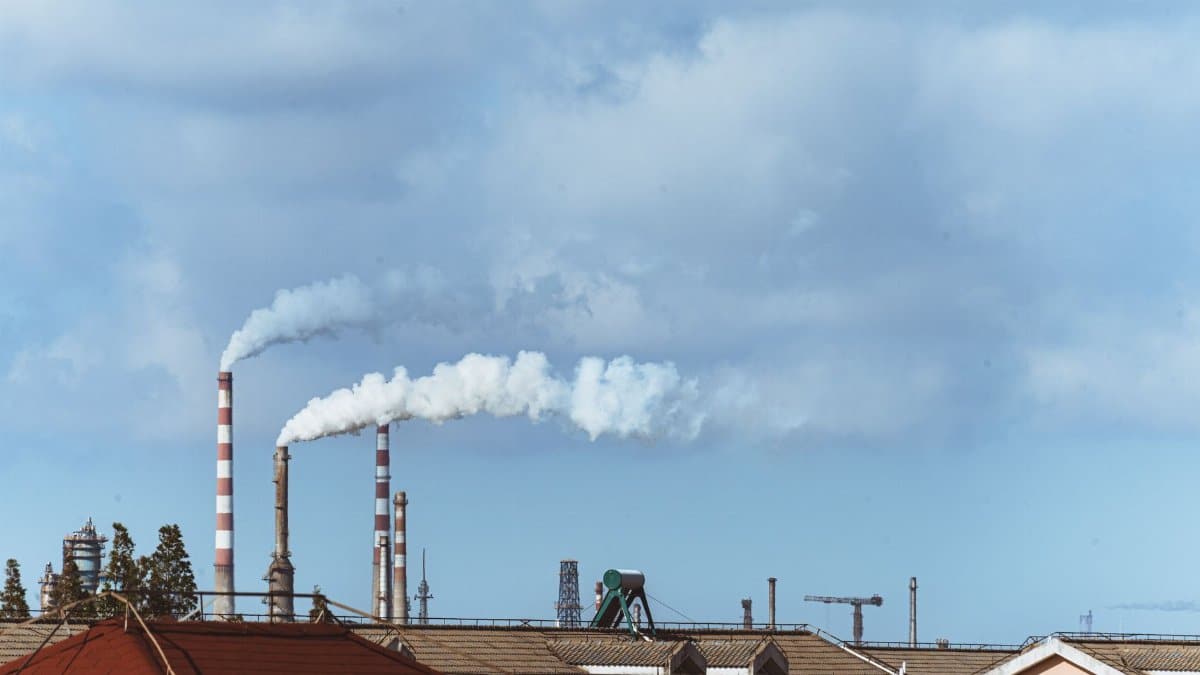
Readings taken in the hours after the event showed elevated particles in several zones around Boyle Heights. Though levels dropped as the fire was brought under control concerns persisted about finer pollutants that could affect sensitive groups. Local agencies shared updates through their websites to keep people informed.
Health Guidance for Affected Residents
Medical professionals advised anyone experiencing coughing or shortness of breath to seek care promptly. Schools in the vicinity stayed closed for an extra day as a precaution allowing time for ventilation checks. Families with children or elderly members were urged to limit outdoor activities until conditions improved.
Role of Local Emergency Teams
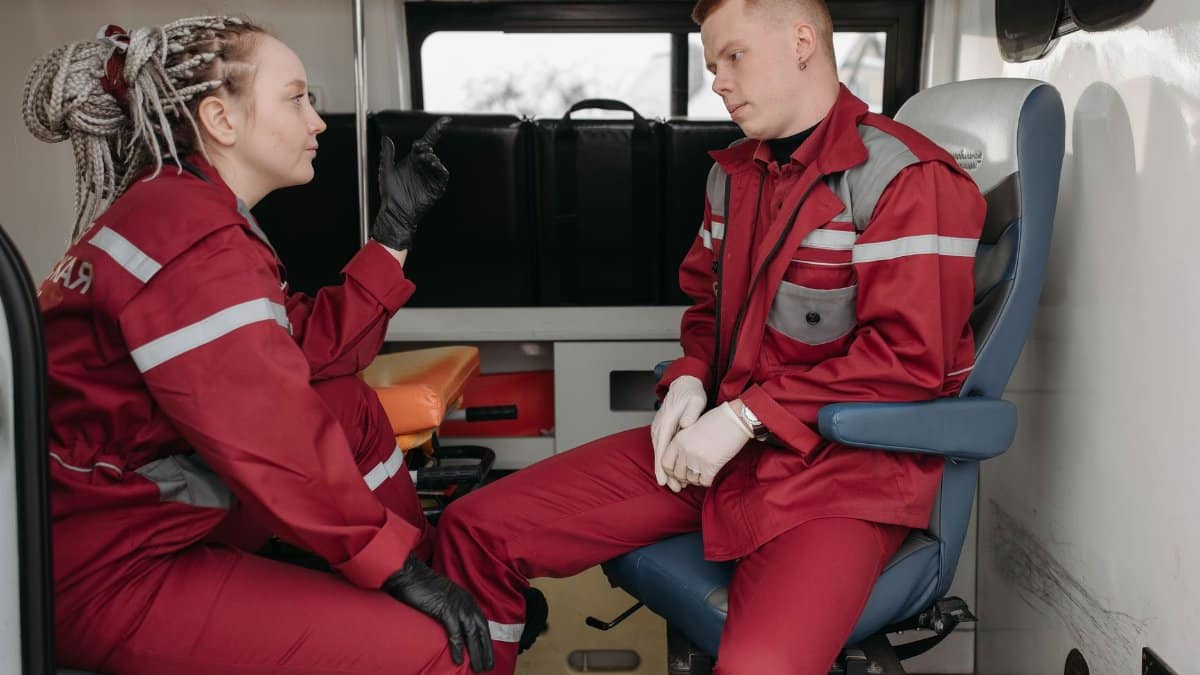
Fire fighters and hazardous materials specialists worked in shifts to secure the site and prevent further leaks. Coordination with air quality districts ensured that resources were allocated where readings remained highest. Their efforts highlighted the demands placed on public safety workers during such events.
Community Resilience After the Event
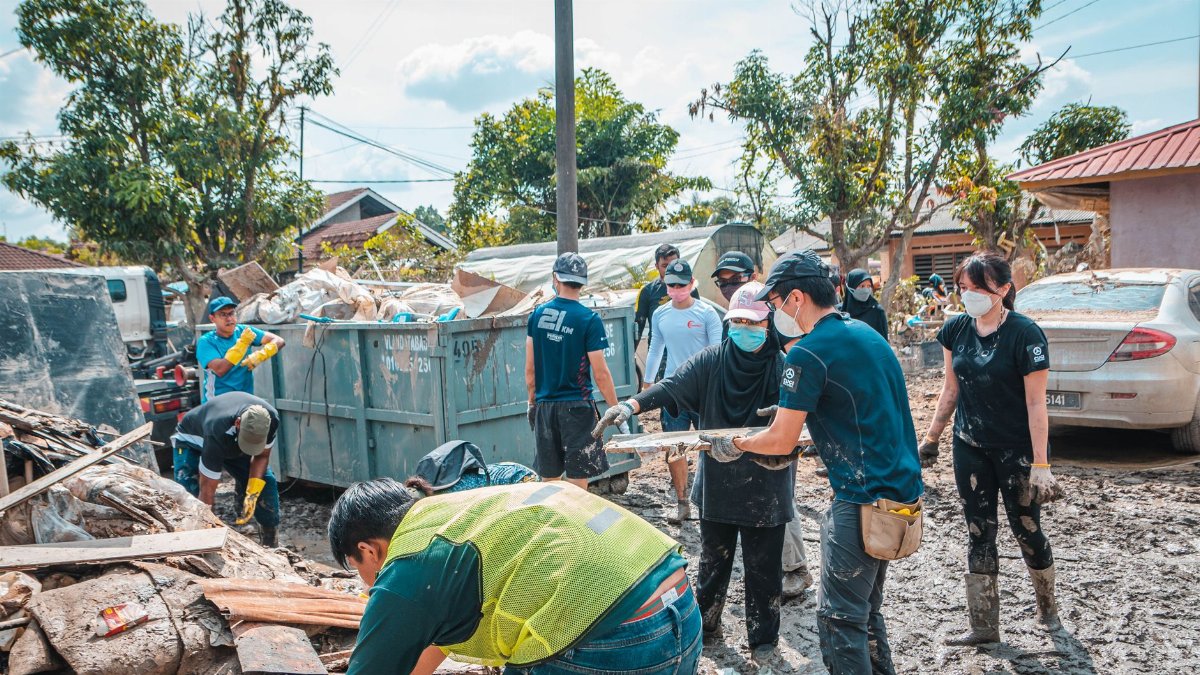
In the days that followed neighbors gathered to discuss what had occurred and how to prepare for future risks. Some faith based groups offered spaces for reflection and support drawing on traditions of coming together in times of uncertainty. This response reflected broader patterns seen in urban areas facing industrial accidents.
Longer Term Environmental Considerations

Cleanup operations continued with attention to soil and water near the warehouse. Regulators began reviews of storage practices at similar sites to reduce the chance of recurrence. Discussions also touched on how cities can balance industrial needs with protections for nearby populations.
Broader Lessons for Urban Safety
Incidents like the Boyle Heights Fire underscore the importance of rapid communication and updated emergency plans. As Los Angeles grows such events prompt ongoing conversations about zoning and oversight in mixed use districts. Officials emphasized that lessons learned here could inform responses elsewhere.