
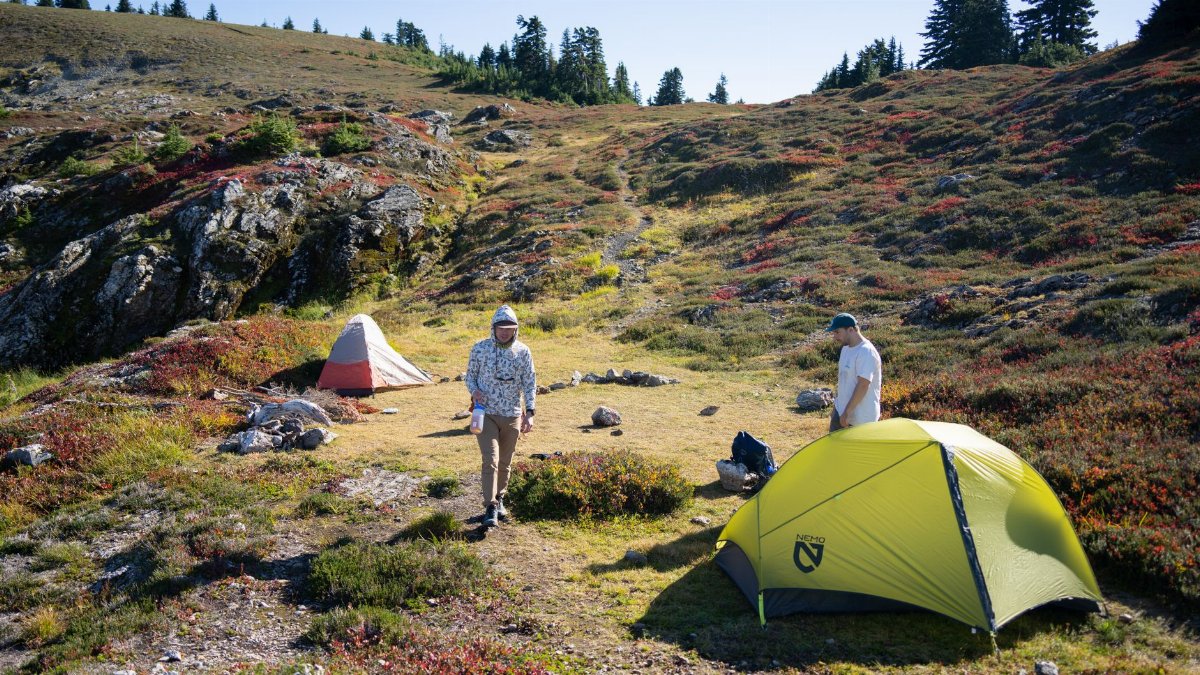
Recent federal decisions have opened select portions of a cherished northern wilderness to limited overnight stays once more. This shift follows extended restrictions tied to wildfire risks and extreme heat. For those planning Boundary Waters camping the news marks a cautious step toward normal routines in a region prized for its quiet lakes and dense forests. Officials emphasize that access remains restricted in many zones where hazards persist. Travelers are urged to review current maps and permits before heading out. The partial reopening reflects ongoing assessments by land managers balancing public safety with the desire to restore recreational opportunities.
Details of the Reopening Plan

Federal authorities specified that overnight use resumes Thursday in designated entry points where fire danger has eased. Remaining areas stay closed to protect both visitors and crews still monitoring hot spots. Permits are required as always and numbers are capped to avoid overcrowding. Rangers will conduct extra patrols to enforce rules on campfires and waste disposal. The measured approach allows time to observe how conditions evolve through the rest of the season.
Reasons Behind Earlier Closures

Intense summer heat combined with dry vegetation created elevated fire risks across the region. Lightning strikes and human activity sparked several blazes that prompted broad evacuations and access bans. Managers prioritized containment and public safety until cooler weather and rainfall reduced threats. These steps followed established protocols used in similar wilderness settings nationwide.
Advice for First Time Visitors

Newcomers should focus on lightweight gear suited to portaging between lakes. Navigation skills matter since trails can be faint in remote sections. Weather changes quickly so layers and rain protection prove essential. Leave no trace principles help preserve the pristine quality that draws people year after year.
Local Communities and Economic Effects

Outfitters and lodging providers near entry points have felt the strain from months of limited traffic. The gradual return of campers offers a modest rebound though full recovery may take additional seasons. Guides note that advance bookings are picking up yet many travelers remain cautious about final plans. Regional economies rely heavily on consistent wilderness tourism.
Environmental Considerations During Recovery
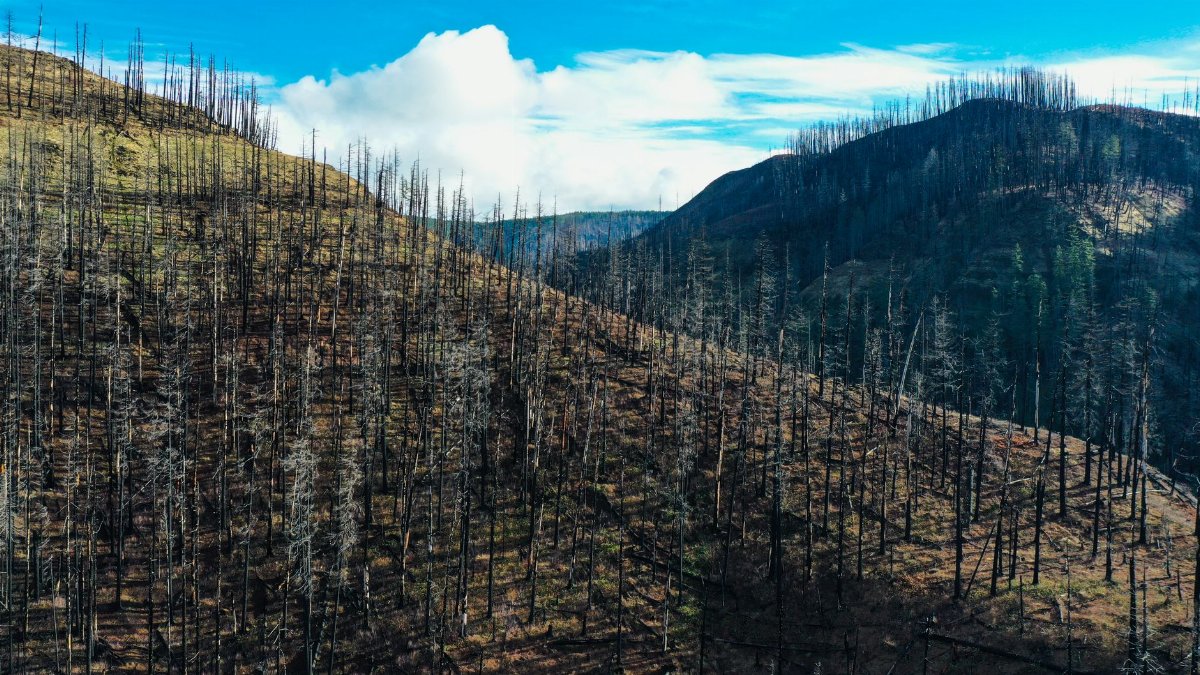
Restoration efforts continue in burned zones to stabilize soils and encourage regrowth. Campers are asked to steer clear of damaged shorelines and report any signs of new fire activity. Water quality monitoring remains active since runoff can affect fish populations and drinking sources. These measures support long term health of the entire ecosystem.
Spiritual Dimensions of Wilderness Time

Many visitors describe the area as a place for quiet reflection away from daily demands. The vast silence and star filled nights foster a sense of connection to something larger. Such experiences align with broader trends in which people seek renewal through nature rather than structured retreats. Partial access allows a return to these contemplative opportunities for those ready to travel responsibly.
Looking Ahead to Full Access

Managers will evaluate conditions weekly and expand zones as safety allows. Public input sessions are scheduled to gather feedback on the current phased strategy. Clear communication through official channels helps reduce confusion for future trips. The goal remains sustainable use that protects the resource for generations ahead.