
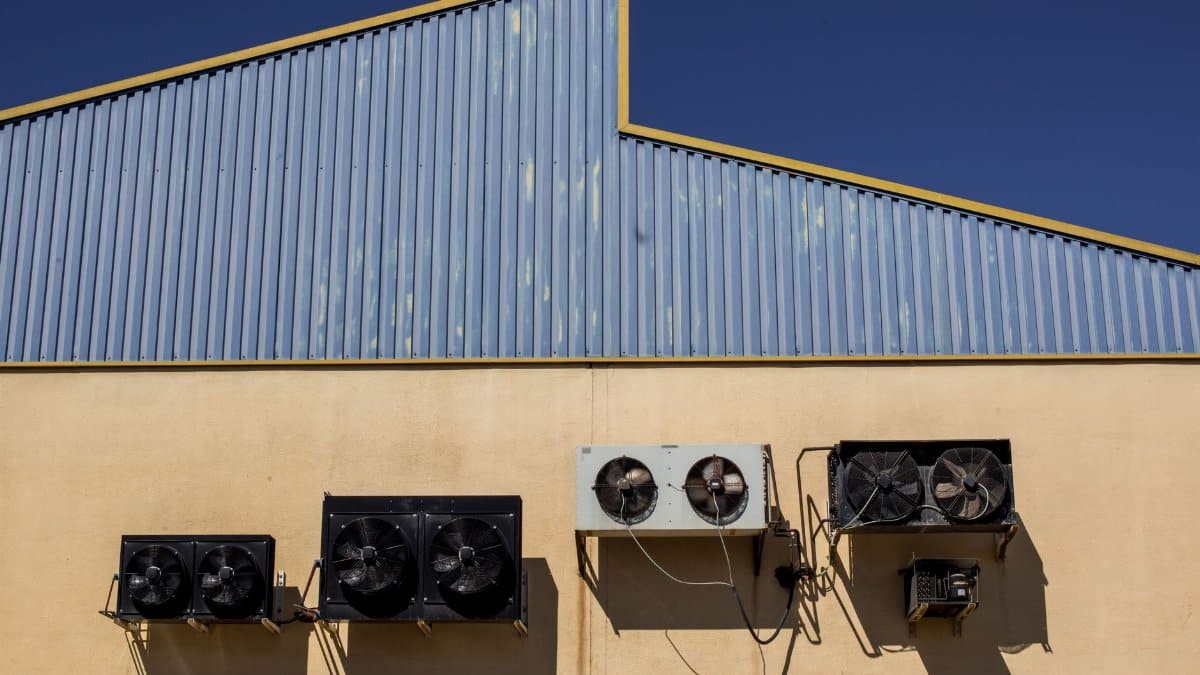
As summer temperatures climb higher each year in New England cities a troubling pattern has emerged where many residents face dangerous conditions inside their own homes. Boston has seen repeated heat waves that test the limits of older buildings and older policies alike. The conversation around Boston AC Mandate Renters Heat now sits at the center of local debates as officials consider new rules to protect tenants from extreme indoor conditions that can lead to health crises. Proposals include setting maximum temperature thresholds and requiring working cooling systems in rental units which could reshape landlord responsibilities across the metro area.
Heat Waves Strain Urban Housing Stock
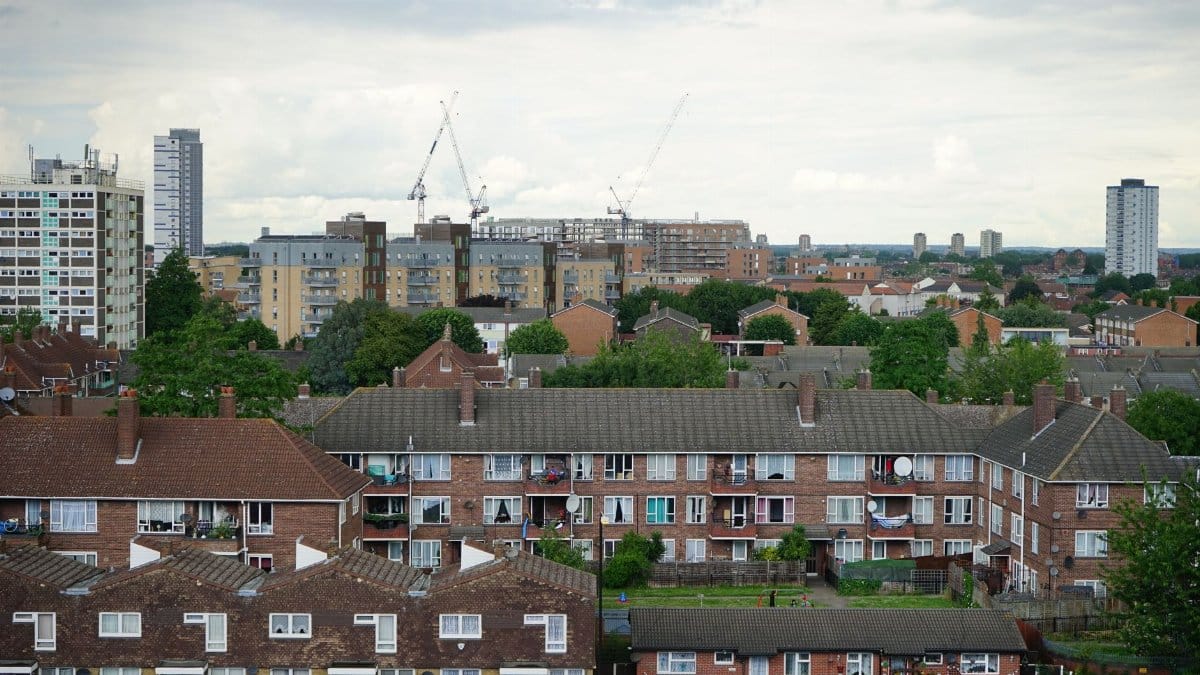
Boston apartments built decades ago often lack the insulation and mechanical systems needed for modern climate realities. Tenants in triple deckers and brick buildings report indoor readings that exceed outdoor levels by ten degrees or more during July peaks. City health records show spikes in emergency visits tied directly to these prolonged exposures especially among older adults and families with young children who cannot easily relocate.
Policy Proposals Take Shape at City Hall

Local leaders have floated ordinances that would cap indoor temperatures at eighty degrees during summer months. Landlords would need to install or maintain air conditioning units if natural ventilation proves insufficient. Discussions around Boston AC Mandate Renters Heat highlight the balance between tenant protections and the practical costs of retrofitting thousands of units across dozens of neighborhoods.
Landlord Perspectives on Compliance Costs

Property owners note that equipment purchases and electrical upgrades could run into thousands per unit with older wiring often requiring separate investments. Some smaller scale landlords argue that rent increases would follow to cover expenses while larger management companies explore bulk purchasing deals to lower per unit prices. The debate centers on whether phased timelines or city subsidies might ease the transition without displacing residents.
Tenant Advocacy Groups Push for Stronger Rules

Organizations focused on housing equity point out that low income renters face the greatest risks because they often occupy the least updated buildings. Advocates reference past winter heating mandates as a model arguing that similar summer standards would prevent avoidable suffering. Public comments at recent hearings show strong support for enforcement mechanisms that include fines for repeated violations.
Public Health Data Underpins the Urgency

Medical studies from area hospitals link extended heat exposure to rises in respiratory issues cardiovascular strain and heat stroke cases. Data collected over the past five summers reveals that rental units without cooling see the highest rates of such incidents. Policymakers reviewing Boston AC Mandate Renters Heat proposals cite these figures to justify action before another severe season arrives.
Comparisons With Other Cities Offer Lessons

Philadelphia and New York have introduced temperature regulations for rentals in recent years with varying degrees of success. Early reports indicate improved health outcomes yet also note administrative challenges in tracking compliance across large portfolios. Boston officials are studying these examples to craft language that fits local building types and enforcement capacity.
Potential Effects on Rental Market Dynamics
Analysts warn that added requirements might reduce available units if some owners exit the market rather than invest. At the same time improved amenities could attract more stable tenants and reduce turnover costs. The long term impact on vacancy rates and average rents remains uncertain though modeling suggests modest upward pressure in the first two years after adoption.
Electrical Grid Readiness Comes Into Question

Widespread adoption of new cooling equipment would increase summer electricity demand at a time when utilities already manage peak loads carefully. Planners recommend pairing mandates with efficiency incentives such as rebates for high performance units to limit strain on infrastructure. Coordination between city agencies and power providers appears essential for smooth rollout.
Enforcement Mechanisms and Tenant Recourse

Draft language includes requirements for annual inspections and clear reporting channels for complaints. Tenants would gain rights to request repairs within set time frames similar to existing habitability standards. Questions linger about staffing levels needed at inspectional services to handle the added volume without delays.
Next Steps in the Legislative Process
Committee hearings continue through the fall with a possible vote before year end. Input from engineers architects and community groups will shape final details including any exemptions for historic properties. Observers expect revisions before the measure reaches the full council for consideration.