
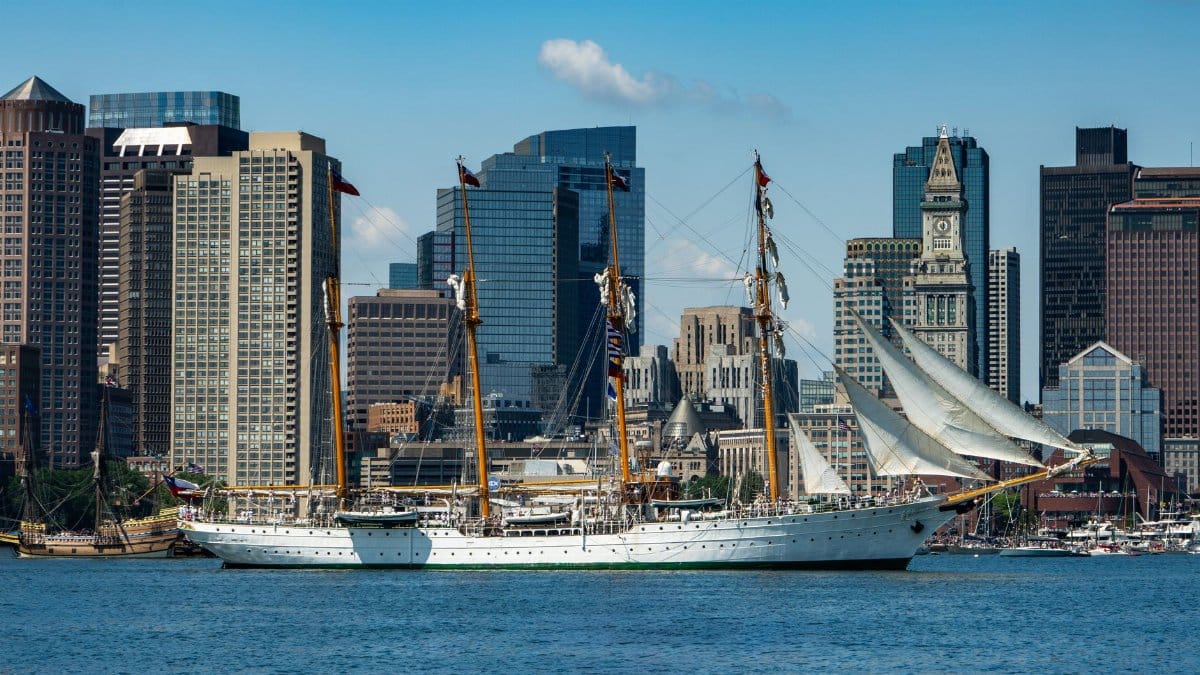
Boston drew visitors from far and wide during a recent stretch when international soccer matches coincided with a gathering of historic sailing vessels along its waterfront. This convergence created a surge in activity that local leaders now hope to build upon for years ahead. Boston World Cup tourism played a central role in the upswing, blending sports excitement with maritime heritage in ways that filled hotels, restaurants and shops.
Measuring the Financial Lift from Combined Events

City analysts tallied roughly 83 million dollars in direct spending tied to the overlap of soccer fixtures and ship visits. Tax collections added another 1.5 million dollars to municipal coffers over those days in late June. Such figures reflect higher occupancy rates at lodging properties and increased foot traffic at area businesses. Officials note that the combined draw outperformed expectations for either attraction alone.
Visitor Patterns During Peak Days
Crowds moved between stadium venues and the harbor in steady streams each afternoon. Many arrived by train or bus from surrounding states while others flew in from abroad. Hotel data showed near full capacity across downtown properties for nearly a week. Restaurants reported longer waits and higher average checks as groups lingered over meals.
Role of Local Businesses in Capturing Gains

Shop owners adjusted inventory to include team jerseys alongside nautical souvenirs. Tour operators added special routes that linked key sites without requiring private vehicles. Small vendors along pedestrian corridors extended hours to accommodate evening arrivals. These adaptations helped spread revenue beyond the largest corporations.
Challenges in Sustaining Momentum
Transportation networks faced strain from the sudden volume of travelers. Parking shortages prompted some to use ride services or walk longer distances. City planners now review traffic data to identify pinch points for future gatherings. Coordination between event organizers and transit agencies will require tighter timelines.
Ideas Under Consideration by City Leaders
Meetings have focused on repeating elements of the programming in off peak seasons. Proposals include themed weekends that pair athletic contests with cultural exhibits. Partnerships with regional ports could rotate sailing displays on a yearly cycle. Funding sources range from private sponsors to state grants aimed at tourism growth.
Community Views on Continued Development
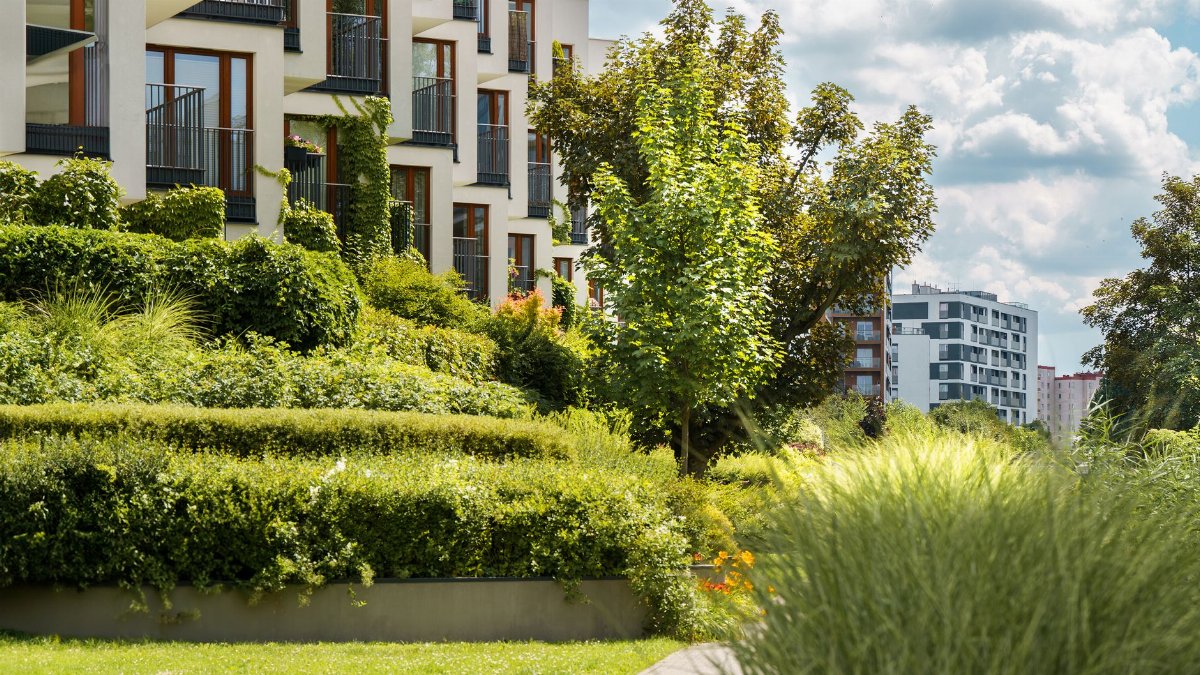
Residents expressed mixed reactions to the crowds yet welcomed the added income for neighborhood services. Some voiced concerns about noise and litter while others praised the international atmosphere. Public forums allowed residents to share suggestions for balancing growth with quality of life. Feedback continues to shape planning documents.
Looking Ahead to Broader Regional Effects

Nearby towns also recorded higher visitor counts as people extended stays to explore beyond city limits. This spillover effect could strengthen ties among greater Boston communities. Shared marketing campaigns might highlight connected attractions to encourage longer trips. Data sharing among chambers of commerce would help track these trends over time.
Lessons from Past Large Scale Gatherings
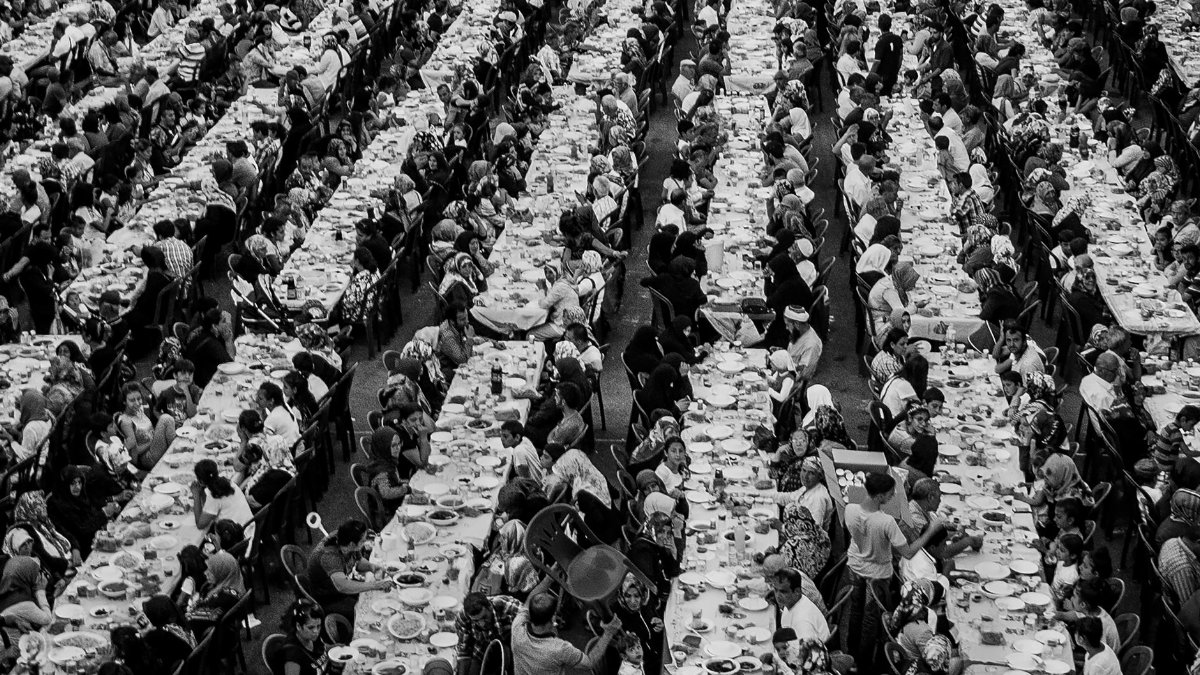
Previous festivals in the region provided templates for crowd management and vendor logistics. Organizers reviewed those records to refine security measures and waste collection routes. Success depended on clear communication across agencies before crowds arrived. The current effort builds on those earlier experiences with updated technology.