

Mayor Michelle Wu took the stage at Bostons Civic Summit with a measured tone that drew listeners into a conversation about belonging and shared responsibility. The room held civic leaders families and longtime residents all attentive to how local actions might counter pressures from afar. Her remarks framed the city as a place where community ties could offer a practical response to national shifts. In this setting the Wu immigration speech stood out for its emphasis on everyday participation rather than abstract policy arguments.
Setting the Stage for Local Leadership
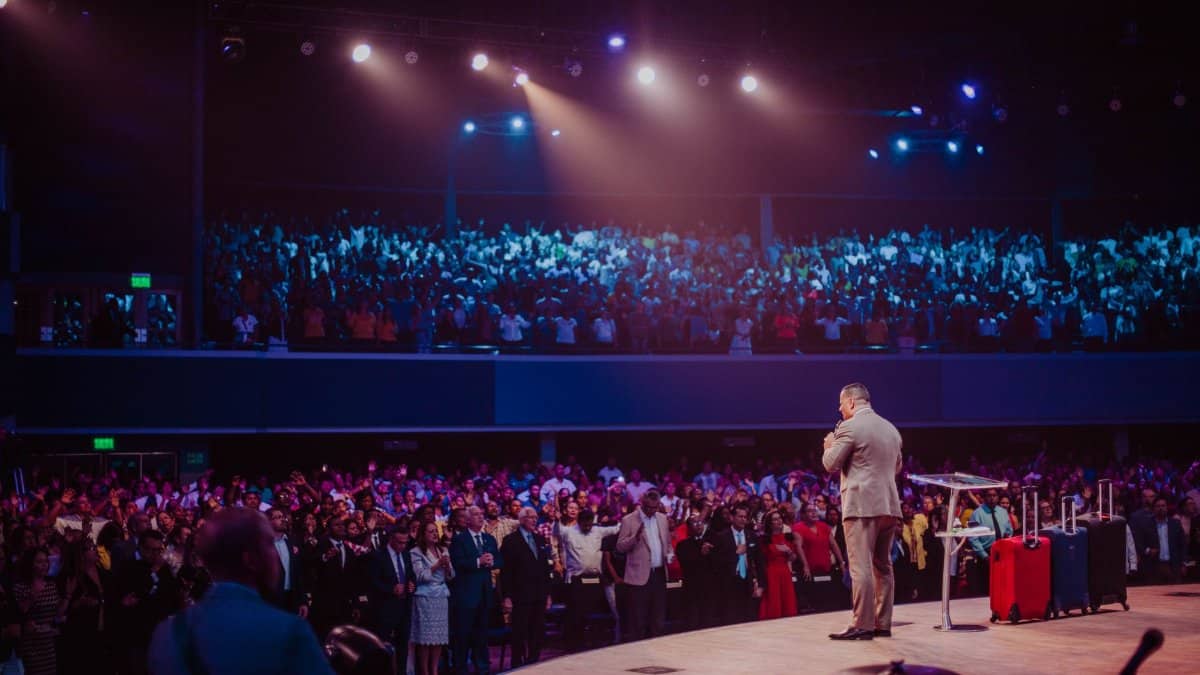
The summit unfolded on a warm August morning in a downtown hall filled with representatives from neighborhood associations and faith groups. Wu opened by recalling how Boston has long absorbed waves of newcomers and woven their stories into the city fabric. She stressed that real change begins with small acts such as attending meetings or supporting local programs. Attendees nodded as she described partnerships that help families navigate schools and jobs.
Framing Boston Against National Currents

Wu presented Boston as a counterpoint to federal approaches that limit pathways for migrants. She highlighted programs already in place for language classes and job placement. These efforts she noted rely on volunteers and city staff working side by side. The speech avoided confrontation and instead invited listeners to see their own role in sustaining an open environment.
Personal Stories That Ground the Message

Several residents shared accounts of arriving in the city and finding support networks that eased the transition. One woman described how a community center helped her secure employment after two years of uncertainty. Another speaker recounted how neighborhood watches evolved into broader welcome initiatives. These anecdotes illustrated the practical side of the Wu immigration speech without relying on statistics alone.
Role of Civic Groups in Daily Life
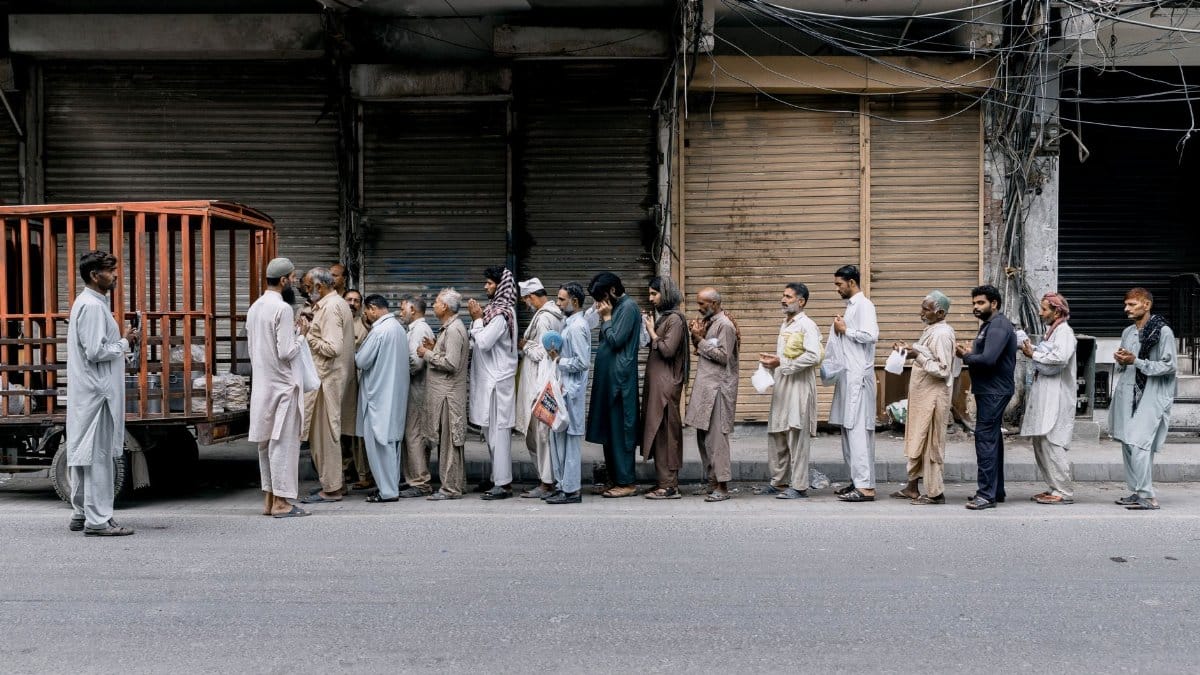
Wu turned attention to organizations that operate quietly yet deliver consistent results. She praised groups that match newcomers with mentors and those that organize cultural exchanges. Such work she argued builds trust across generations and backgrounds. Participants later discussed expanding these models to reach more isolated households.
Challenges in Sustaining Momentum

Despite the positive tone Wu acknowledged hurdles including tight budgets and competing demands on public resources. She called for creative funding ideas drawn from private donations and state partnerships. Listeners raised questions about measuring success over time. The discussion remained focused on solutions rather than assigning blame.
Youth Voices Enter the Conversation

Students from local high schools joined a panel to describe their experiences with civic projects. They spoke of tutoring programs and environmental cleanups that bring diverse peers together. Wu encouraged them to view these activities as training for future leadership. Their contributions added energy to the room and showed how younger residents interpret the themes of the Wu immigration speech.
Business Community Steps Forward
Representatives from small firms and larger employers described hiring practices that value diverse experience. One owner explained how language support in the workplace improved retention. Wu suggested tax incentives could encourage more companies to adopt similar approaches. The exchange pointed to economic benefits that accompany inclusive policies.
Looking Ahead to Continued Engagement

As the summit concluded Wu urged everyone present to carry the conversation into their blocks and workplaces. She listed upcoming forums where residents could refine ideas. The event ended with informal clusters still talking about next steps. In the weeks that followed several neighborhoods reported new volunteer sign ups tied to the themes raised.
Reflections on Lasting Impact

Observers noted that the Wu immigration speech succeeded in shifting focus from distant debates to local possibilities. Follow up coverage in regional outlets captured both the optimism and the realism expressed throughout the day. For many attendees the gathering served as a reminder that steady civic involvement can shape outcomes even when larger forces seem immovable.