
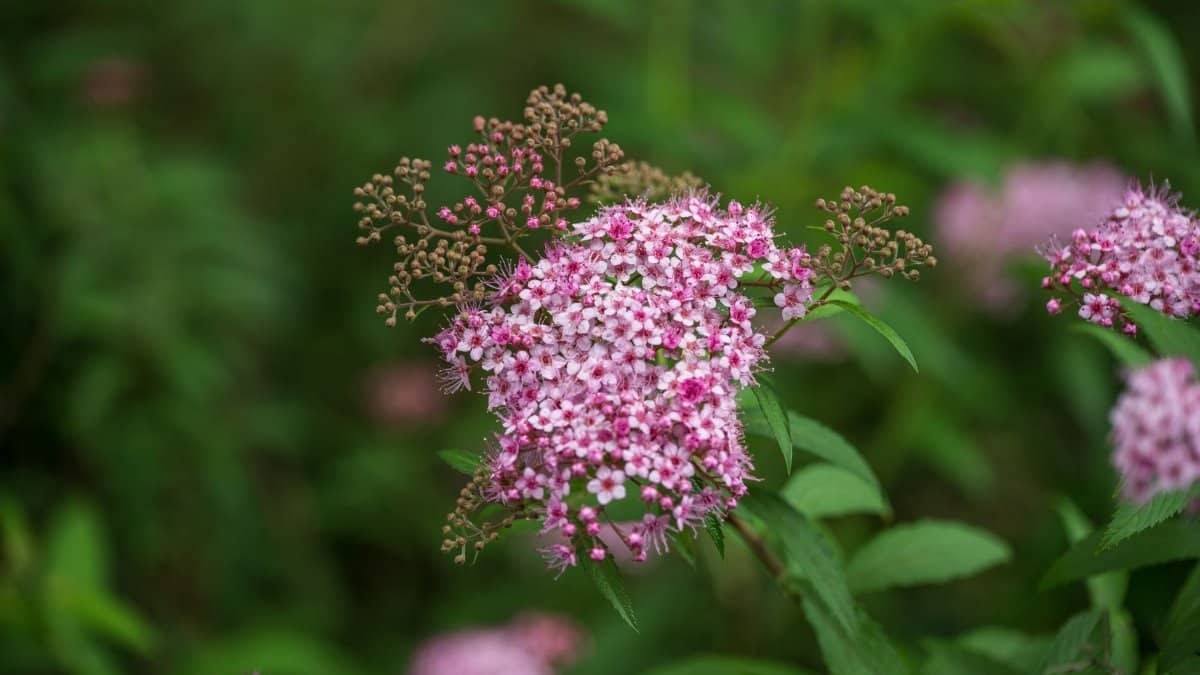
Gardens across the Midwest and New England often reveal their true character during the warmest months as homeowners look for reliable ways to bring lasting color and life to their outdoor spaces. Many turn to plants that thrive without constant attention while also drawing in bees and butterflies. Summer blooming shrubs fit this need well by filling gaps left by earlier spring displays and providing structure that lasts into the fall. Their ability to adapt to varying soil conditions makes them a practical choice for those seeking both beauty and function in one package.
Why These Plants Stand Out in Summer Gardens
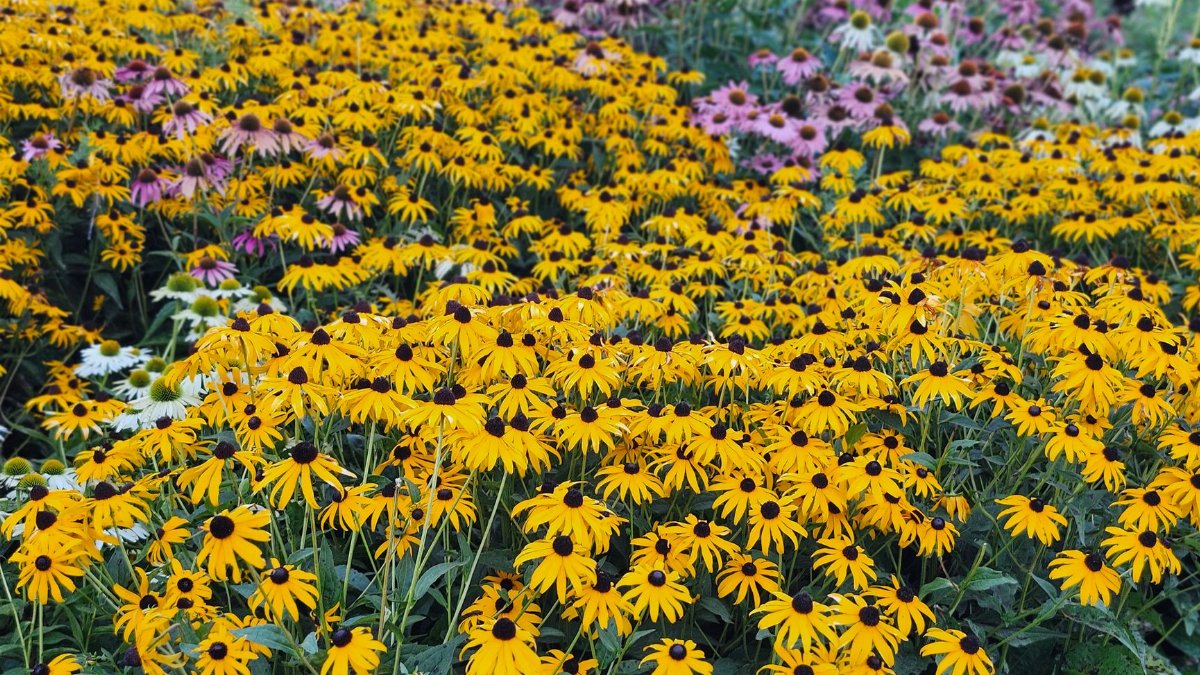
Observers note that summer blooming shrubs create focal points where lawns meet borders and patios. They offer layers of texture through foliage and blooms that change subtly over weeks. This gradual shift keeps interest high even as temperatures rise and other vegetation slows. Gardeners appreciate how these selections resist common pests better than more delicate annuals in many cases.
Alternatives to Traditional Choices in the Midwest

Residents in Illinois and surrounding states often seek plants that handle hot dry spells followed by heavy rains. Summer blooming shrubs serve as strong substitutes for plants that struggle with such swings. They establish deep roots quickly and maintain form without extra staking or frequent watering once settled. Local nurseries report steady demand for varieties suited to clay heavy soils common in the region.
Options for New England Landscapes
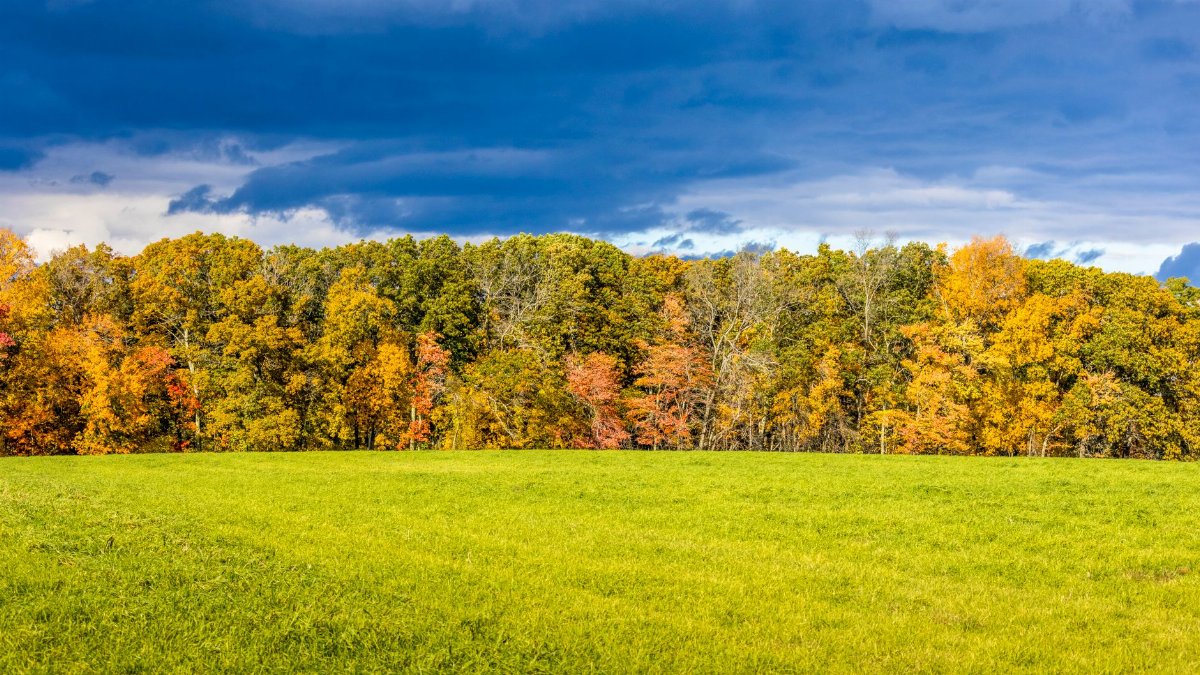
Coastal areas of Maine and Massachusetts present unique challenges with salt air and cooler nights. Summer blooming shrubs that tolerate these conditions bring reliable color near shorelines where other options may wither. Their compact growth habits suit smaller lots while still supporting seasonal pollinators that visit throughout July and August. Many varieties also hold berries into early winter for added wildlife value.
Supporting Local Wildlife Through Plant Selection
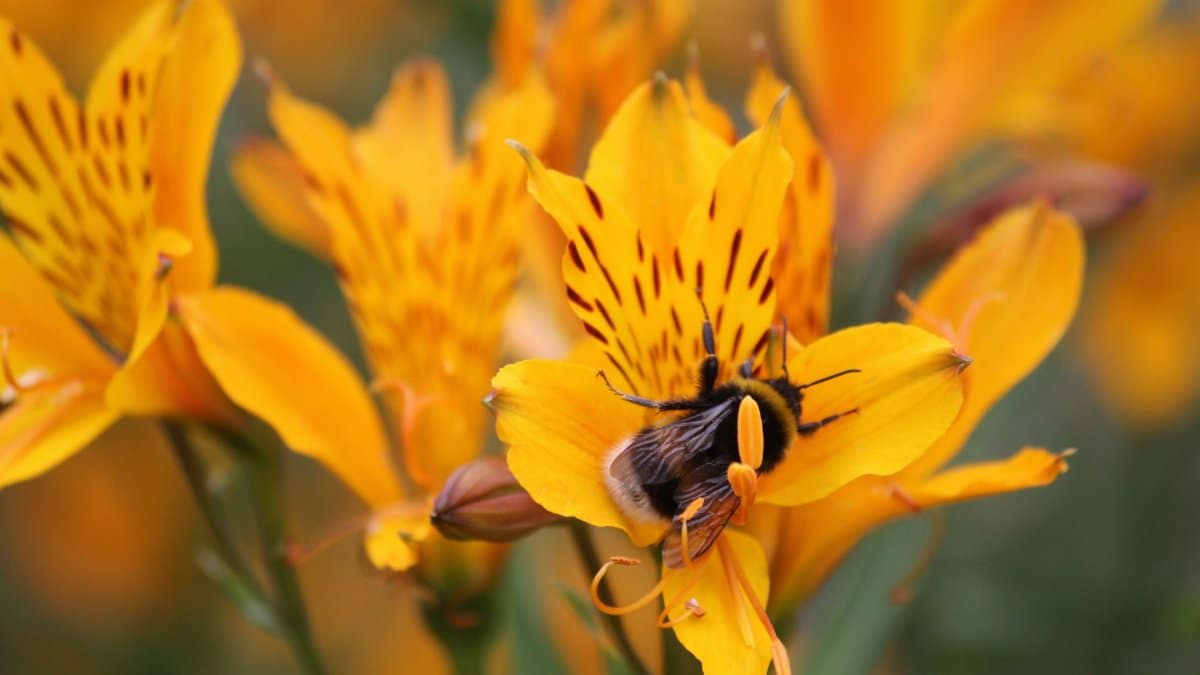
Birds and insects benefit when yards include summer blooming shrubs that produce nectar and seeds at key times. This natural support reduces reliance on supplemental feeders and encourages balanced ecosystems right at home. Observations from extension services show increased sightings of certain species in neighborhoods where such plantings have expanded over recent years.
Care Tips for Healthy Growth
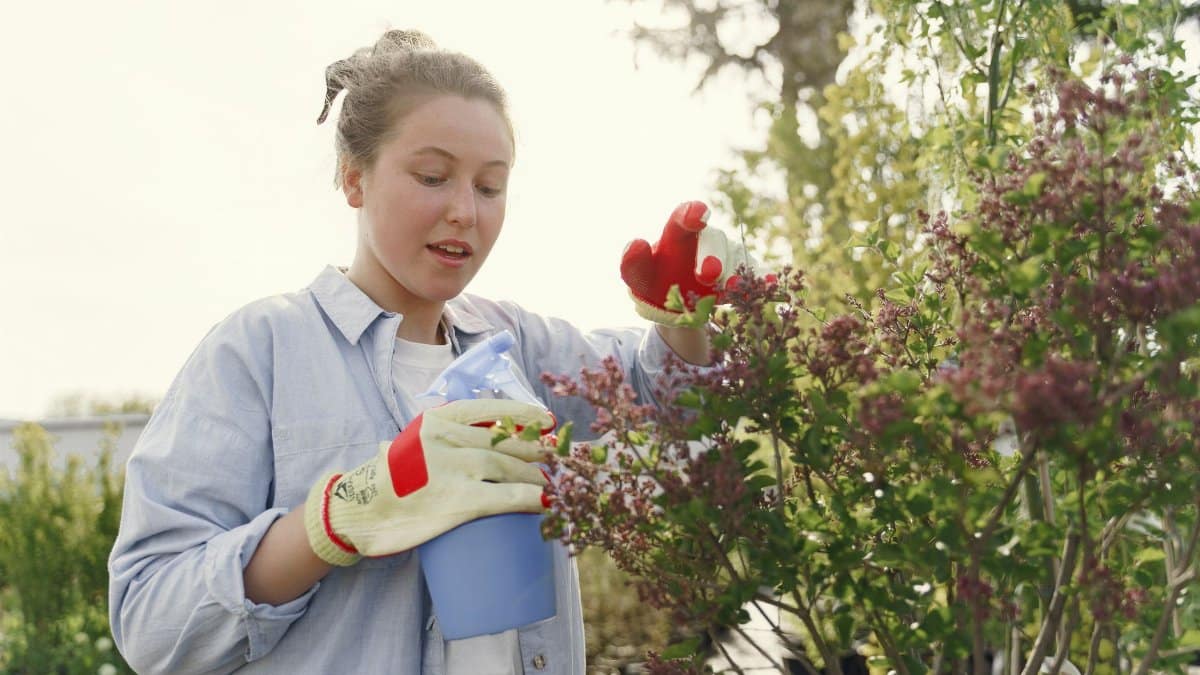
Proper placement begins with assessing sunlight patterns across the yard. Most summer blooming shrubs perform best with at least six hours of direct light yet some accept partial shade near larger trees. Soil preparation involves loosening compacted areas and adding organic matter to improve drainage without chemical amendments. Pruning after the main bloom period helps maintain shape and encourages denser growth the following season.
Fragrance and Visual Appeal Combined

Certain summer blooming shrubs release pleasant scents that drift across porches and walkways during evening hours. This sensory layer enhances outdoor living areas used for gatherings or quiet reflection. Colors range from soft pastels to deeper tones that contrast nicely with green backdrops of mature trees or fences.
Integrating Shrubs into Existing Yards

Established gardens can incorporate summer blooming shrubs by filling empty corners or lining paths. Grouping several of the same type creates cohesion while mixing heights adds depth. Homeowners often start with a few specimens and expand based on how well they adapt to specific microclimates within the property.
Seasonal Changes and Maintenance
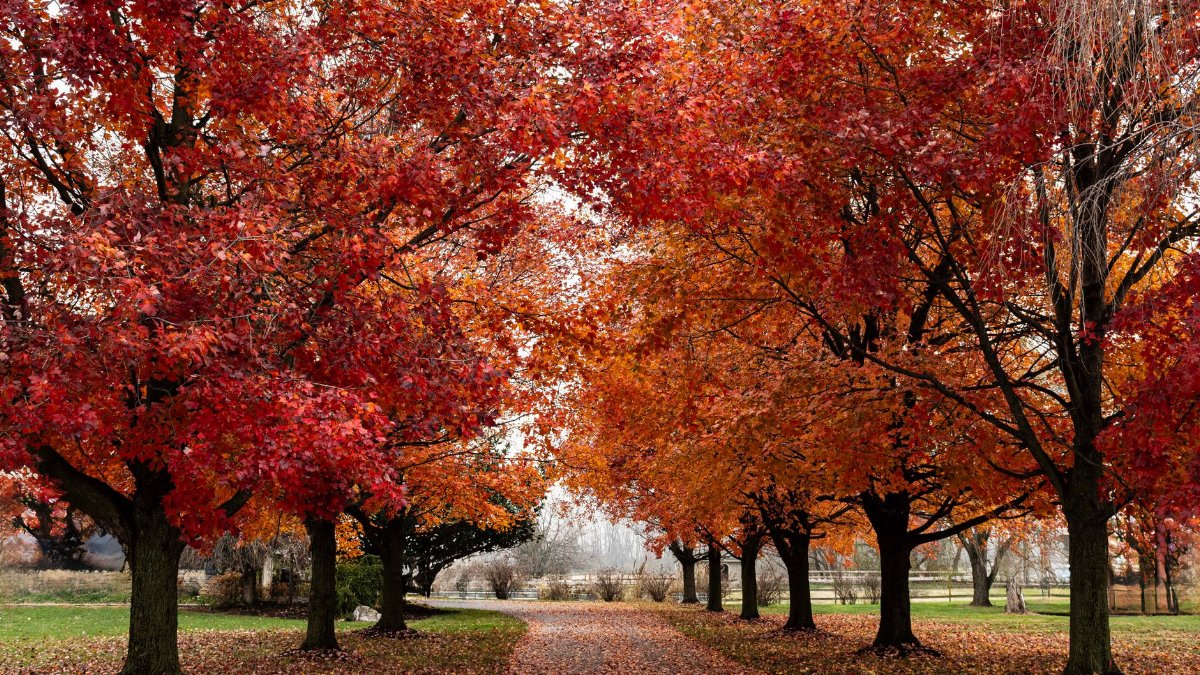
As days shorten these plants transition from active blooming to seed or berry production. Light mulching around bases protects roots during winter freezes common in northern zones. Regular observation for any signs of stress allows early intervention that keeps the shrubs vigorous year after year.
Benefits Beyond Beauty

Summer blooming shrubs contribute to air quality and provide natural barriers that reduce noise from nearby streets. Their presence can also increase property appeal during resale seasons when buyers seek low maintenance outdoor features. Communities with more such plantings report stronger neighborhood pride in shared green spaces.
Finding the Best Fit for Your Space

Consulting regional guides helps match specific needs with available selections. Trial gardens at public arboretums offer chances to see mature examples before committing to purchases. Starting small allows gardeners to learn preferences and adjust plans over successive seasons for optimal results.