

When a mother in a quiet Chicago suburb learned that her 14 year old daughter had been assaulted by a fellow student during lunch period the response from school officials left her feeling powerless. The perpetrator was suspended for just three days. Incidents like this one have multiplied in recent years prompting lawmakers from both parties to introduce the illinois school expulsion bill. This legislation would establish a mandatory minimum expulsion period of one year for any student determined to have committed sexual assault. The proposal has ignited a fierce debate about justice safety and the role of public education in shaping young lives. Families are demanding stronger protections while educators worry about unintended consequences for young offenders who may need guidance rather than outright removal. The measure reflects a broader societal reckoning with how schools balance accountability and compassion in an era when students face unprecedented pressures yet must still uphold basic standards of respect.
The Growing Demand for Tougher School Policies

Parents across Illinois have grown weary of hearing that serious violations result in little more than a brief timeout from class. Many recall times when their own children came home withdrawn or anxious after witnessing or experiencing inappropriate behavior that school leaders downplayed. This frustration has coalesced into a statewide movement that crosses traditional political boundaries. Advocates point to statistics showing that unaddressed misconduct creates an environment where fear replaces focus for too many learners. The push for reform gained urgency after several high profile cases in the Chicago area and downstate districts drew sustained media coverage and parental organizing.
Supporters insist that clear consequences serve as both deterrent and statement of values. When schools fail to act decisively victims often feel abandoned by the very institutions charged with their care. This pattern has eroded trust and prompted many families to explore private schooling or homeschooling options. The current climate suggests that policymakers can no longer ignore these concerns without risking further disengagement from public education.
Key Elements of the Legislation

The bill sets a firm standard requiring immediate expulsion of at least one full academic year for any student found responsible for sexual assault following an investigation that meets due process requirements. It applies to both public and charter schools with limited exceptions for students in early elementary grades where age appropriate interventions would take precedence. Schools must also provide information about alternative educational settings during the expulsion period though they bear no obligation to create new programs specifically for expelled students.
Importantly the legislation defines sexual assault by referencing existing state criminal statutes to avoid ambiguity. It further mandates that districts report aggregate data annually to the state board so progress toward safer campuses can be tracked transparently. These provisions aim to remove the discretion that some administrators have used to minimize consequences in hopes of preserving graduation rates or athletic eligibility.
Bipartisan Backing and Political Context

One of the most striking aspects of this effort is the genuine cooperation between Democratic and Republican sponsors in Springfield. In an era marked by gridlock the alignment on student safety signals that certain issues still transcend party lines. Rural conservatives and urban progressives have found common ground in the belief that protecting children from harm should never be negotiable. This unity has surprised longtime observers who note that education policy usually fractures along familiar ideological fault lines regarding funding discipline and equity.
The sponsors emphasize that the bill emerged from listening sessions held throughout the state where parents teachers and survivors shared their experiences without regard to political affiliation. That process helped craft language that focuses on victim protection while leaving room for later amendments concerning rehabilitation services. The rare display of consensus has increased the measure prospects for passage before the current legislative session ends.
Victim Advocates Voice Their Support

Groups representing survivors of sexual violence have thrown their full weight behind the proposal. They argue that allowing an assailant to remain in the same building or even the same classroom as the victim compounds trauma and sends a damaging message about whose comfort matters most. Several advocates who have accompanied families through lengthy appeals processes describe current policies as weighted toward the rights of the accused at the expense of those who have already suffered harm.
One longtime counselor in the southwest suburbs described watching victims transfer schools or drop out entirely because the system offered them no meaningful separation from their perpetrators. These stories illustrate why many victim service organizations view the one year minimum as a necessary floor rather than an extreme position. They stress that true healing cannot begin while fear of daily encounters lingers.
Concerns Raised by Education Professionals

School administrators and teachers unions have expressed measured reservations even as they acknowledge the need for stronger responses. Many principals worry that a rigid one size fits all mandate removes their ability to consider individual circumstances including developmental differences family background and prior behavior. They fear that expelling students without robust alternative education pathways simply shifts problems into the community where supervision is often minimal.
Frontline educators also point out that thorough investigations require time and resources many districts lack. False accusations though relatively rare can still devastate young people and their families. These professionals call for increased funding to support counseling restorative practices and thorough training so that schools can respond both compassionately and effectively rather than defaulting to long exclusions that may harm long term outcomes for all students involved.
Legal Ramifications and Due Process Issues
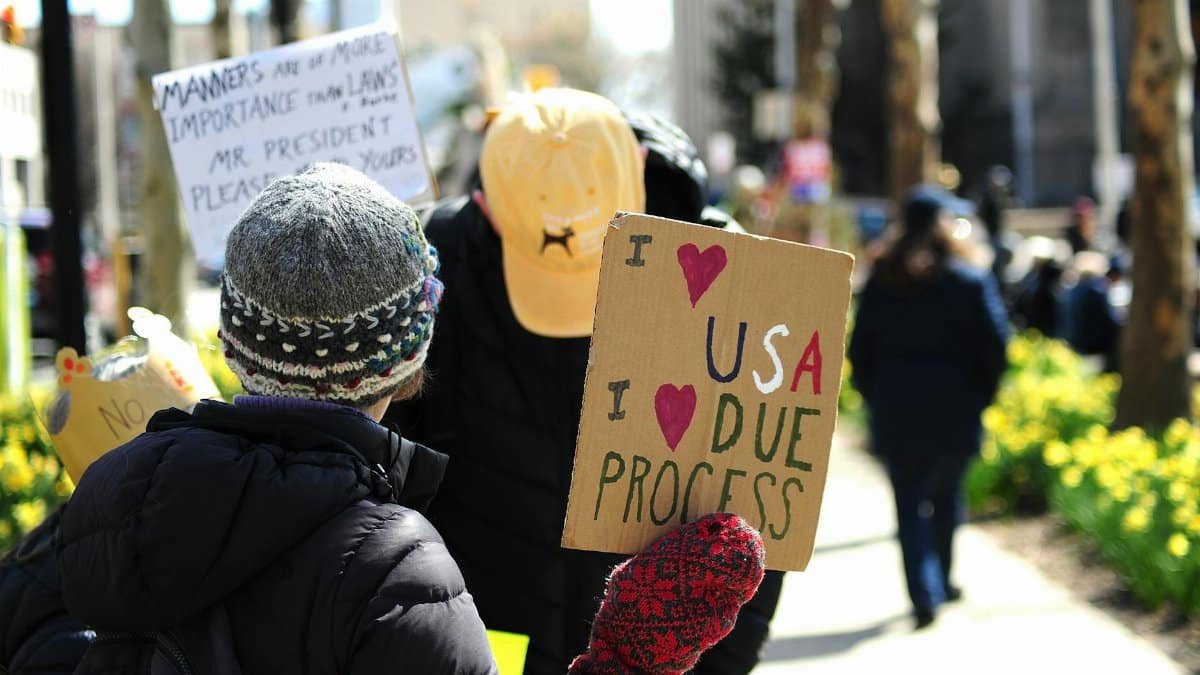
Legal scholars have begun examining whether the mandatory expulsion language could withstand challenges under state and federal protections for student rights. While schools have wide latitude in disciplinary matters permanent or lengthy exclusions often trigger scrutiny especially when they interrupt a students right to public education. Attorneys predict that implementation will require meticulous documentation to demonstrate that every affected student received notice opportunity to be heard and consideration of less restrictive alternatives when appropriate.
State education officials have already started drafting model policies to help districts navigate these requirements without inviting litigation. The goal is to create procedures that protect both victims and the accused while satisfying the bills clear intent. Early reviews suggest that careful attention to existing case law will be essential for smooth rollout if the legislation becomes law.
The Moral Dimensions of School Discipline
Beyond policy details the debate touches deeper questions about what society owes its children and what values it seeks to instill. Many faith communities have entered the conversation emphasizing the spiritual duty to shield the innocent while still extending hope for redemption to those who cause harm. This tension between justice and mercy sits at the heart of numerous religious traditions and finds expression in how communities view school accountability.
Clergy members from diverse backgrounds have noted that allowing violence to go unchecked within educational spaces contradicts core teachings about human dignity. At the same time they caution against policies that treat young people as irredeemable. The bill has prompted quiet reflection in congregations about how families houses of worship and schools might partner more effectively to raise individuals who respect boundaries and demonstrate genuine care for others. These ethical conversations may ultimately prove as significant as the legislative outcome itself.
Disparities in Discipline and Equity Questions
Critics correctly note that strict discipline policies have historically fallen more heavily on students of color and those from disadvantaged backgrounds. Any new measure must confront this reality with clear safeguards against bias in reporting investigation and enforcement. Supporters of the bill argue that failing to address sexual assault also harms the same vulnerable populations who often lack resources to seek private educational alternatives when public schools feel unsafe.
Data collection requirements within the legislation could help illuminate whether the policy produces equitable results or simply replicates old patterns. Experts recommend independent oversight and regular audits to ensure that consequences match the offense regardless of race or economic status. Only through transparent monitoring can policymakers determine whether the approach truly advances safety for every child or creates new forms of exclusion.
Lessons from Other States Experiences

Illinois lawmakers have studied similar laws enacted in Florida Texas and California over the past decade. Those states offer mixed results worth careful examination. In some districts expulsion policies correlated with fewer reported incidents and higher confidence among parents. Elsewhere the lack of quality alternative schooling led to increased juvenile justice involvement and widened achievement gaps.
The most successful examples appear to combine firm boundaries with meaningful academic and therapeutic support during removal periods. Illinois could improve upon earlier models by mandating collaboration between school districts and community mental health providers. These out of state examples suggest that the ultimate impact will depend less on the expulsion length itself and more on what happens after the student leaves campus.
Preparing for Implementation Challenges

Should the bill pass state education leaders will face the immediate task of preparing districts for new procedures. This includes training investigators updating codes of conduct and establishing clear timelines for hearings and appeals. Smaller rural districts with limited staff may require additional state resources to meet these expectations without compromising other essential functions.
Technology solutions for virtual instruction during expulsion periods also need refinement to ensure continuity of learning. Without such supports the policy risks creating a class of students disconnected from education at precisely the moment when intervention could alter their trajectory. Planning now can prevent later crises and demonstrate that toughness and thoughtfulness can coexist.
Community Voices and Parental Input

Throughout the legislative process parents have testified moved by experiences that no family should endure. Their stories reveal both the pain of inadequate responses and the hope that clearer rules might prevent future suffering. Many have emphasized that they seek not vengeance but the assurance that schools will treat sexual assault with the gravity it deserves.
At public forums the conversation has remained remarkably civil even when disagreements surfaced. This suggests a shared recognition that all children benefit when learning environments feel secure. The breadth of participation from urban neighborhoods suburban subdivisions and downstate towns indicates that the issue resonates universally regardless of zip code or political yard sign.
Envisioning Safer Schools for All Students

Ultimately the illinois school expulsion bill represents more than a disciplinary tweak. It embodies a collective aspiration to create learning spaces where every child can focus on growth without fearing predation. If implemented thoughtfully with adequate resources and careful oversight it could restore confidence in public education while reinforcing the fundamental message that some actions carry serious consequences.
The coming months will test whether Illinois can translate bipartisan agreement into effective practice. Success will require sustained commitment from lawmakers educators families and community organizations long after headlines fade. Only then can schools fulfill their mission as places of discovery and development rather than arenas of unchecked harm. The conversation sparked by this legislation offers an opportunity to reaffirm the values that should guide how we raise the next generation. (Total word count: 1,287)