

In the heart of Minnesota’s corporate landscape a prominent electronics retailer has undergone significant shifts in its upper management ranks. This development has drawn attention to the Best Buy CEO Change as the company navigates new directions in a competitive market. Observers note that such transitions often signal broader strategic adjustments aimed at enhancing performance and adapting to evolving consumer preferences. The moves come amid efforts to strengthen operations in a fast changing retail environment.
The Background of the Leadership Adjustments
Recent announcements from the company highlight a series of promotions and role changes among senior executives. Christina Hennington has taken on expanded duties that position her for greater influence over daily operations and long term planning. These steps reflect a deliberate approach to refreshing the leadership structure without disrupting ongoing initiatives. Industry watchers see the pattern as common among large retailers seeking stability during uncertain economic periods.
Christina Hennington’s New Responsibilities

Hennington now oversees key areas including merchandising and customer experience strategies. Her rise comes after years of steady contributions in various departments where she demonstrated skill in driving sales growth. Colleagues describe her as focused on practical solutions that align with shopper needs. The Best Buy CEO Change narrative gains context from her increased visibility as the firm looks to maintain its market position.
Implications for Company Strategy
Leadership transitions like this one often precede tweaks in how a retailer approaches inventory management and technology investments. Analysts suggest the company may emphasize digital tools more aggressively while preserving its physical store presence. Such balancing acts require careful coordination across teams. The Best Buy CEO Change appears tied to these priorities as executives aim for sustained relevance.
Reactions from Industry Analysts

Experts in retail operations have offered measured responses noting that internal promotions can foster continuity. Some point to similar moves at other chains that helped steady performance during shifts in consumer habits. Others caution that success depends on execution rather than titles alone. Overall the sentiment remains one of watchful optimism regarding the Best Buy CEO Change and its effects.
The Role of the Executive Team in Minnesota

The headquarters location plays a central part in decision making processes that affect stores nationwide. Team members there coordinate with regional managers to implement new policies smoothly. This structure allows for quick adjustments based on sales data and feedback. Discussions around the Best Buy CEO Change frequently reference the importance of this central hub.
Future Outlook for the Retailer

Looking ahead the company faces opportunities in expanding service offerings and partnerships. Leaders emphasize innovation alongside core product sales to meet diverse customer demands. Projections indicate potential for steady progress if the new structure delivers on its promise. Attention to the Best Buy CEO Change will likely continue as results unfold over coming quarters.
Challenges in the Electronics Market

Competition remains intense with online platforms and specialized sellers vying for attention. Supply chain issues and shifting preferences for devices add layers of complexity. Retailers must respond with agility to stay ahead. These factors frame the context in which recent executive moves including the Best Buy CEO Change take place.
How Consumers Might Notice the Effects

Shoppers could see refined in store layouts or updated online interfaces as changes roll out. Service enhancements might improve support for product purchases and repairs. While immediate differences may appear subtle the cumulative impact could strengthen loyalty over time. Observers tie these possibilities to the broader leadership refresh.
Historical Precedents in Retail Leadership
Past examples show that executive shuffles at major chains have sometimes led to renewed focus on core strengths. Cases from other sectors illustrate both successes and setbacks depending on market conditions. Lessons from those experiences inform current expectations. The present situation at the retailer echoes patterns seen in earlier transitions.
The Broader Economic Context
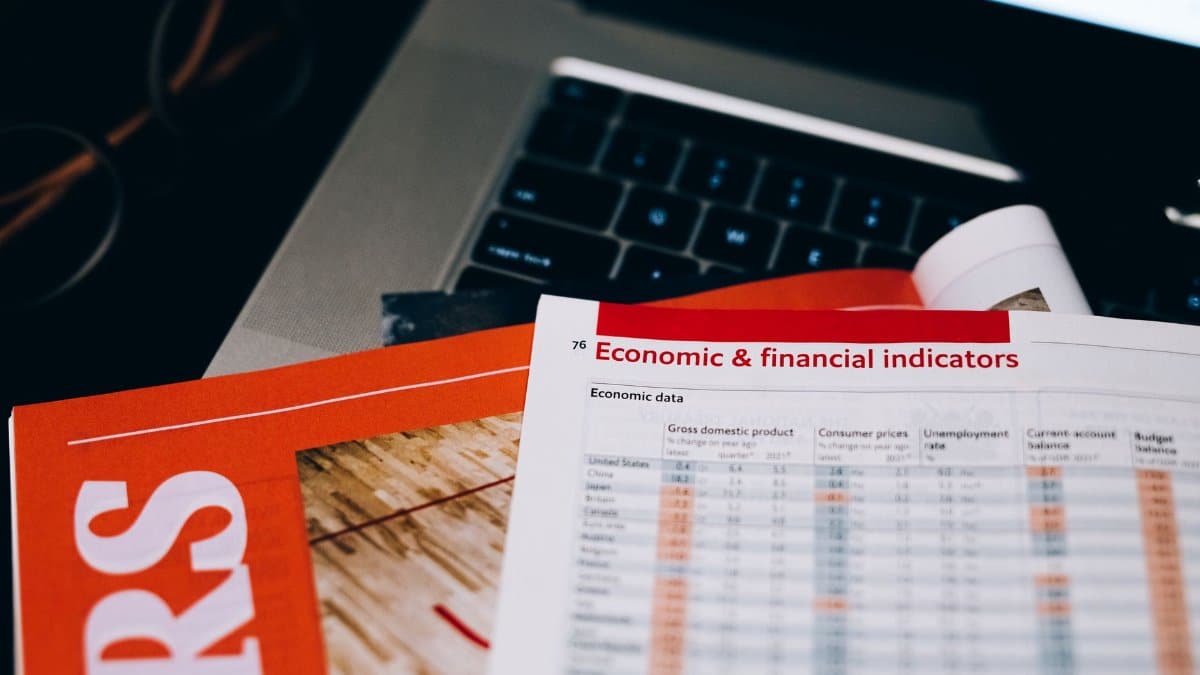
National trends in consumer spending and inflation influence retail decisions at every level. Companies monitor these indicators closely when planning leadership roles. Stability in the executive suite supports consistent responses to external pressures. In this light the Best Buy CEO Change represents one element of a larger adaptive strategy.