

The envelope usually arrives after the fear has faded. A person went to an emergency department in Bellevue because something hurt, or because someone they love could not breathe, and weeks later a statement shows a balance nobody mentioned at the bedside. For about 1,300 patients, that balance should not have stood. A Puget Sound Physicians refund, tied to a $410,000 settlement, is the public record of a failure: emergency doctors who treated people at Overlake did not repay patients who qualified for charity care.
What the settlement says patients are owed
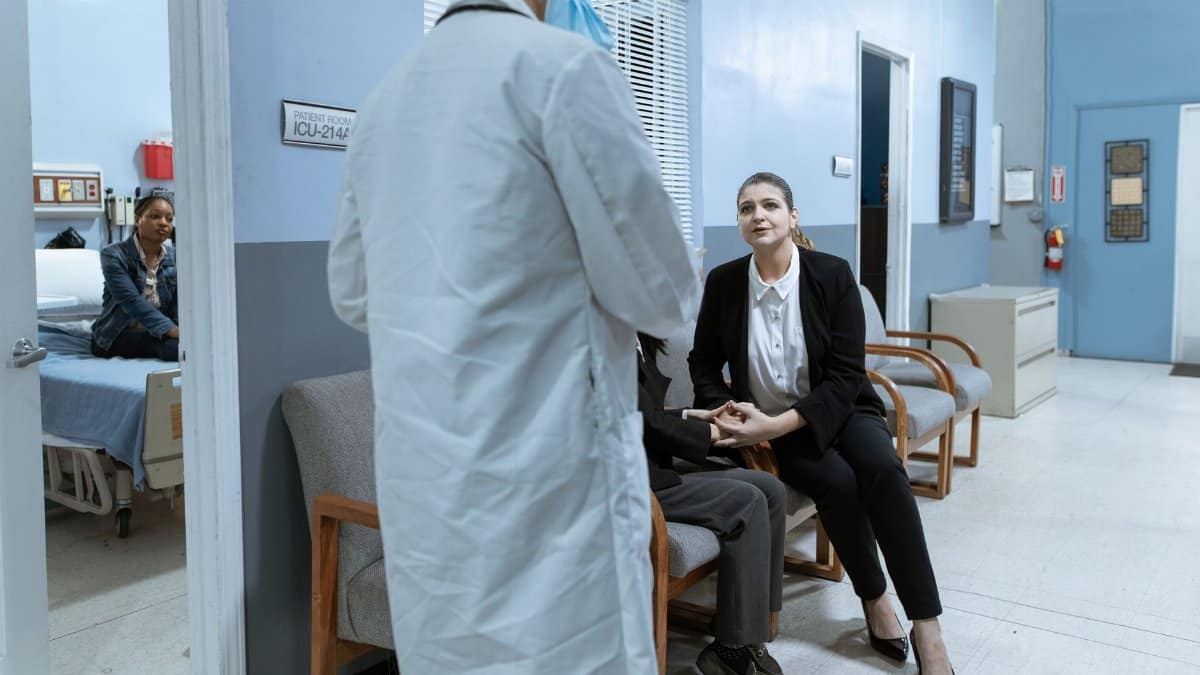
The Seattle Times reported that an emergency medicine provider will refund roughly 1,300 patients with low incomes, under a settlement worth $410,000. The reporting, available at seattletimes.com, describes doctors connected to Overlake who did not return money to people already eligible for financial help. That is restitution, not a courtesy discount. It is an admission that charges were collected, or left standing, after the law had already drawn a line.
Spread across 1,300 accounts, $410,000 is not a fortune for a medical group and not nothing for a household. Some refunds will be modest. Others will cover a copayment, a coinsurance share, or a bill that sat in collections long enough to sour a credit file. The dollar figure matters less than the category of the error. These were not patients who declined a payment plan. They were patients the charity care rules were written to protect.
How charity care is supposed to work

Washington requires hospitals to offer free or reduced care to patients whose incomes fall below set thresholds, and to tell people that help exists before the bill becomes a threat. The idea is old and plain. An emergency room is not a shop. People arrive without a price list, often without a choice of doctor, sometimes without insurance that anyone in the room can verify before treatment begins.
Screening is the whole mechanism. Staff are supposed to ask about income, household size, and coverage, then apply the hospital policy. If a patient qualifies, the charge should shrink or disappear. If money was already taken, it should come back. The settlement says that sequence broke for a large group of people whose emergency physicians practiced at Overlake. A law that lives only in a binder does not feed anyone or keep a car from being repossessed over a medical debt.
The separate bill from the emergency doctors

Patients often think the hospital bill is the bill. It is not. The facility charges for the room, the nursing, the imaging, the supplies. A separate professional bill can arrive from the physicians who staff the department, sometimes under a name the patient has never heard. That second envelope is where confusion, and sometimes the violation, hides.
Overlake is the hospital. The emergency physicians are a contracted group. A person can qualify for charity care on the hospital side and still receive a physician statement that reads as if none of that screening happened. Consumer advocates in Washington have warned about this split for years. The Puget Sound Physicians refund is a concrete case of the warning coming true: eligibility on one ledger did not automatically clean the other.
Who was left with a balance

The patients in this settlement were not a random sample of everyone who used the emergency department. They were people who met charity care standards and still paid, or still owed, the doctors. That group tends to include workers whose wages sit just above Medicaid and well below comfort: home health aides, restaurant staff, retail clerks, older adults on fixed incomes, parents covering a child who is no longer on their plan.
Emergency care does not sort them neatly. Chest pain, a broken wrist, a fever in a toddler, a fall on a wet sidewalk in Bellevue: the diagnosis is not a moral test, and neither is the bill. What the settlement isolates is a narrower fact. Someone in the billing chain had enough information to know these patients qualified, or should have gathered that information, and the money did not move back.
What a few hundred dollars means in a household budget

Medical debt looks abstract in a settlement document. In a kitchen it is specific. It is the month a family skips a dental visit, delays a car repair, or puts groceries on a card that already carries interest. For people who qualified for charity care, the original charge was never supposed to compete with rent. Returning the money years later does not rewind the choices they made while the balance sat there.
Collections add a second injury. A bill sent to an outside agency can generate calls, fees, and a mark that follows a person into a lease application or a job that checks credit. Even when the principal is later forgiven, the nuisance has a cost. A refund that arrives with an apology and a cleared account is better than silence. It is not the same as never having sent the bill.
Overlake and the physicians in its emergency department

Overlake Medical Center is a familiar name on the Eastside, a place Bellevue families use when the urgent care clinic is closed and the symptom will not wait. Reputation in a suburb is built on that reliability. People do not comparison shop for an emergency physician at 2 in the morning. They accept whoever is on duty, and they assume the institution around that physician will handle the money with the same competence it brings to the medicine.
Contracted emergency groups sit in a gray public role. They are not the hospital, yet they practice inside it, wear its context, and bill patients who had no realistic way to refuse them. When that group fails a charity care duty, the hospital name absorbs the distrust even if the legal signature belongs to the physicians. The settlement draws the line at the doctor group. Patients will not experience the line so cleanly.
A wider enforcement story in Washington

This case does not stand alone. Washington regulators and the Attorney General have spent several years pressing hospitals and affiliated providers to honor charity care, to screen more consistently, and to refund people who were charged in error. The pattern is structural. Policies exist. Notices exist. The failure shows up in the space between a registration desk, a physician billing company, and a patient who is too sick, too busy, or too unsure to argue.
Enforcement by settlement has a virtue and a limit. It returns money without a trial, and it puts a number on the public record. It also arrives after the harm. A $410,000 figure can look like a contained problem, a single group, a closed chapter. Readers should treat it as a sample. If one emergency practice in Bellevue missed 1,300 eligible patients, other contracts in other cities deserve the same audit, not a shrug.
How to tell a hospital bill from a physician bill
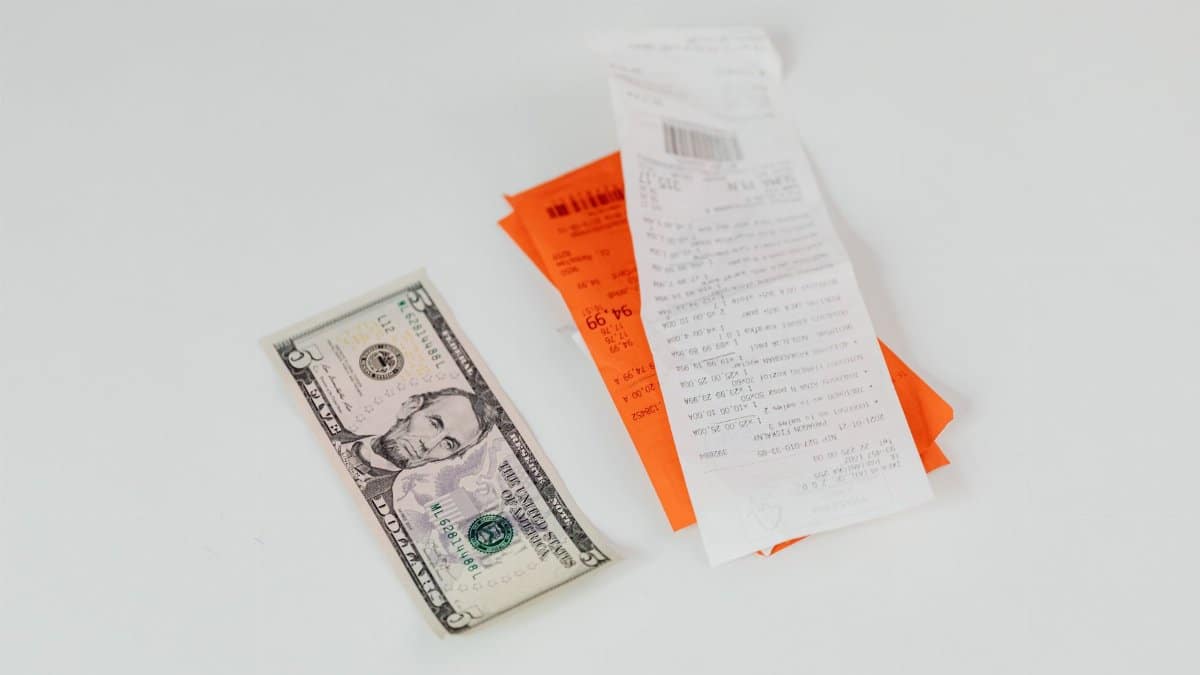
The practical distinction is on the letterhead. A hospital statement names the facility and often lists room charges, tests, and supplies. A physician statement names a practice, a billing service, or a doctor, and lists a professional fee for the visit. Both can be legitimate. Both can also be wrong in different ways. Charity care approval on the hospital account does not, by itself, prove the physician account was adjusted.
Patients should read the account number, the date of service, and the description of the charge before they pay. Matching those details to an explanation of benefits from an insurer, if there is one, can show whether the balance is a deductible, a denied claim, or a fee that financial assistance should have erased. Paying quickly to make the calls stop is understandable. It is also how eligible refunds get buried.
What patients can do now

Anyone who was treated in the Overlake emergency department and later paid a physician bill should not assume the settlement will find them without effort. Addresses change. Names on insurance cards differ from names on bank accounts. A notice can go to an old apartment and never be forwarded. Patients waiting on a Puget Sound Physicians refund should keep every statement, every receipt, and any letter that mentioned financial assistance.
Calling the number on the physician bill, and asking whether the account is part of the charity care repayment, is a reasonable first step. So is contacting the hospital financial assistance office and asking whether a screening was completed for that date of service. If a collector is still calling, the patient can ask for the debt to be paused while eligibility is reviewed. None of this should require a lawyer. The fact that it often feels as if it does is part of the problem the settlement only partly answers.
The delay between treatment and repayment

Time is the quiet fact in every refund of this kind. The visit happened. The bill followed. Months or years passed. Then a settlement instructed the group to pay people back. During that gap, some patients will have moved, some will have died, some will have written off the charge as the price of getting through a bad night. A repayment program that depends on patients still being findable will miss a share of them.
That lag also dulls accountability. By the time the check is cut, the physicians on duty that night may have moved to another contract, and the billing staff may have changed vendors. Institutions remember the settlement amount. Patients remember the phone calls. A just system would screen before the first statement, not reconstruct eligibility after a regulator arrives.
Trust after a refund

Money returned is a moral minimum, not a restoration of confidence. Emergency medicine asks for a radical kind of trust: let strangers touch you, decide for you, and bill you later. When the billing betrays the people least able to absorb it, the betrayal is not only financial. It suggests that the promise of care was narrower than the brochure, limited to those who could pay or who knew which form to demand.
Bellevue is affluent in the aggregate and uneven up close. A settlement concentrated on patients with low incomes is a reminder that the same emergency doors open onto very different aftermaths. One family argues with an insurer and moves on. Another carries a physician bill into a year already short on margin. The Puget Sound Physicians refund acknowledges the second group. It does not erase the difference in how the system treated them at the start.
A quieter standard for emergency medicine
The useful standard is simple enough to say without a statute book. If a patient qualifies for charity care, every professional who billed that visit should know it, and every dollar collected in error should come back without a campaign. Hospitals that contract with emergency groups should treat that alignment as a condition of the contract, not a courtesy the physicians may or may not extend. Regulators should keep testing whether the second bill matches the first screening.
Readers who have never opened an emergency physician statement can still take the lesson. The name on the door is not the only name on the invoice. Help that the law already grants does not apply itself. And a refund, even one as specific as the Puget Sound Physicians refund, is evidence of a repair, not proof that the next patient will be spared the same envelope. The measure of this settlement will be whether 1,300 corrected accounts become a habit of screening, or merely a closed file in Bellevue.