

In an era when machine systems process information at unprecedented speeds a quiet tension emerges between algorithmic certainty and the human experience of hesitation. The notion of AI Human Doubt Thinking captures how uncertainty fuels authentic reflection in ways that pure computation cannot replicate. Philosophers once grappled with foundational questions about existence yet modern discussions often bypass the messy internal conflicts that precede clarity. This dynamic becomes especially relevant as artificial tools increasingly guide decisions once reserved for personal judgment alone.
Descartes and the Overlooked Prelude to Certainty

The famous declaration about thinking and being emerged from a period of profound personal questioning. That process involved wrestling with skepticism rather than leaping straight to conclusions. Human cognition thrives on such layers of hesitation allowing ideas to mature through trial and error. Artificial systems by contrast operate without this internal friction moving directly from input to output in a linear fashion that bypasses any sense of struggle.
How Uncertainty Shapes Everyday Human Choices
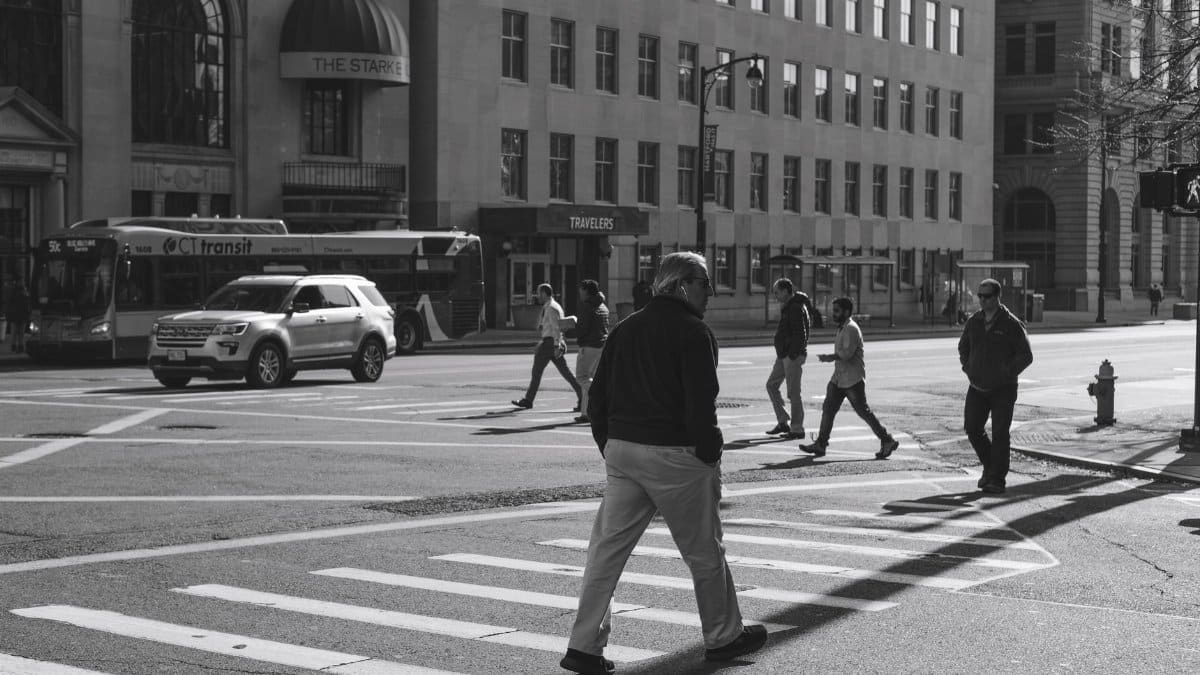
Daily life presents countless moments where doubt plays a constructive role guiding people toward more considered paths. From career shifts to personal relationships these pauses often lead to richer outcomes than immediate resolutions would allow. AI Human Doubt Thinking stands in contrast because machine models simulate responses based on patterns without experiencing the emotional weight of indecision. Observers note that this absence leaves a gap in how recommendations feel to those receiving them.
The Limits of Pattern Recognition Without Inner Conflict

Advanced tools excel at identifying trends across vast data sets yet they lack the capacity to question their own assumptions in a meaningful way. This distinction matters when outcomes affect areas like health or ethics where context and nuance prove essential. People bring lived experience to such evaluations allowing doubt to refine perspectives over time. Machine processes remain fixed within their training parameters unable to evolve through genuine self examination.
Personal Reflection in an Age of Instant Answers

Many individuals find themselves turning to digital assistants for guidance on matters once pondered in solitude. While efficiency improves something essential risks being lost in the exchange. The space for wrestling with possibilities shrinks when solutions arrive fully formed. AI Human Doubt Thinking reminds us that true understanding often requires time spent in ambiguity rather than shortcuts to resolution.
Societal Impacts When Doubt Fades from Discourse

Public conversations around technology frequently emphasize speed and accuracy above all else. This focus can sideline the value of collective hesitation that historically led to better policies and innovations. Communities benefit when members pause to consider alternatives instead of accepting the first viable option presented. Without that element decision making grows more brittle and less adaptable to unforeseen shifts.
Education and the Role of Intellectual Struggle

Classrooms have long relied on encouraging students to sit with difficult questions as a path to deeper learning. Artificial tutoring systems offer immediate corrections that may short circuit this vital stage of growth. Young minds develop resilience through navigating confusion yet constant access to polished responses can erode that muscle. The result appears in reduced tolerance for complexity among those accustomed to effortless clarity.
Ethical Dimensions of Removing Human Hesitation

Decisions involving moral weight demand more than logical deduction they require an awareness of potential regret or alternative viewpoints. Systems designed for optimization rarely account for these emotional undercurrents that inform responsible action. AI Human Doubt Thinking therefore serves as a reminder that ethical frameworks depend on the very uncertainties machines are built to eliminate. Society must weigh what is gained against what might quietly disappear in the process.
Future Pathways That Honor Human Cognition
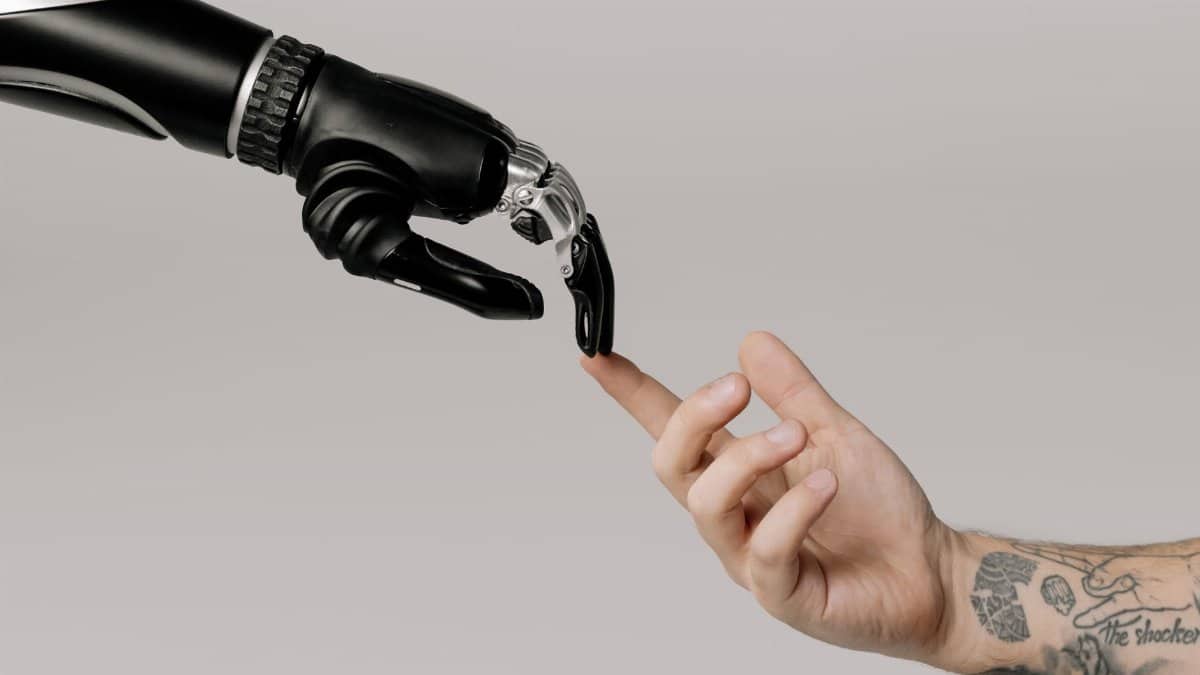
Designers of new technologies face an opportunity to incorporate elements that simulate or respect periods of uncertainty rather than always rushing to conclusions. Such approaches could foster tools that complement rather than replace the reflective aspects of thought. Collaboration between human judgment and machine assistance works best when each retains its distinctive strengths. This balance preserves the essence of what makes inquiry a living endeavor.
Reclaiming Space for Thoughtful Ambiguity
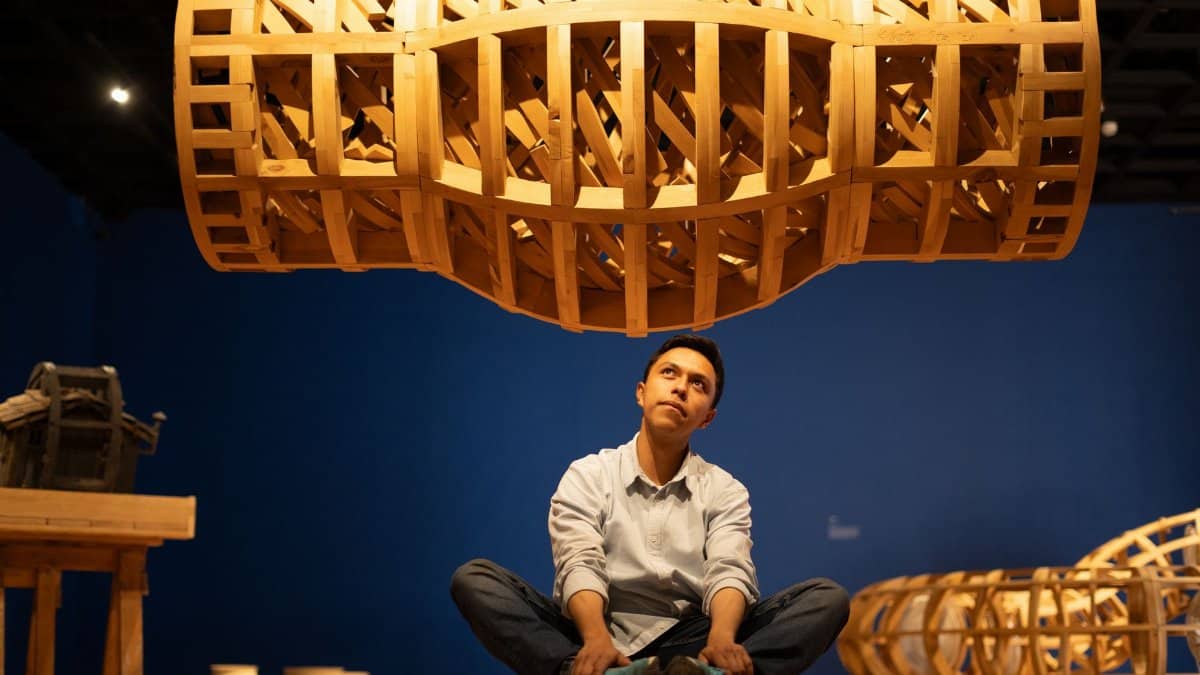
Ultimately the conversation returns to how people choose to engage with their own mental processes amid growing automation. Protecting room for doubt allows insights to emerge organically instead of through forced efficiency. AI Human Doubt Thinking offers a lens for examining these tradeoffs with care. In doing so individuals and communities can navigate progress without sacrificing the qualities that define meaningful existence.