

Becoming a father often arrives with sleepless nights and quiet moments of wonder that reshape daily life in unexpected ways. For many men the transition brings more than new responsibilities. It sparks measurable shifts inside the brain itself. Fatherhood Brain Changes appear as adaptations that support bonding and attentive care toward children. Researchers have documented these patterns across multiple studies showing how the male brain adjusts to the demands of nurturing.
Early Evidence of Paternal Neural Adaptation
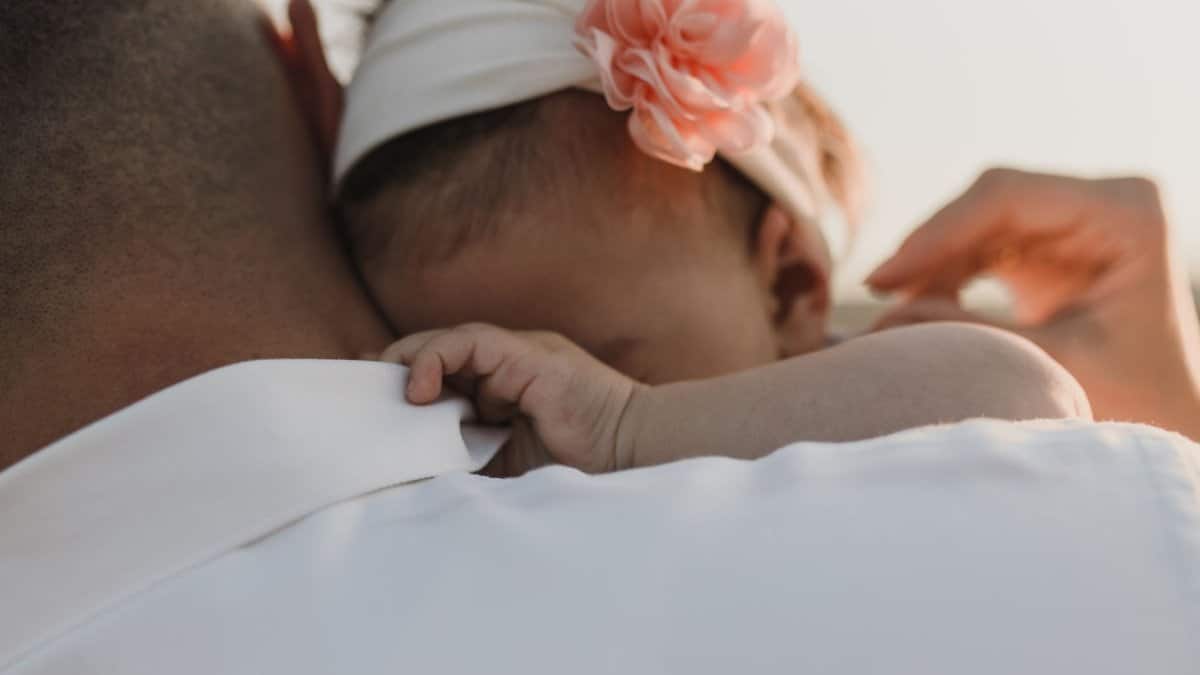
Studies using brain imaging reveal that fathers experience growth in regions tied to motivation and reward when they interact with their infants. These areas overlap with those active in mothers yet follow a distinct timeline. Men who spend more time in direct caregiving show stronger responses in circuits linked to social cognition. The original research published in Scientific American draws on data from fathers scanned before and after childbirth.
Hormone Levels That Support New Behaviors

Testosterone tends to decline modestly in new fathers while oxytocin and prolactin rise. These chemical adjustments align with greater patience during prolonged periods of infant distress. Observations from longitudinal projects indicate that fathers with larger shifts in oxytocin demonstrate more consistent engagement during play and feeding routines. Such changes unfold gradually rather than overnight.
Structural Growth in Emotion Processing Areas

The prefrontal cortex and amygdala undergo subtle volume increases in men who become primary caregivers. These modifications correlate with improved ability to interpret subtle facial cues from young children. One study tracked fathers over the first year and noted that daily involvement predicted the extent of growth observed on follow up scans.
Strengthened Connections to Reward Circuits
Fathers frequently report heightened satisfaction from simple interactions such as holding or soothing a child. Imaging data shows stronger links between the ventral striatum and social processing centers. This wiring supports sustained attention even when other tasks compete for focus.
Comparisons Between Fathers and Nonfathers

Men without children do not display the same pattern of gray matter expansion in areas devoted to parental responsiveness. The contrast highlights experience as a key driver rather than age alone. Data collected across cultures suggest the effect appears reliably when men assume regular caregiving roles.
Long Term Implications for Family Dynamics

These neural adjustments persist well beyond the infant stage and may influence how fathers navigate adolescence. Continued involvement maintains the pathways that promote empathy and problem solving within the household. Families often notice steadier emotional availability from dads who remain engaged through successive developmental phases.
Role of Environment and Daily Practice

Supportive workplaces and flexible schedules allow more fathers to participate in routine care. Greater exposure accelerates the observed brain adaptations. Conversely limited contact slows the process though some changes still emerge with minimal interaction.
Insights from Cross Species Research
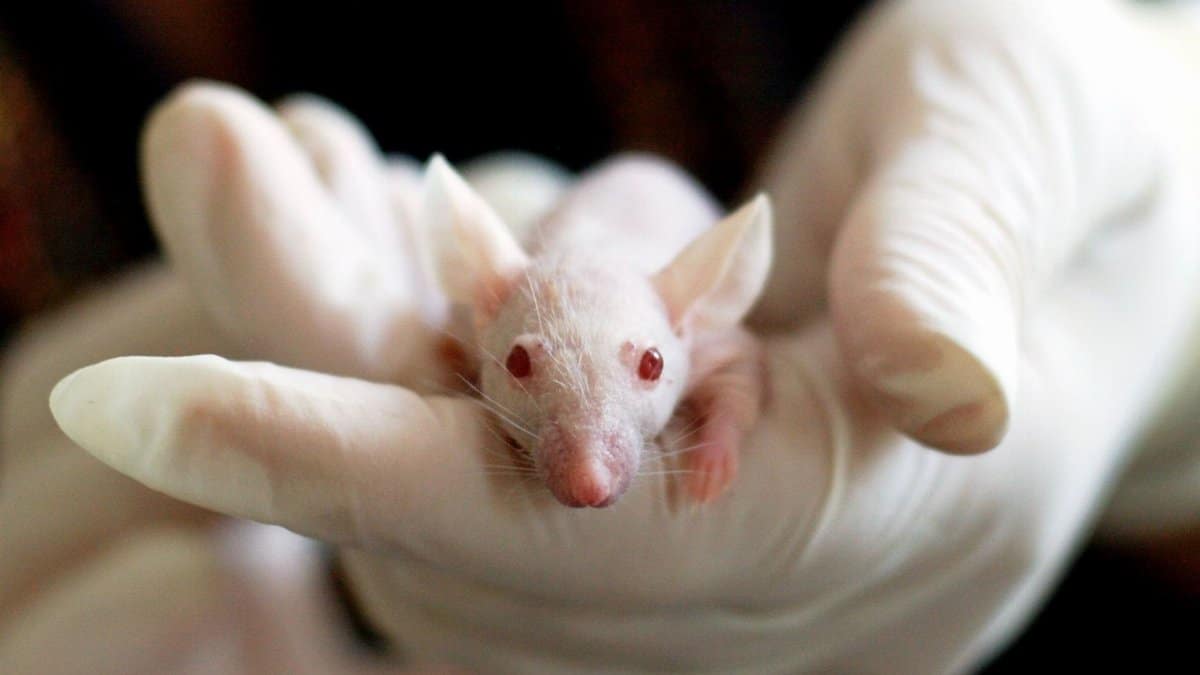
Similar brain modifications appear in other mammalian fathers such as prairie voles and certain primate species. Shared mechanisms point to evolutionary roots for paternal investment. Human findings build on these models while adding layers of cultural influence.
Potential Challenges During the Transition

Not every father experiences smooth adaptation. Stress from financial pressures or lack of social support can blunt expected neural responses. Interventions that teach responsive caregiving techniques have shown promise in restoring typical patterns of activation.
Future Directions in Paternal Neuroscience
Ongoing projects explore whether targeted exercises might enhance beneficial brain changes. Early trials combine mindfulness practices with structured play sessions. Results so far suggest measurable improvements in connectivity among fathers who complete the programs.
Broader Cultural Recognition of These Shifts

Public conversation increasingly acknowledges the depth of paternal involvement. Policy discussions around parental leave reflect awareness that fathers undergo biological preparation comparable in significance to that of mothers. This understanding supports more inclusive approaches to family support.