
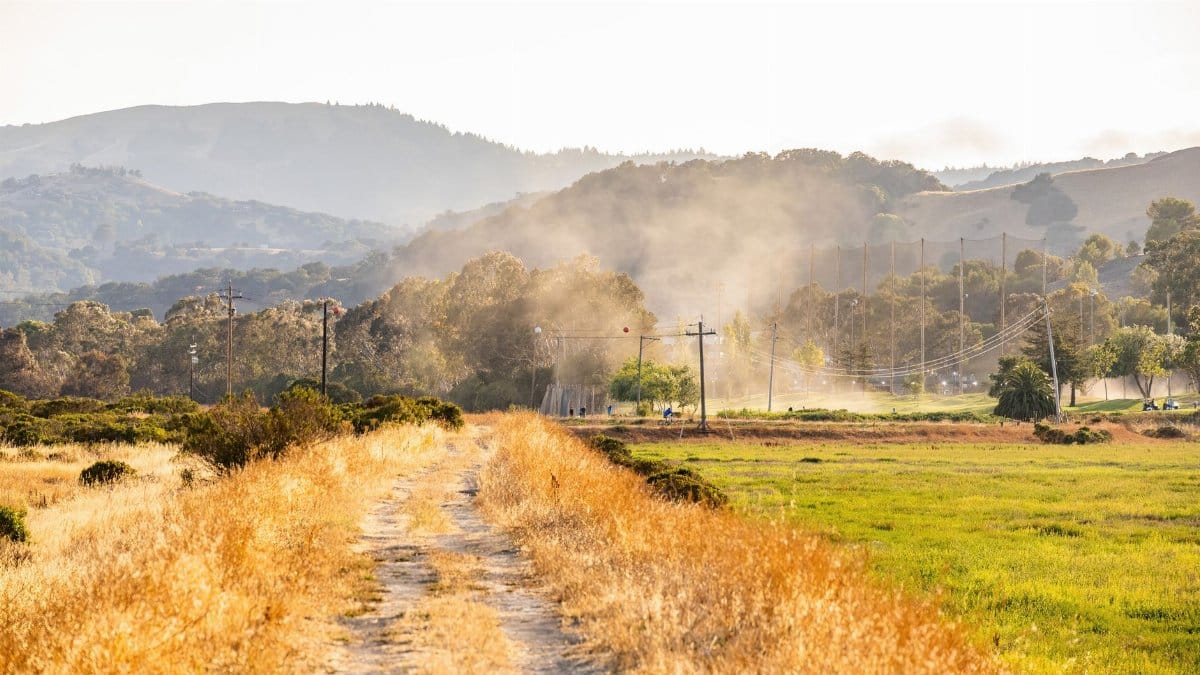
As summer settles over California a familiar tension builds between the cool Pacific breezes and the baking valleys beyond the coastal hills. Many families along the shoreline enjoy mild evenings while just a short drive east the air turns heavy and oppressive. This contrast sets the stage for the latest Bay Area heat advisory which highlights risks for those living farther from the water where temperatures could climb sharply in the coming days.
Regional Temperature Variations Explained

The interior portions of the East Bay often experience far greater warmth than the shoreline zones because the marine layer rarely reaches that far inland. Hills and mountain ranges block the cooling effect leaving communities such as Concord and Livermore exposed to direct sun for longer periods. Forecasters note that such patterns repeat each season yet the current outlook carries added weight due to already dry conditions across grasslands and open spaces.
Health Precautions During High Heat

Medical experts recommend limiting outdoor activity to early morning or late evening hours when the sun sits lower. Drinking water at regular intervals helps the body maintain its balance even when sweat evaporates quickly. Older adults and those with existing conditions should check on neighbors since heat stress can develop faster than many realize and early signs often go unnoticed in the rush of daily routines.
Impact on Local Agriculture and Gardens

Farmers in the valleys face extra challenges as soil moisture drops and irrigation systems work harder to sustain crops. Home gardeners report wilting vegetables and stressed fruit trees despite efforts to provide shade cloth and extra watering. The advisory serves as a reminder that consistent care becomes essential when forecasts point to sustained warmth lasting several afternoons in a row.
Energy Demand and Power Grid Concerns
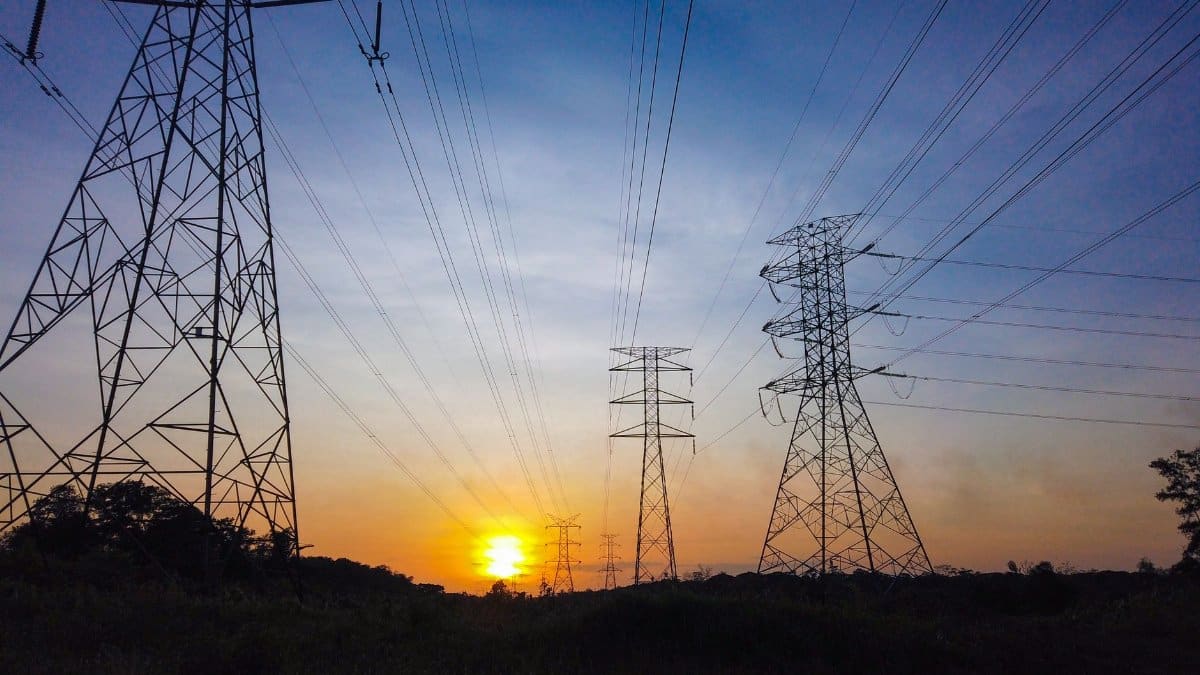
Utility companies watch consumption closely as air conditioners and fans run longer than usual. Peak usage typically arrives in the late afternoon which can strain delivery lines serving suburban neighborhoods. Officials encourage shifting heavy appliance use to cooler times to ease pressure on the overall system and reduce the chance of interruptions during the warmest stretch.
Public Cooling Centers and Community Response

Libraries and recreation facilities open their doors with extended hours so residents without home cooling options have a place to rest. Volunteers distribute water bottles and check in on those who live alone. Such efforts reflect a broader community approach that treats the advisory not merely as a weather notice but as a call for collective support.
Historical Context of Similar Advisories

Records show that comparable warnings have appeared with growing frequency over the past two decades. Earlier episodes prompted updates to emergency plans and better coordination between city agencies. Lessons from those events now shape how quickly alerts reach residents through phone messages and local radio updates.
Looking Ahead to Changing Climate Patterns
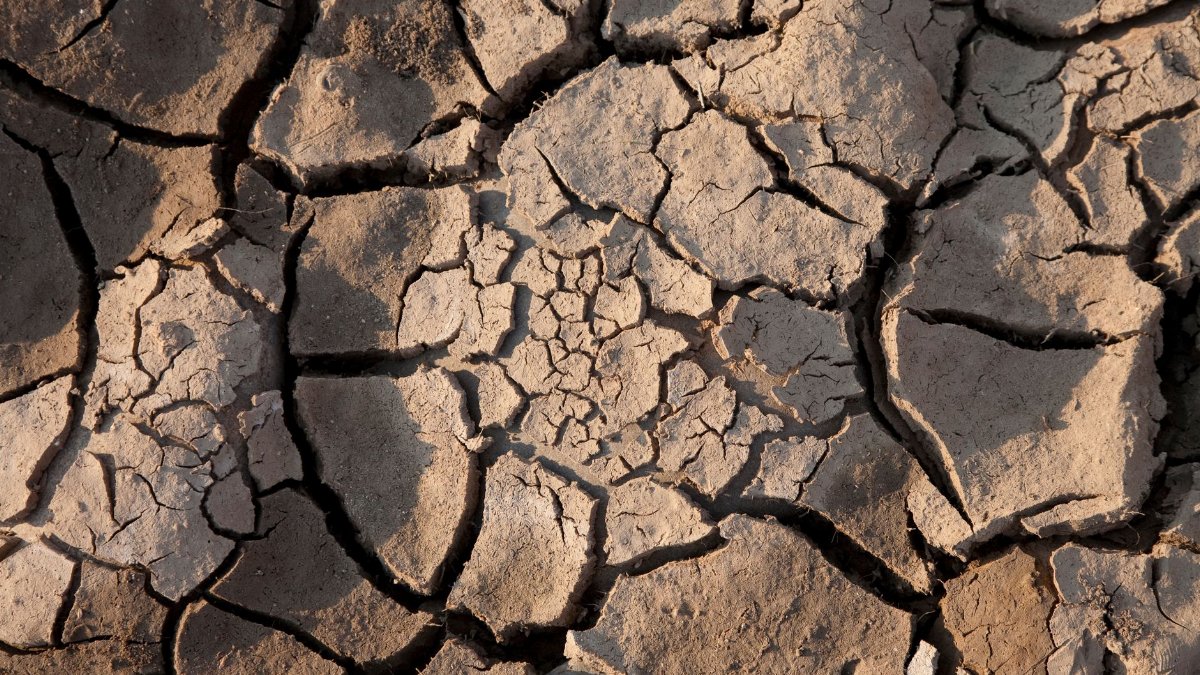
Scientists point to long term shifts that may bring more frequent stretches of elevated temperatures to inland zones. While coastal cities continue to benefit from ocean influence the contrast with nearby valleys grows more pronounced. Planning for such trends involves updating building codes and expanding tree cover in urban areas to moderate surface heat.
Practical Steps for Households

Simple measures such as closing blinds during daylight and using ceiling fans can lower indoor readings without extra equipment. Preparing meals that require little or no cooking reduces added warmth inside the home. Checking vehicle tires and fluid levels also matters since hot pavement can accelerate wear during commutes across the region.