
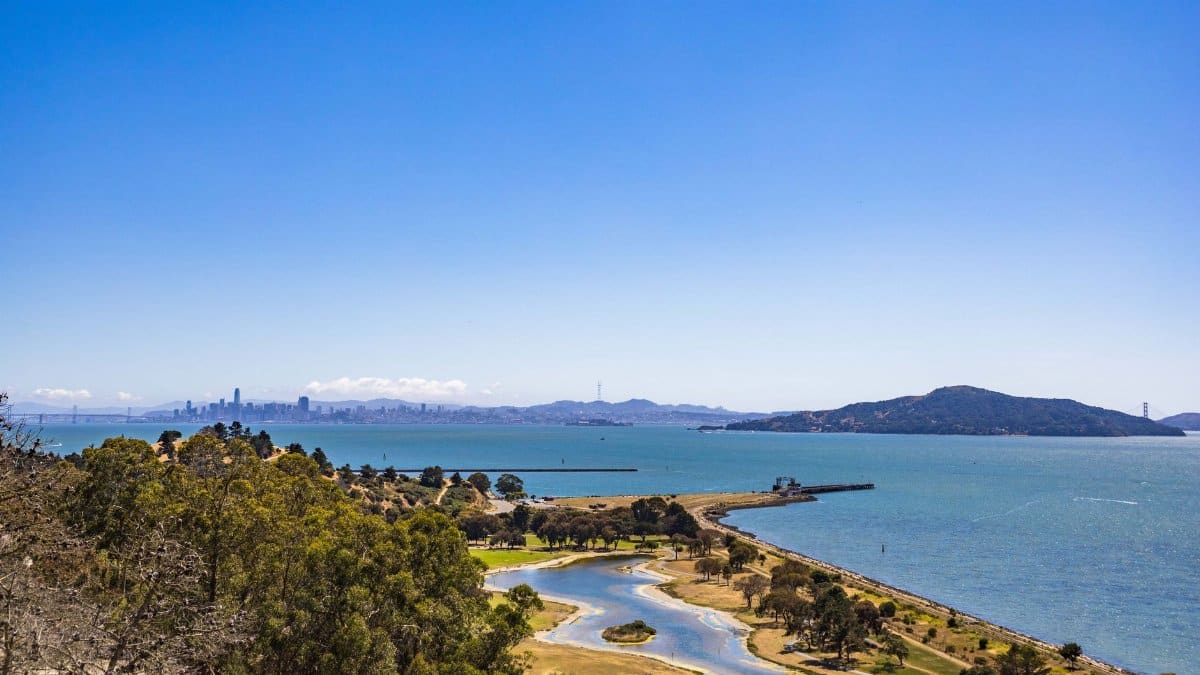
On a Tuesday morning that should have smelled like wet leaves, a commuter in Oakland stepped off a train and felt the platform radiate through the soles of her shoes. The marine layer that usually arrives by lunch had not shown up. Gardeners in San Jose were already watering before work. Forecasters had a name for the stretch that was just beginning: Bay Area October heat, a run of summer like weather that could start around September 30 and linger well into the middle of the month, with inland readings climbing into the 90s.
A calendar that no longer matches the air

October in the Bay Area has long carried a split personality. Coastside towns can still wake under gray, while the inland valleys bake. What feels different this year is the duration. Meteorologists at the National Weather Service expect a persistent ridge of high pressure to keep storms offshore and allow daytime temperatures to stay elevated for many days in a row. Nights may cool just enough for sleep near the water and not nearly enough in places like Concord, Livermore, and Santa Rosa.
Residents who plan their lives by the school calendar rather than the thermometer are discovering the mismatch. Soccer practices, outdoor festivals, and weekend hikes were booked on the assumption that early fall would bring relief. Instead, the region is being asked to treat the first half of October as an extension of late summer.
What forecasters are actually watching
The outlook is not a single dramatic spike so much as a long plateau. Models reviewed by the National Weather Service Bay Area office point to warm, dry conditions beginning near the end of September and holding into mid October. Inland highs in the 90s are the headline. Closer to the Pacific, readings may stay in the 70s or low 80s when a shallow marine layer manages to creep inland, then jump when that layer burns off.
Forecasters are also watching wind. Offshore flow can shove warm air toward the coast and drop humidity, which raises fire concern even when no thunderstorms are in the picture. Anyone tracking Bay Area October heat should look past the single high temperature on a phone app and notice the overnight low, the wind direction, and how many days the pattern is expected to repeat.
Public briefings from the weather service remain the most reliable running account. A clear starting point is the San Francisco Bay Area forecast office, which updates hazards as the pattern evolves.
Two climates sharing one commute
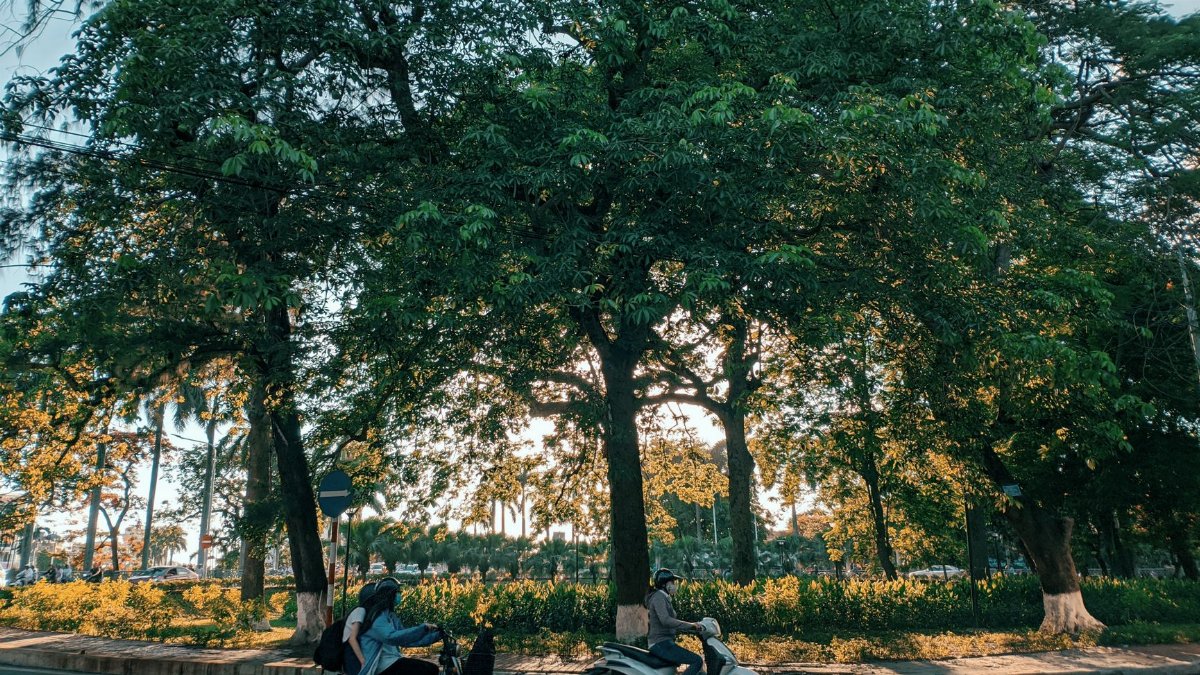
The Bay Area is not one weather story. A person who leaves a foggy Sunset District apartment and drives to a job in the Tri Valley can pass through two seasons before lunch. That contrast is ordinary. What the current pattern does is widen it. Coastal neighborhoods may get a few hours of sun and a breeze. Inland basins, boxed in by hills, store heat in pavement, rooftops, and dry soil, then release it slowly after dark.
That geography explains why a regional headline can feel wrong to someone standing in Half Moon Bay and exactly right to someone in Antioch. Journalists and public agencies have learned to say inland and coastal in the same sentence, because a blanket warning either alarms the wrong people or leaves the right ones unprepared.
Why warmth can linger after the equinox
The sun angle is already lower than it was in July. Days are shorter. Yet high pressure can still dominate if the jet stream stays far to the north and Pacific storms fail to punch through. Under that setup, clear skies let daytime heating accumulate, and dry ground has less moisture to spend on evaporation, which would otherwise take some energy out of the air.
Climate scientists have documented a lengthening warm season across much of the western United States, though any single October owes as much to the weather pattern of that week as to the long term trend. The honest way to talk about it is to separate the two. This stretch is a forecast. The background is a region where hot days are showing up later in the year more often than older residents remember. Both can be true without turning a ten day outlook into a verdict on the century.
Houses built for fog, asked to handle heat
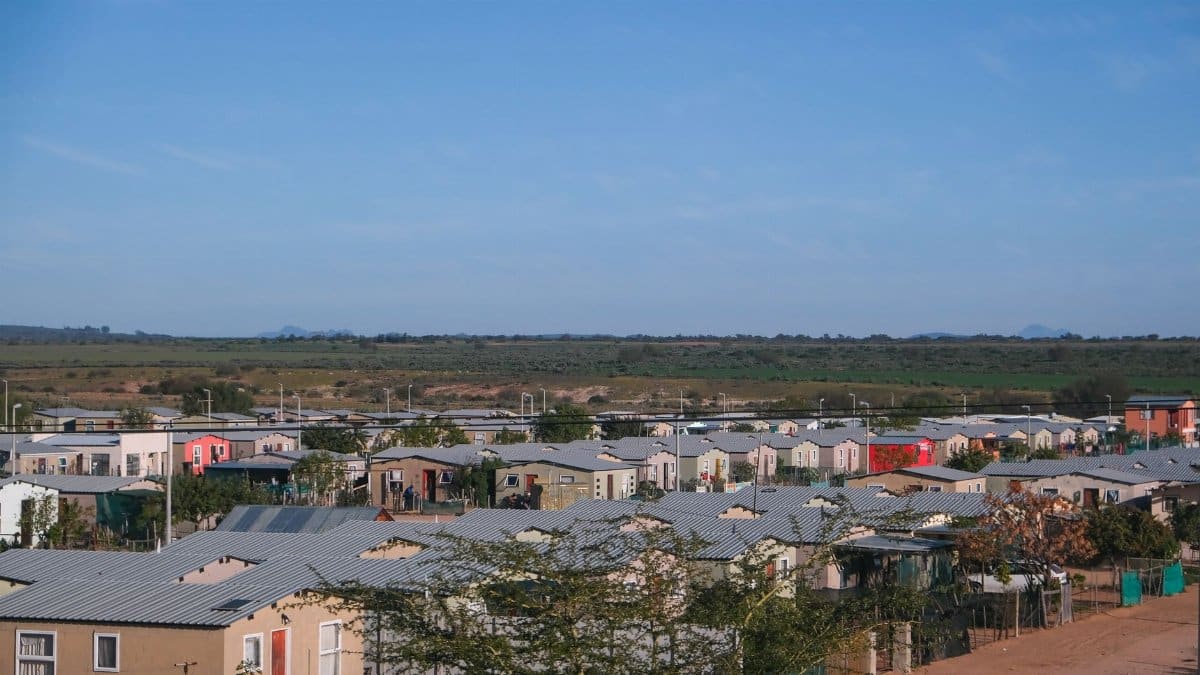
Much of the housing stock near the bay was designed for damp cold, not for sustained heat. Single pane windows, limited insulation, and a cultural habit of opening the house at night work beautifully in a foggy June. They work poorly when the overnight air never drops below the mid 60s and the next afternoon climbs again. Renters in older buildings feel this first, especially if they cannot install window units or if building rules restrict them.
Cooling centers, library hours, and public pools become part of the civic response when Bay Area October heat coincides with homes that were never meant to be sealed and chilled. Cities that already mapped vulnerable blocks during summer heat now have reason to keep those lists active past Labor Day. Older adults, people who work outdoors, and families in top floor apartments are the groups local health departments tend to name first.
Schools, fields, and the outdoor calendar
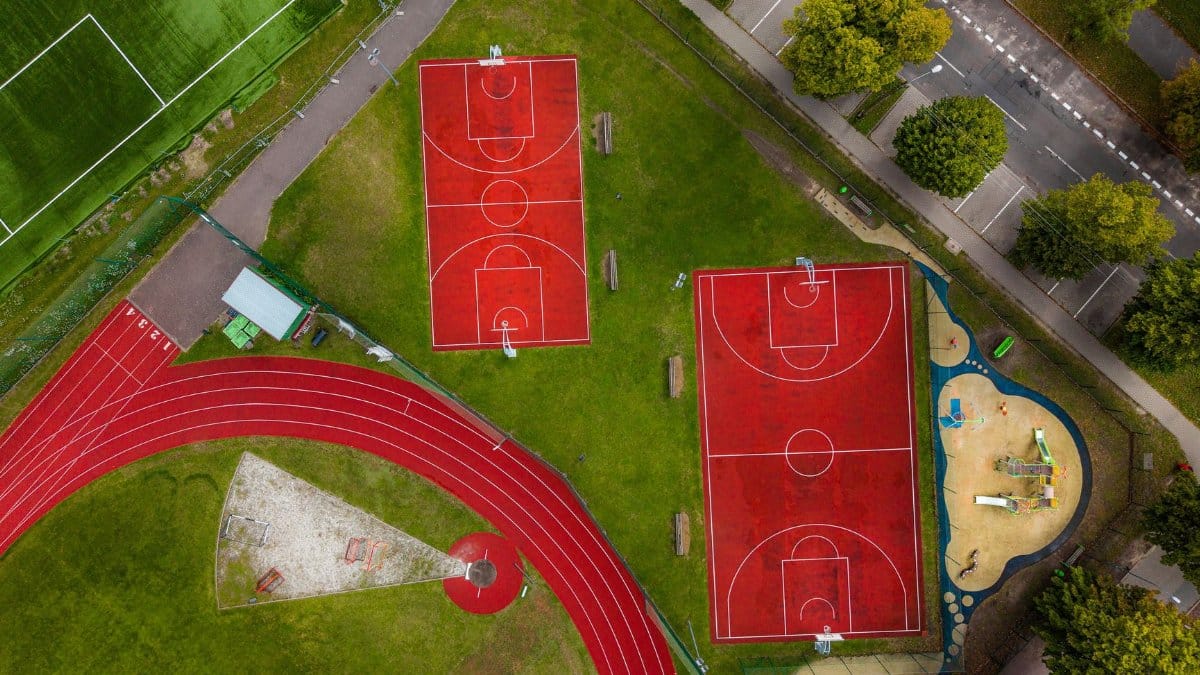
Fall sports do not pause because a ridge of high pressure refuses to leave. Coaches are shifting practices earlier, adding water breaks, and watching for players who look fine until they suddenly do not. Cross country meets on exposed courses and afternoon football in inland stadiums carry more risk in the 90s than a coastal Saturday in the 60s. Parents who grew up here sometimes underestimate that gap.
School districts face a quieter problem indoors. Many campuses still lack robust air conditioning because the historic climate did not seem to require it. A week of hot afternoons turns classrooms into places where attention fades and younger children wilt. Districts that can flex schedules, open shaded courtyards in the morning, and close stuffy rooms in the late day will have an easier time than those locked to a rigid bell schedule.
Dry fuels and the fire weather question

Heat alone does not start a fire. Heat plus low humidity, wind, and abundant dry grass can turn a spark into a fast moving incident. By early October much of the region’s seasonal grass has already cured. A warm, dry pattern keeps that fuel receptive. Fire agencies watch for north and northeast winds that can align with canyons and push smoke and embers in ways that surprise people who associate danger only with late summer lightning.
Residents in the wildland urban interface already know the drill from recent years: clear defensible space, know two ways out, and do not wait for a perfect warning. The present pattern is a reminder that the calendar date on a preparedness checklist matters less than the condition of the fuels outside the door. Checking alerts from local fire departments and from Cal Fire is a better habit than assuming October means the season has closed.
Workdays that were planned for milder air
Construction crews, farmworkers in the North Bay and South Bay valleys, delivery drivers, and people who staff outdoor markets do not get to move their jobs indoors because the forecast slipped. Employers who treat heat illness prevention as a summer policy sometimes let those rules lapse in fall. That is a mistake when the air says otherwise. Water, shade, and rest are not seasonal decorations. They are the difference between a hard day and a medical emergency.
Office workers have their own version of the problem. Transit platforms, glass heavy lobbies, and parking structures hold heat. A commute that felt pleasant in a mild September can become draining when Bay Area October heat stacks several warm afternoons together. People who can shift hours earlier often do. People who cannot, including many hourly workers, absorb the discomfort in their bodies and their schedules.
How neighborhoods are quietly adapting

Adaptation here rarely looks like a press conference. It looks like a neighbor lending a fan, a church opening a hall with decent airflow, a rec center extending swim hours, a corner store stocking oral rehydration packets next to the iced tea. In some blocks, group chats that began during wildfire smoke season now carry temperature notes: which park has shade at 3 p.m., which bus stop bakes, which library branch stays coolest.
Those small systems matter because official cooling centers cannot be everywhere, and not everyone will travel to one. Trust travels faster on a block than through a regional alert. Cities that fund neighborhood groups year round, rather than only after a disaster, tend to discover that those groups already know who lives alone and who has a broken window unit.
What a longer warm season asks of the region
If late season heat becomes more common, the Bay Area will have to stop treating October warmth as a surprise guest. Building codes, school design, transit waiting areas, and workplace rules were written for a climate that delivered reliable autumn relief. Updating them is slow, expensive, and uneven. Wealthier towns can add cooling faster than renter heavy cities. That gap is already visible in who sleeps well and who does not.
None of that requires panic about a single forecast. It does require honesty about who is exposed when the pleasant myth of endless mild weather fails for a week or two. The people most affected are often the least able to rearrange a shift, buy a portable cooler, or drive to a coast that still feels like fall.
A practical week, not a dramatic one

For the days ahead, the useful advice is plain. Check the inland forecast separately from the coastal one. Plan strenuous outdoor time for morning. Keep water in the car. Know where an air conditioned public room is if home will not cool down. Look in on older neighbors when nights stay warm. If you live near grass and brush, treat dry wind as a reason to stay alert, not as background noise.
The region has lived through hotter stretches and smokier ones. This one may pass as a stubborn run of clear days rather than a crisis. Still, Bay Area October heat is a fair test of whether local habits have caught up with the calendar. The platform in Oakland will cool again. Until it does, the forecast is asking people to notice the season they actually have, not the one the date on the phone promised.