
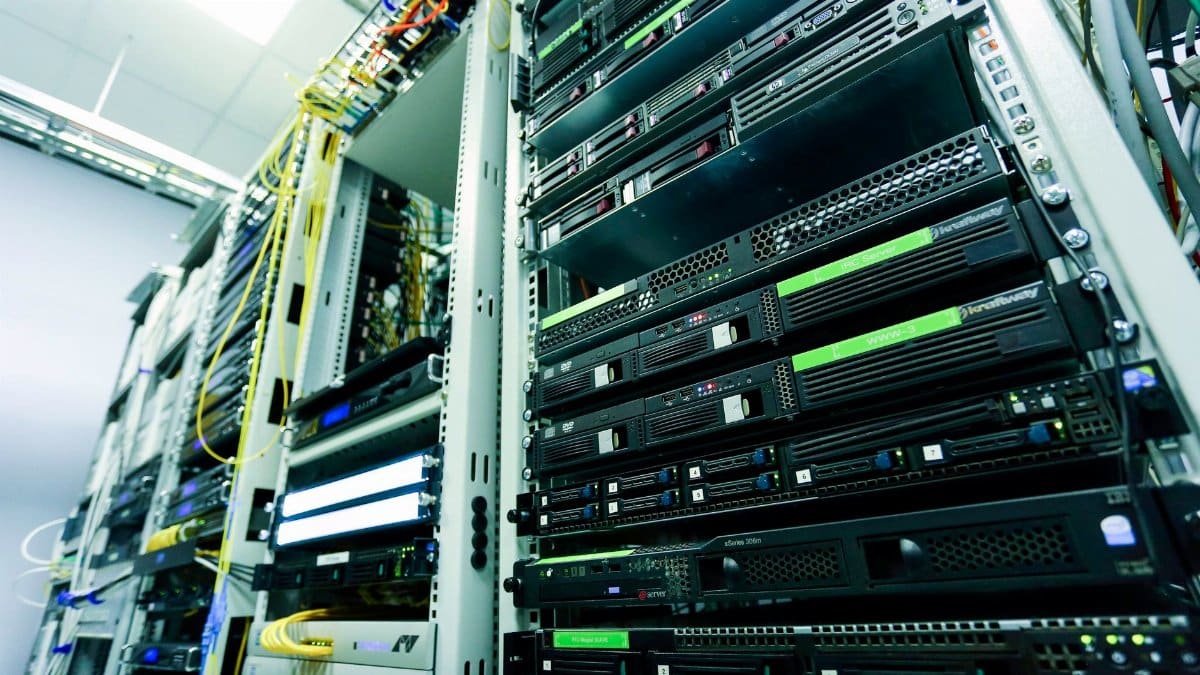
Baltimore officials are examining ways to shield communities from the side effects of expanding computing infrastructure. As digital demands grow these facilities bring both economic opportunities and environmental questions to the forefront. Residents in affected neighborhoods have voiced concerns over noise power consumption and emissions. The conversation centers on ensuring that growth does not come at the expense of public wellbeing. Baltimore data centers represent a key part of this evolving landscape where technology meets urban planning.
Examining Health Impact Assessments

City leaders have put forward a measure that would oblige developers to study pollution levels and related health risks ahead of any new approvals. This approach seeks to gather detailed information on air quality changes and energy demands before projects move forward. Advocates argue that such reviews could prevent future problems in residential areas near proposed sites.
Local Community Reactions

Neighborhood groups have organized meetings to discuss how these facilities might alter daily life. Some participants highlight worries about increased truck traffic and constant operational sounds. Others point to the need for jobs and modern infrastructure in struggling parts of the city.
Economic Considerations for Growth
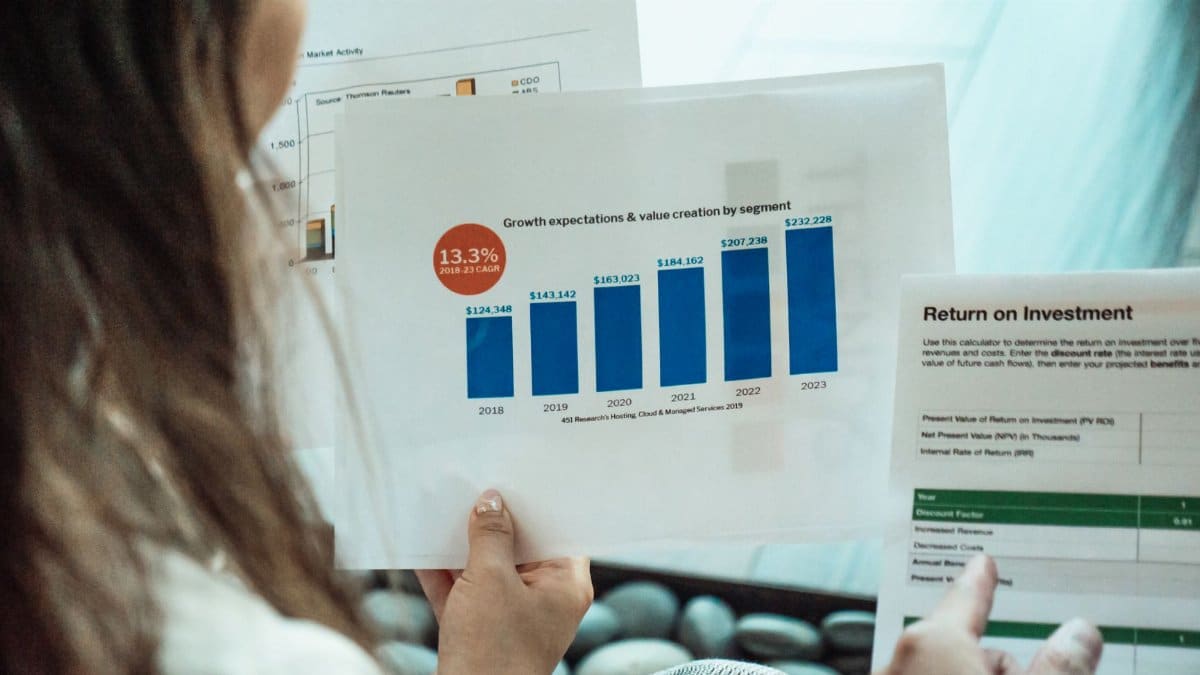
Proponents note that data facilities can generate tax revenue and attract related businesses. They suggest careful planning could balance these gains with protections for existing residents. Studies from similar regions show mixed results when oversight remains limited.
Energy Demands and Infrastructure Strain
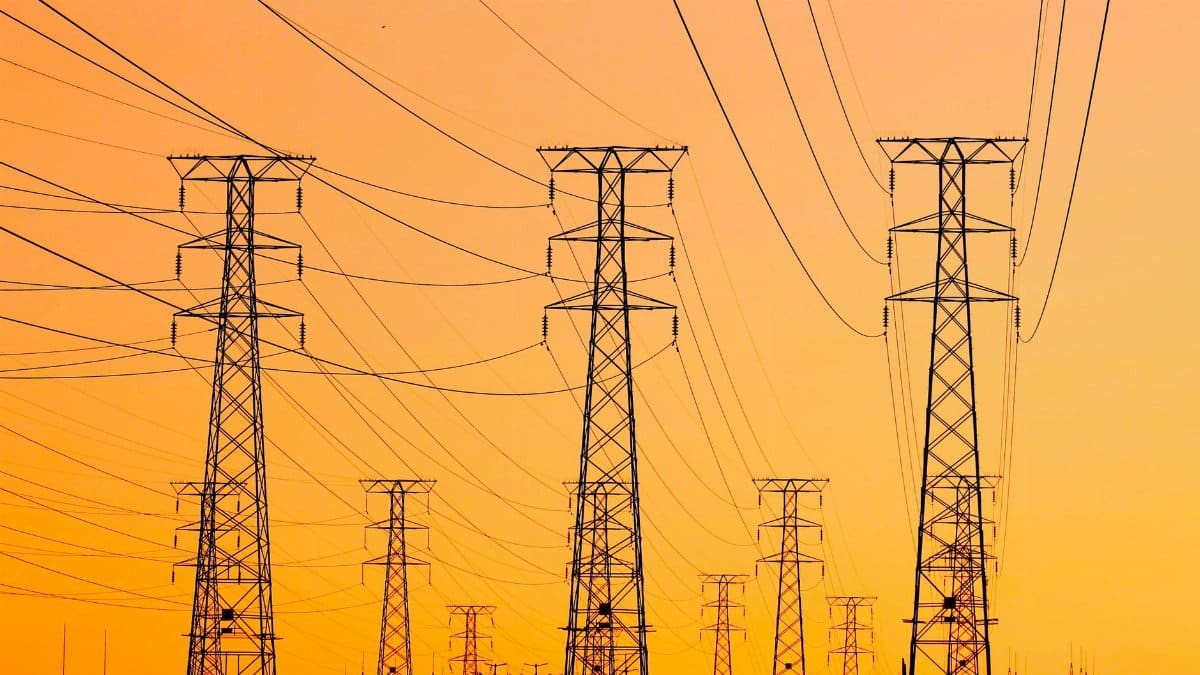
These operations require substantial electricity which can pressure local grids during peak periods. Officials are reviewing options to integrate renewable sources and reduce reliance on older power plants. Such steps might ease some environmental pressures over time.
Comparisons With Other Regions

Places like Northern Virginia have faced similar debates over rapid expansion. Their experiences offer lessons on the value of early health evaluations and community input. Baltimore could adapt successful elements from those cases while avoiding past oversights.
Regulatory Challenges Ahead

Debate continues over the exact requirements in the proposed rules and how strictly they would apply. Some developers express concerns about added costs and delays. City council members are weighing amendments to address these issues without weakening safeguards.
Potential Environmental Benefits

With proper assessments in place new projects might incorporate better cooling systems and lower emission designs. This could contribute to broader city goals around cleaner air and reduced carbon output. Longterm planning remains essential for meaningful progress.
Future Outlook for Urban Development
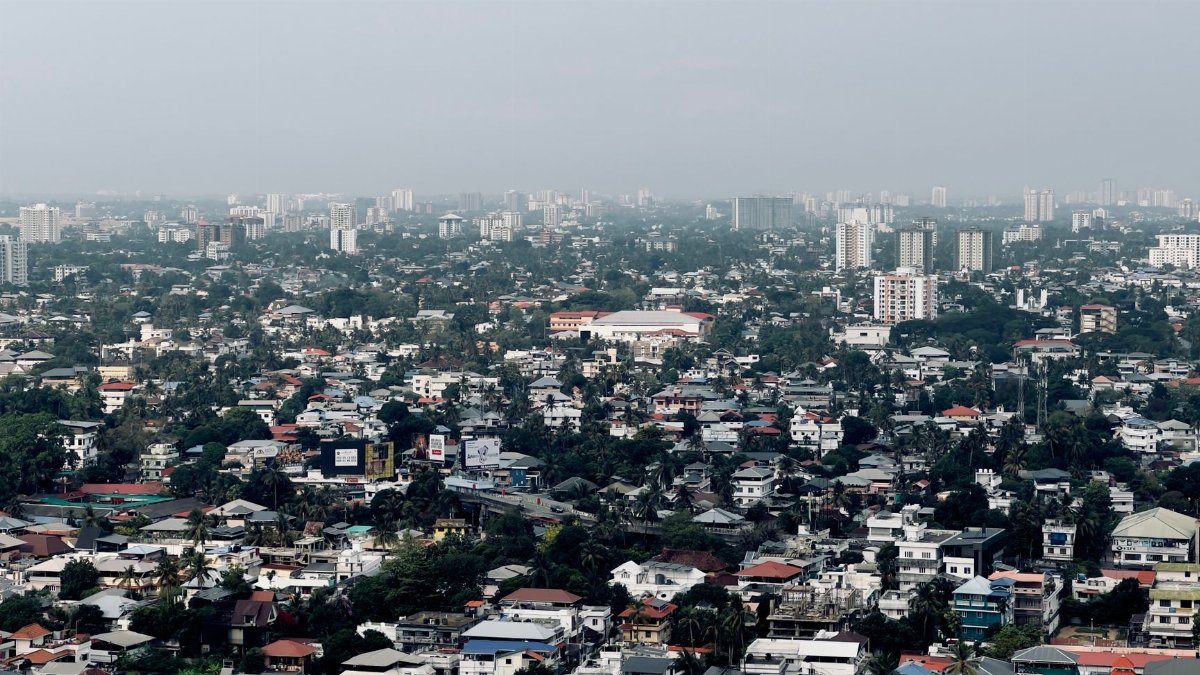
As technology needs continue to rise Baltimore stands at a crossroads in shaping its approach to these facilities. The outcome of current discussions will likely influence how other cities handle comparable proposals. Thoughtful policy could set a standard for responsible expansion.