

In the heart of a city grappling with persistent violence a local priest organized an initiative called gun buyback Baltimore. Residents lined up to surrender their firearms in exchange for gift cards or other incentives. This effort highlighted the role of religious leaders in addressing urban challenges. The collection totaled one thousand fifty six guns marking a notable achievement in a place where gun violence remains a pressing concern. Community members expressed relief at the opportunity to reduce the number of weapons in their neighborhoods. Such programs offer a glimpse into alternative approaches to public safety that involve voluntary participation rather than enforcement alone.
Background on Local Violence Trends

Baltimore has faced ongoing issues with shootings and related crimes over recent years. Data from local authorities show that neighborhoods continue to deal with the aftermath of firearm incidents that disrupt families and strain resources. Leaders in the area have sought various methods to lower these numbers through outreach rather than solely relying on traditional policing. The presence of too many guns in homes often contributes to accidental discharges or escalations during disputes. Efforts like this one reflect a shift toward community driven solutions that encourage people to reconsider keeping weapons.
The Priest Behind the Effort
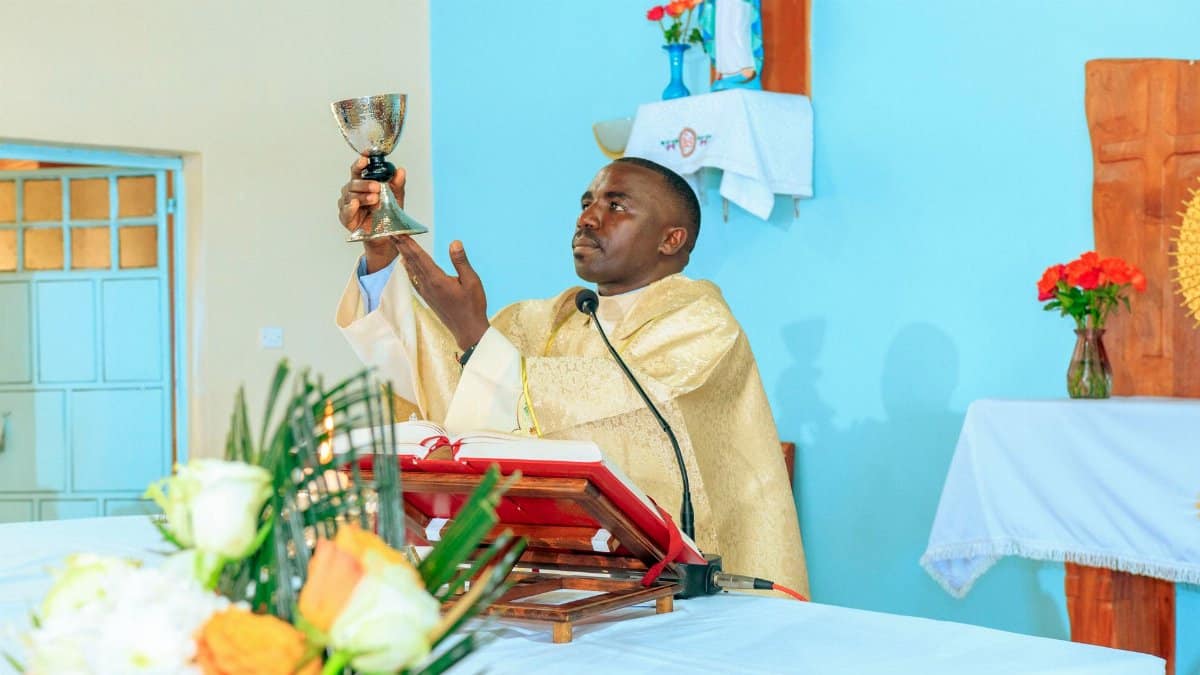
Father Michael who serves at a parish in the city decided to take action after witnessing the toll of violence on his congregation. He coordinated with officials and volunteers to set up the event in a central location accessible to many residents. His background in social work informed the approach emphasizing compassion over judgment. Participants later shared that his presence helped ease concerns about legal repercussions. This personal commitment turned the program into more than a simple exchange it became a moment of reflection for those involved.
Mechanics of the Collection Process

The event operated on a single Saturday with clear guidelines posted in advance. People arrived with firearms unloaded and secured in bags as instructed by organizers. Volunteers checked each item for safety before issuing compensation in the form of prepaid cards. No questions were asked about the origin of the weapons which encouraged broader turnout. The process ran smoothly from morning until evening with staff rotating to maintain efficiency throughout the day.
Community Response and Participation
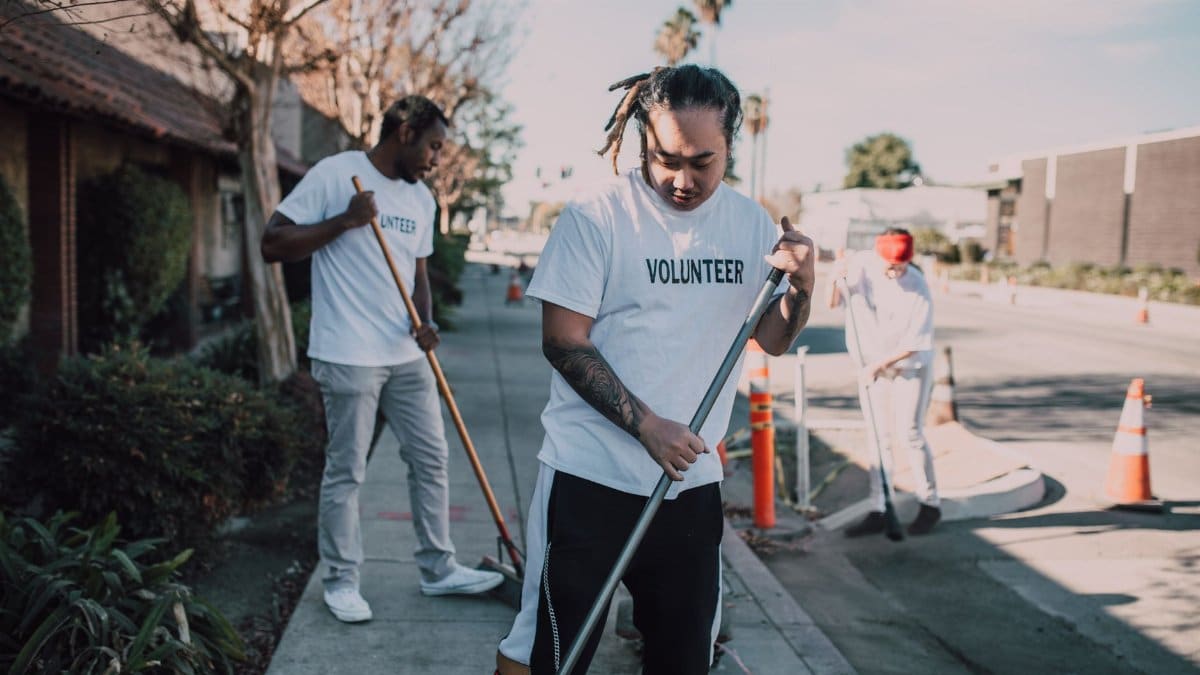
Hundreds of individuals showed up throughout the hours of operation many expressing a desire to clear their homes of potential dangers. Families brought items that had been stored away for years often without recent use. Local businesses contributed to the incentives helping stretch the available funds further. Feedback collected afterward indicated strong support for repeating the program on a regular basis. This level of engagement suggested that residents welcome opportunities to act proactively on safety matters.
Outcomes and Firearm Reduction
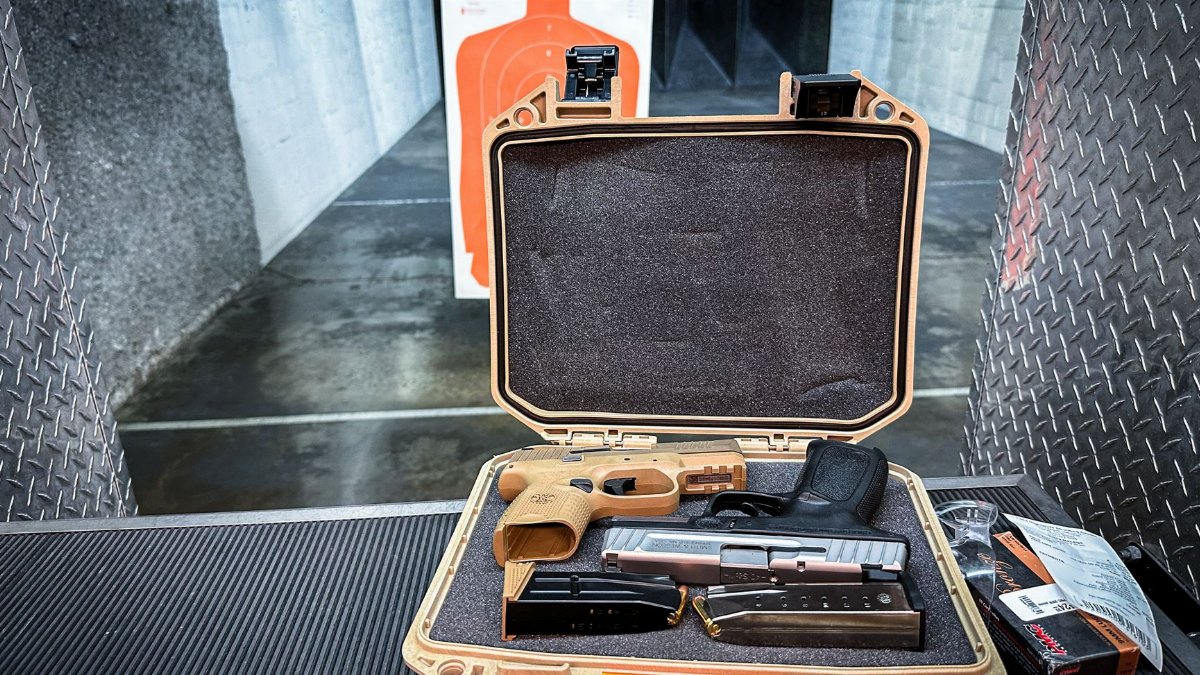
In total the drive removed one thousand fifty six firearms from circulation according to counts verified by police partners. Officials noted that the haul included handguns rifles and other types that could have posed risks if misused. Follow up assessments in the weeks after showed no immediate spikes in related incidents. The success provided measurable evidence that such voluntary measures can produce tangible results in high risk areas.
Broader Implications for Similar Programs
Cities across the country have experimented with comparable events yet results vary based on local trust and logistics. Baltimore experience demonstrates that faith based leadership can bridge gaps between authorities and citizens. Scaling these efforts requires consistent funding and partnerships with multiple groups. Observers point out that combining them with education on safe storage could amplify long term effects. gun buyback Baltimore thus serves as a model worth studying for adaptation elsewhere.
Challenges Encountered During the Event

Organizers dealt with unexpected crowds that tested the capacity of the site chosen for the collection. Weather conditions added minor complications but volunteers adapted quickly with tents and indoor alternatives. Some participants arrived with items that required special handling due to age or condition. Coordination between different agencies demanded clear communication to avoid delays. Despite these hurdles the team completed the day without major incidents.
Looking Ahead to Future Initiatives

Plans are already underway to hold another round of gun buyback Baltimore later in the year with expanded resources. Father Michael hopes to involve more youth groups in promotion to reach younger adults. Partnerships with mental health services may be added to support those turning in weapons during times of stress. Continued evaluation will help refine the model based on what worked well this time. The overall goal remains reducing unnecessary risks in daily life for all residents.