

As temperatures climb toward record levels many residents across the city confront an extended stretch of oppressive conditions that disrupt routines and raise serious safety concerns. Officials have issued repeated alerts emphasizing hydration and limited outdoor activity while cooling centers open their doors to those in need. Forecasts indicate little relief until later in the week when cooler air may arrive alongside expected thunderstorms. The Baltimore Heat Wave underscores broader questions about how urban areas adapt to intensifying summer conditions year after year.
Urban Infrastructure Under Strain
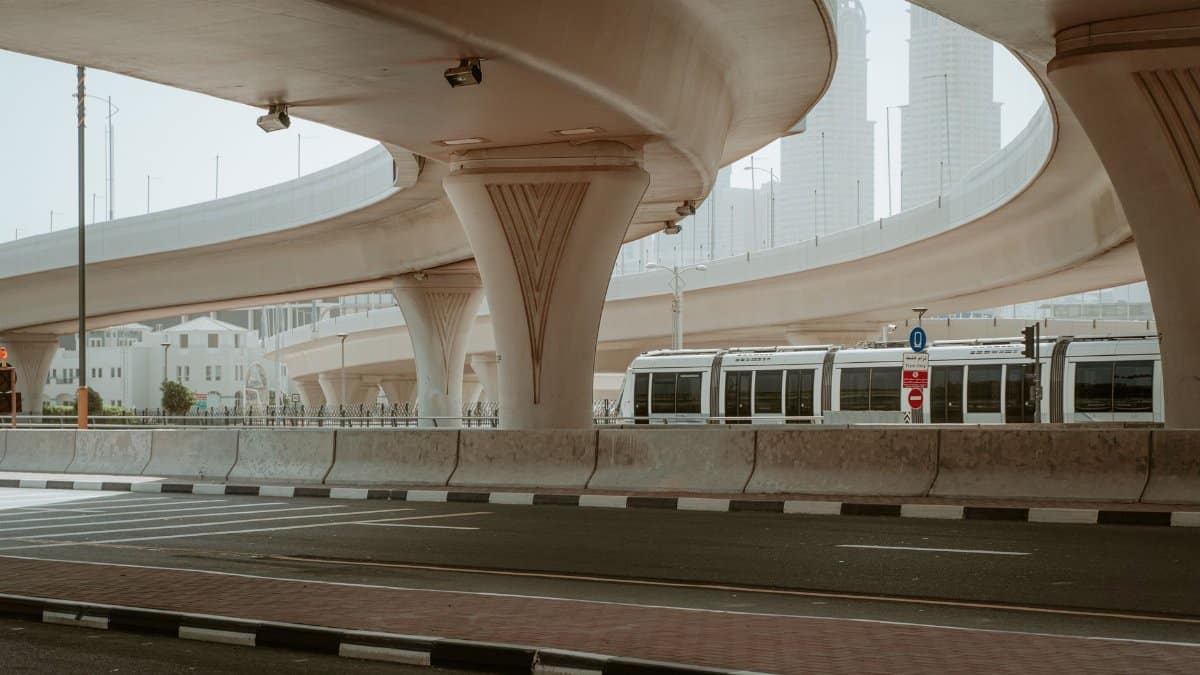
City power grids face heavy demand as air conditioning units run continuously in homes offices and public buildings. Utility crews monitor lines for signs of overload while crews work to prevent widespread outages that could leave thousands without relief from the heat. Streets and sidewalks absorb and radiate warmth long after sunset adding to nighttime discomfort for those without access to cooled spaces.
Health Impacts on Vulnerable Populations
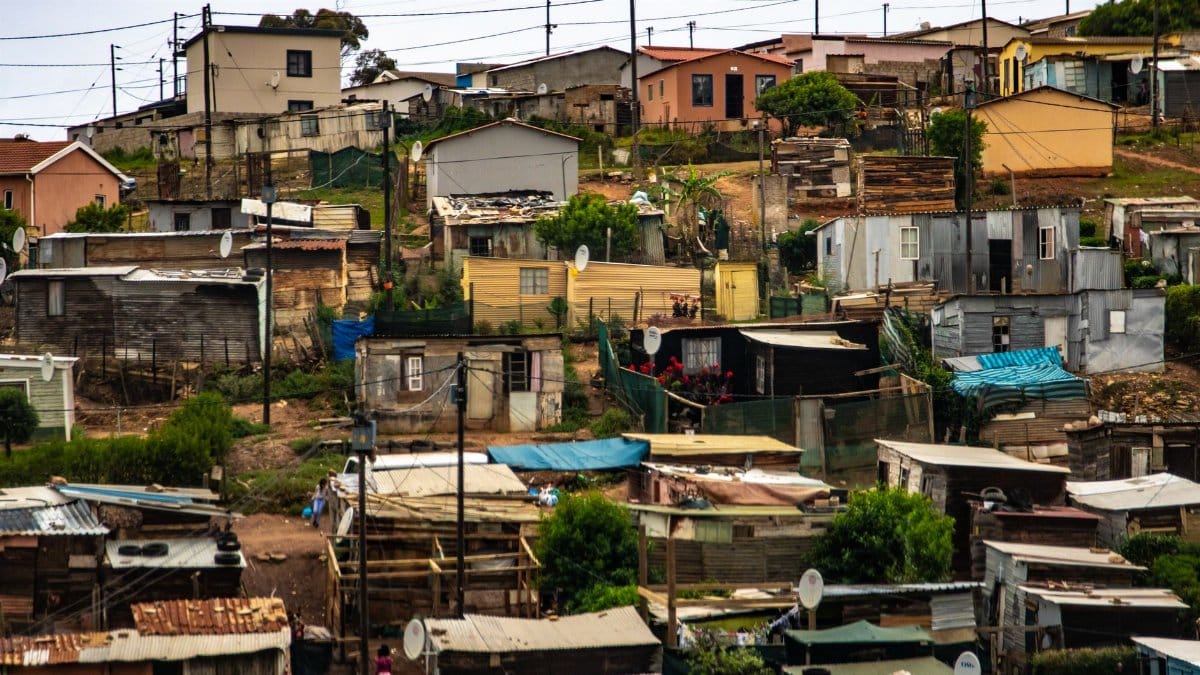
Medical facilities report rising cases of heat exhaustion and dehydration particularly among older adults and individuals with preexisting conditions. Emergency responders urge families to check on neighbors living alone and to recognize early symptoms such as dizziness or rapid heartbeat. Public health messages stress that even brief periods outdoors can prove risky when humidity remains elevated.
Local Government Preparedness Measures
Municipal leaders have expanded the number of public cooling sites and extended operating hours at libraries and recreation centers. Emergency management teams coordinate with transit authorities to ensure buses remain available for residents seeking temporary shelter. These steps reflect lessons drawn from previous summers when response times proved critical in limiting heat related illnesses.
Effects on Daily Routines and Work

Construction crews adjust schedules to avoid peak afternoon hours while delivery drivers seek shaded areas during breaks. Schools with limited air conditioning consider shortened days or remote options for students. Retail and hospitality workers describe constant efforts to maintain comfortable indoor environments for customers amid relentless external warmth.
Role of Community Organizations
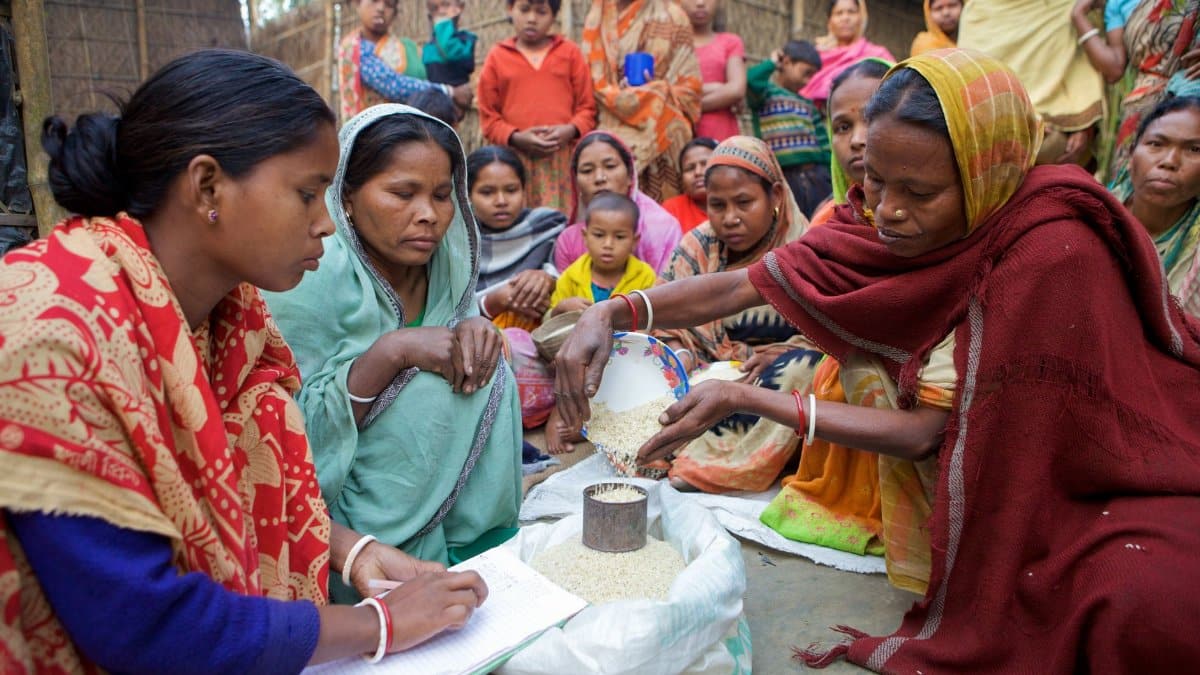
Faith based groups and neighborhood associations distribute bottled water and operate fan donation drives for households lacking resources. Volunteers visit isolated residents to provide both practical assistance and social contact during periods when leaving home feels unsafe. Such efforts highlight how local networks supplement official services in times of environmental stress.
Environmental Factors Contributing to the Event
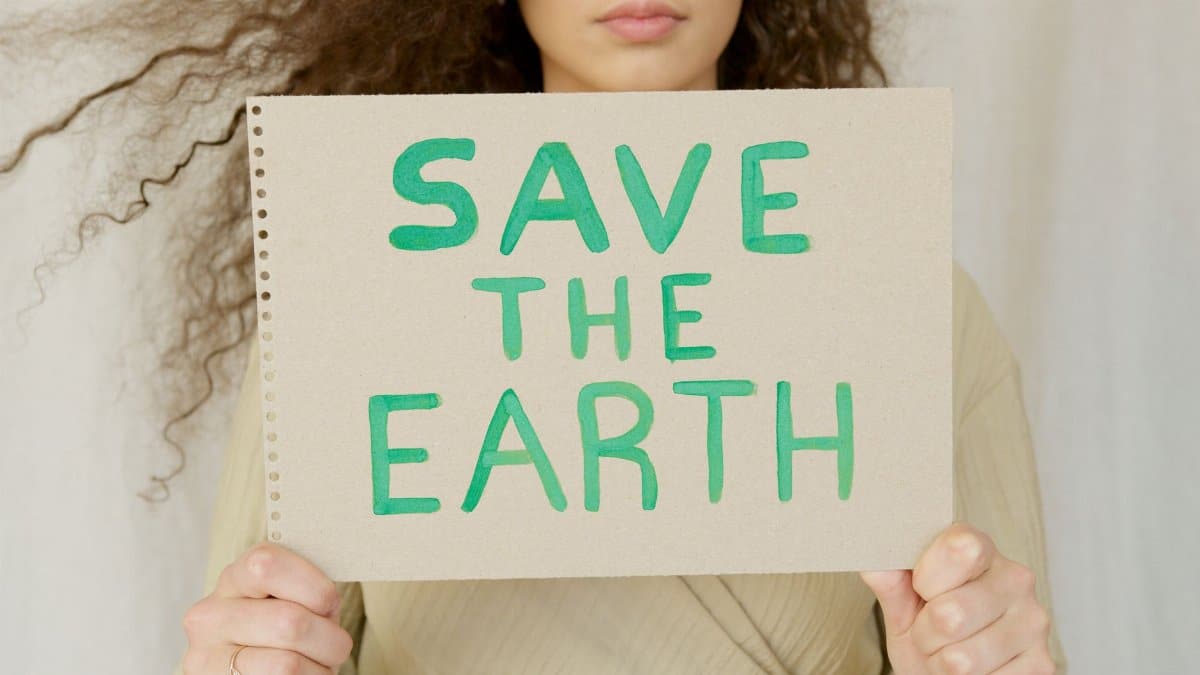
Regional weather patterns have produced prolonged high pressure systems that trap warm air near the surface. Urban development patterns with extensive pavement and reduced tree cover amplify these conditions creating localized hotspots. Scientists note that such events align with longer term trends of rising average temperatures observed across the eastern United States.
Historical Context of Similar Events
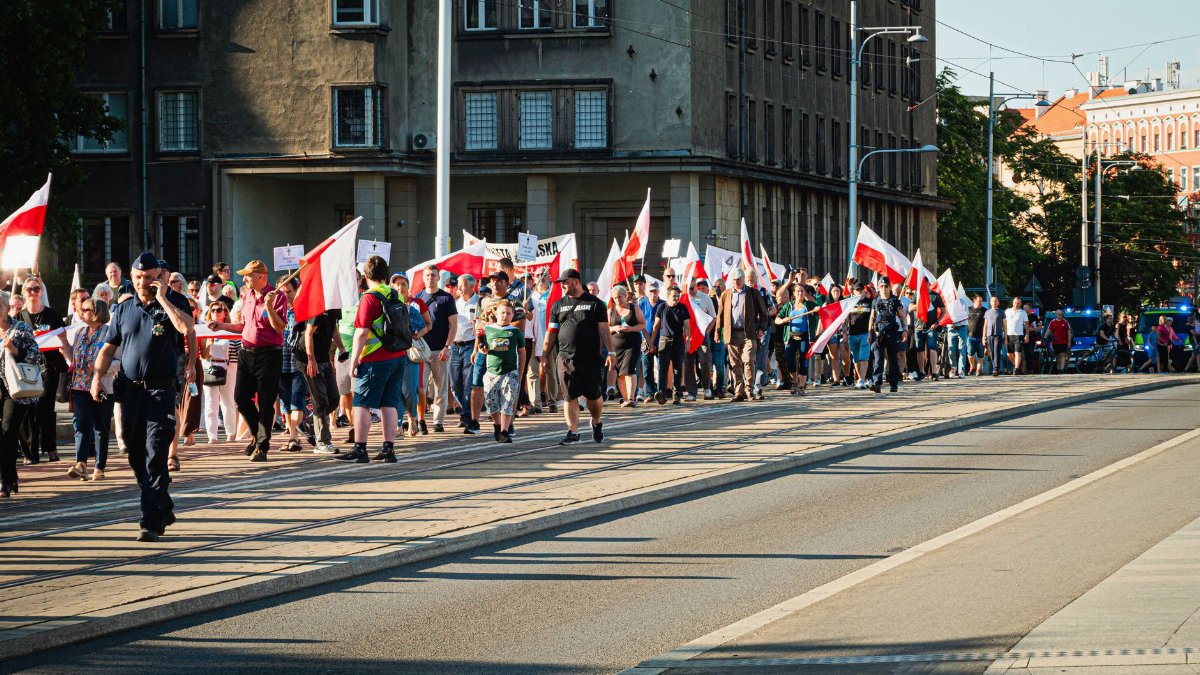
Past summers have brought comparable stretches of extreme heat prompting incremental improvements in warning systems and public outreach. Records from earlier decades show that response capabilities have grown yet challenges persist for cities balancing growth with climate resilience. Each new episode serves as a reminder of the need for continued investment in adaptive infrastructure.
Outlook as Storms Approach
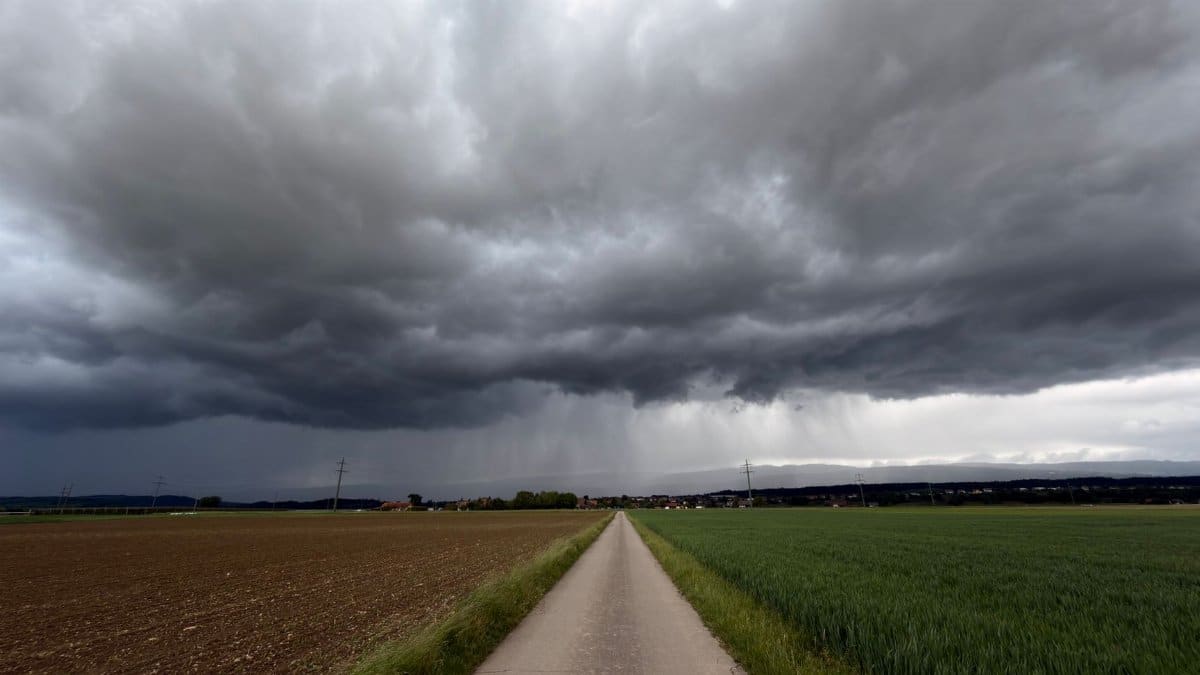
Meteorologists predict that Friday could bring thunderstorms capable of easing temperatures though heavy rain may create additional hazards such as localized flooding. Residents are advised to prepare for possible power interruptions and to secure outdoor items ahead of gusty winds. The transition from the Baltimore Heat Wave to more unsettled weather offers a measure of relief while introducing its own set of considerations for safety planning.