

In many communities across the upper Midwest families juggle summer plans around the rhythms of the academic calendar. Minnesota has long stood apart in this regard with its customary approach to timing. The Minnesota school start Labor Day connection reflects a preference for beginning classes after the holiday rather than before it allowing for extended vacations and agricultural considerations that once shaped daily life. Recent legislation introduces flexibility that could shift routines for thousands of students and parents alike creating fresh debates about education priorities and family time.
Origins of the Traditional Calendar

School schedules in Minnesota trace back to eras when rural economies depended on youth labor during harvest seasons. Lawmakers and educators aligned start dates with the end of summer to accommodate these needs. Over decades this custom evolved into a statewide norm that most districts followed without question. The result was a predictable pattern where classes began after Labor Day preserving a sense of seasonal balance for communities.
Details of the New Legislation
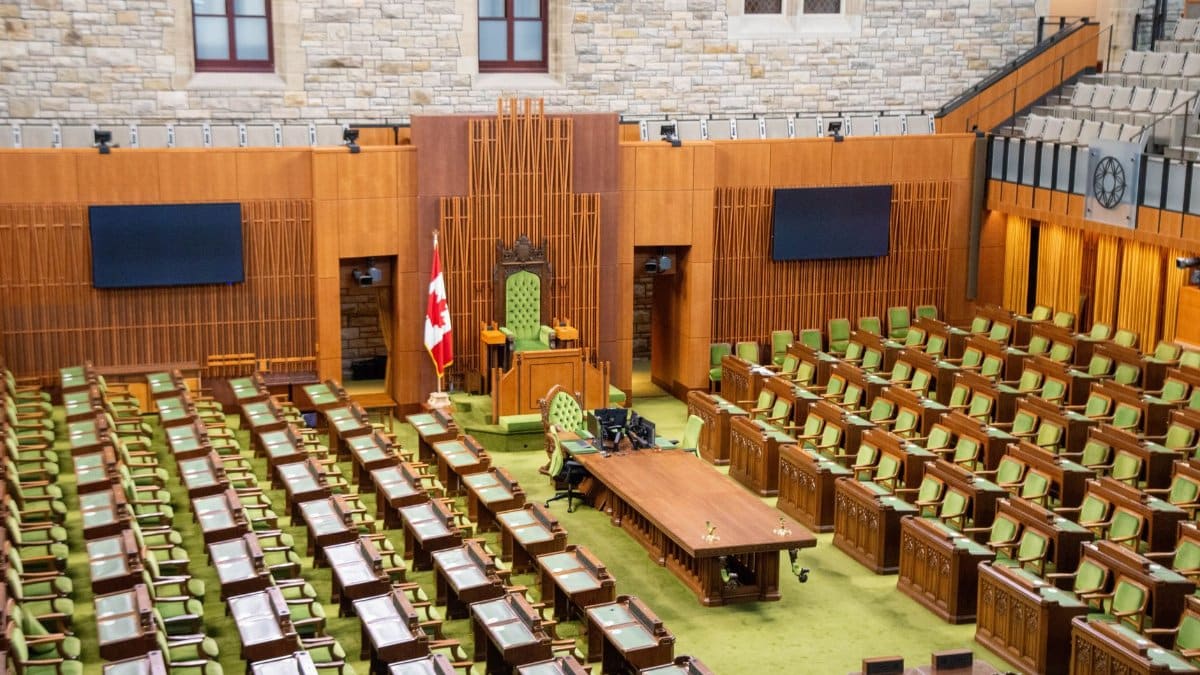
A temporary measure signed into law permits districts to open as early as September first two thousand twenty six. This change applies even when Labor Day lands on September seventh that year. Proponents argue it offers more instructional days before winter breaks while critics worry about shortened family summers. The provision expires after a set period prompting ongoing review by state officials.
Impacts on Family Schedules

Parents in affected areas now face decisions about childcare and vacation bookings that once followed a fixed rhythm. Earlier starts might reduce conflicts with fall sports yet they could limit time at cabins or travel destinations. Surveys of households reveal mixed reactions with some welcoming the extra weeks of structured learning and others lamenting lost leisure.
Comparisons Across State Lines

Neighboring states often allow earlier openings without similar restrictions. This contrast highlights how Minnesota maintained its approach longer than most. Educators from other regions note that flexible calendars support varied student needs including those in year round programs. Minnesota now experiments with limited adjustments to test outcomes.
Views from Educators and Administrators

Teachers express concerns about preparation time compressed into shorter summers. Administrators point to benefits like better pacing for standardized testing. Professional groups have issued statements urging careful implementation to avoid overburdening staff. Training sessions focus on adapting lesson plans to the new windows.
Student Perspectives on Timing

Young people in middle and high school describe tradeoffs between earlier finishes in spring and lost August freedom. Some appreciate opportunities for advanced courses while others miss extended breaks for jobs or camps. Focus groups organized by districts capture these voices to inform future policies.
Economic Considerations for Districts

Budget planners examine costs tied to utilities and transportation under varied schedules. Earlier starts may spread expenses more evenly yet they require adjustments to maintenance crews. Local businesses near schools anticipate shifts in customer flows during what were once peak summer months. Economic analyses from state agencies explore these ripple effects.
Future Outlook and Policy Reviews

Officials plan evaluations after the initial implementation period to gauge academic performance and satisfaction levels. Data collection will track attendance and test scores alongside family feedback. Lawmakers may extend or modify the rules based on results. Broader discussions continue about balancing tradition with modern demands in public education. The Minnesota school start Labor Day conversation serves as a model for other states weighing similar changes. Additional reviews could refine approaches to ensure equitable access across urban and rural areas alike.