
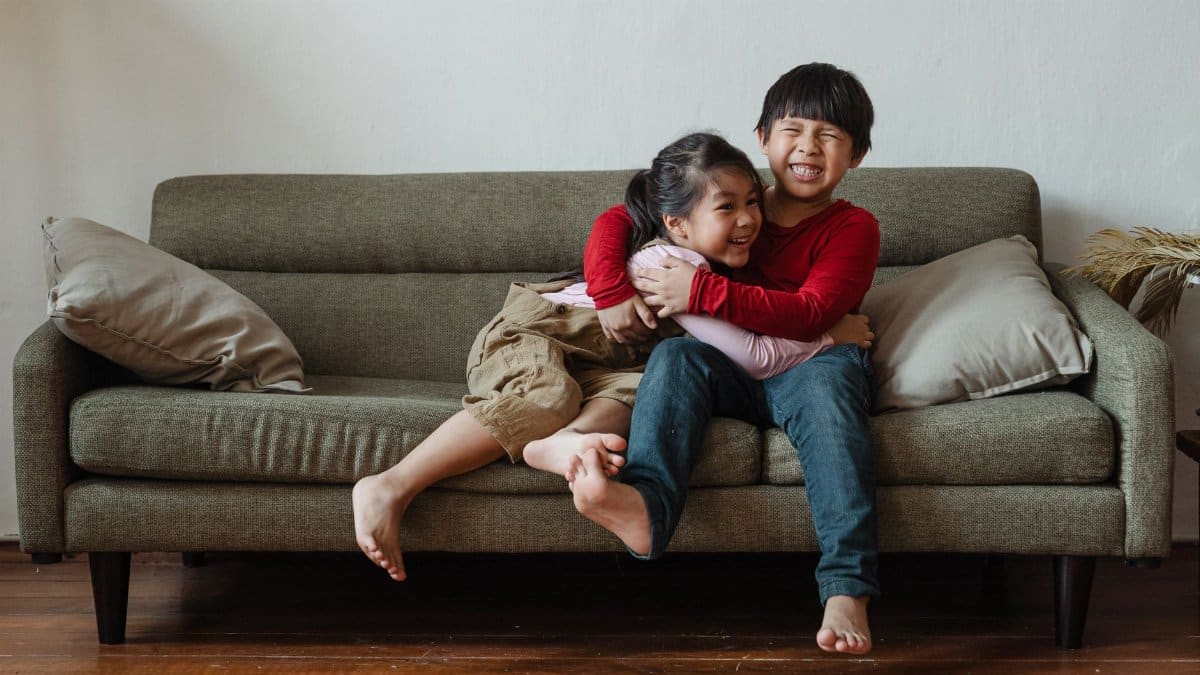
In quiet neighborhoods across the country, parents often reflect on the paths that led them to build families of varying sizes. Some recall a steady sense of security from childhood that encouraged openness to more children while others describe hesitations rooted in earlier uncertainties. These patterns point toward deeper influences on reproductive choices. Attachment Style emerges here as a factor that shapes how adults approach the prospect of parenthood and the number of children they ultimately welcome into their lives. Research in this area highlights connections between early relational experiences and later decisions about family expansion without prescribing any single outcome for individuals.
Early Bonds and Later Family Plans
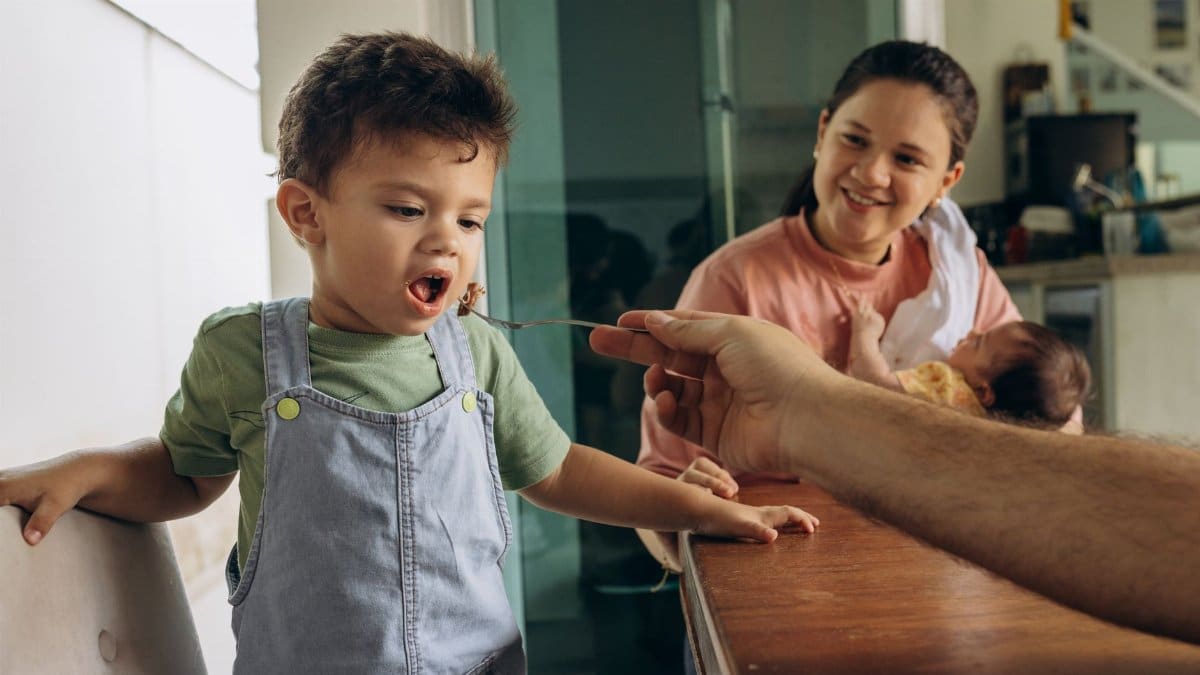
Psychologists have long examined how childhood interactions with caregivers set templates for adult relationships. Secure foundations appear linked with greater comfort in committing to larger families. In contrast those who experienced inconsistent care may approach family growth with more caution. Such differences unfold gradually as people weigh practical realities alongside emotional readiness.
Patterns Observed in Recent Analysis

A study published in Scientific American explored these dynamics through surveys of adults reflecting on their upbringing and current household compositions. Participants with secure attachment histories reported higher average numbers of children compared with those showing avoidant or anxious tendencies. The findings suggest attachment orientations contribute to fertility decisions alongside economic and cultural elements.
Secure Orientations and Openness to Growth

Individuals who view relationships as reliable sources of support often express willingness to expand their families. This perspective aligns with a belief that additional members can strengthen rather than strain existing connections. Data indicate such adults may plan for three or more children when circumstances allow.
Avoidant Tendencies in Reproductive Choices

Those leaning toward emotional distance in partnerships sometimes limit family size to preserve independence. This approach can manifest as preferences for one child or none at all. The pattern reflects a broader strategy of minimizing relational demands that might feel overwhelming.
Anxious Styles and Their Unique Pressures

People who harbor fears of abandonment may oscillate between desires for closeness through children and worries about adequacy as parents. This internal conflict can delay or reduce family expansion in some cases. Therapeutic interventions sometimes help clarify these mixed signals over time.
Cultural Contexts Shaping Outcomes

Broader societal expectations interact with personal attachment histories in complex ways. In communities that prize large families secure individuals may thrive while others adapt by forming smaller units. These variations underscore that attachment style operates within specific environments rather than in isolation.
Implications for Counseling Practices

Therapists increasingly incorporate discussions of attachment when clients raise concerns about family planning. Recognizing these roots can foster self awareness and reduce unintended constraints on decision making. Sessions might explore how past experiences inform present hopes without imposing rigid interpretations.
Future Directions in Psychological Inquiry

Longitudinal projects continue to track how attachment evolves across generations and influences demographic trends. Such work may reveal whether interventions in early adulthood can shift family size preferences. Expanded samples across diverse populations will strengthen the reliability of emerging conclusions.