
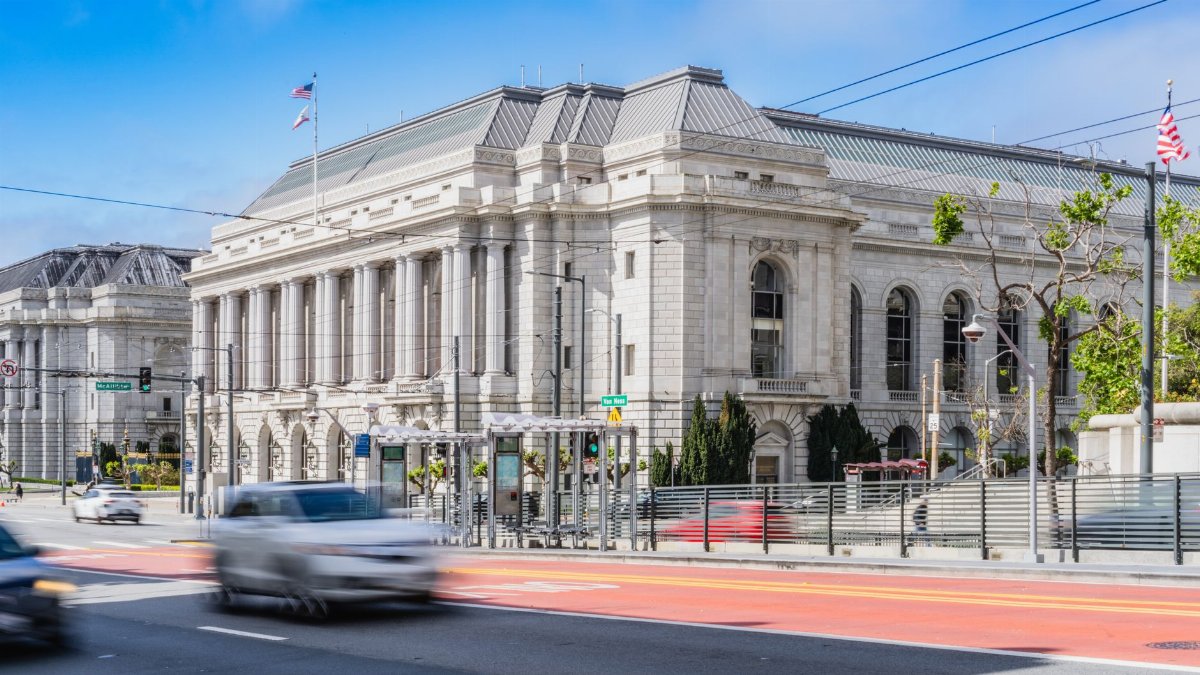
The ballroom lights had barely settled when the applause did the counting for everyone in the room. Guests in evening clothes leaned toward one another as a figure on the stage announced a total that quieted the chatter: $2.38 million, a record for the night. In a city that argues constantly about what deserves to be kept, the de Young Museum, a San Francisco institution with a long hold on Golden Gate Park, had just shown that patrons still open their wallets for art, education, and the simple fact of a public gathering place. The party was swanky. The number was the story.
A night built for spectacle and for a ledger
Galas are theater with a receipt attached. Tables gleam. A band keeps people from drifting toward the exits. Auction paddles rise and fall while staff in the wings track pledges that will not appear on any Instagram story. On this evening the performance and the arithmetic met at a new high. Organizers had hoped for a strong return. They received something firmer: proof that a core of supporters still treats the museum as civic furniture, not a luxury that can be postponed until the next boom.
The setting mattered. People do not write large checks in a vacuum. They write them in rooms where they can see other people doing the same, where the cause is visible in the building itself, and where the ask feels like membership in a shared project rather than a transaction. That is the old logic of the charity ball, and it still works when the institution on the invitation is one neighbors already know by sight.
Where the record sits in a longer story
A single total can flatter or mislead. $2.38 million is a large sum for one evening, and calling it a record is fair on the terms the museum and local coverage have used. It is not, by itself, a full budget. Museums live on a braid of admissions, memberships, city support where it exists, endowment income, grants, and the unpredictable generosity of people who can give more than a ticket price. A gala is a spike on that line, not the line.
Still, spikes tell you something. They tell you whether the phone list is alive. They tell you whether board members are willing to host, introduce, and follow up. They tell you whether the public story of the place still convinces people who have many other places to put their money. In that narrower sense the night was a vote, cast in dollars, for keeping a major cultural house in strong repair.
Readers who want the originating account of the evening can find the local report at SFGate, which framed the haul as a high water mark for the event.
What a museum actually spends money on
From the dance floor it is easy to imagine that gifts vanish into marble and champagne. The less glamorous truth is that a museum is a machine for care. Paintings need climate that does not swing. Textiles need darkness and skilled hands. Digital records need staff who can keep a collection findable a decade from now. Education teams need buses, lesson plans, and time with students who will never attend a gala.
Security, insurance, and the slow work of conservation do not photograph well. Neither does the cost of keeping galleries open on days when attendance is thin. A record evening does not erase those bills. It does give leadership a little more room to say yes to a school program, a conservation project, or a exhibition that will not pay for itself at the door. That room is the real product of the party, long after the last coat check ticket is claimed.
Why this San Francisco institution still draws a crowd
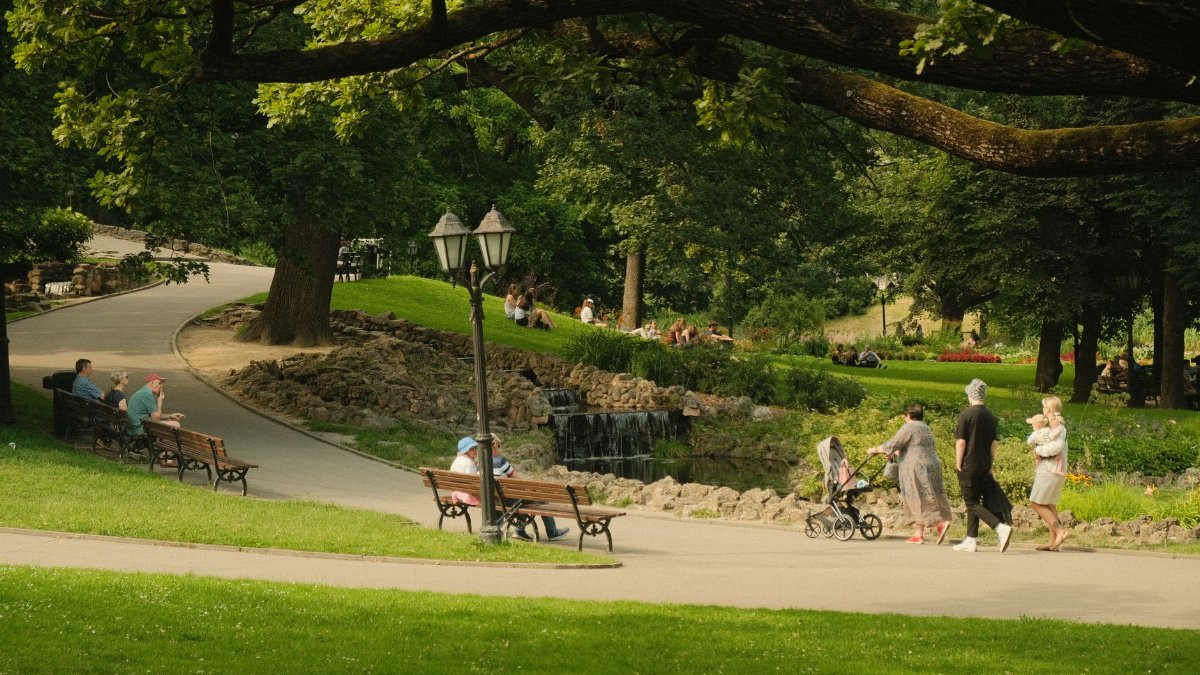
The de Young is not a newcomer angling for attention. It sits in a park that functions as the city’s shared backyard, beside gardens, lawns, and the kind of weekend wandering that does not require a ticket until you decide you want one. That geography is a gift. People already have a reason to be nearby. The building gives them a reason to stay, to look longer, and to bring someone who has not been inside in years.
Reputation is stickier than any single show. Families remember field trips. Artists remember the first time a gallery made their own city feel larger. Tourists fold the stop into a day that also includes the park. When fundraisers ask for loyalty, they are asking people to protect a memory as much as a mission. That is why a San Francisco institution with a famous address can still fill a room in a decade when many nonprofits report donor fatigue.
The people who make a swanky night possible
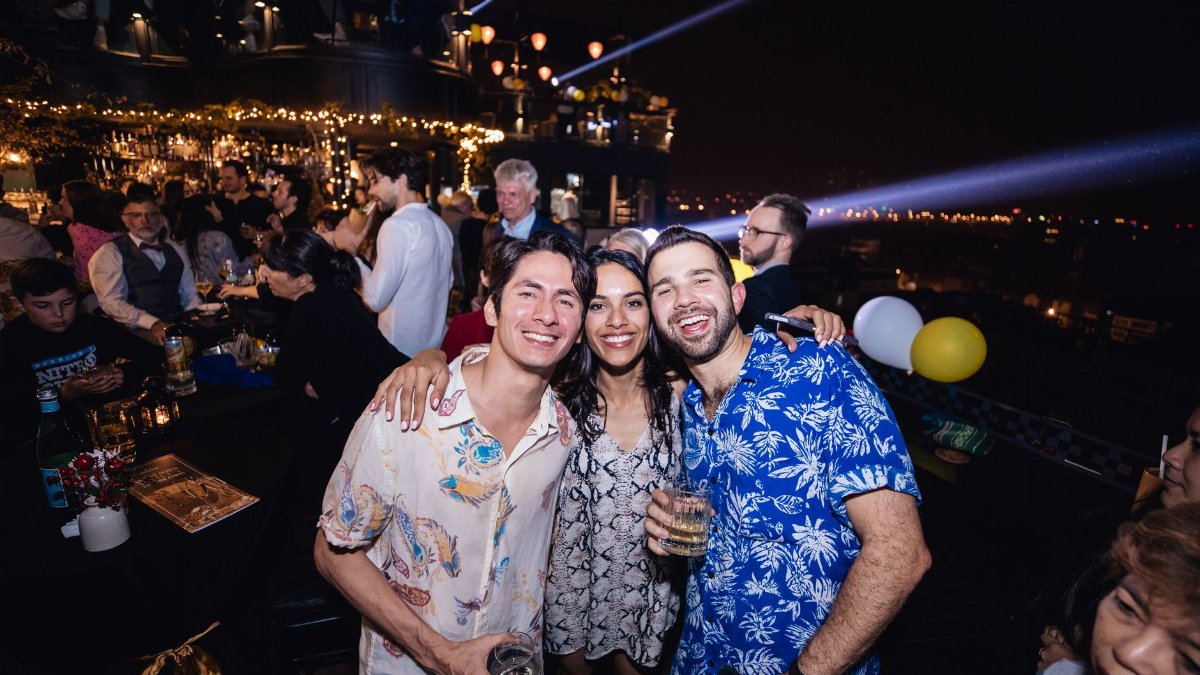
A gala is never only the names on the program. It is caterers who hit a minute by minute service without anyone noticing the clock. It is volunteers who smile through a third explanation of table numbers. It is curators who step out of offices to talk, briefly and clearly, about why an object matters. It is donors who agree to be seen giving, which is its own kind of labor in a city that can be skeptical of wealth on display.
That mix is uneasy and useful. Display can look like vanity. It can also be a public signal that the work is worth standing beside. The healthiest version of the night keeps the art, not the guest list, at the center. When that balance holds, newcomers leave with a reason to return on an ordinary afternoon, which is the visit that actually sustains a museum between parties.
Arts funding in a city that argues about everything
San Francisco has spent years in a loud argument about housing, downtown recovery, public safety, and who gets to belong. Cultural budgets do not win those arguments, and they should not pretend to. They do answer a different question: whether a city that is expensive and fractious still wants rooms where strangers share attention. A painting will not fix a lease. A school tour will not rewrite a zoning map. Both can still be worth paying for, because a civic life made only of crisis meetings is a thin life.
The record haul does not prove that every resident feels ownership of the museum. Ticket prices, location, and the social codes of a gala leave people out. Honest supporters say that aloud. The better follow up is not a speech about unity. It is wider free hours, stronger school partnerships, and exhibitions that treat the city as more than a backdrop. Money makes those choices possible. It does not make them automatic.
How records get misunderstood
Numbers travel faster than context. A headline about $2.38 million can sound like surplus, as if the institution has more than it needs. Staff who have watched line items get cut know the opposite feeling. A strong gala can also create a new expectation. Next year, anything short of the record may be framed as a slip, even if the underlying donor base is healthy and the programming is stronger.
Boards should resist that trap. A record is a ceiling someone touched once, not a floor the mission must hit every spring. The wiser measure is whether membership renews, whether students keep coming, whether the collection is safer this year than last, and whether the public can still wander in without feeling like a guest at someone else’s party. Those measures are slower. They are also the ones that justify the champagne.
The morning standard for a glittering evening

After the lights come up, the test is ordinary. Can a visitor find a guard who knows the galleries? Can a teacher book a visit without a maze of forms? Can a conservator order the materials a fragile work requires? Can the website tell a newcomer, in plain language, what is on view and what it costs? If the answer is yes, the swanky night did its job. If the answer is no, the total was a costume.
That standard is not romantic, and it should not be. Cultural houses earn trust in the daylight. The de Young has decades of daylight behind it, which is why people still treat it as a San Francisco institution rather than a venue for hire. The gala borrowed that trust and, if the money is spent with care, will pay some of it back.
What supporters believe they are protecting

Ask donors why they came and the answers vary. Some love a particular collection. Some want their names near a civic project that will outlast them. Some are honoring a parent who took them to the park as children. A few are there because a friend insisted, and they leave surprised that they care. None of those motives is pure. All of them can be steered toward public good if the institution keeps its promises.
What they are protecting, at bottom, is continuity. Cities shed restaurants, storefronts, and even neighborhoods with unnerving speed. A museum that remains open, honest about its history, and willing to change its programs is a rare form of stability. The $2.38 million does not purchase permanence. It purchases another stretch of time in which permanence can be earned.
A party, a park, and the work that follows
By the time the last guests stepped into the night air, the number had already started its life as a talking point. Record. Swanky. A San Francisco institution still able to summon a crowd. Those phrases are accurate enough for a headline. They are incomplete as a verdict.
The verdict will be written in classrooms, in galleries that stay open, and in the quiet rooms where objects are kept from falling apart. It will be written by people who never wore evening clothes to the event and who still have a right to the place. If the museum remembers them when it spends the haul, the party will have been more than a party. It will have been a down payment on a public promise that Golden Gate Park has been keeping, in one form or another, for a very long time.